

Sourcing Wholesale Lab Grown Diamonds in the USA: A Jeweler’s Guide to Suppliers, Pricing, Duties and Risk
Wholesale lab grown diamonds have moved from a niche line to a core inventory category for American jewelers, and the independent store, bridal designer, or online seller who sources well can protect both margin and reputation in a market where prices keep falling. The challenge is that buying from an overseas wholesaler is a very different job from ordering a finished ring from a catalog.
This guide explains what wholesale really means, how to compare suppliers, how pricing works, what to expect from customs and shipping, and seven checks that keep a first order safe. It is written for jewelers, designers, and small online sellers in the USA, and it is built around practical decisions rather than promotion.
Why US Jewelers Are Buying Wholesale Lab Grown Diamonds

Demand has shifted decisively. BriteCo’s 2026 Jewelry, Diamond & Watch Price Index reports that lab grown stones appeared in 51% of newly appraised engagement rings between January and June 2026, compared with 6% in 2019. The same index shows the median center stone growing from 1.01 carats in 2019 to 2.0 carats in 2025, so customers are asking for larger stones, not just cheaper ones.
Prices have moved in the opposite direction. BriteCo reports the median lab grown price per carat fell from $4,622 in 2019 to $2,057 in 2025. For a jeweler, that creates an opportunity and a risk at the same time. Falling prices make lab grown stones easier to sell, but they also mean inventory can lose value while it sits in the case. That is why sourcing discipline matters more here than in almost any other category.
If your customers are still asking whether lab grown is “the real thing,” our guide to lab grown vs natural diamonds gives you clear, accurate language to use at the counter.
Wholesale Explained: The Kinds of Stones Sold in Trade Quantities

Wholesale simply means buying stones in trade quantities, at trade prices, to resell or set into your own jewelry. In practice it covers several product types. Certified loose stones, usually from about half a carat upward, carry an individual grading report. For smaller sizes, jewelers buy melee and calibrated diamonds: tiny, matched stones packed in lots and priced by total weight or piece count, which end up in halos, pavé bands, and side-stone work. A few suppliers also sell assorted lots in mixed sizes and colors, which suit workshops that care more about quantity than exact matching.
The distinction matters because the checks differ. A one-carat center stone is verified by its report. A parcel of small stones is verified by supplier reputation, sampling, and screening. Know which kind of purchase you are making before you compare prices, and read our overview of wholesale lab created diamonds for custom jewelry if you are building a mixed inventory.
Four Ways to Source Stones: Which Buying Model Suits Your Shop?
Jewelers rarely choose one model forever. Most blend two. This table compares the four common approaches.
| Sourcing model | Typical buyer | Inventory risk | Pricing level | Best use |
| Retail e-commerce | Individual consumers | None | Highest | Personal purchases, not resale |
| Wholesale loose stones | Jewelers and designers | You hold the stock | Trade pricing | Core inventory and custom work |
| Dropship program | Online sellers and startups | Supplier holds the stock | Trade pricing with a margin to the supplier | Testing demand without capital |
| Direct from manufacturer | Larger or experienced buyers | You hold the stock | Closest to source | High-volume, repeat purchasing |
A small shop often starts with dropshipping to learn which shapes and sizes sell, then moves its best performers into held wholesale inventory. Our dropship program is built for exactly that first step.
Seven Tips for Buying Wholesale Lab Grown Diamonds in the USA
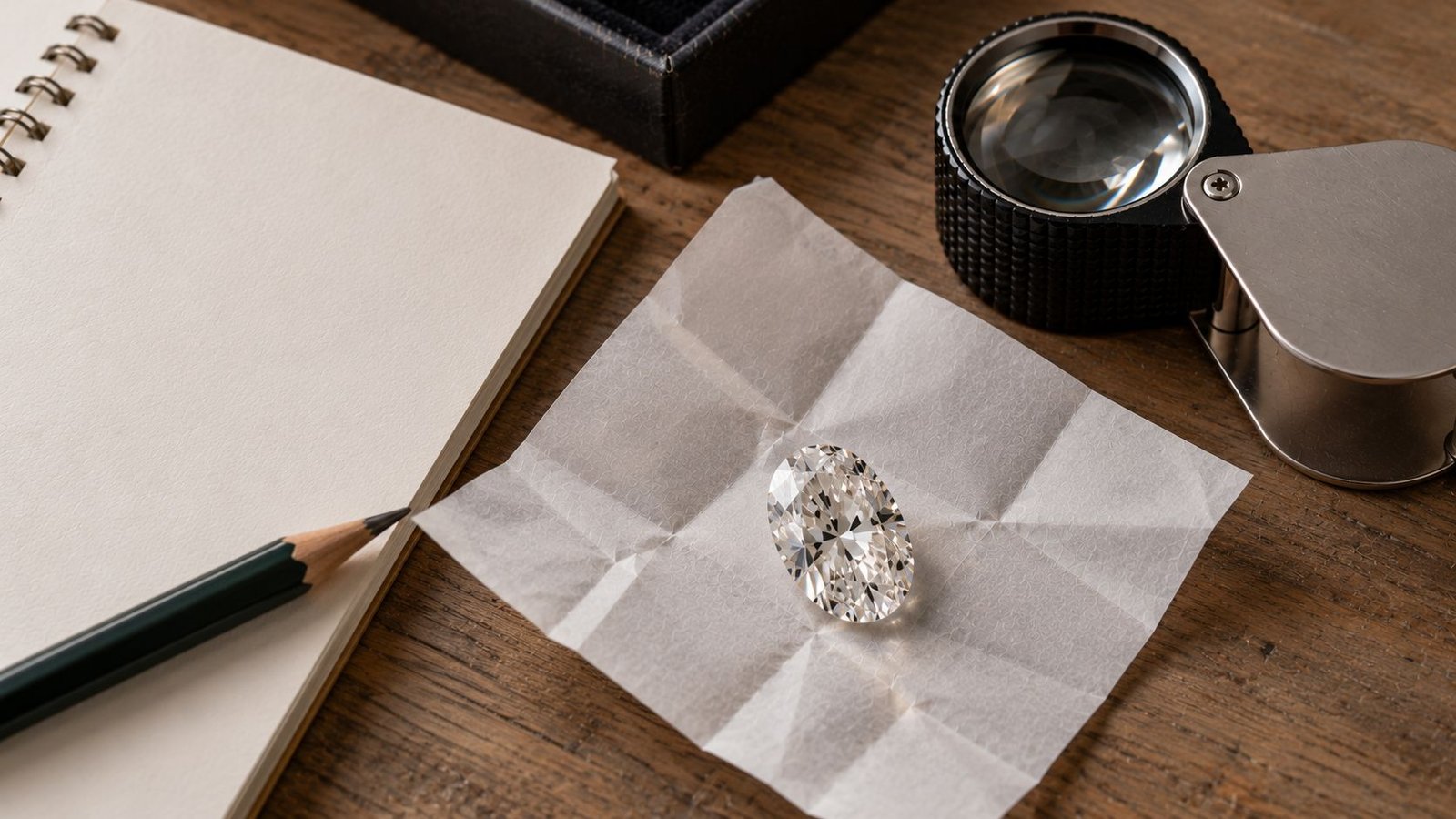
Tip 1: Define Your Assortment Before You Contact Suppliers
Know what you intend to sell before you ask for a single quote on wholesale lab grown diamonds. Decide your core shapes, size bands, and grade range, and keep the list short. A focused assortment is easier to price, easier to display, and far easier to restock than a scattered one.
For most bridal sellers, oval and round brilliants in the one to two carat range, with G to H color and VS1 to VS2 clarity, cover the bulk of demand. Step cuts like emerald need a cleaner clarity grade. Our diamond color grading guide helps you decide where the visible-quality line sits for your customers, so you do not overpay for grades nobody can see.
Tip 2: Compare Suppliers on Verifiable Criteria
Price is the loudest number in any quote and the least reliable way to choose a supplier. Compare on these points instead:
Certification. Ask which laboratories grade the stones and confirm that every report number can be checked online.
Inventory transparency. Look for real stone data, images, and videos for each listing, not stock photos.
Return and memo terms. Find out whether you can inspect stones before committing, and what happens if a stone does not match its report.
Payment terms. With a new supplier, avoid paying everything upfront for the first order. Use a traceable, protected payment method and agree on terms in writing.
Communication and references. A good supplier answers specific questions quickly and can point to other trade customers.
Shipping and insurance. Confirm who insures the parcel in transit and who bears the loss if it goes missing.
Tip 3: Understand How Wholesale Pricing Really Works
Wholesale prices are normally quoted per carat and shift by size band, shape, grade, and certification. Prices jump at milestone weights: a 0.95 carat diamond sells for noticeably less than a 1.00 carat stone, although the two are nearly impossible to tell apart by eye. Round brilliants typically carry a premium over fancy shapes.
Compare quotes only when the grades match exactly. A one-grade difference in color or clarity can account for the whole gap between two offers. Our price guide in USD, EUR and INR lists wholesale reference prices by shape, so you can see how a quote sits against a published benchmark.
Then convert every quote for wholesale lab grown diamonds to landed cost: the stone price plus freight, insurance, duties, broker or handling fees, and payment charges. If a parcel costs $5,000 and freight, insurance, and fees add $250, your landed cost is $5,250 before any duty. The cheapest quote on paper is not always the cheapest once everything is added.
Tip 4: Plan for Duties, Tariffs and Shipping
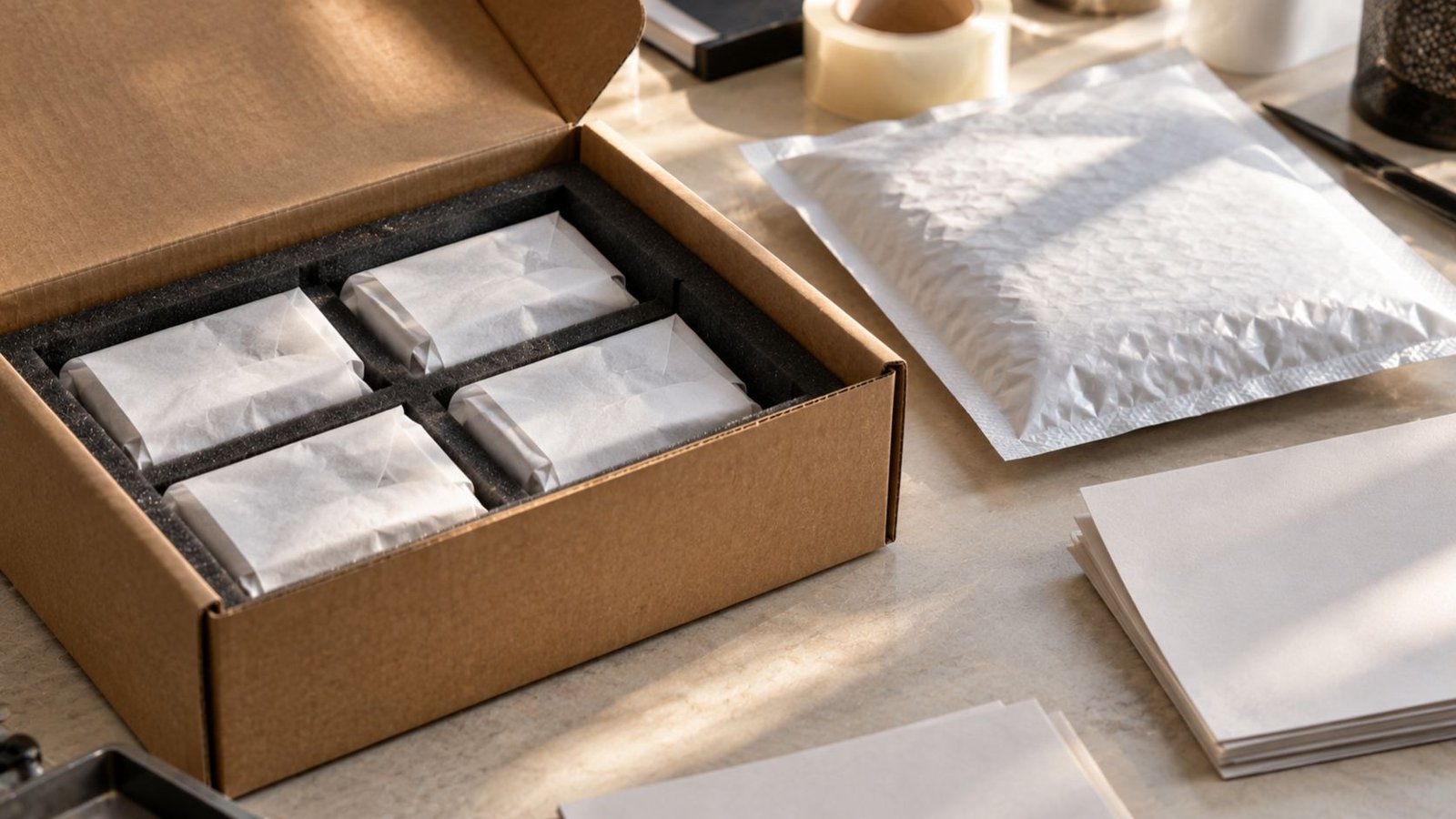
Importing is where many first-time buyers get surprised. Customs classification, duty rates, and tariff treatment for diamonds and jewelry can differ between natural and lab grown stones, and they have shifted with trade policy. Rapaport has named US-India tariff stress as one of the wild cards for the diamond trade in 2026, so treat any duty figure as something to confirm, not assume.
Ask every supplier which shipping terms they quote. Some quote prices that include delivery and duties, while others quote prices that leave duties and import clearance to you. Clarify who acts as the importer of record, and work with a licensed customs broker for your first shipments. Build a cost buffer into your pricing so a change in rates does not erase your margin.
Tip 5: Verify Every Stone Before You Pay or Resell
Certificates reduce risk when buying wholesale lab grown diamonds, but only when you check them. Look up each report number on the issuing laboratory’s website and confirm that shape, carat weight, color, clarity, and cut match the invoice. IGI and GIA both grade lab grown stones, and you can read about their approaches at the GIA website and the International Gemological Institute. Our explainer on IGI certificates for lab grown diamonds covers what each field means.
Pay extra attention to melee and parcels. Ask suppliers how they screen small stones so that natural and lab grown stones are never mixed, and consider testing a sample with a screening device before you accept a large lot. Our fraud red flags guide lists the warning signs to watch for. Understanding how stones are made also helps when customers ask, and our CVD vs HPHT guide explains the two growth methods.
Tip 6: Protect Your Margin in a Falling-Price Market
Because lab grown prices have trended down, long-held inventory is a risk. Stock for the sales you can realistically make in the next two to three months, not for a price rebound that nobody can promise. Some 2026 reports point to stabilization, but stabilization is not a guarantee.
Avoid competing on price alone against large online brands that buy at huge volume. Compete on what they cannot offer: personal service, custom design, local trust, and fast fixes. For context, BriteCo reports a median lab grown ring price of about $4,557 in 2025, which shows how much value customers see in the finished piece, not just the stone. Price your jewelry for that value, and keep your stone cost low enough to leave room for the work you add.
Tip 7: Start Small, Test, Then Scale
Do not open with your largest order. Place a pilot order covering your three best-selling shapes and two or three size bands. Inspect every stone against its report, measure how quickly the pieces sell, and see how the supplier handles communication, packaging, and any problem that arises.
A good first order of wholesale lab grown diamonds is a test of the relationship as much as the stones. If the supplier ships what they promised, answers questions promptly, and fixes errors without argument, you can scale with confidence. If not, you have limited the cost of learning that.
Red Flags When Choosing a Wholesale Lab Grown Diamonds Supplier
Experience in this trade usually comes down to spotting problems early. Be cautious when you see any of these signs:
Prices far below the market. A quote that is dramatically lower than comparable offers usually hides a weaker grade, a missing report, or a catch in the terms.
No report numbers. If a supplier cannot give you a certificate number you can verify online, treat the stone as unverified.
Pressure to prepay in full. Urgency and a demand for full payment upfront, especially from a new contact, is a classic warning sign.
No video or detailed images. Stock photos tell you nothing about a specific stone. Reputable suppliers can show the actual diamond.
Vague return terms. If the policy is unclear before you buy, it will not get clearer when something goes wrong.
Inconsistent information. Grades that change between the listing, the invoice, and the report mean you should stop and ask why.
A Sample Pilot Order for Your First Wholesale Purchase
If you are new to buying wholesale lab grown diamonds, a structured pilot order keeps the first purchase focused. The table below is an illustrative starting point for a bridal-focused store. Adjust the shapes, sizes, and shares to match your own sales data.
| Shape | Size band | Grade range | Share of order |
| Oval | 1.00 to 1.50 ct | G–H, VS1–VS2 | 30% |
| Round brilliant | 1.00 to 2.00 ct | G–H, VS1–VS2 | 30% |
| Emerald | 1.00 to 2.00 ct | G–H, VS1 | 15% |
| Pear or cushion | 1.00 to 1.50 ct | G–H, VS1–VS2 | 15% |
| Melee parcel | Small accent sizes | Agreed with supplier | 10% |
Keep the list short on purpose. A pilot order is meant to teach you what sells, not to fill every display tray.
Pricing Your Jewelry After Buying Wholesale Lab Grown Diamonds
Your cost does not end at the stone. A simple way to price a finished piece is to add the landed stone cost, the setting, labor, and a share of overhead, then apply a markup that reflects the value you deliver. For example, if the landed stone cost is $600 and the setting and labor come to $350, your direct cost is $950 before overhead. The final price then depends on your market, your service level, and what comparable pieces sell for nearby.
Check your result against comparable finished lab grown pieces in your area and online, and adjust. If you are consistently priced above the market, add visible value through design, service, or warranty. If you are far below it, you may be leaving margin on the table. Because the cost of wholesale lab grown diamonds can move, review your pricing every quarter rather than once a year.
Selling Lab Grown Diamonds Legally in the USA: Disclosure Basics
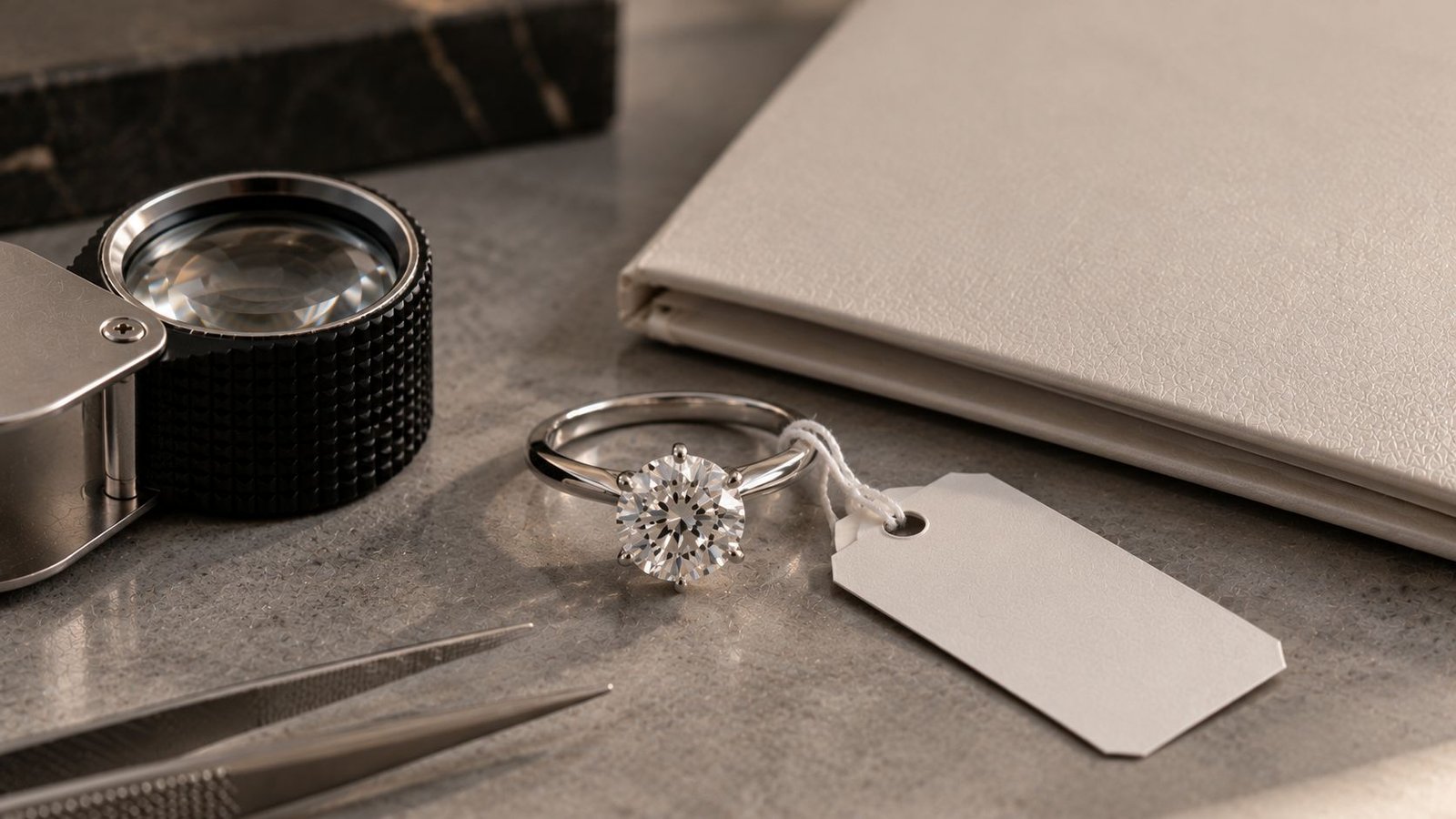
Buying well is only half of the job. In the USA, jewelers are expected to disclose clearly when a stone is lab grown. The FTC’s Jewelry Guides allow terms such as “laboratory-grown” and “laboratory-created,” and they caution against any wording that could lead a customer to believe a lab grown stone is natural. Disclose any treatments as well, and keep the supplier invoice and grading report on file for every stone you sell.
These rules are updated from time to time, so confirm the current Jewelry Guides, and any state requirements, with your attorney or trade association before you finalize your product descriptions and signage. Clear disclosure is also good business. Customers who understand exactly what they bought tend to come back and refer others.
Common Misconceptions About Wholesale Lab Grown Diamonds
“Wholesale means uncertified stones.” Certified loose stones are widely available at wholesale. Only small melee parcels are typically sold without individual reports.
“The cheapest supplier is the best supplier.” A low quote with weak verification, poor return terms, or hidden costs can cost far more than a fair quote from a reliable partner.
“Prices will rebound, so I should stock heavily.” No one can promise that. Hold the inventory you can sell soon and reorder as needed.
“Importing is too complicated for a small shop.” With a customs broker and clear shipping terms, small jewelers import every day. The key is asking the right questions before the first order.
“A certificate image proves the stone is genuine.” Images can be copied. Only the report number verified on the laboratory’s own site confirms the stone.
How Mira Art Collection Works with US Jewelers

Mira Art Collection is a Jaipur-based lab grown diamond supplier serving B2B customers across more than 15 international markets. We supply wholesale lab grown diamonds in certified form, including IGI certified lab grown diamonds, and we offer a dropship option for sellers who want to test demand before holding stock. If you are planning a holiday assortment, our lab grown engagement ring buying guide for Black Friday and Christmas shows what US customers are asking for this season.
Your Wholesale Sourcing Checklist
- Define your core shapes, size bands, and grade range.
- Shortlist suppliers using verifiable criteria, not price alone.
- Ask for certificate numbers and verify them online.
- Request full landed-cost quotes, including freight, insurance, duties, and fees.
- Confirm shipping terms and who acts as importer of record.
- Agree on return, memo, and payment terms in writing.
- Place a small pilot order before scaling.
- Keep reports and invoices on file for every stone you sell.
Final Thoughts: Source Carefully, Price for Value, Scale Slowly
Buying wholesale lab grown diamonds is a strong move for a US jeweler, but only when it is done with care. Define your assortment, compare suppliers on facts, calculate landed cost, verify every certificate, and treat duties as a number to confirm rather than guess. Protect your margin by holding lean inventory and selling the value of the finished piece, and scale only once the first order has proven the supplier. Do that, and wholesale lab grown diamonds become a dependable engine for your business instead of a gamble.
Frequently Asked Questions: Wholesale Lab Grown Diamonds USA
Disclaimer: This article is for informational and educational purposes only and is not legal, tax, or customs advice. Market statistics come from published 2026 industry reports, and prices, duties, tariffs, and regulations change. Confirm current terms with your supplier, customs broker, and legal adviser before purchasing or selling.