
Lab Grown Diamond Wholesaler In India | IGI & GIA Certified – Mira Art Collection
White IGI Certified Diamonds
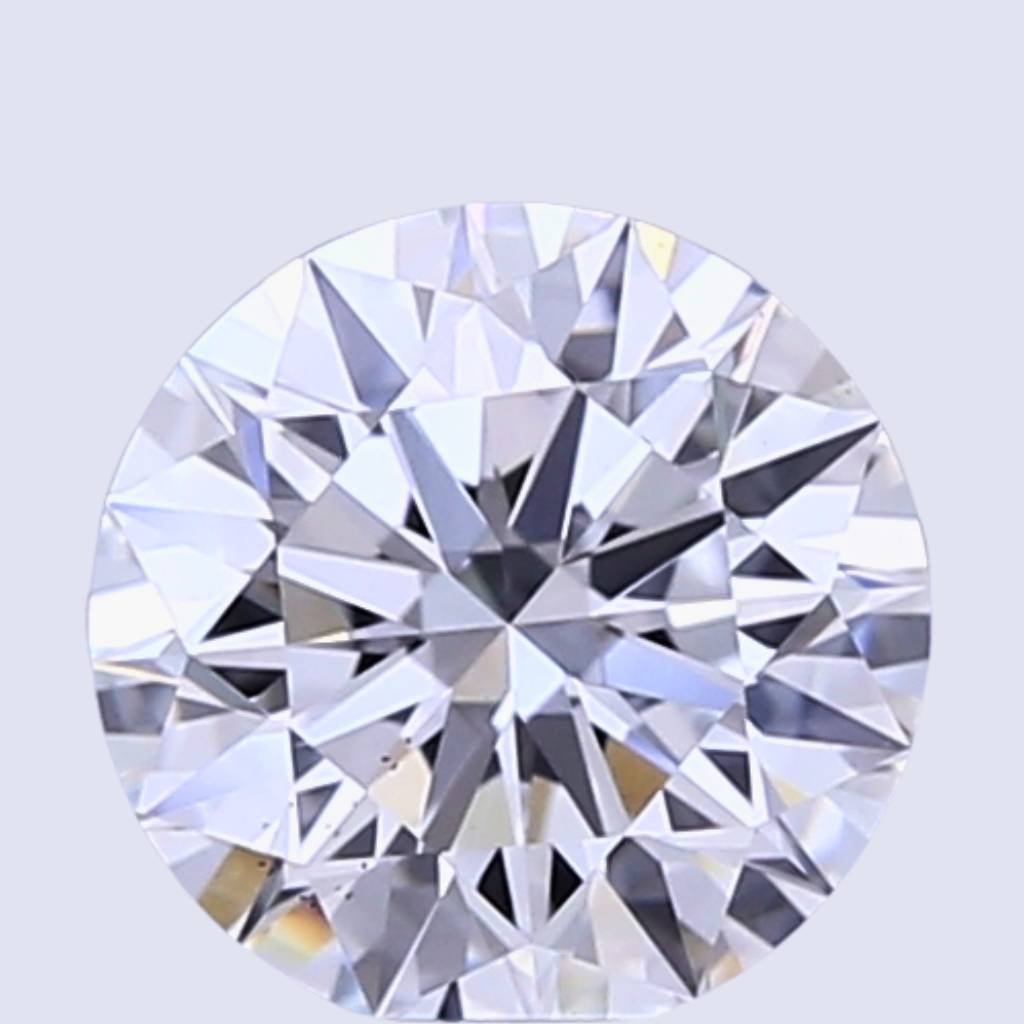
Round Lab Grown Diamonds
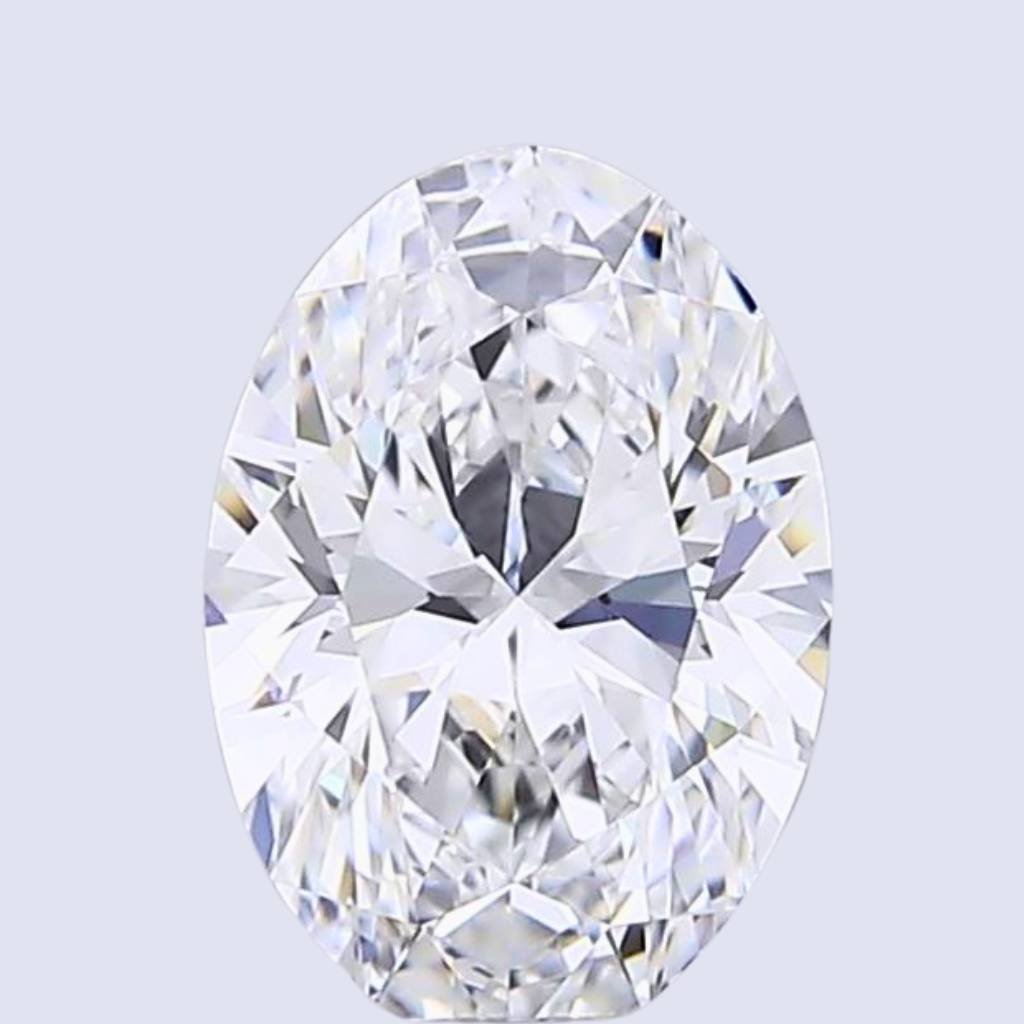
Oval Lab Grown Diamonds
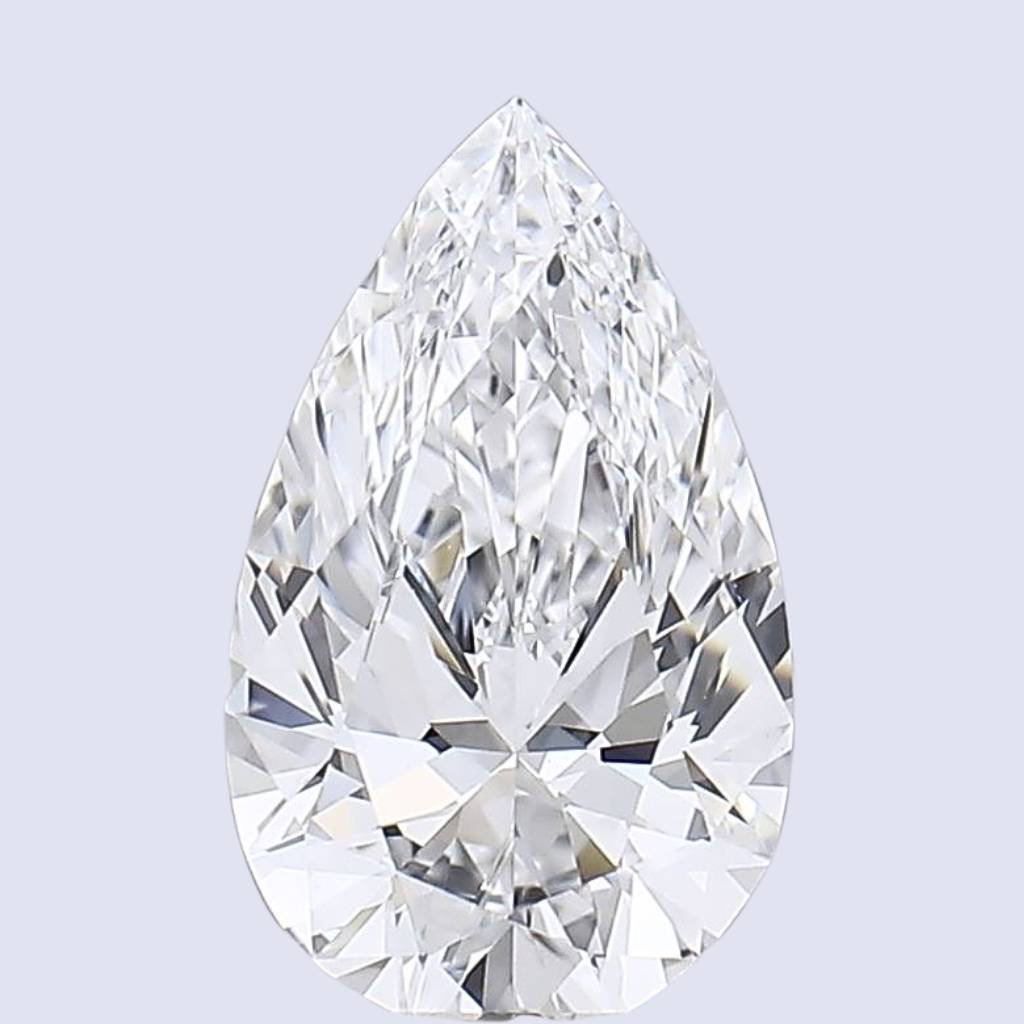
Pear Lab Grown Diamonds
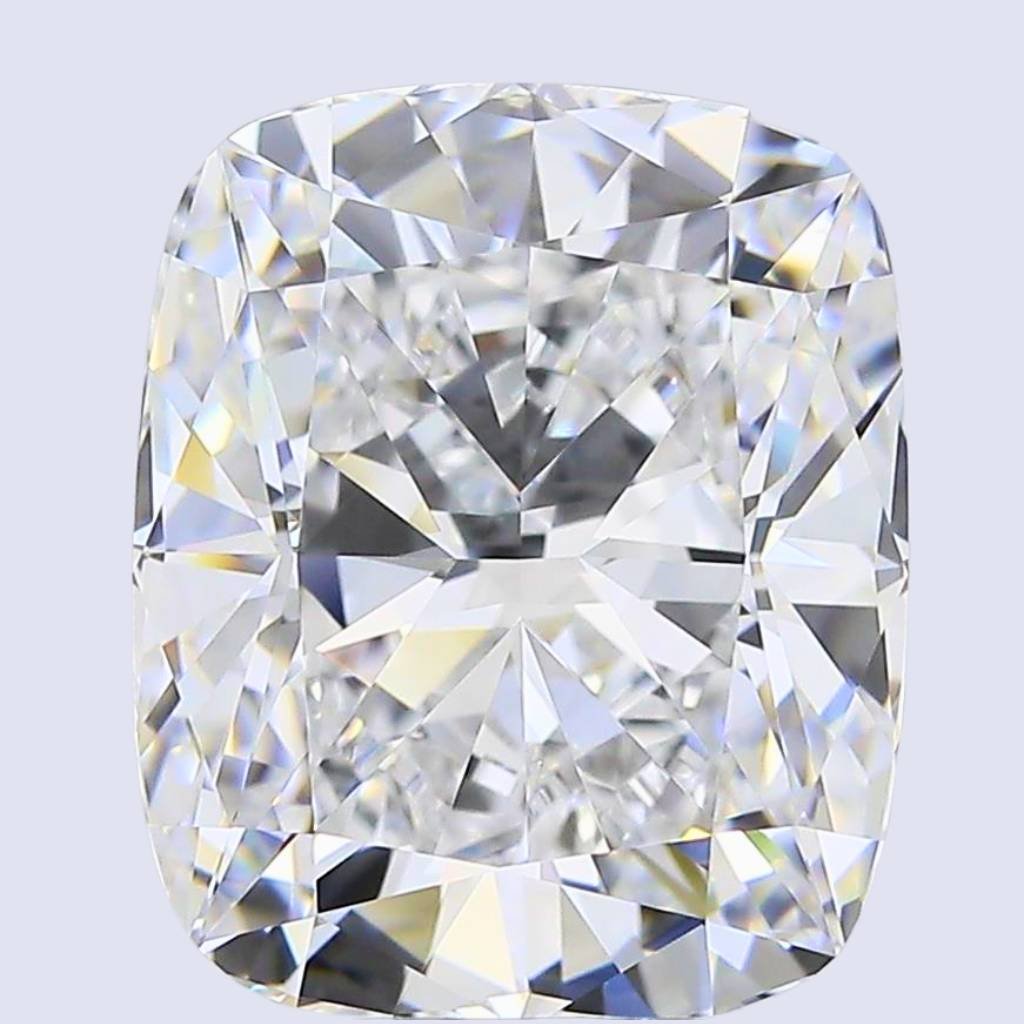
Cushion Lab Grown Diamonds
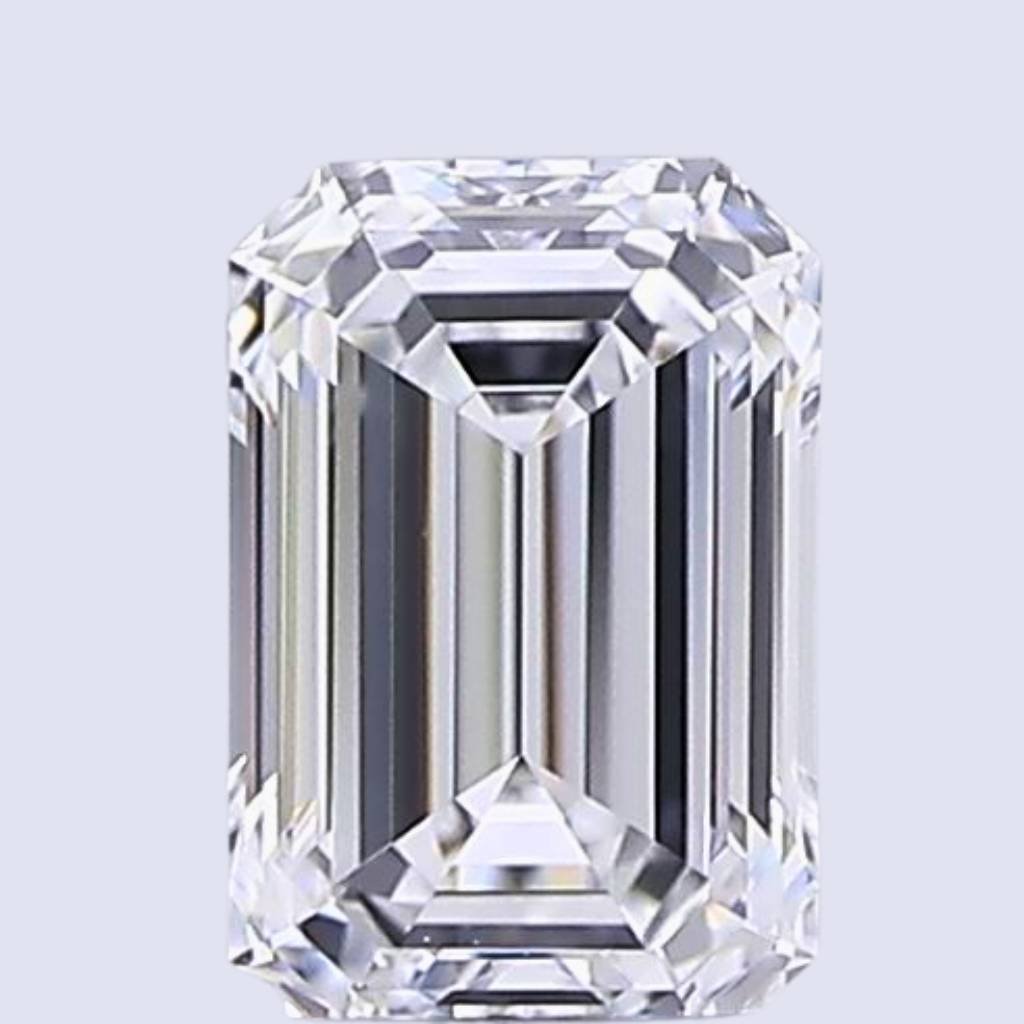
Emerald Lab Grown Diamonds
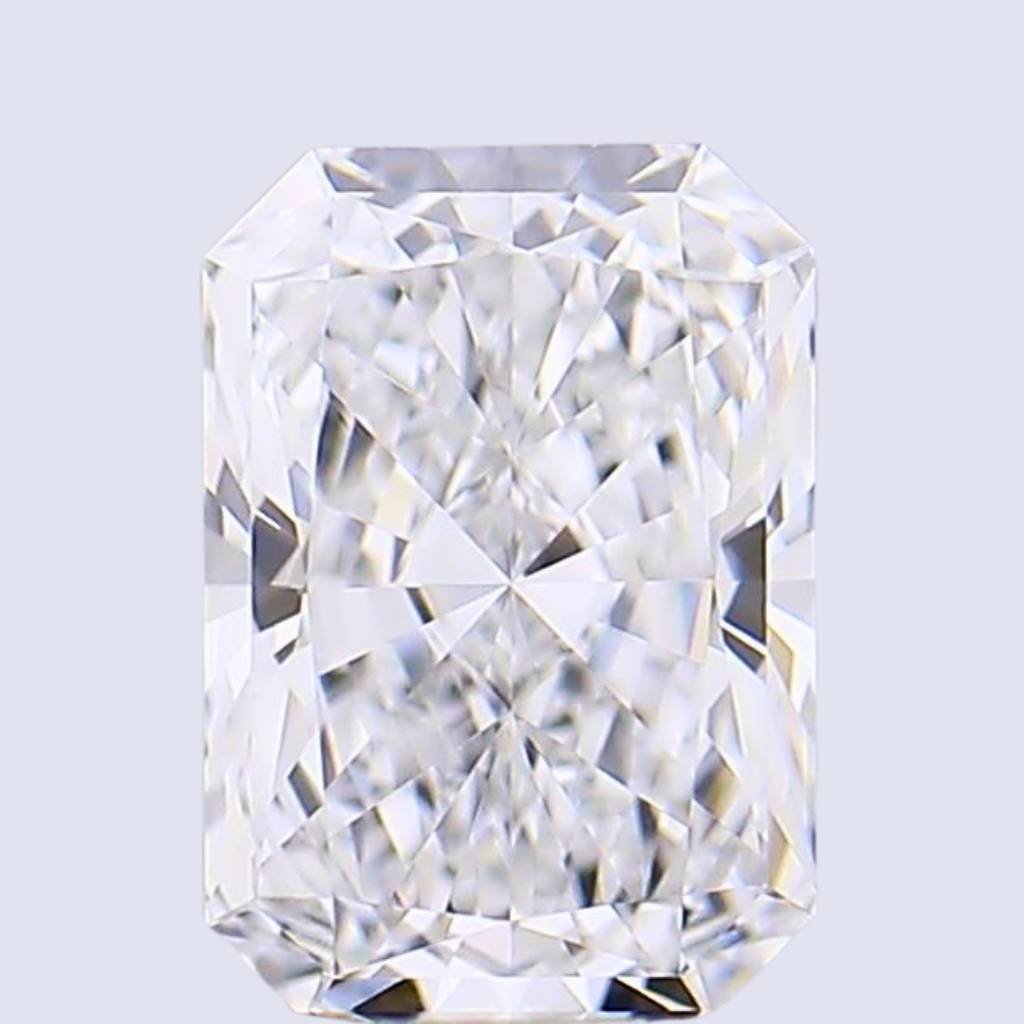
Radiant Lab Grown Diamonds
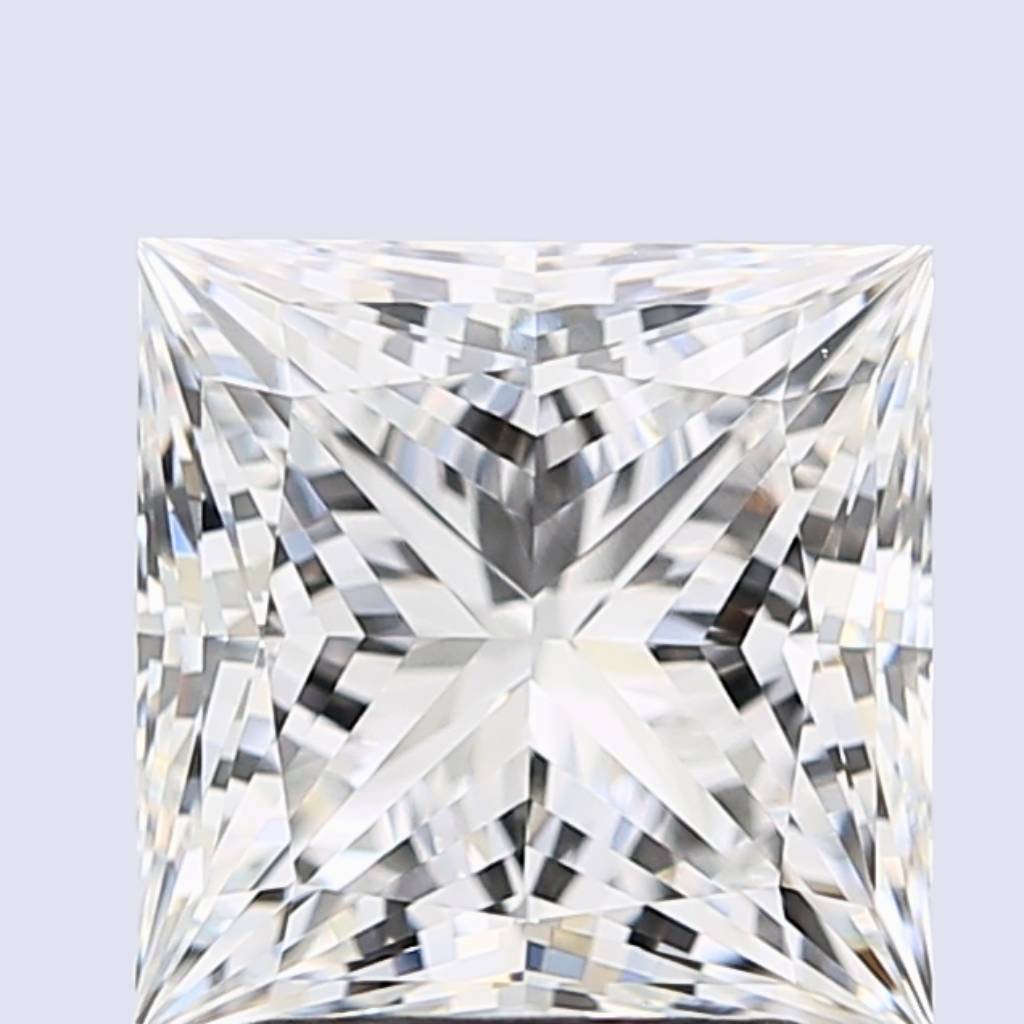
Princess Lab Grown Diamonds
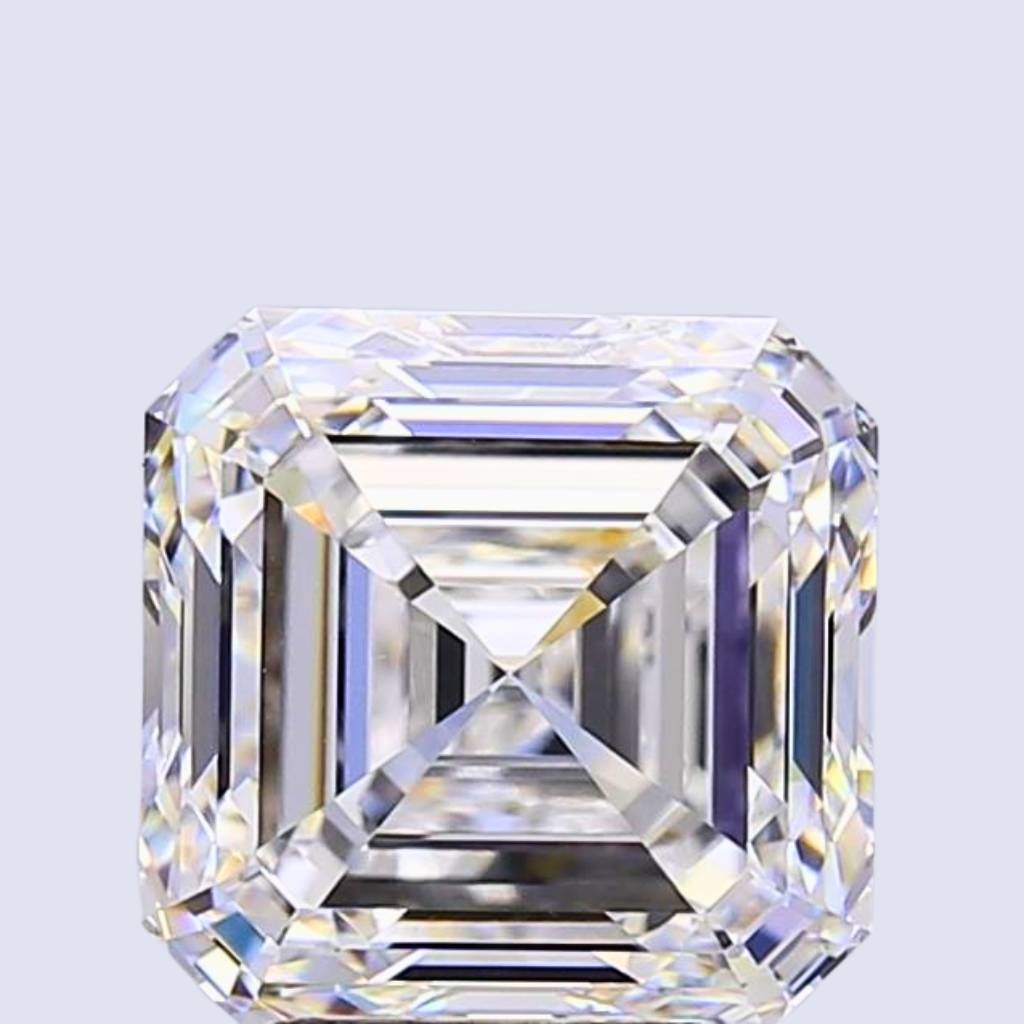
Asscher Lab Grown Diamonds
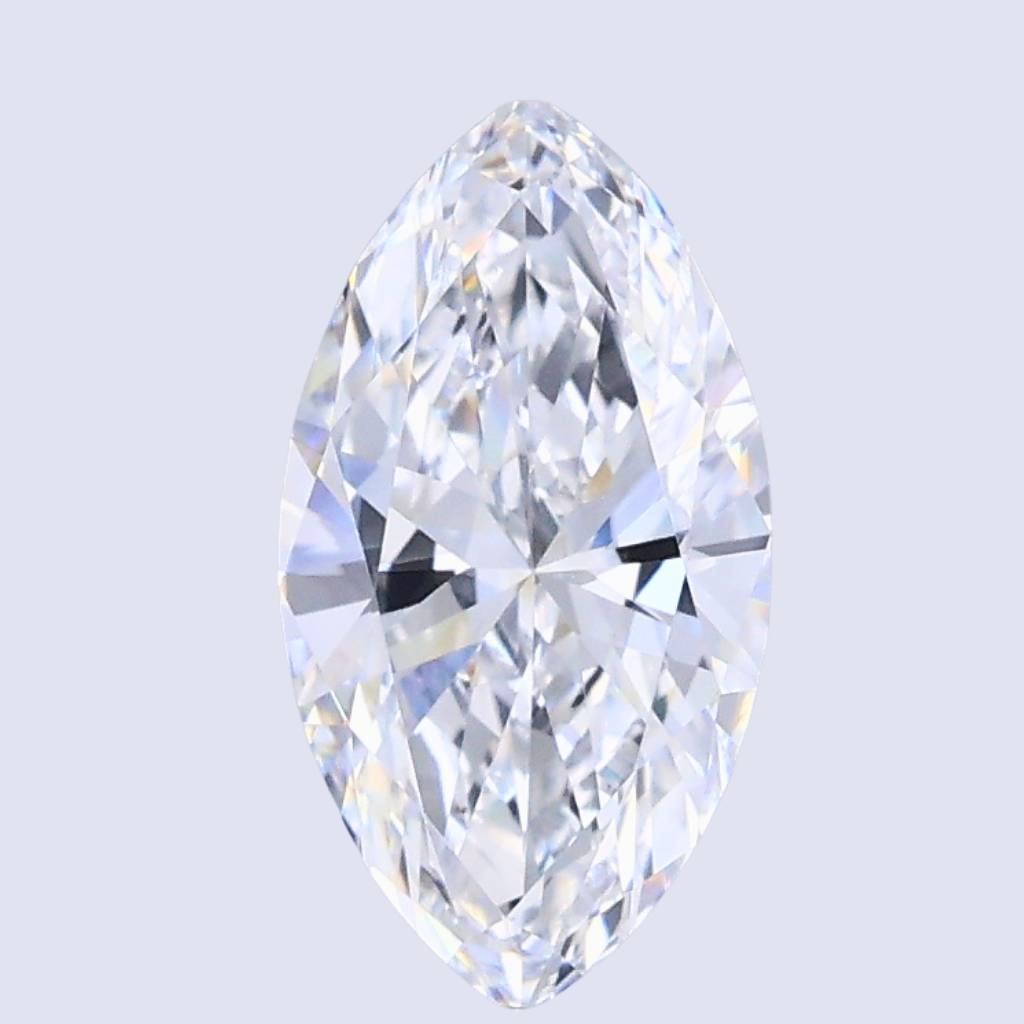
Marquise Lab Grown Diamonds
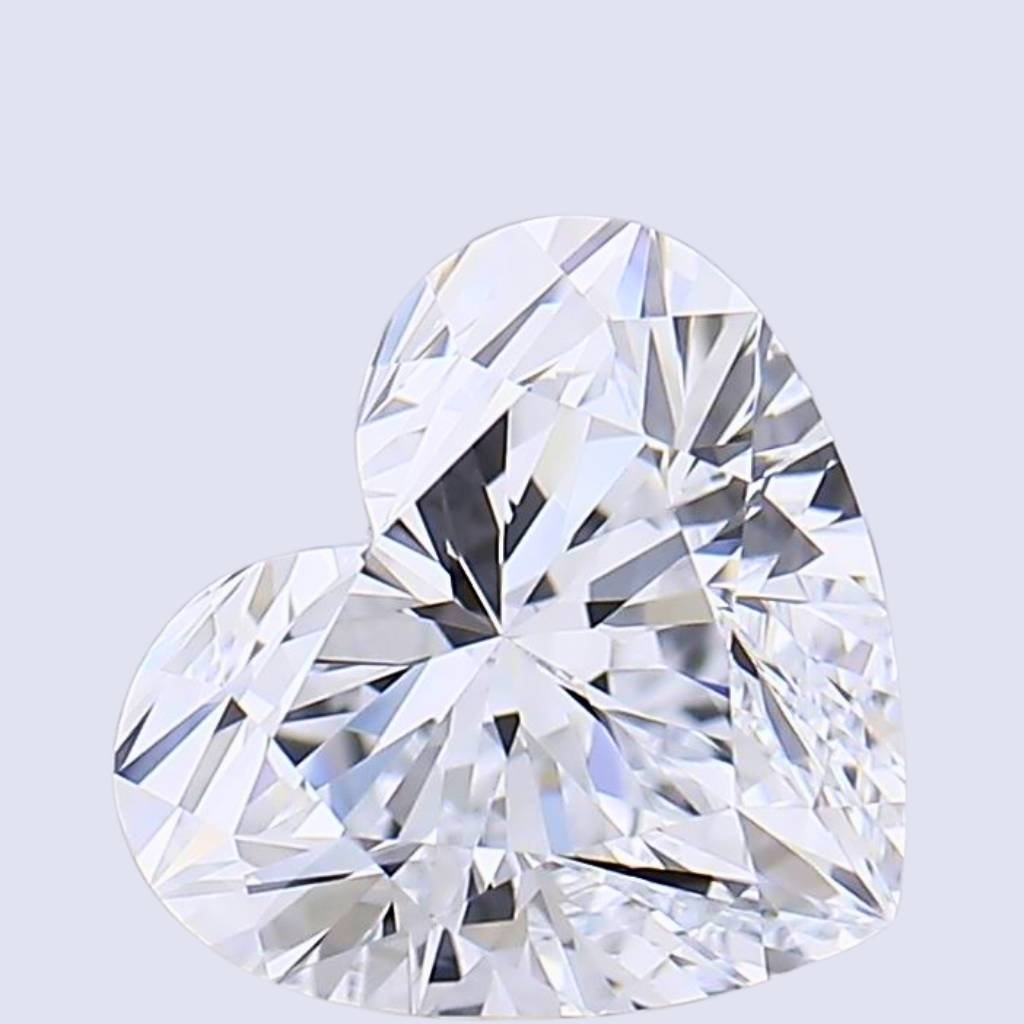
Heart Lab Grown Diamonds
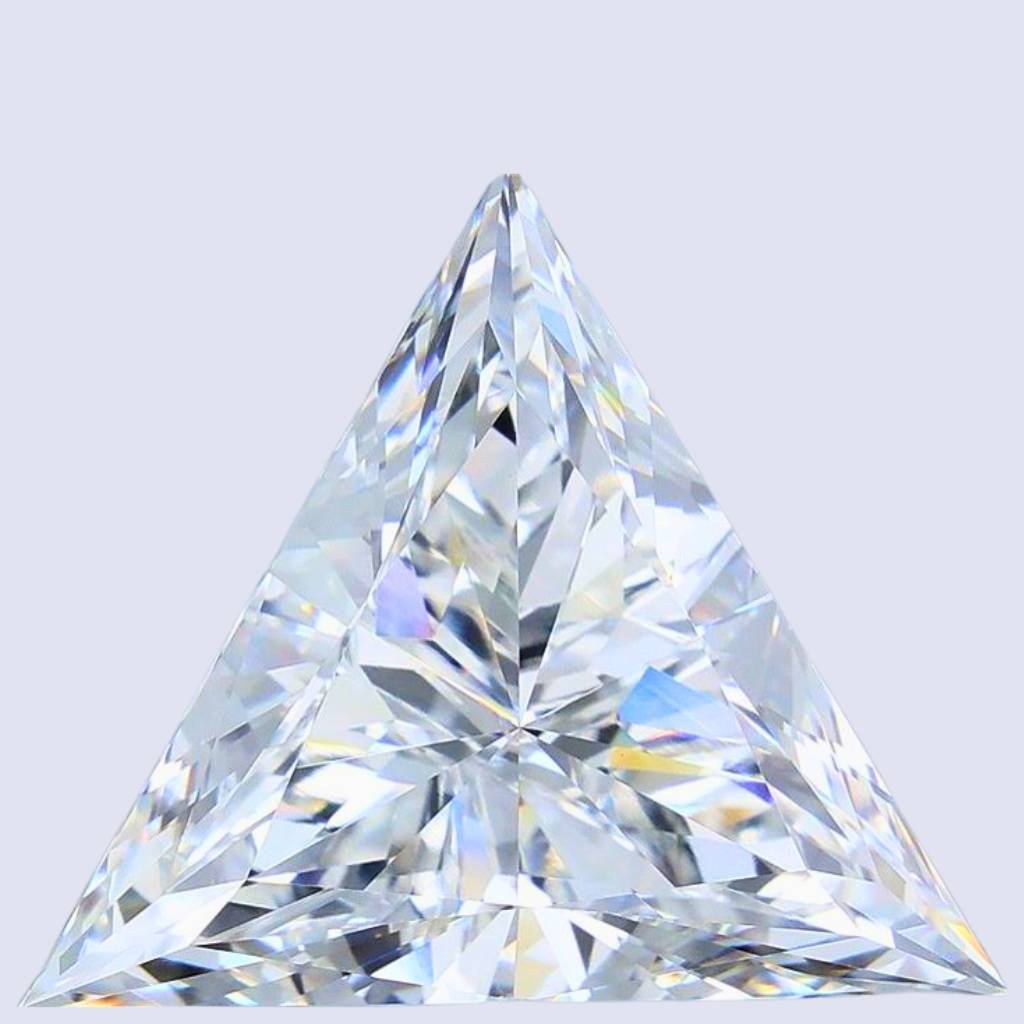
Trilliant Lab Grown Diamonds
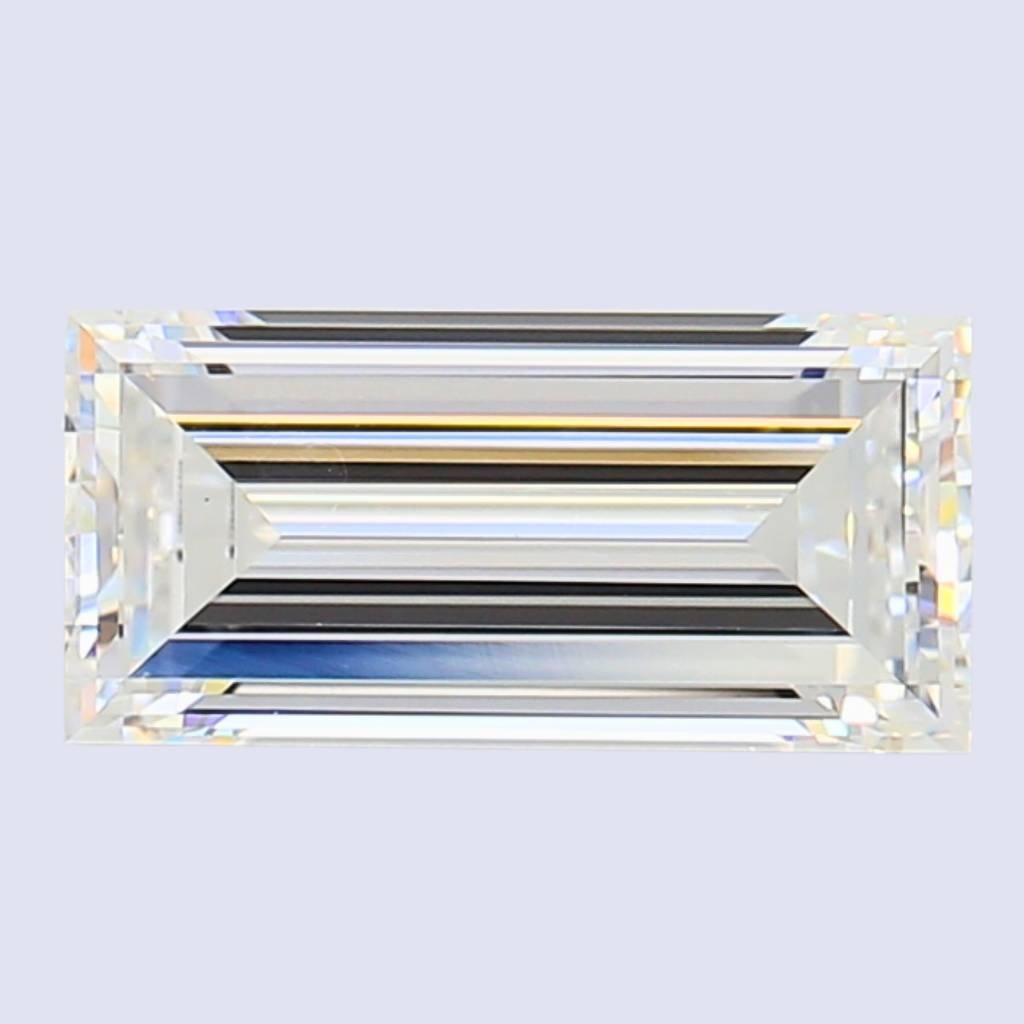
Baguette Lab Grown Diamonds
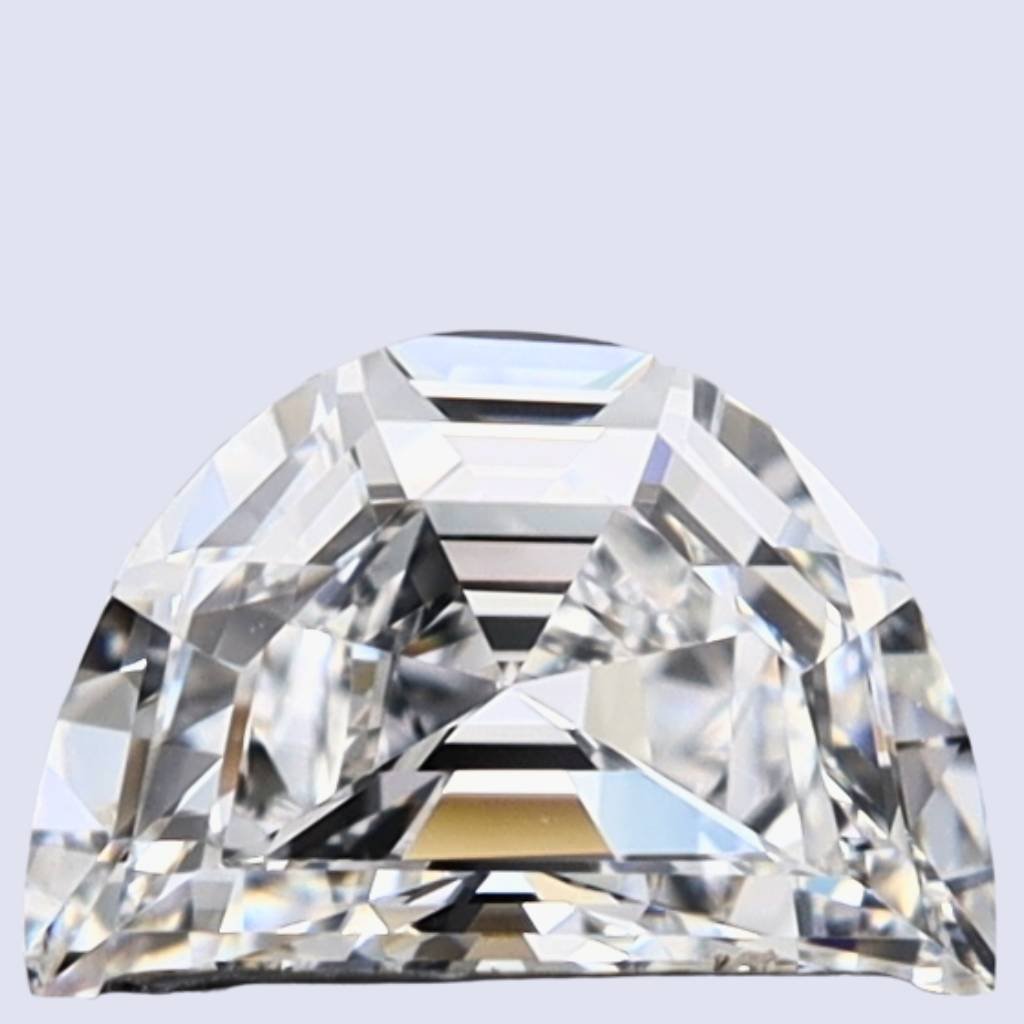
Half Moon Lab Grown Diamonds
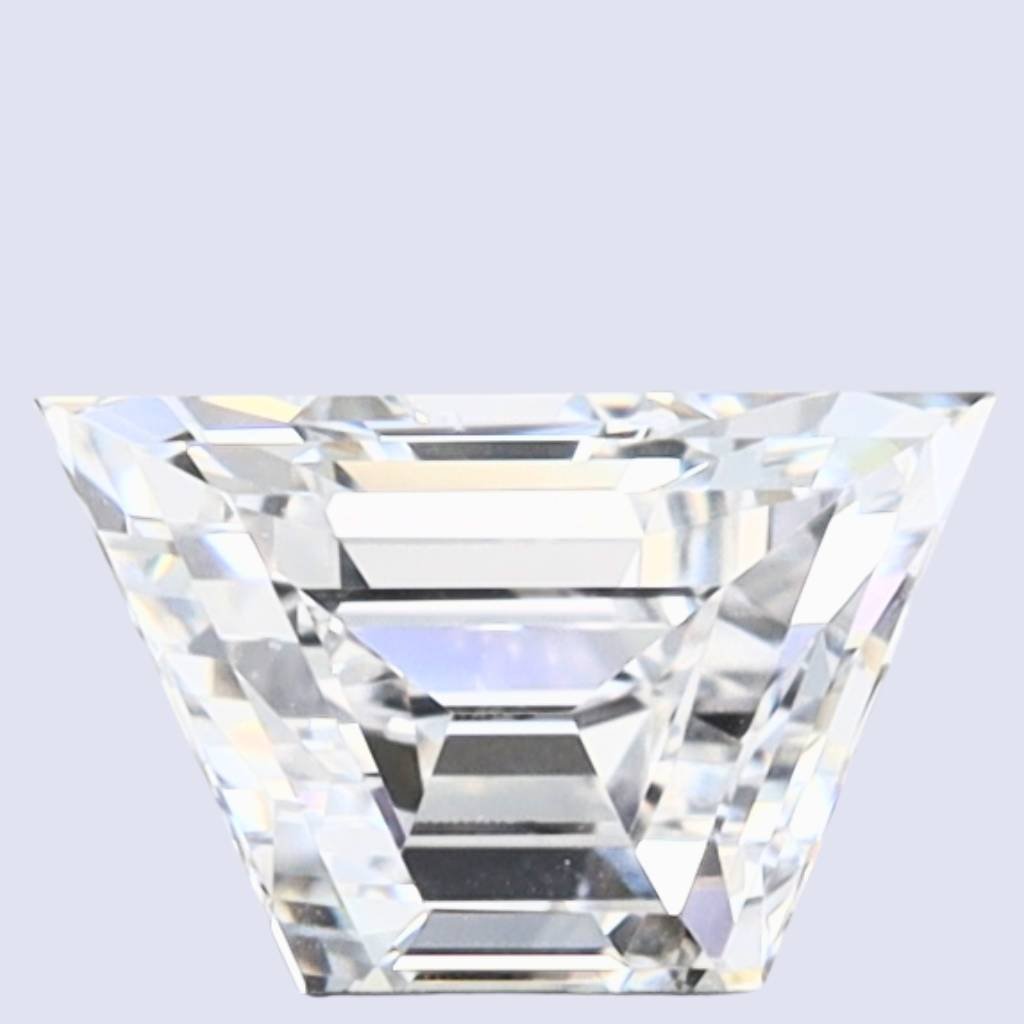
Trapezoid Lab Grown Diamonds
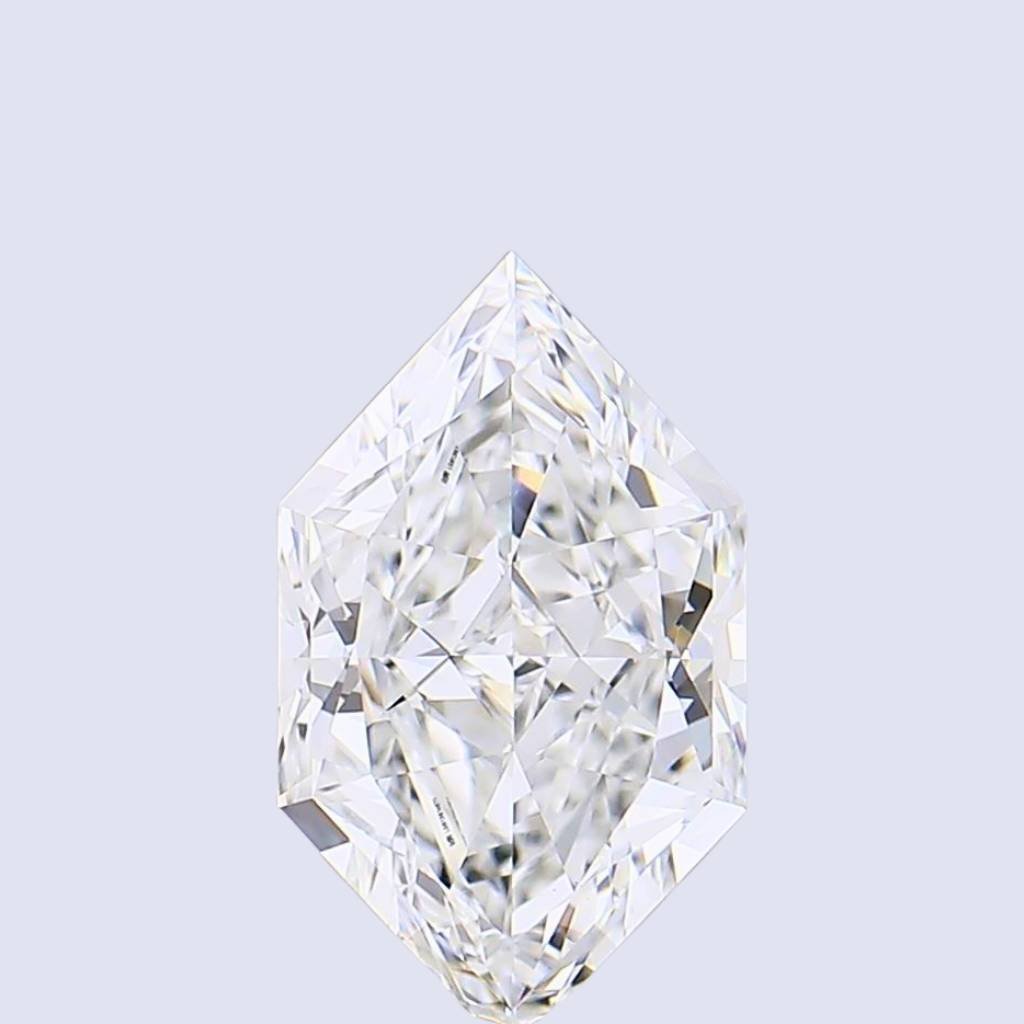
Hexagonal Lab Grown Diamonds
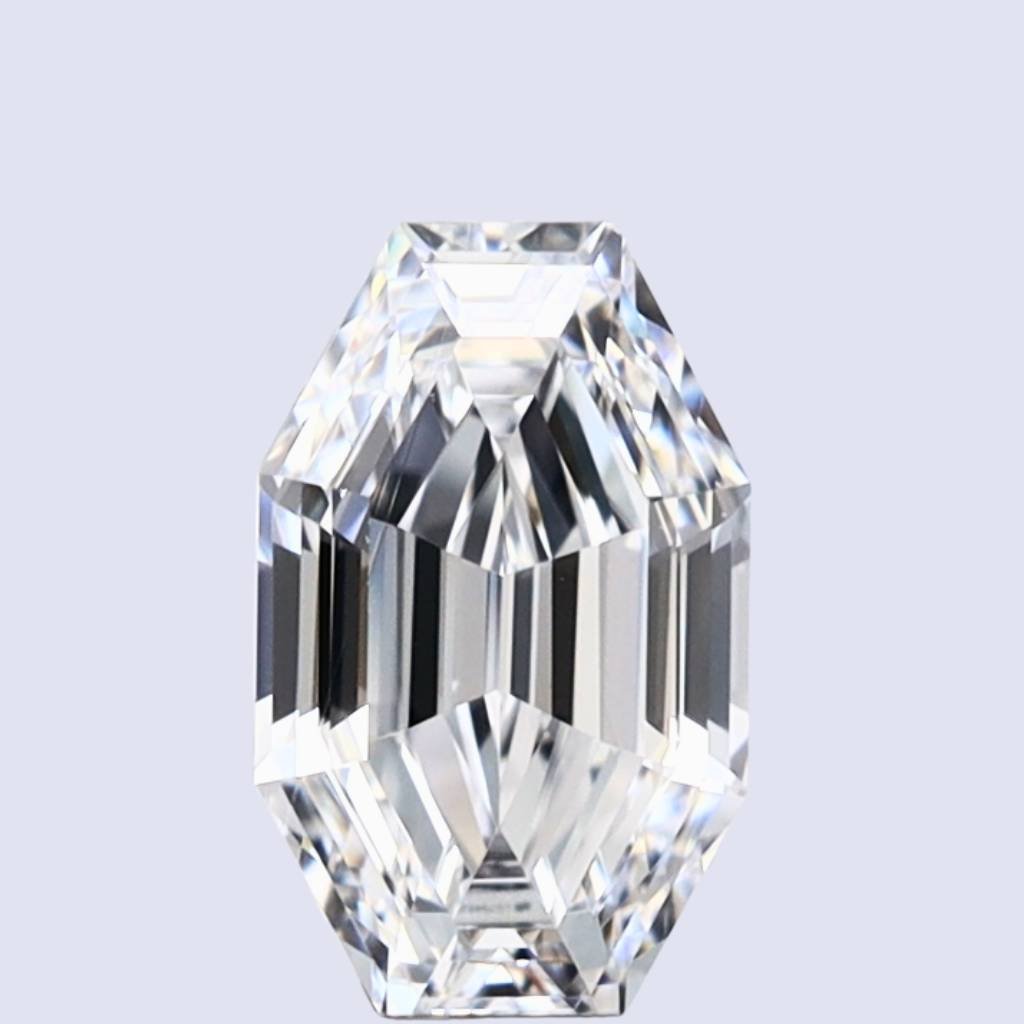
Octagonal Lab Grown Diamonds
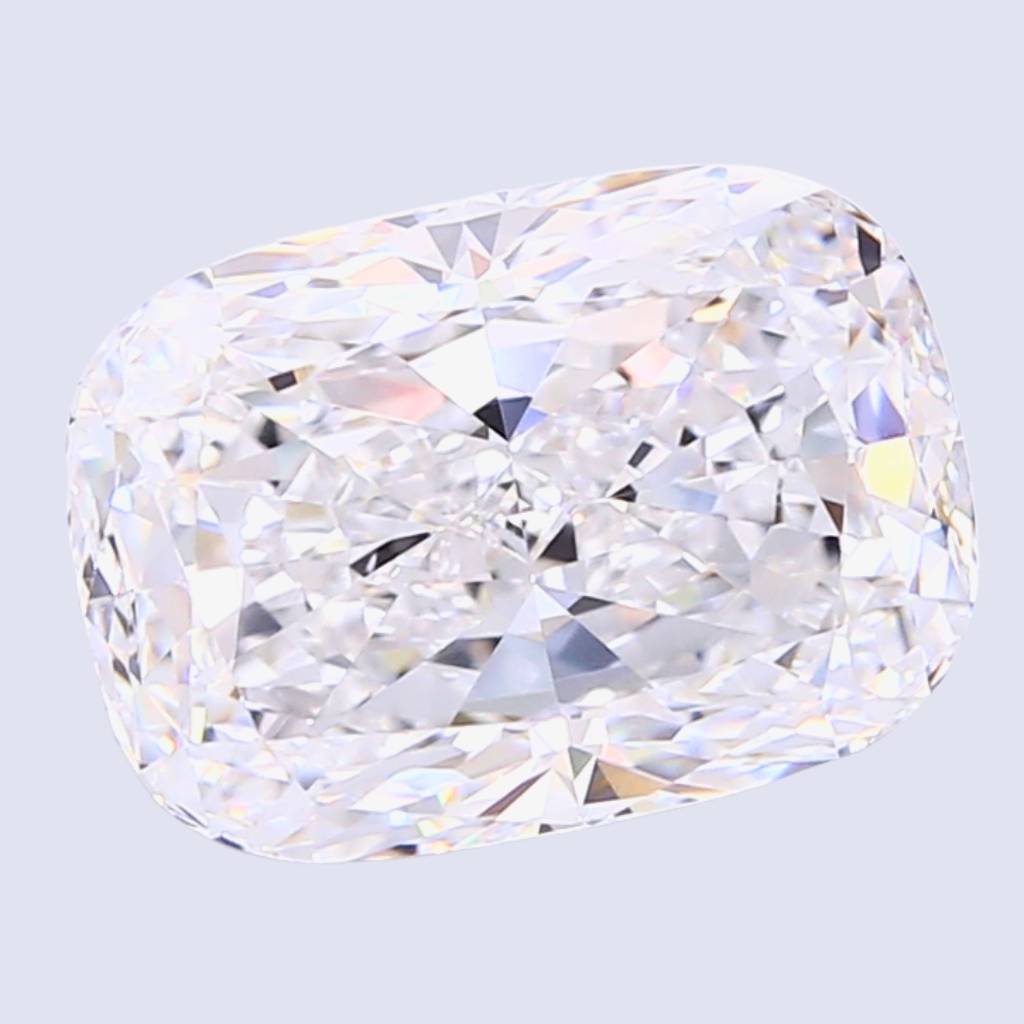
Cushion Modified Lab Grown Diamonds
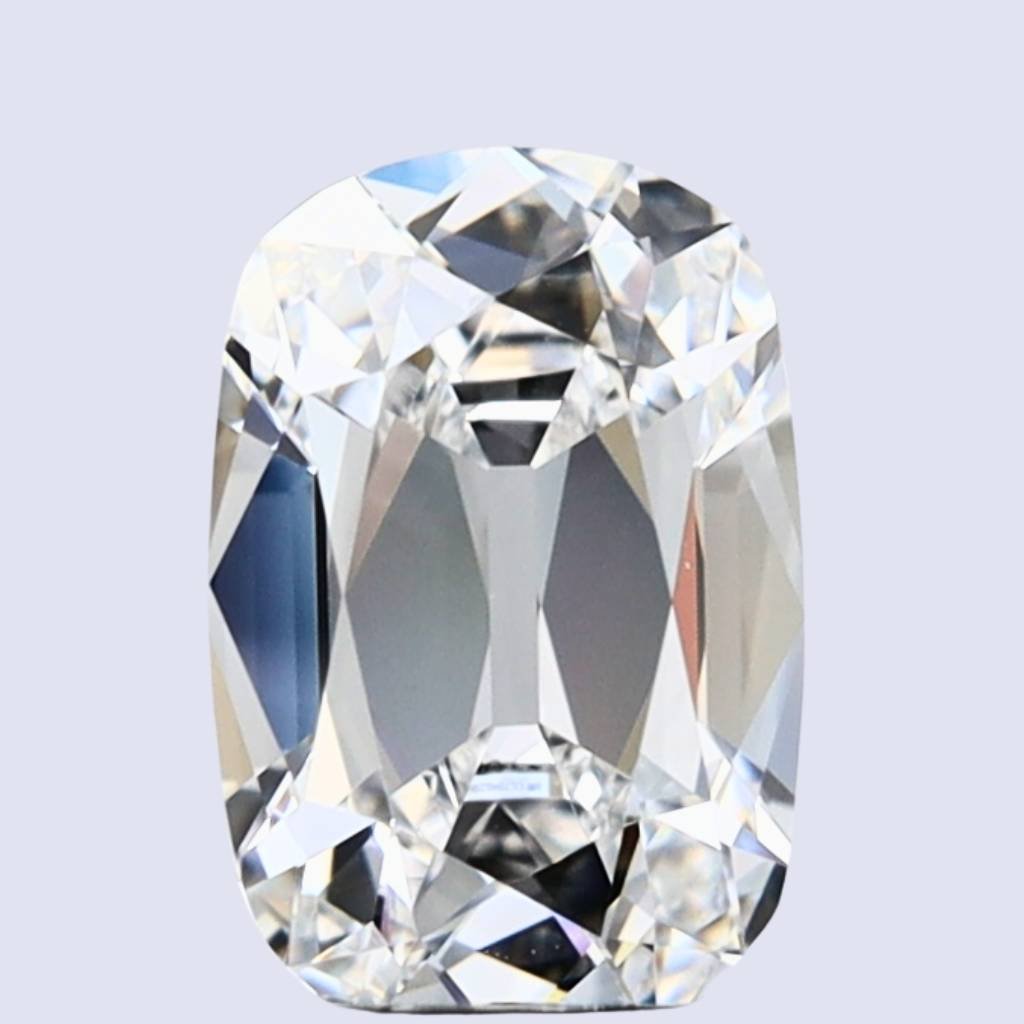
Cushion Antique Lab Grown Diamonds
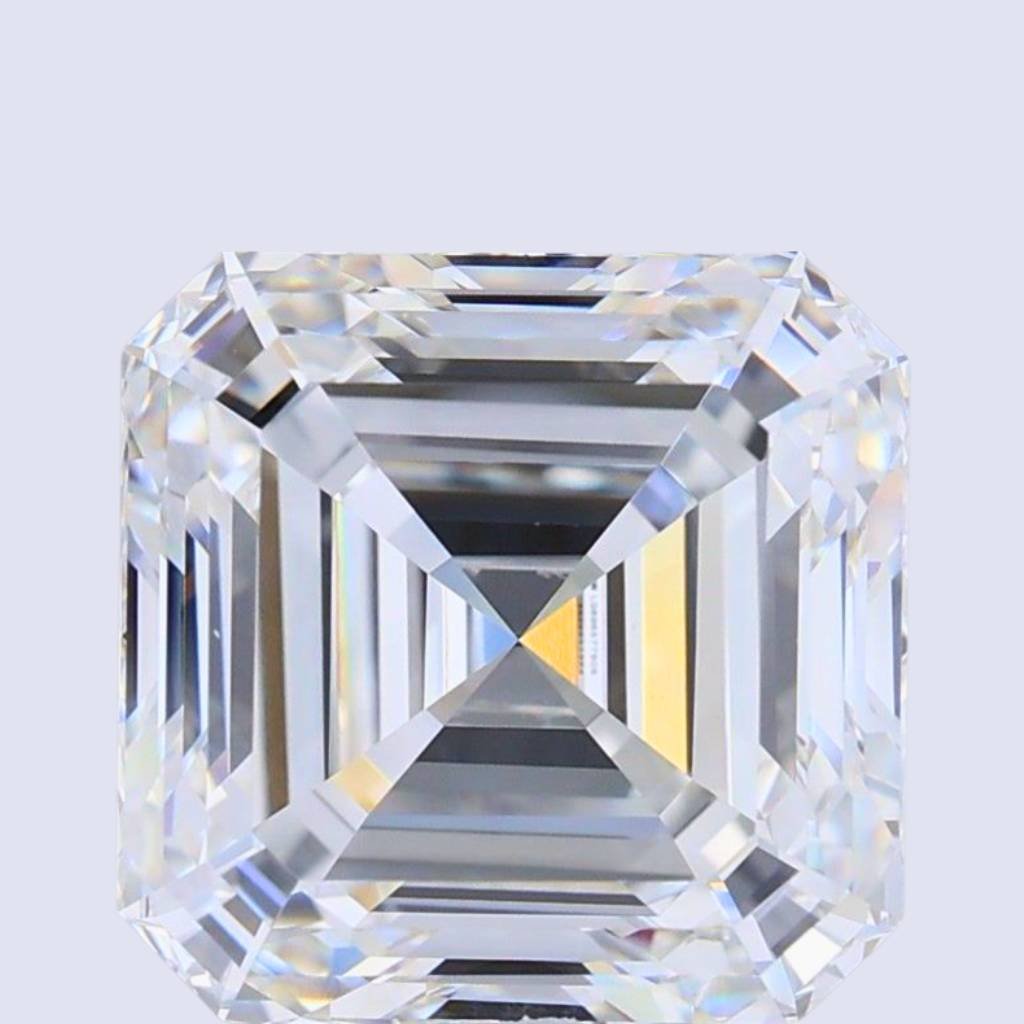
Square Emerald Lab Grown Diamonds
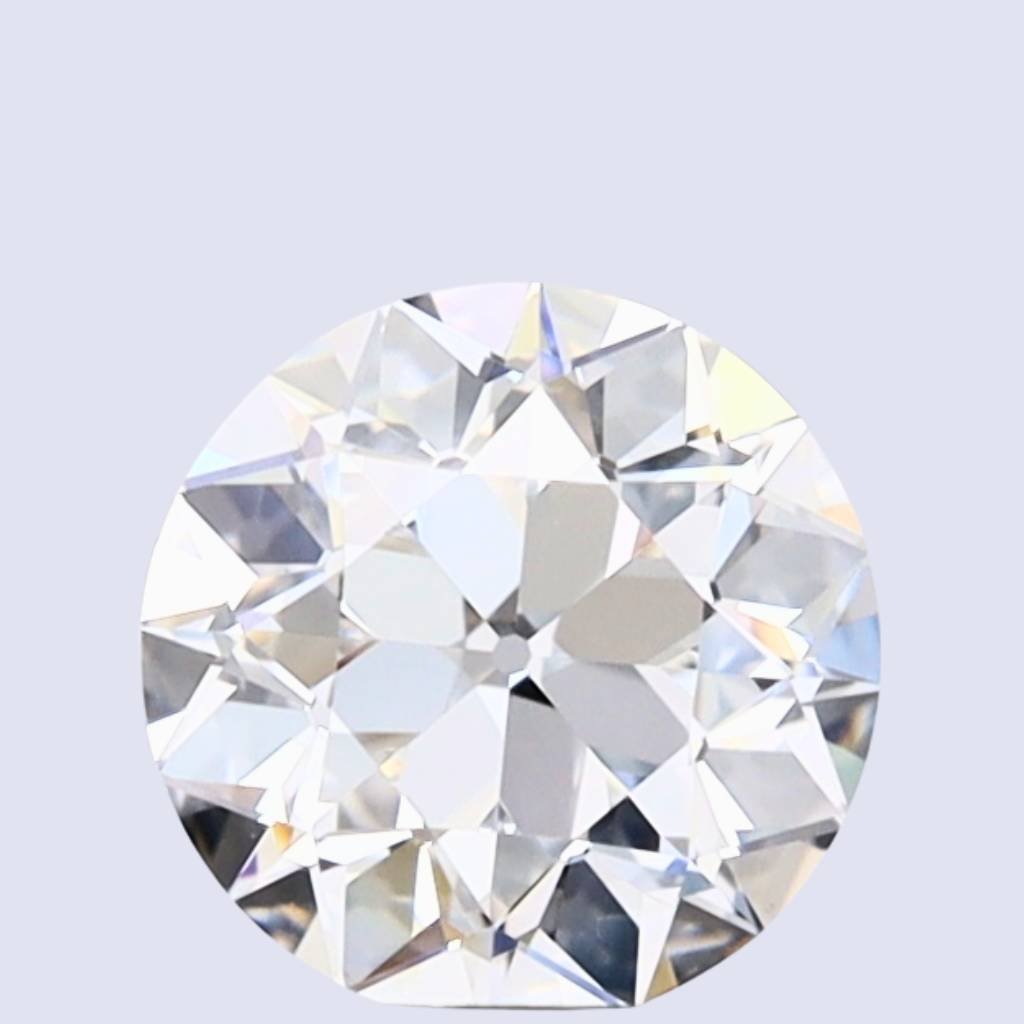
European Cut Lab Grown Diamonds
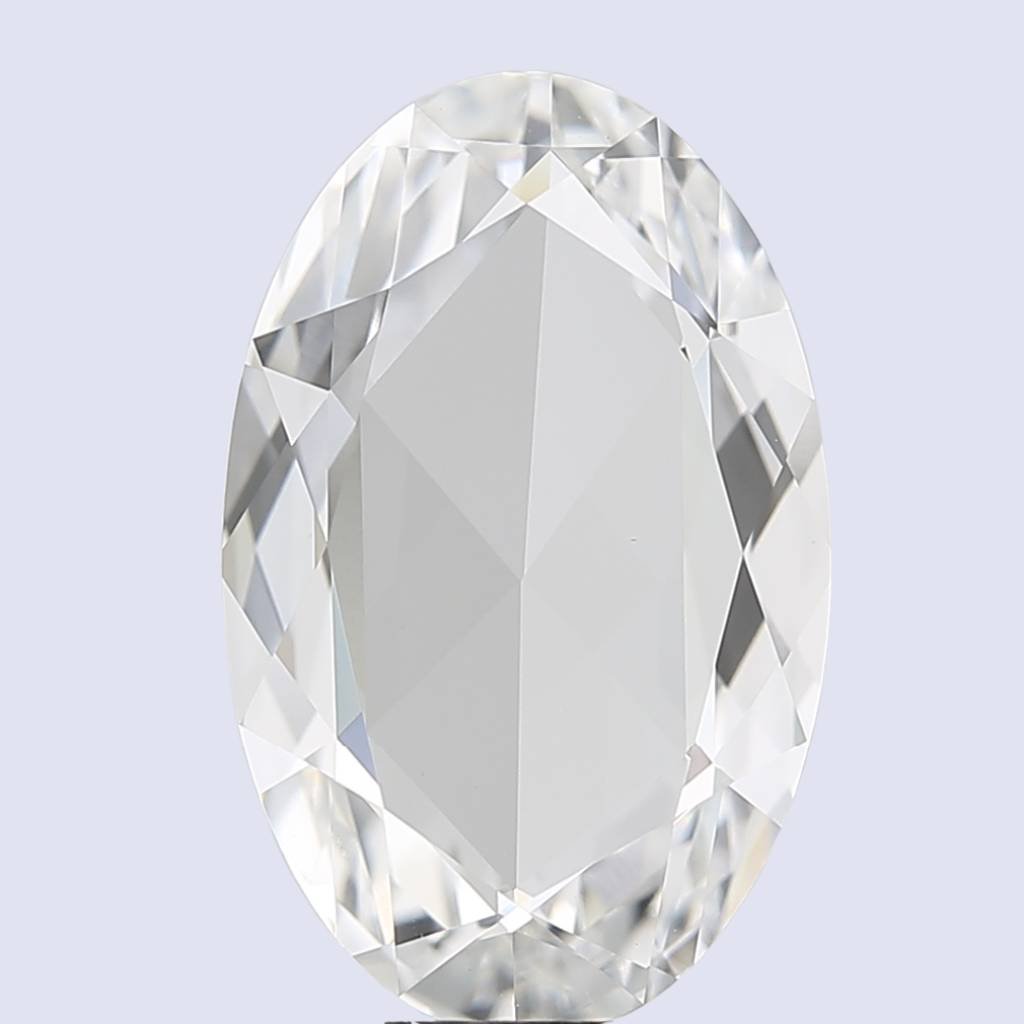
Rose Cut Lab Grown Diamonds
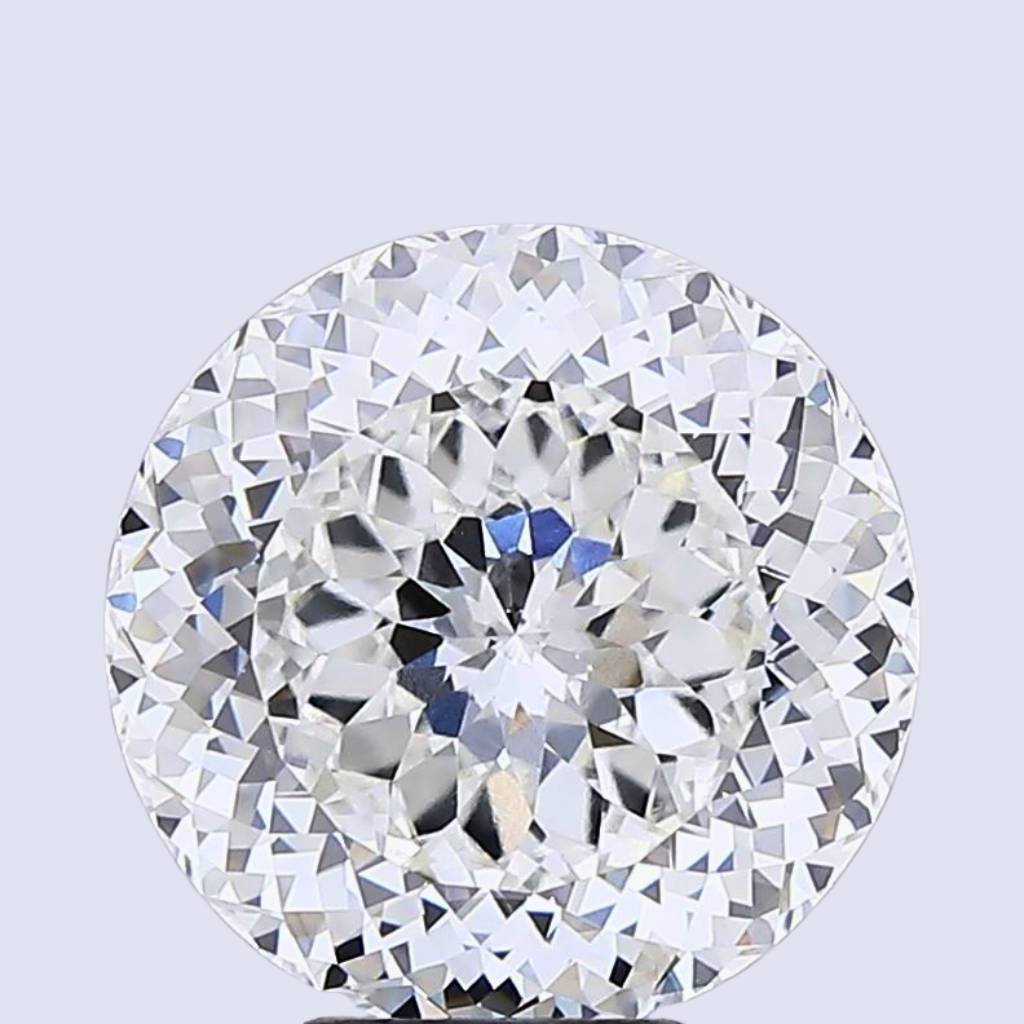
Portugese Lab Grown Diamonds
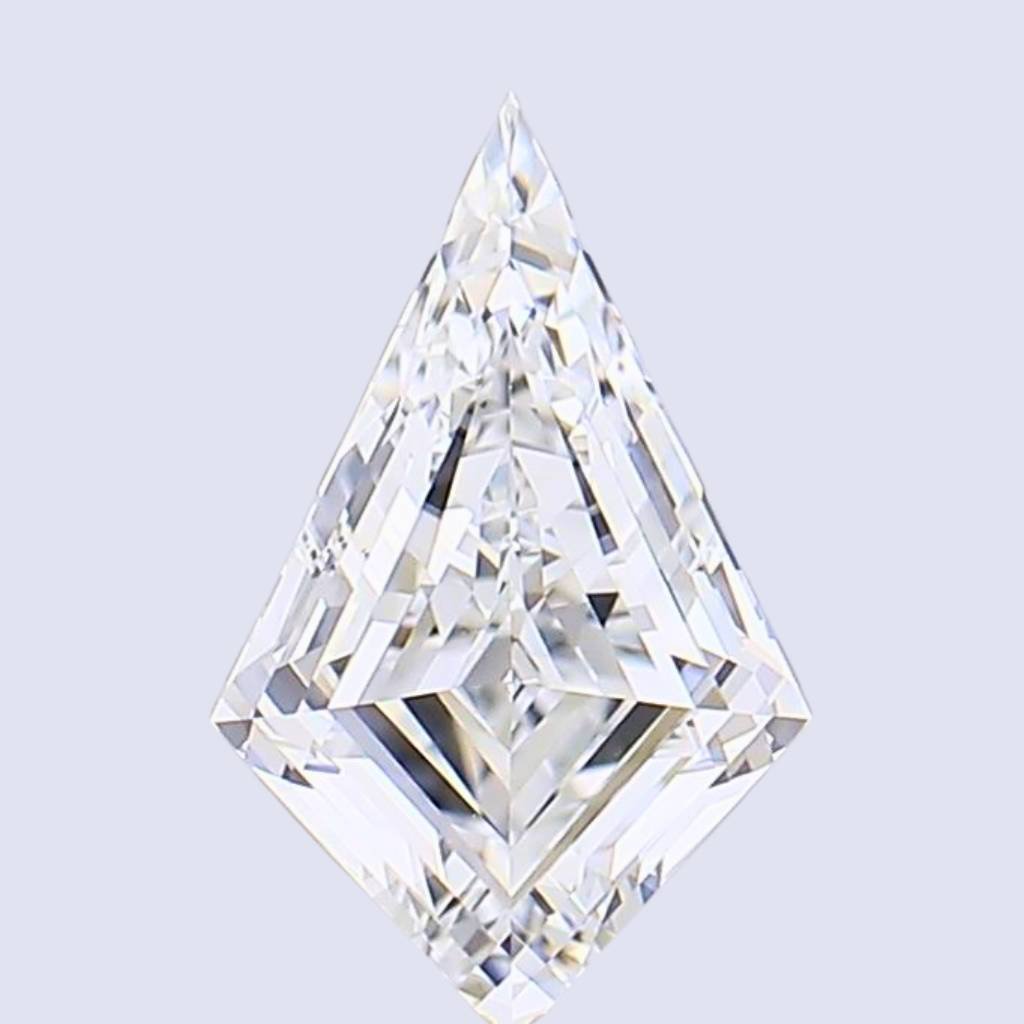
Kite Lab Grown Diamonds
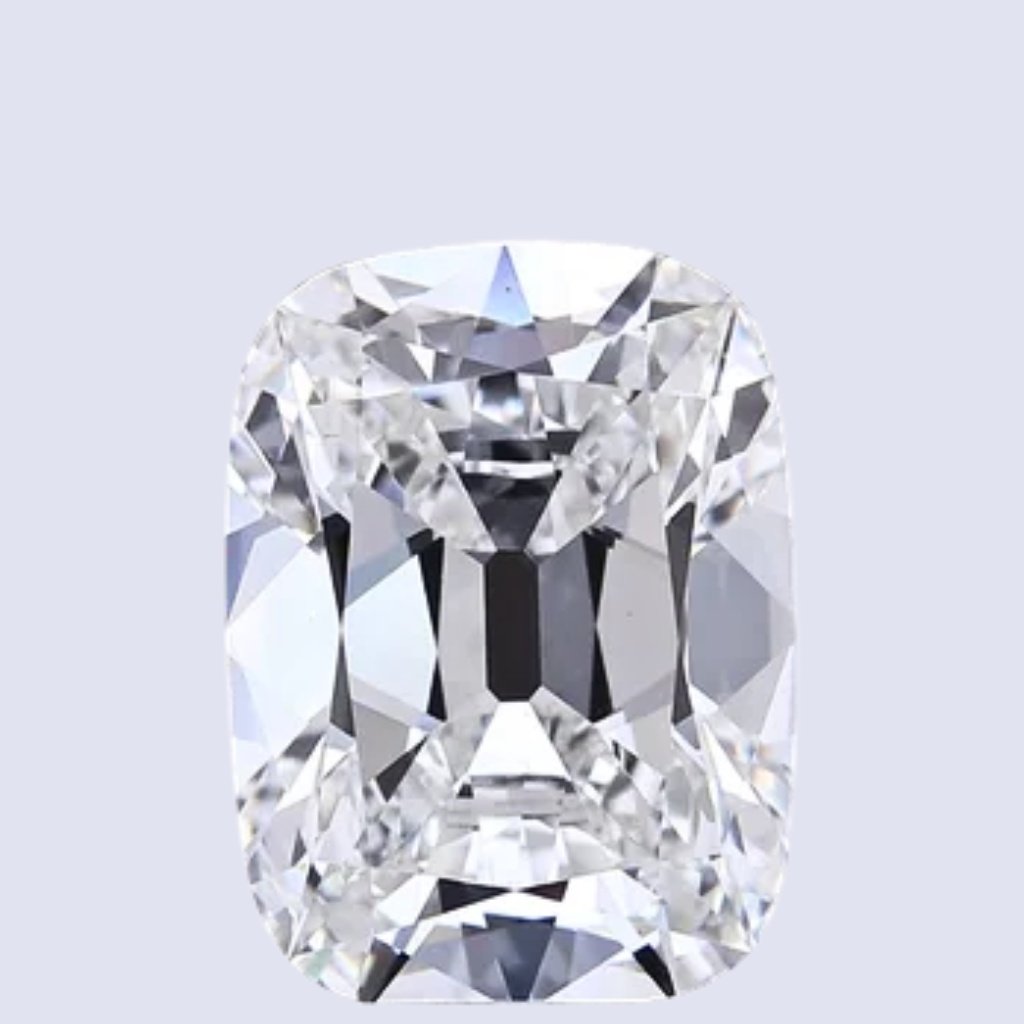
Old Miner Lab Grown Diamonds
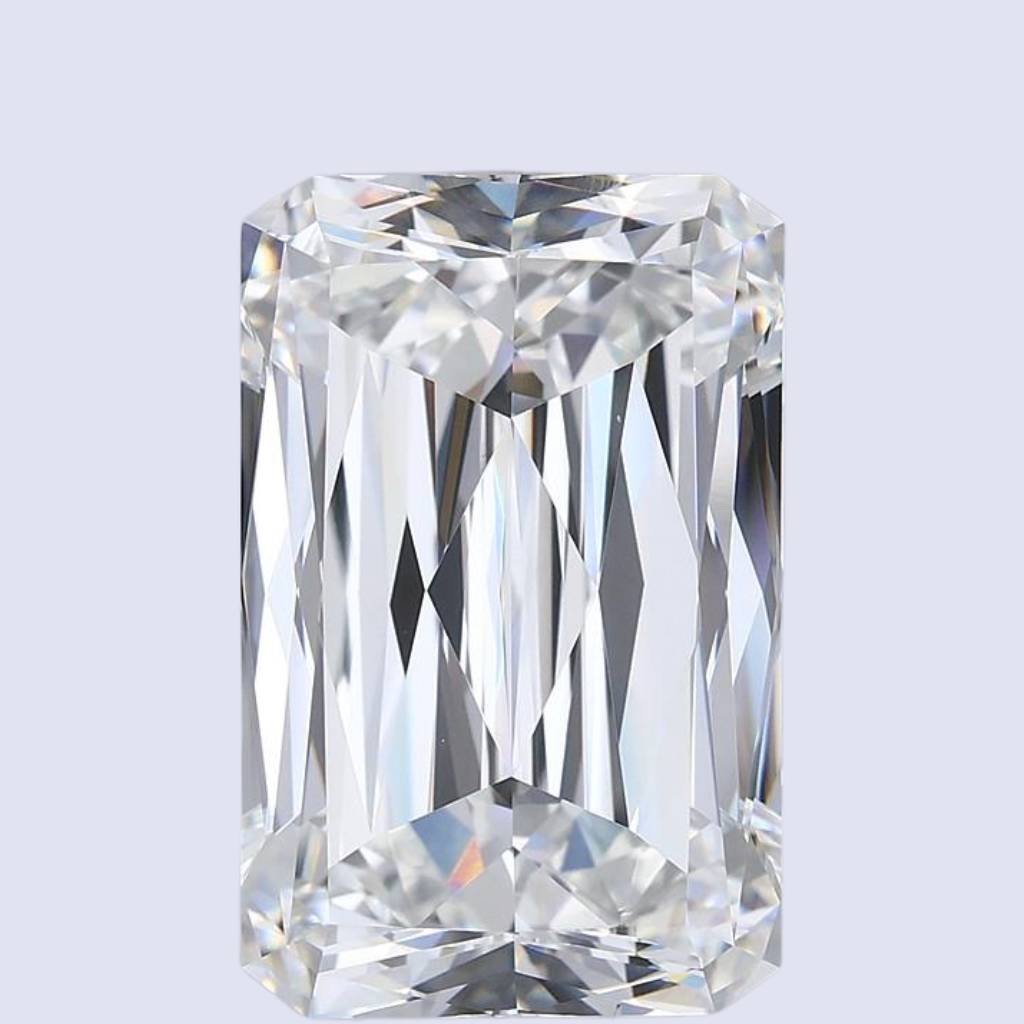
Ashoka Lab Grown Diamonds
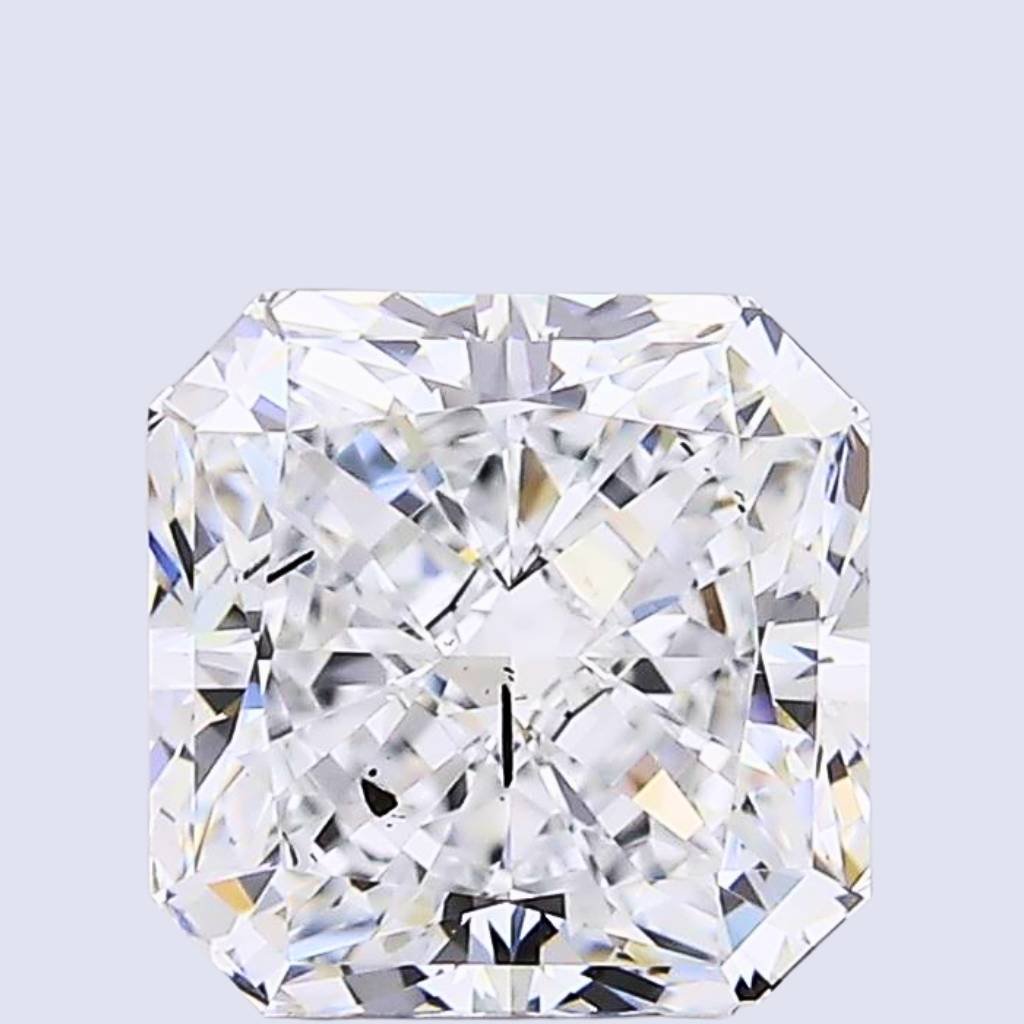
Square Radiant Lab Grown Diamonds
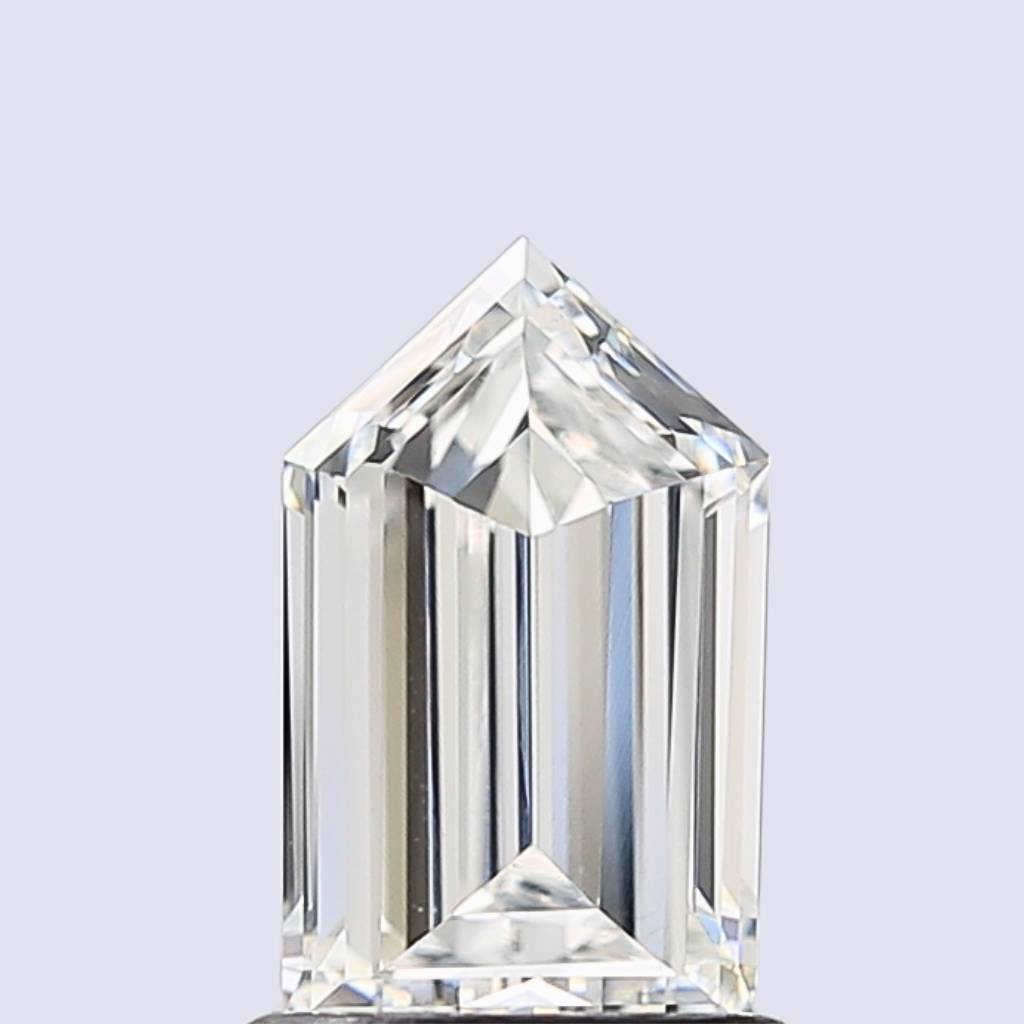
Pentagonal Lab Grown Diamonds
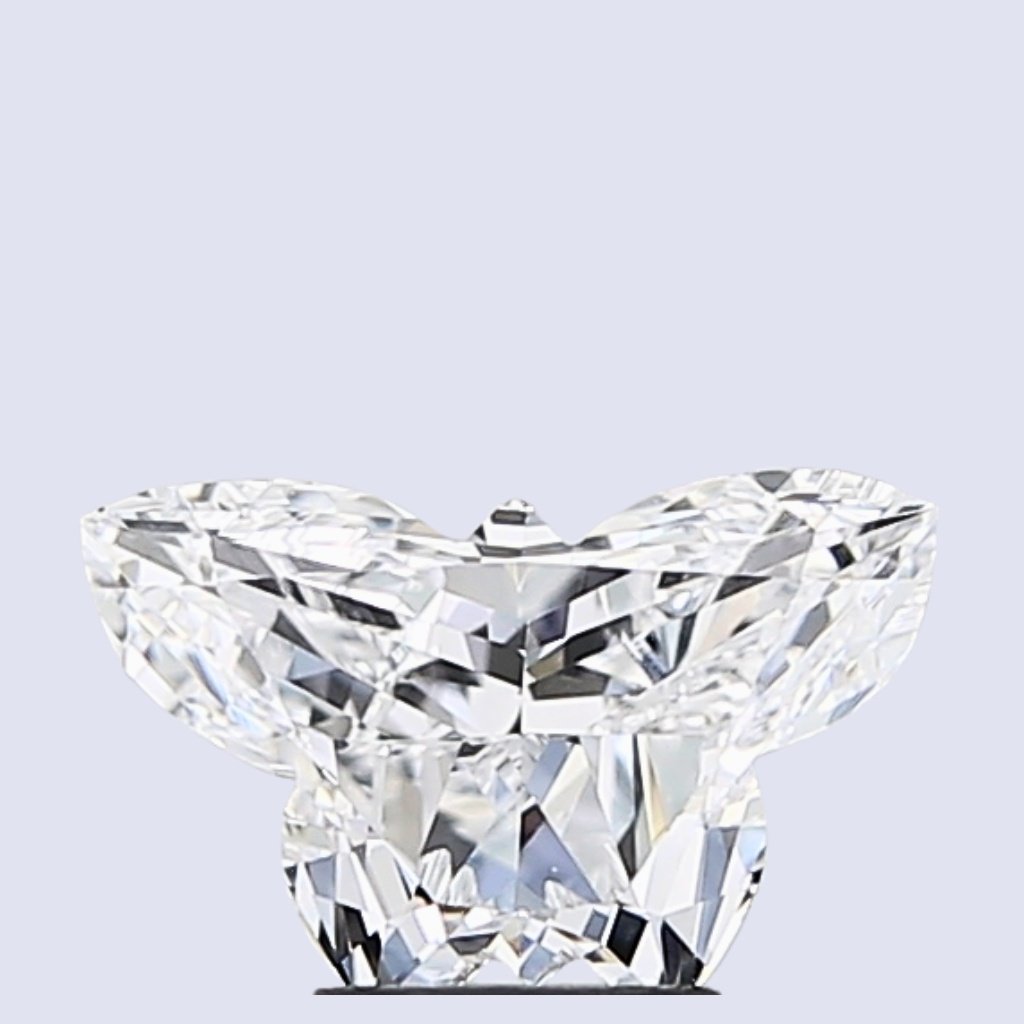
Other Shapes Lab Grown Diamonds
Fancy Colored Diamonds
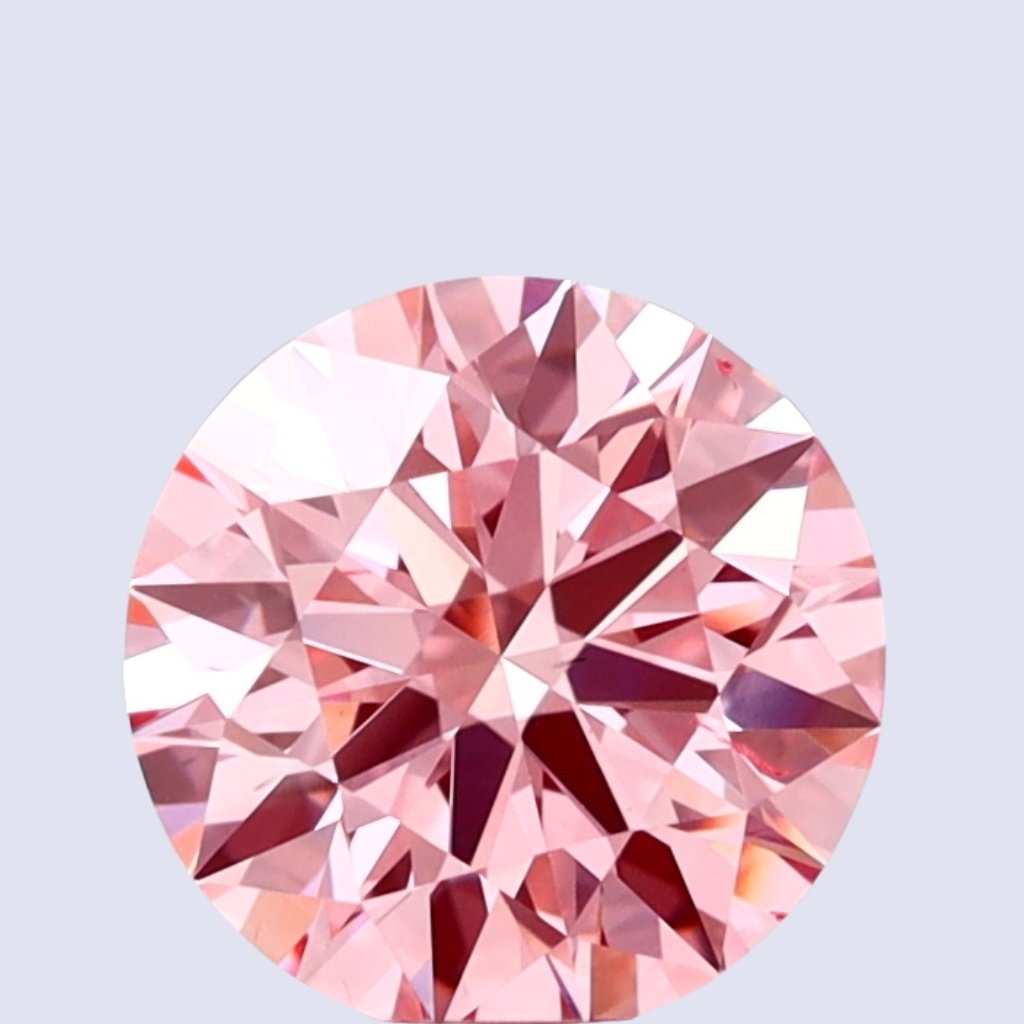
Round Pink Lab Grown Diamond
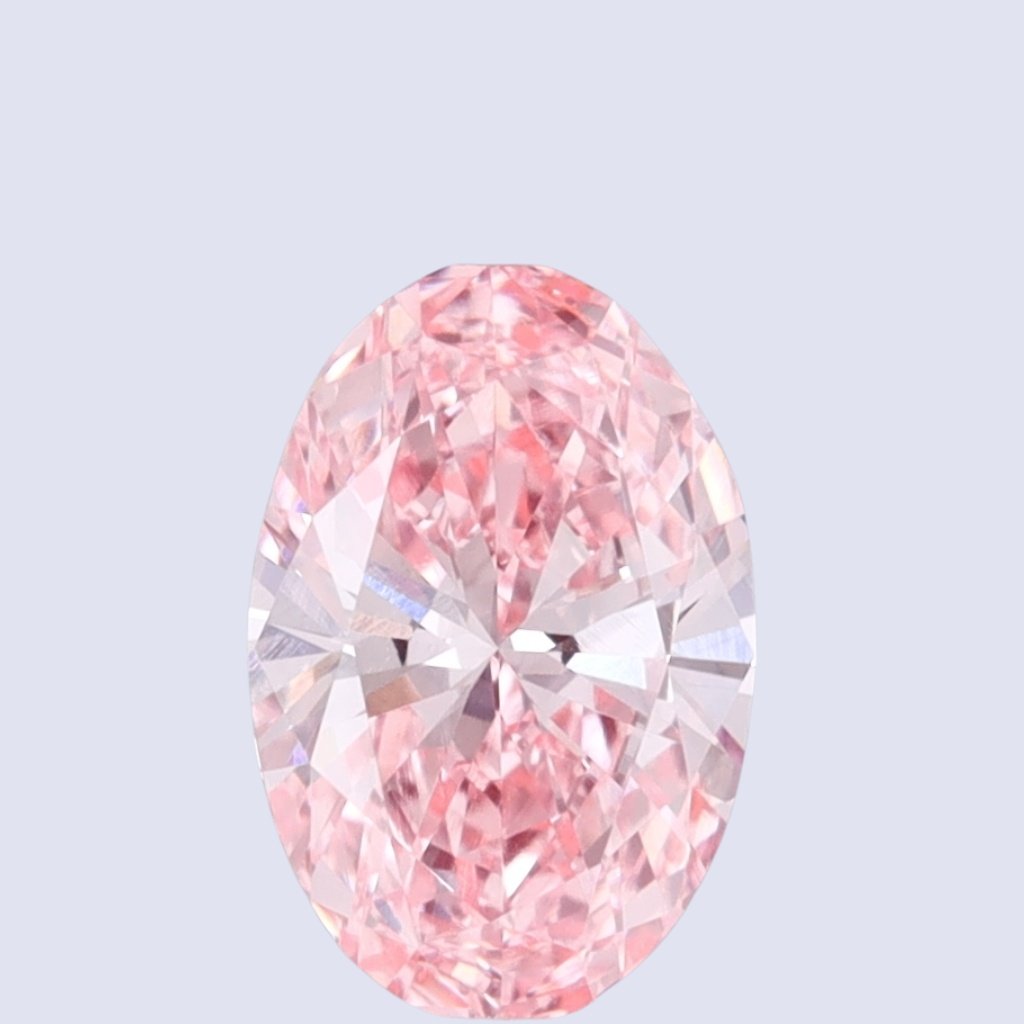
Oval Pink Lab Grown Diamond
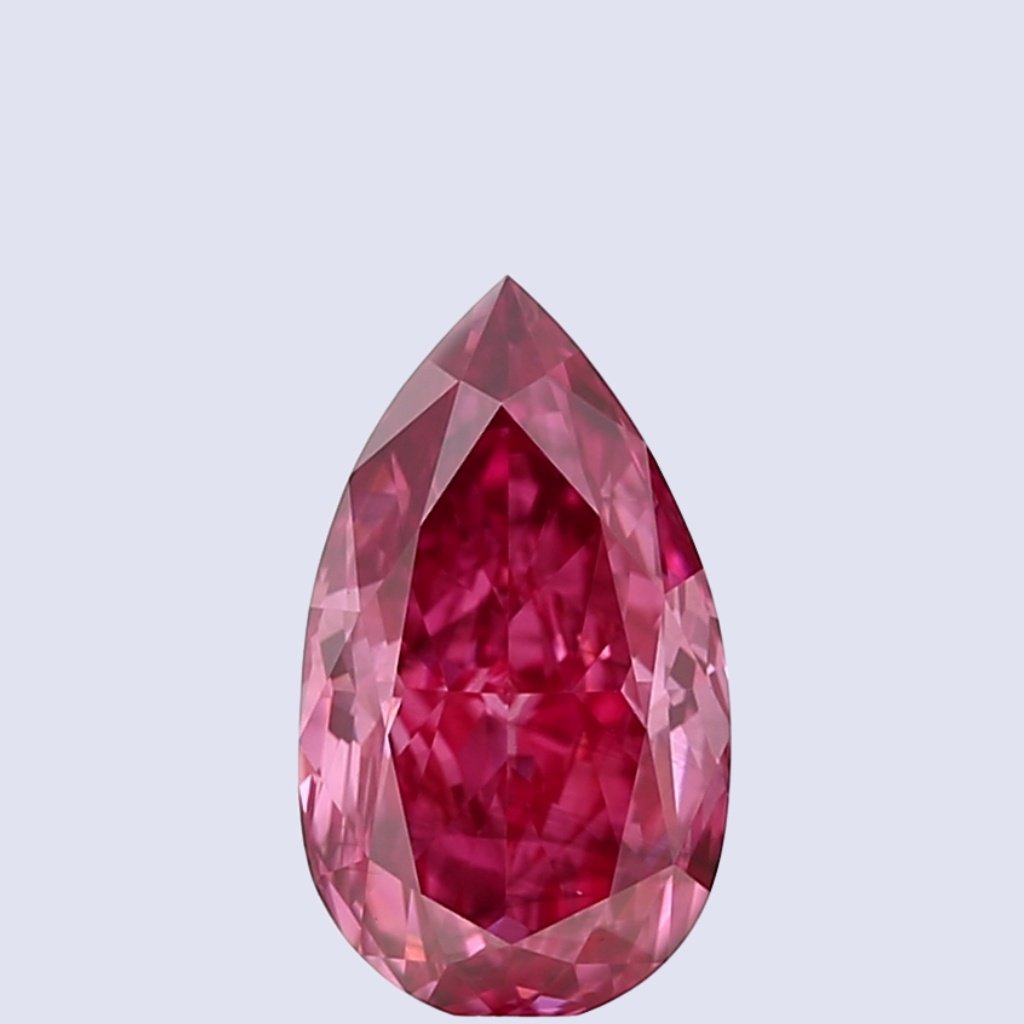
Pear Pink Lab Grown Diamond
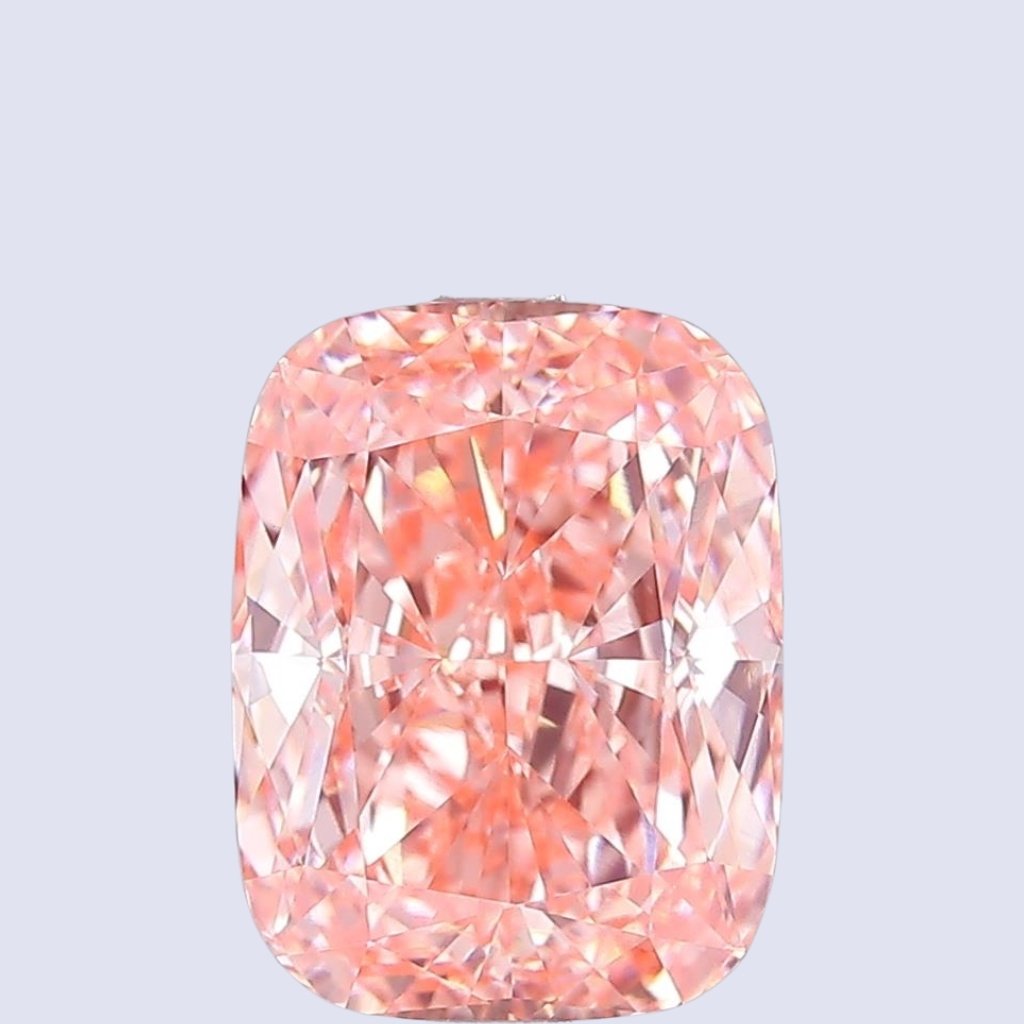
Cushion Pink Lab Grown Diamond
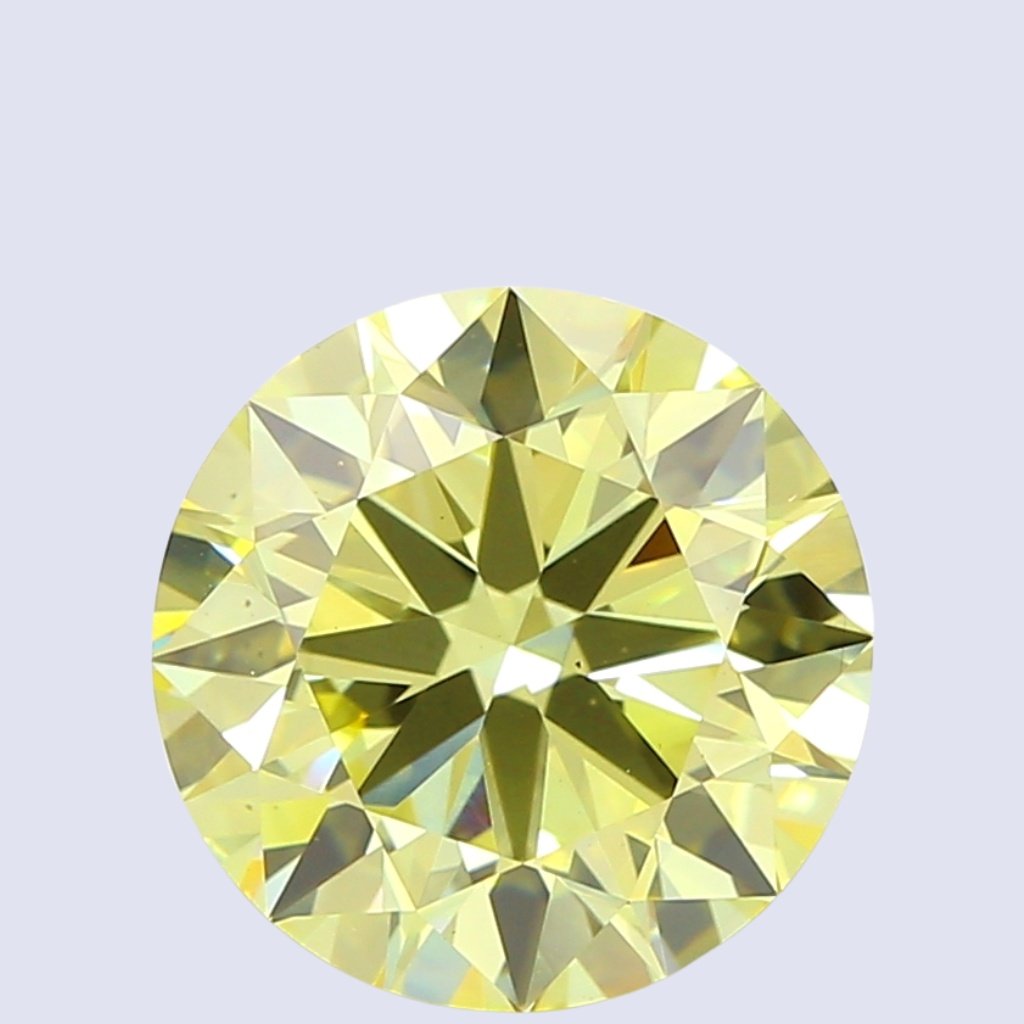
Round Yellow Lab Grown Diamond
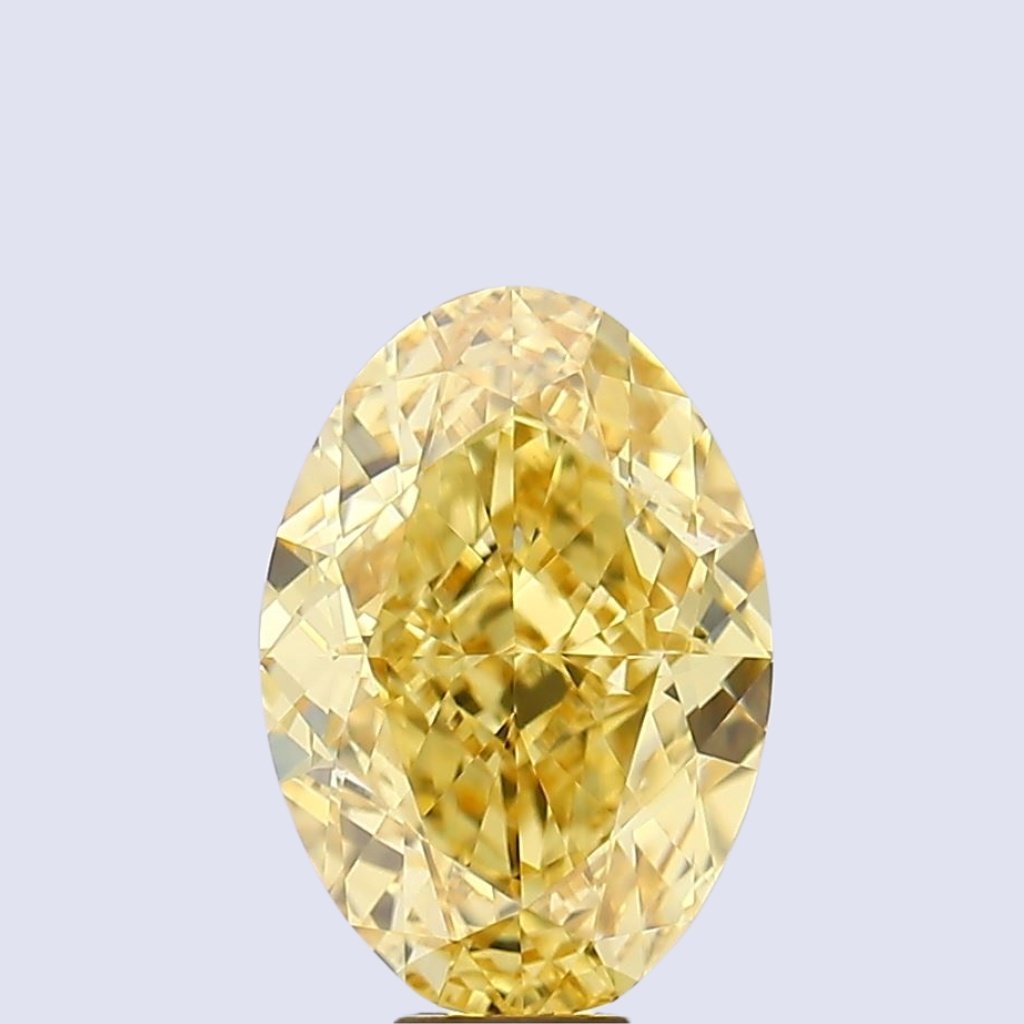
Oval Yellow Lab Grown Diamond
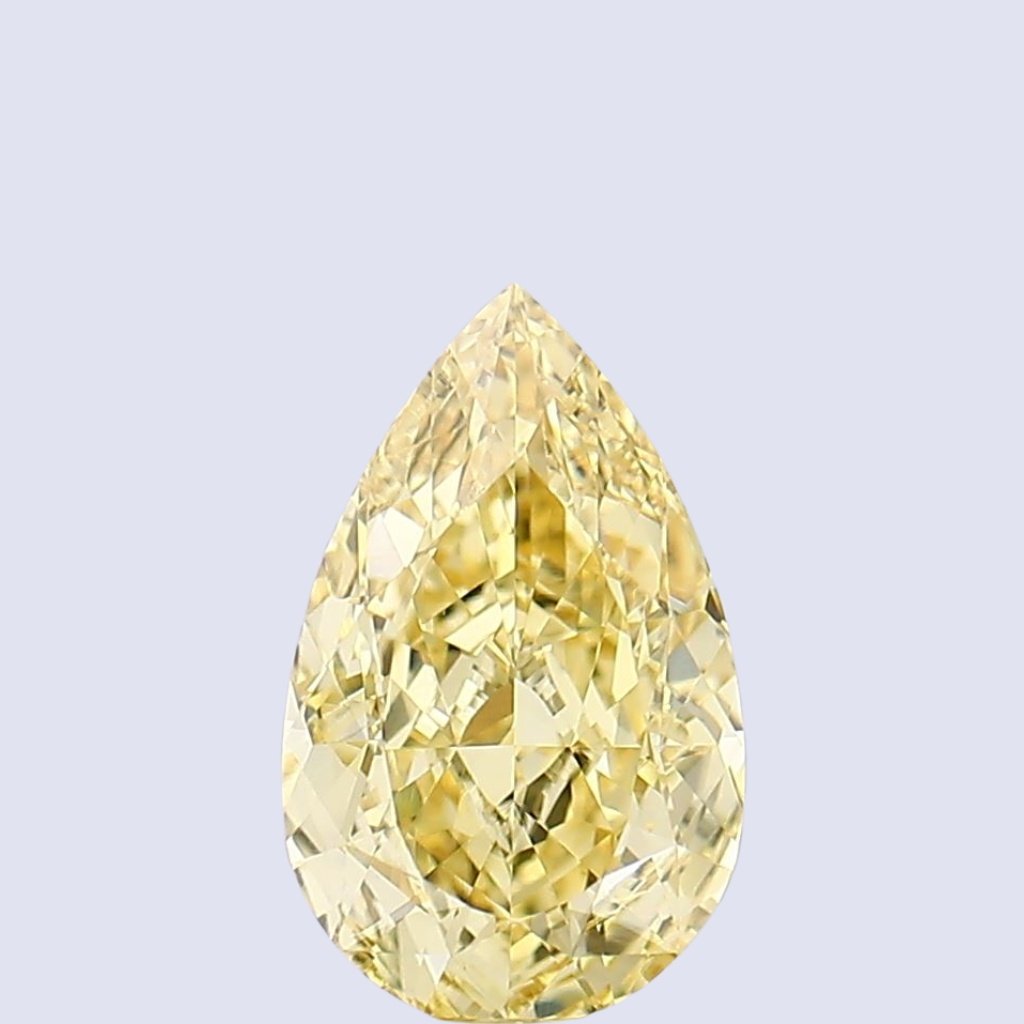
Pear Yellow Lab Grown Diamond
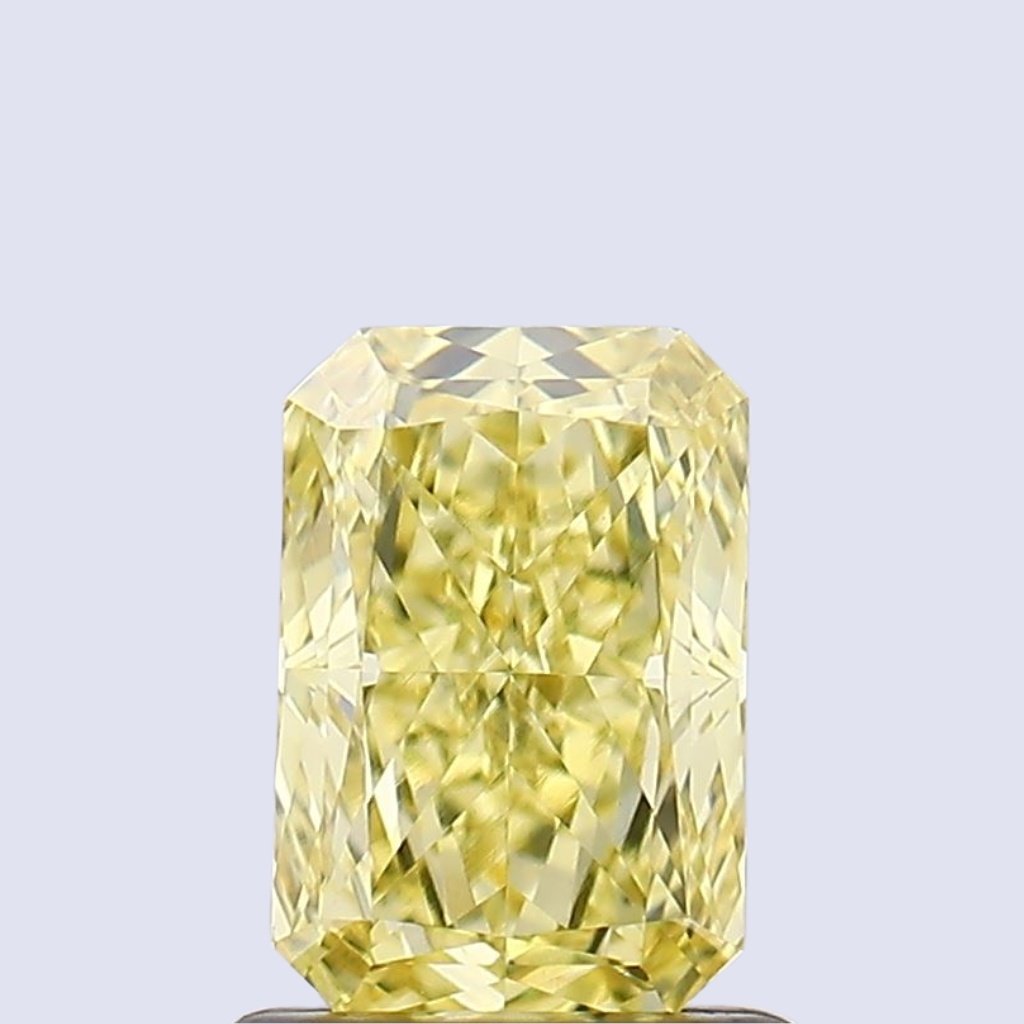
Cushion Yellow Lab Grown Diamond
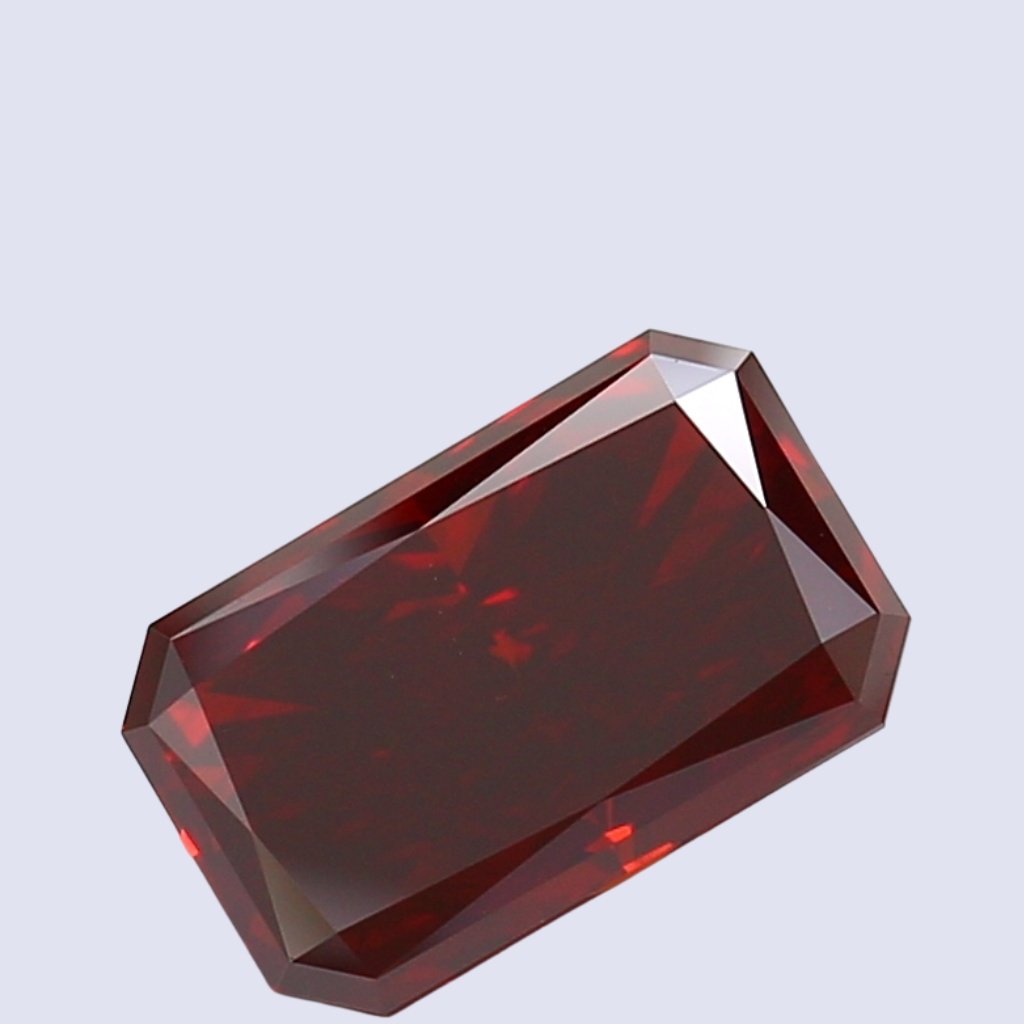
Radiant Brown Lab Grown Diamond
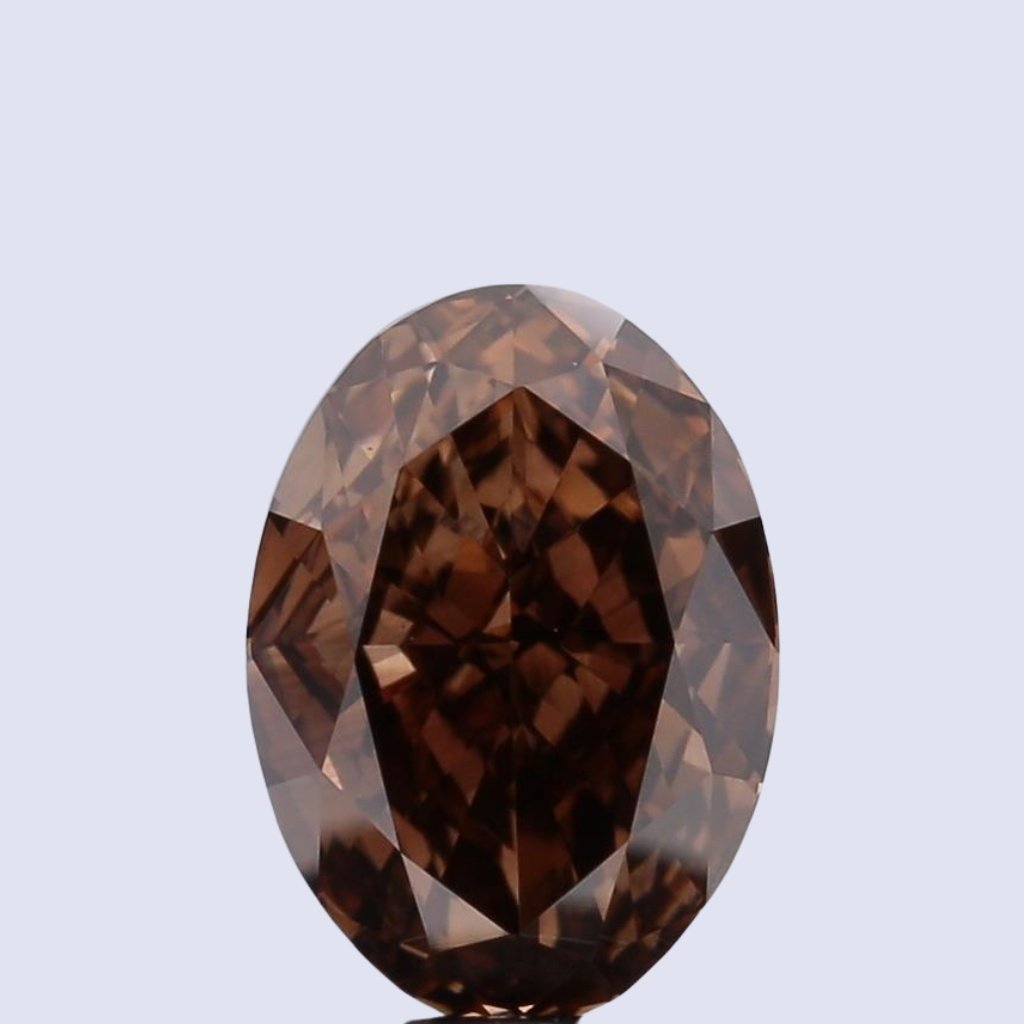
Oval Brown Lab Grown Diamond
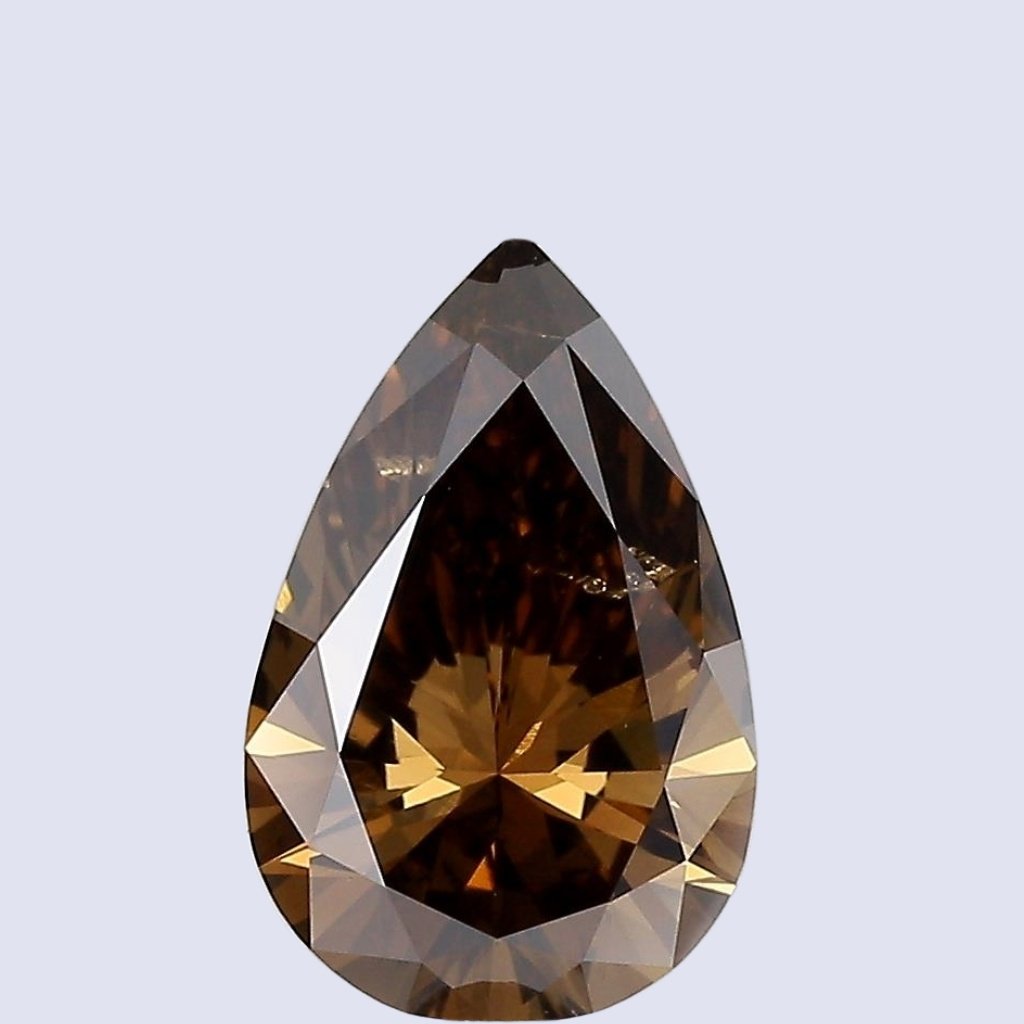
Pear Brown Lab Grown Diamond
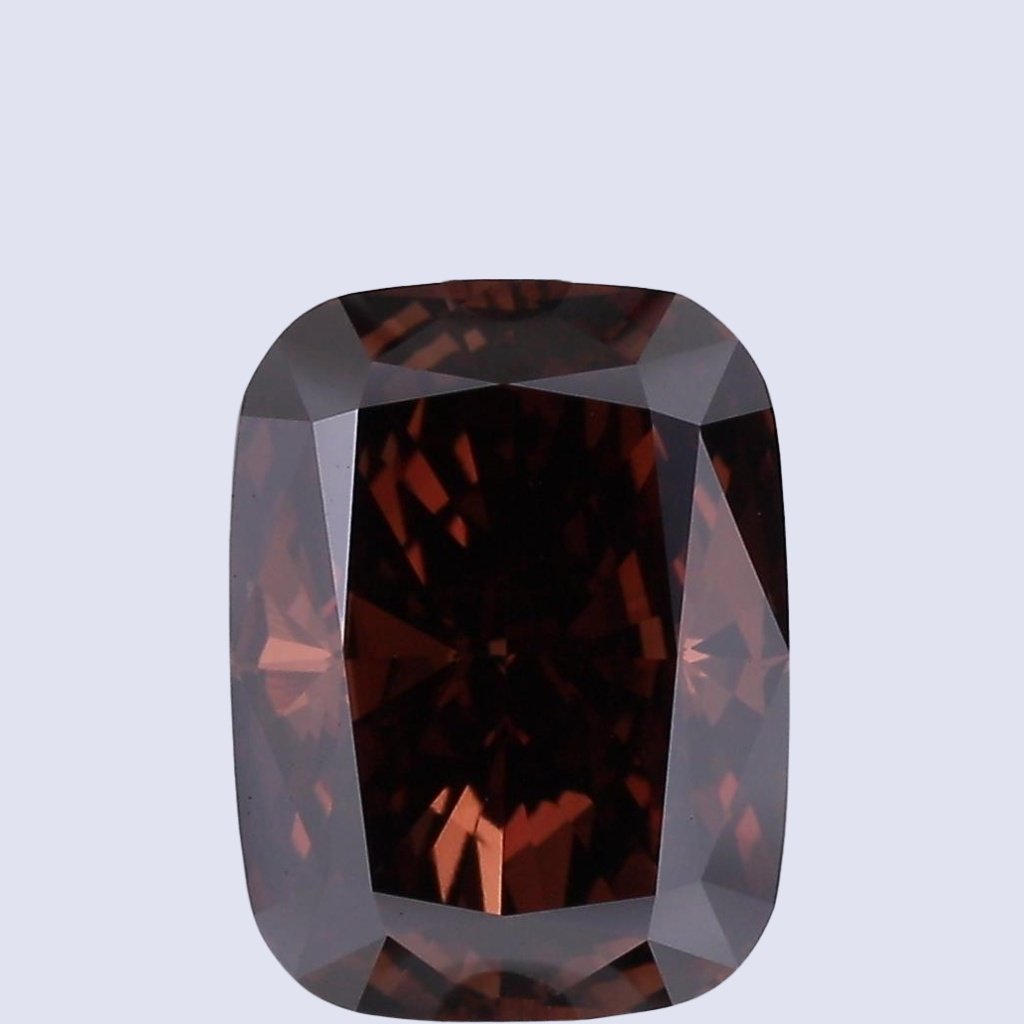
Cushion Brown Lab Grown Diamond
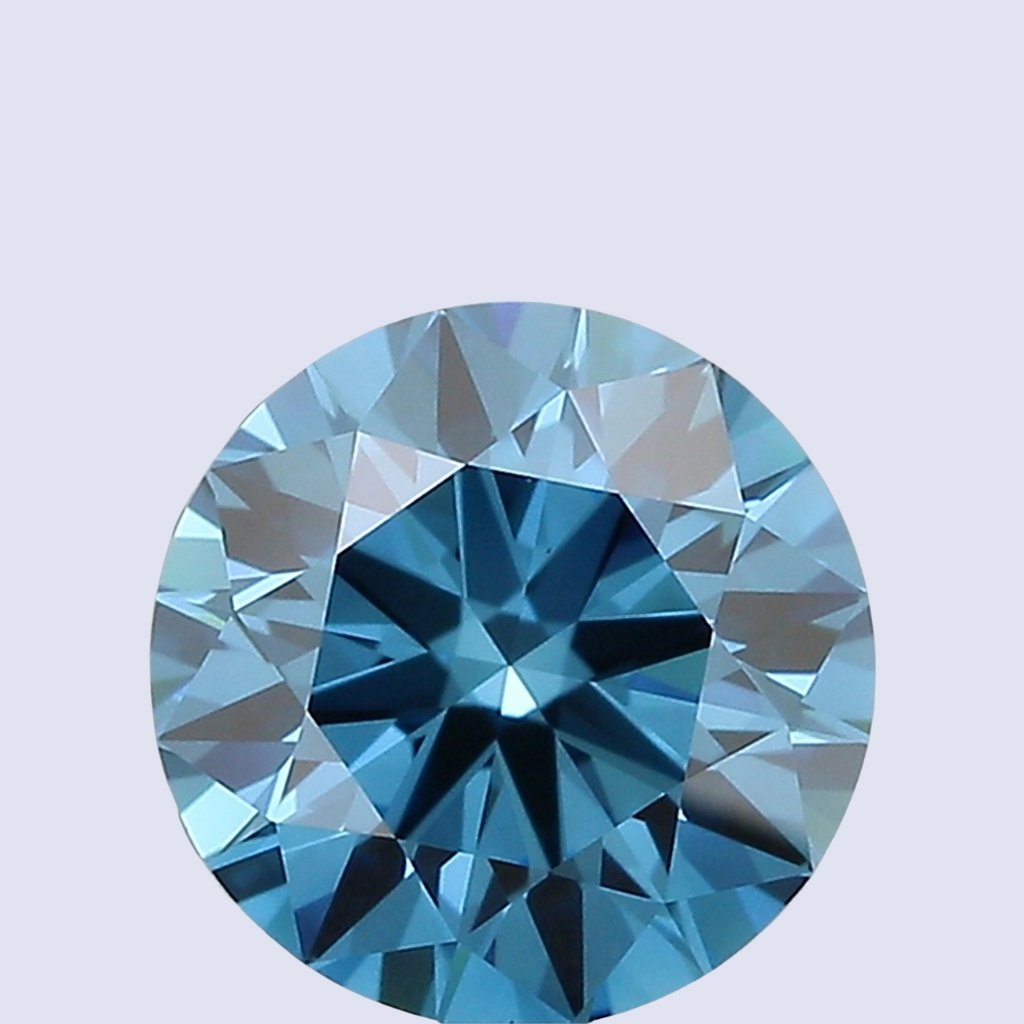
Round Blue Lab Grown Diamond
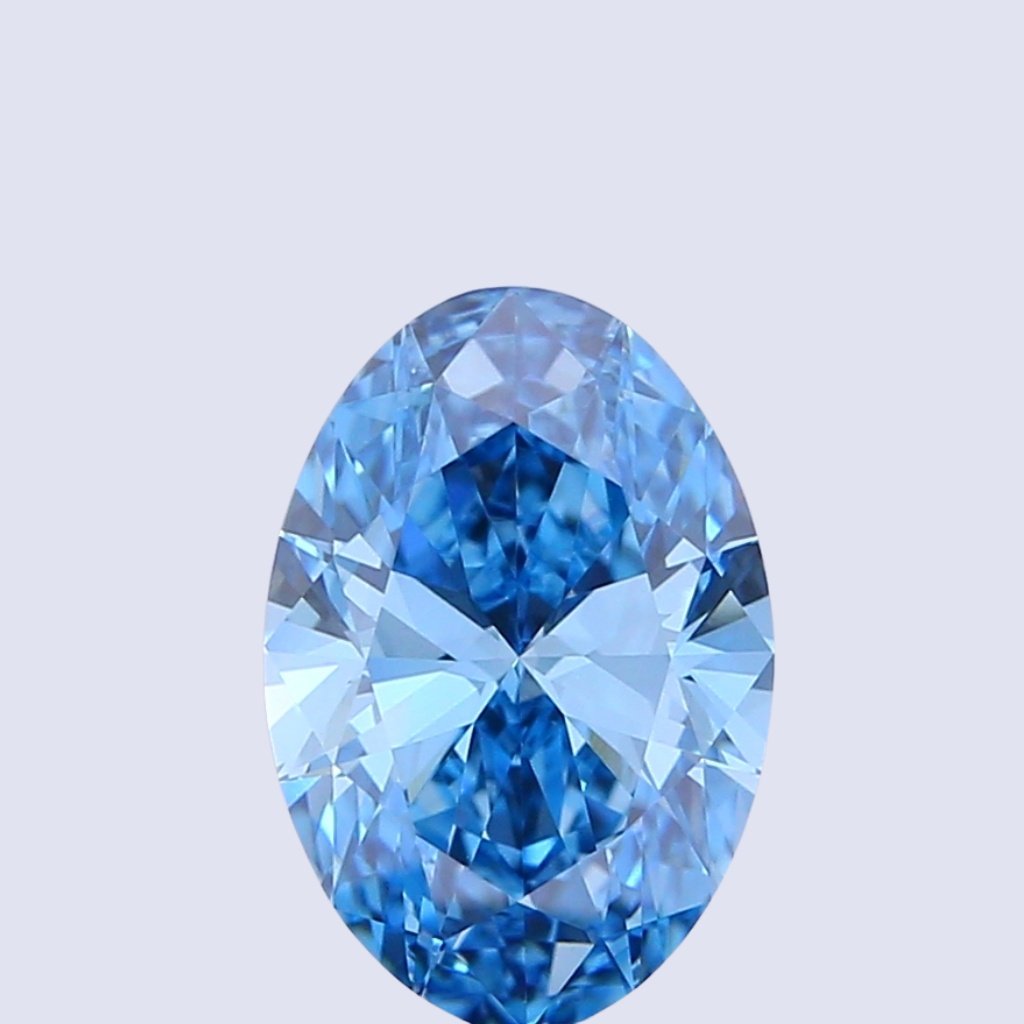
Oval Blue Lab Grown Diamond
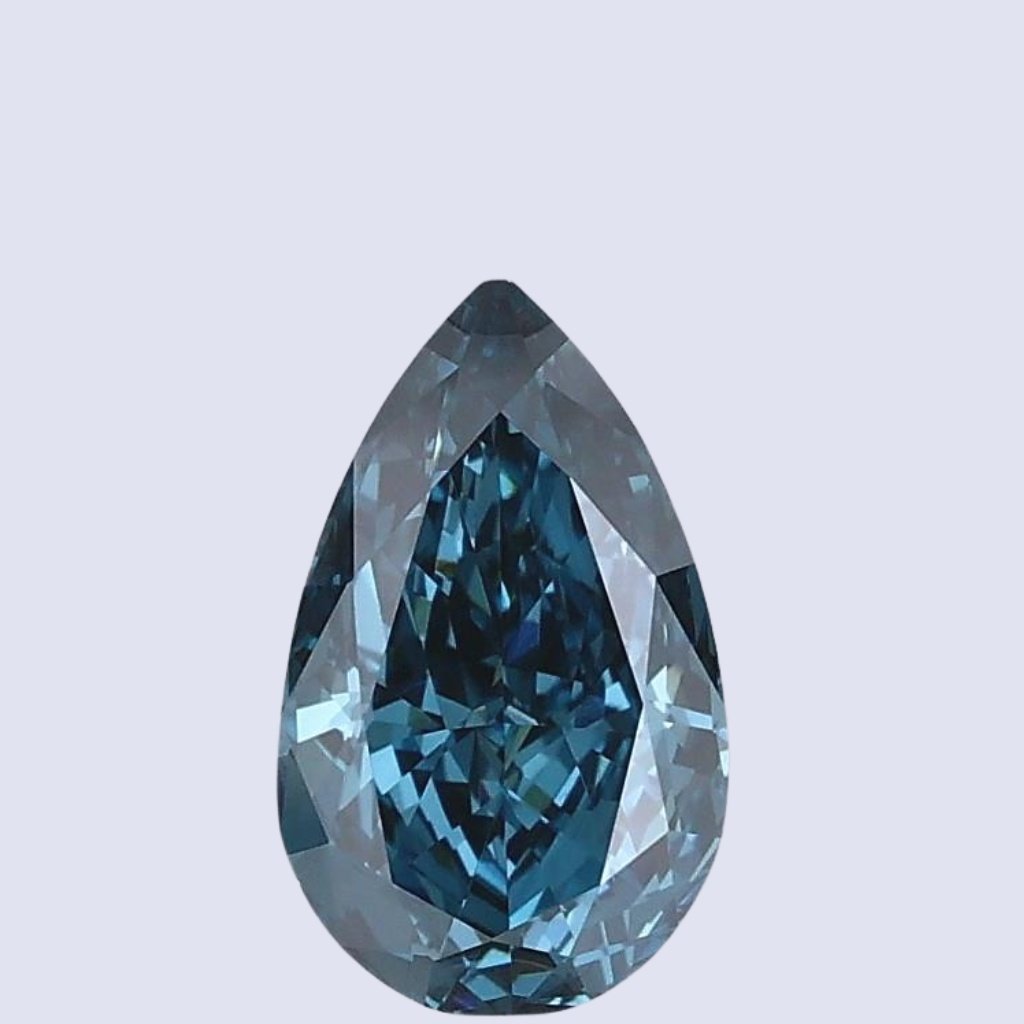
Pear Blue Lab Grown Diamond
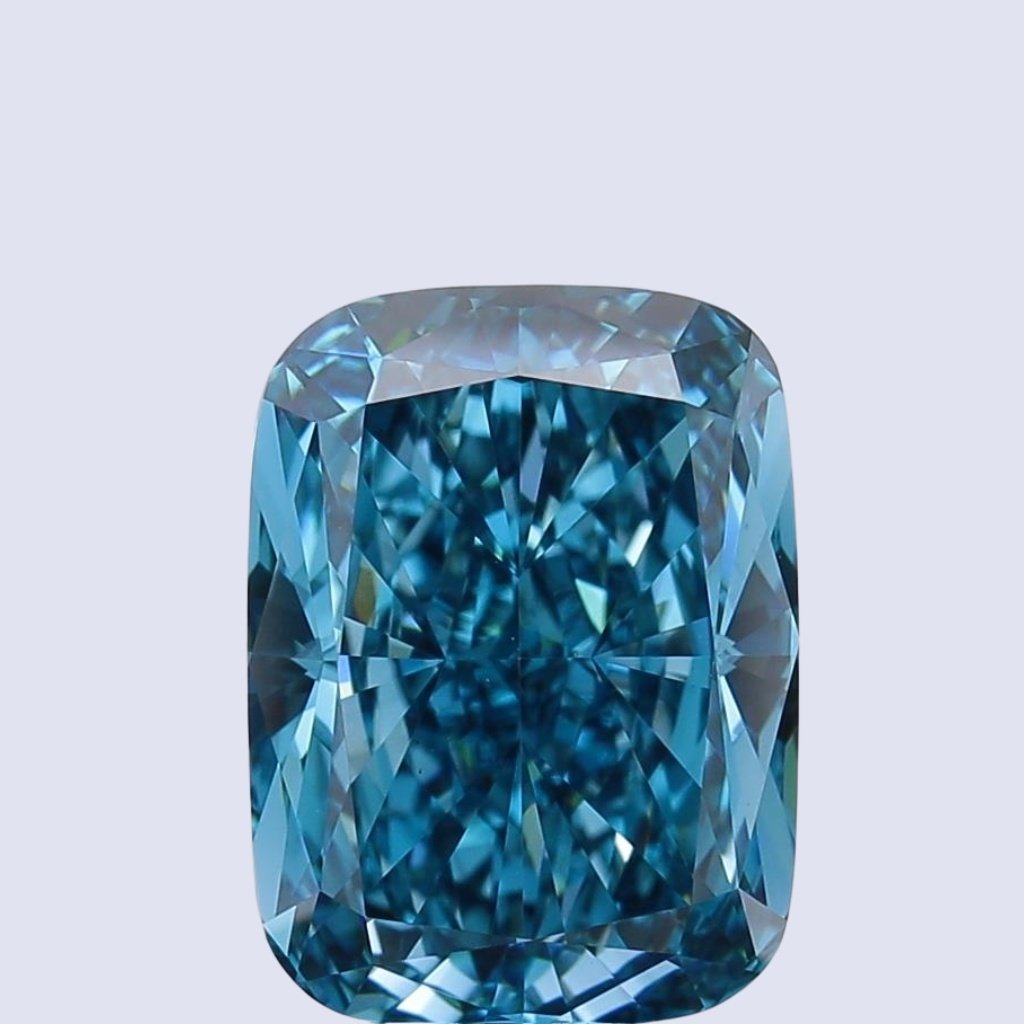
Cushion Blue Lab Grown Diamond
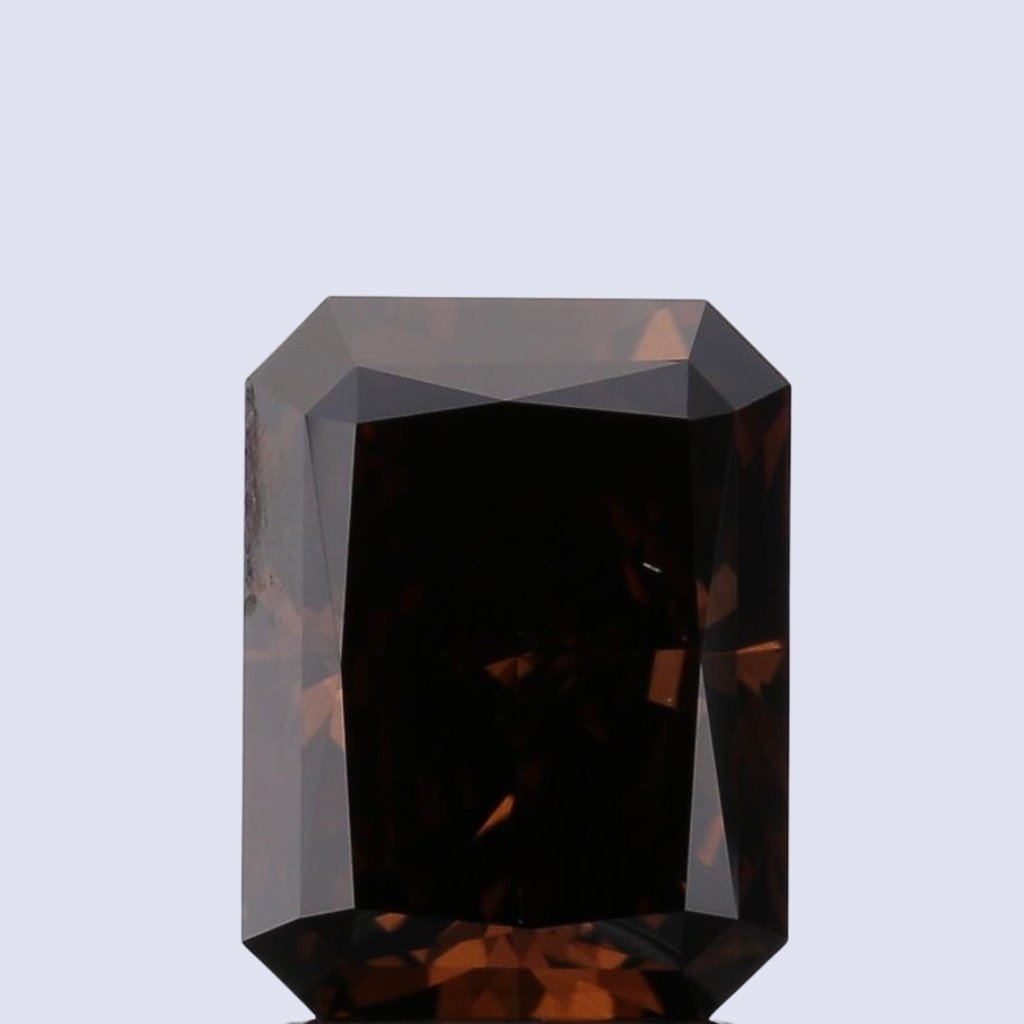
Radiant Orange Lab Grown Diamond
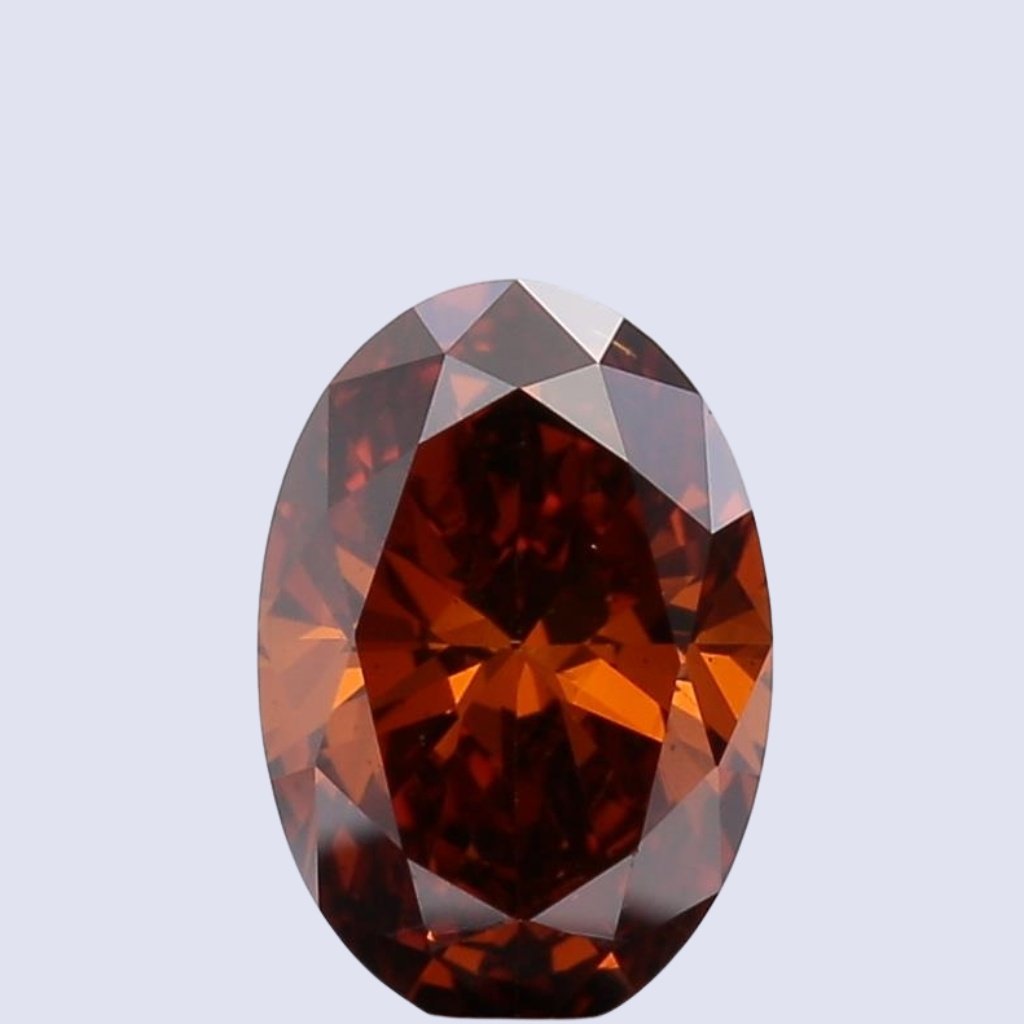
Oval Orange Lab Grown Diamond
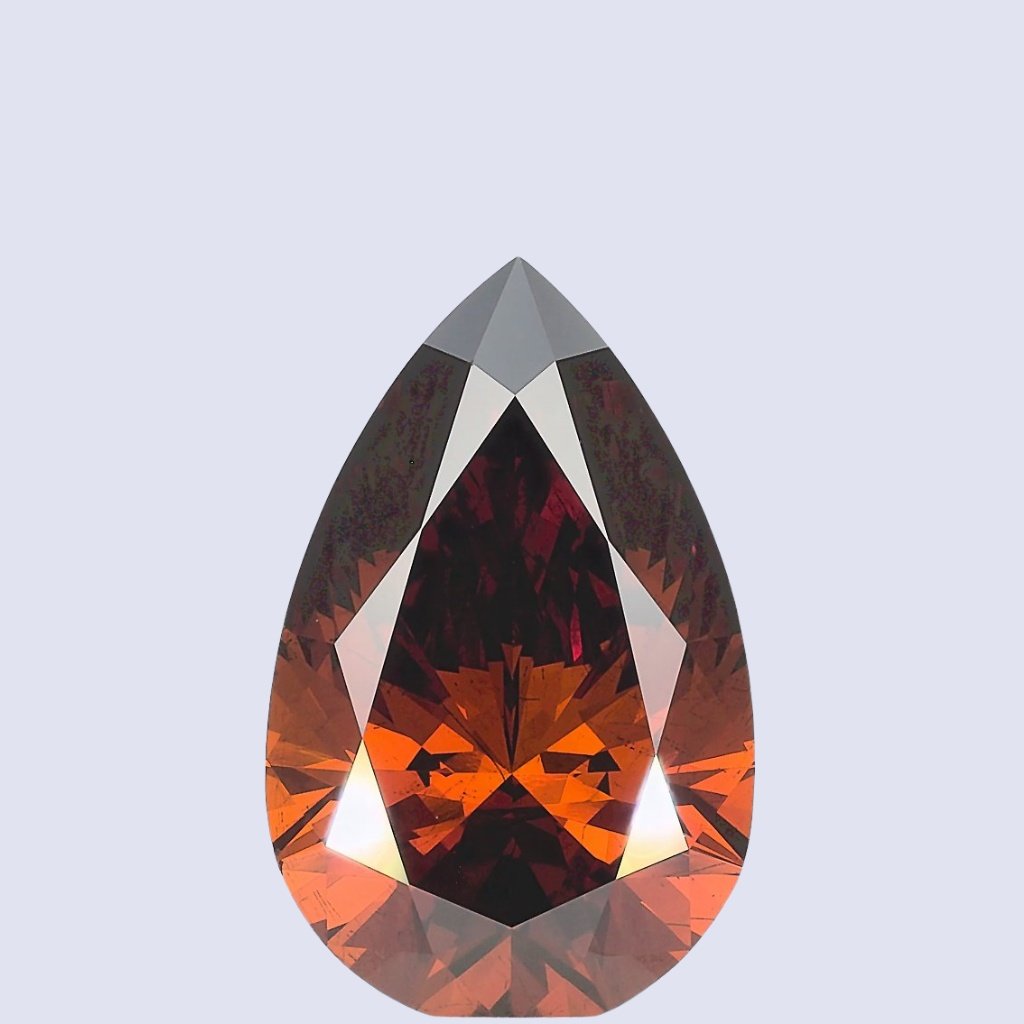
Pear Orange Lab Grown Diamond
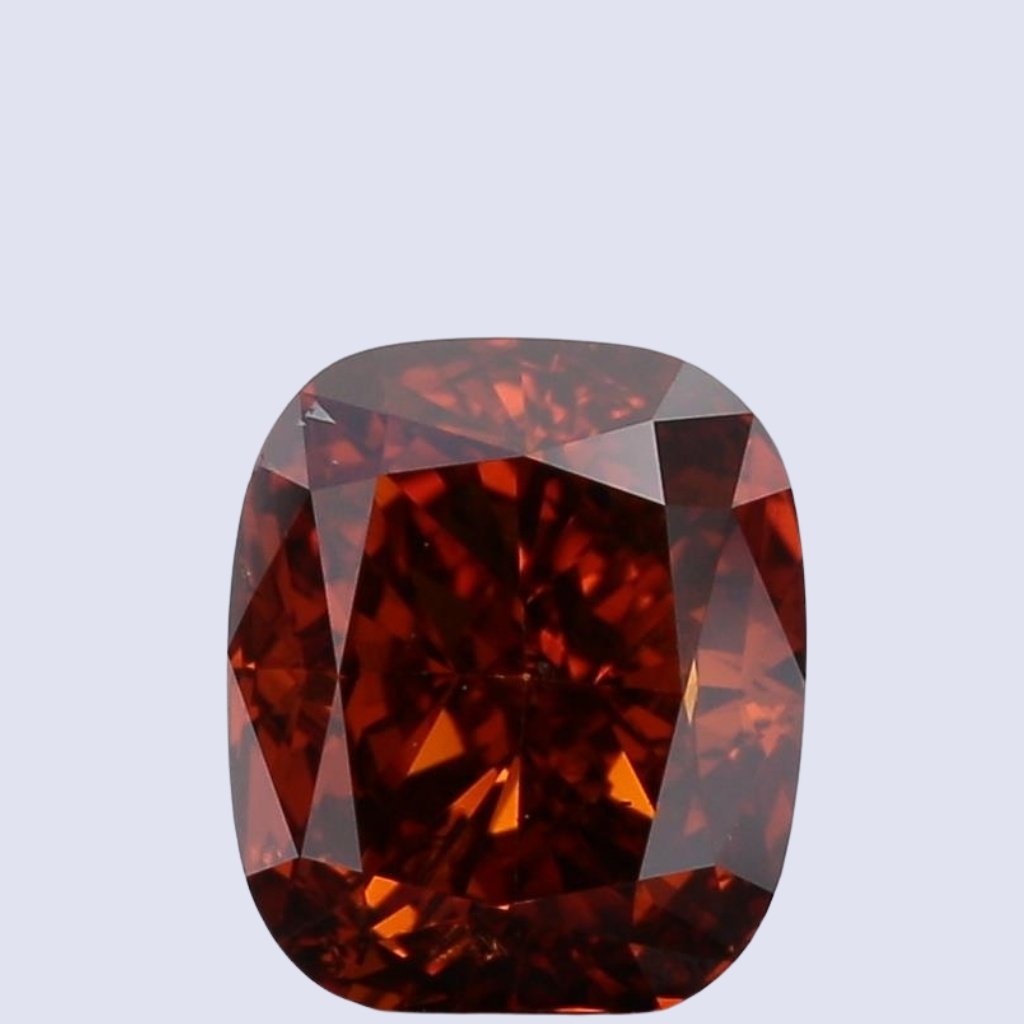
Cushion Orange Lab Grown Diamond
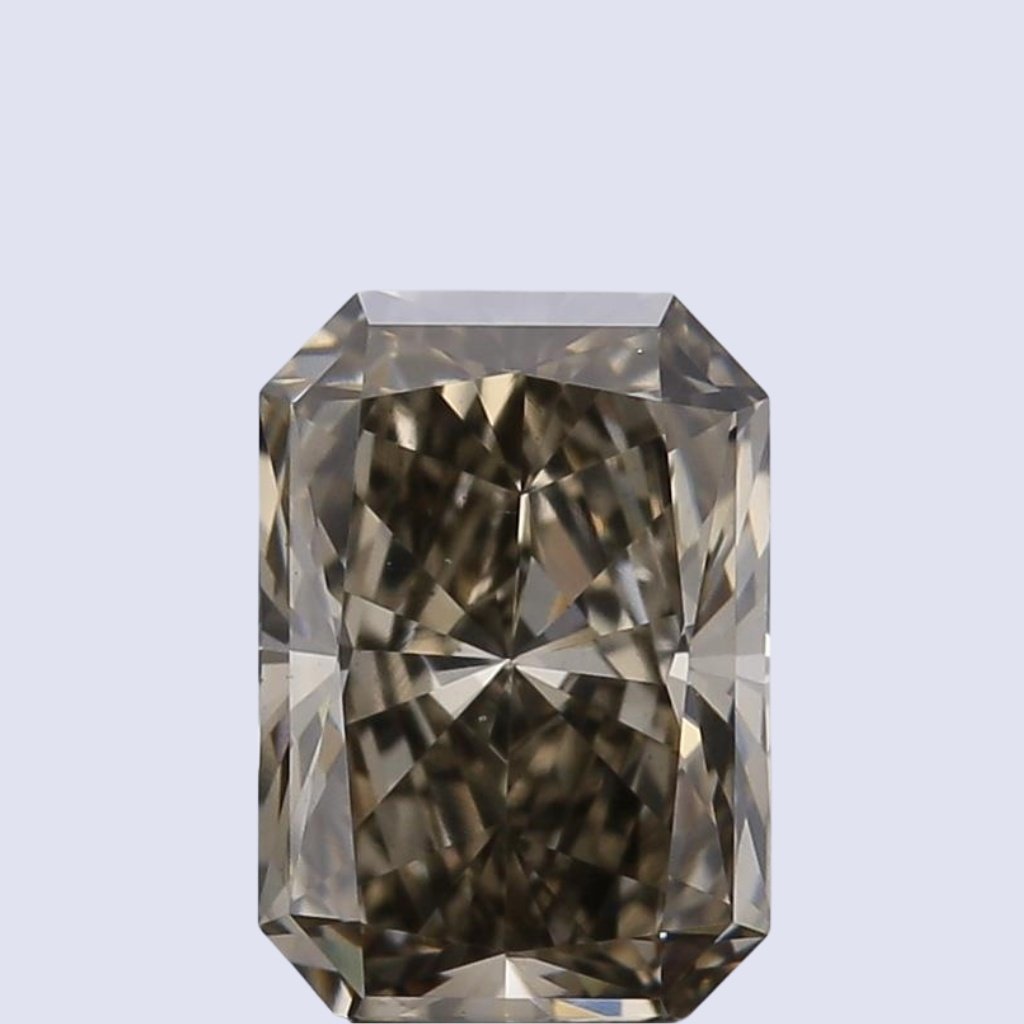
Radiant Grey Lab Grown Diamond
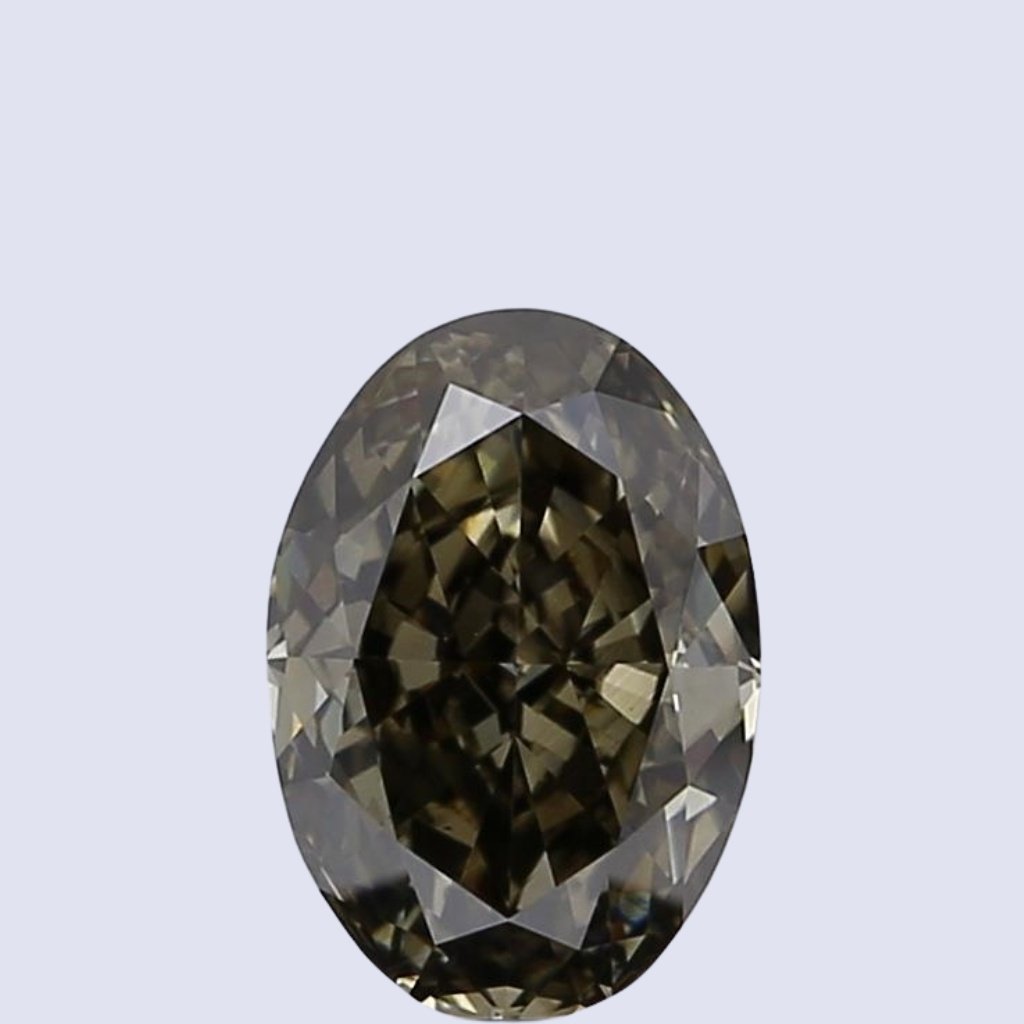
Oval Grey Lab Grown Diamond
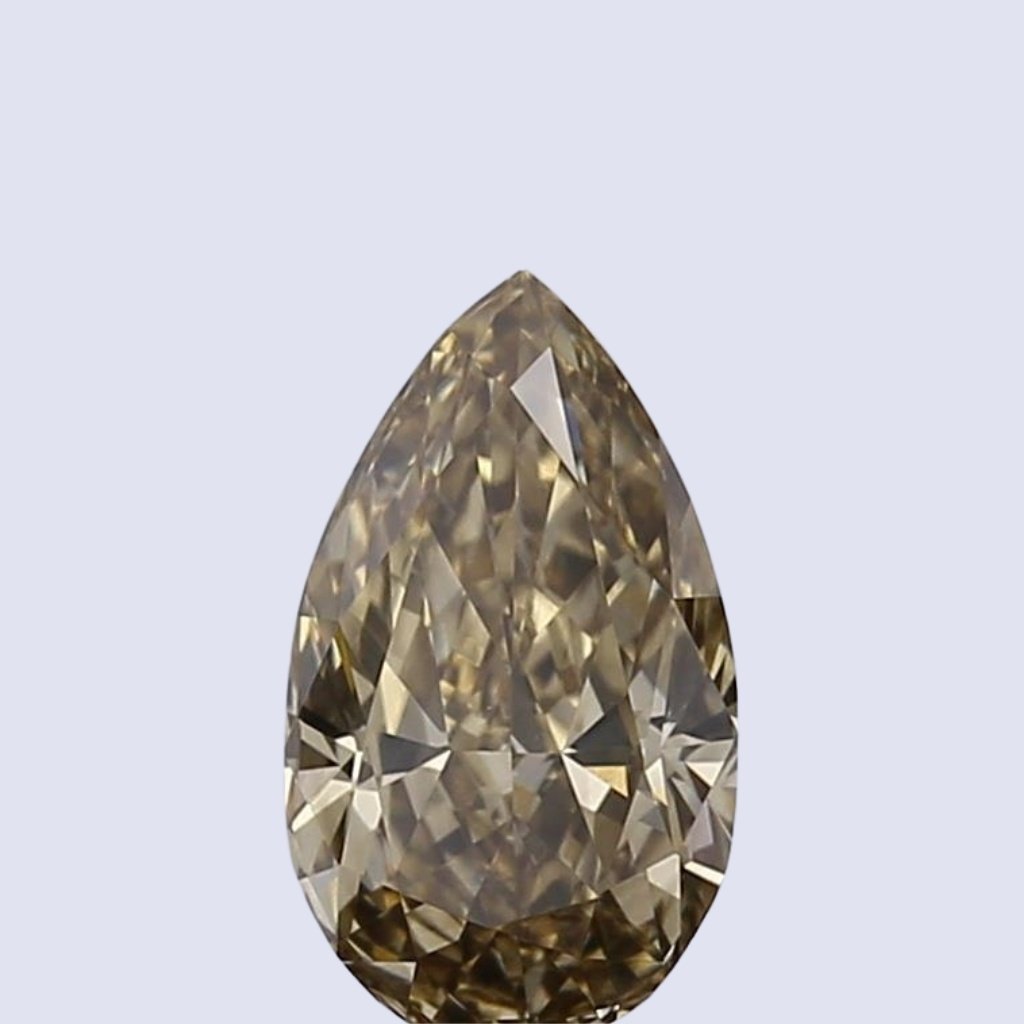
Pear Grey Lab Grown Diamond
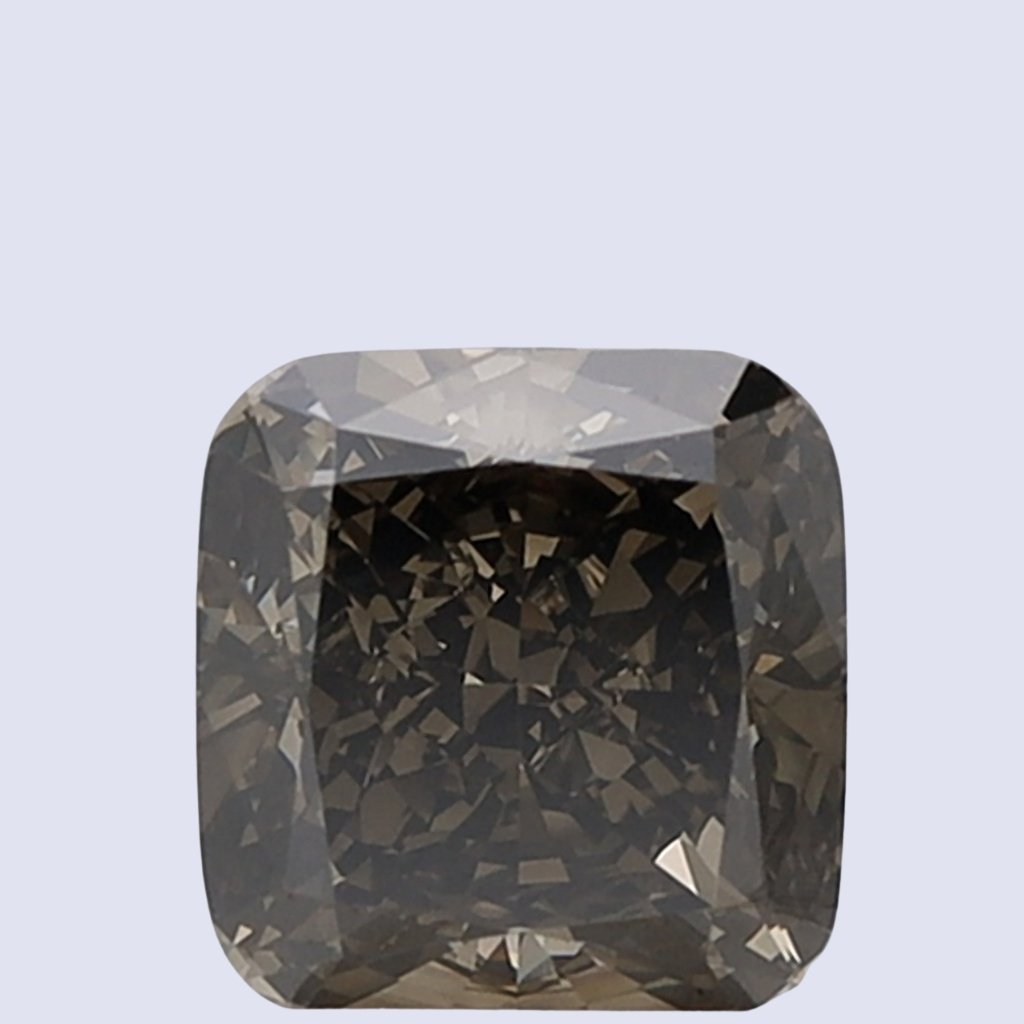
Cushion Grey Lab Grown Diamond
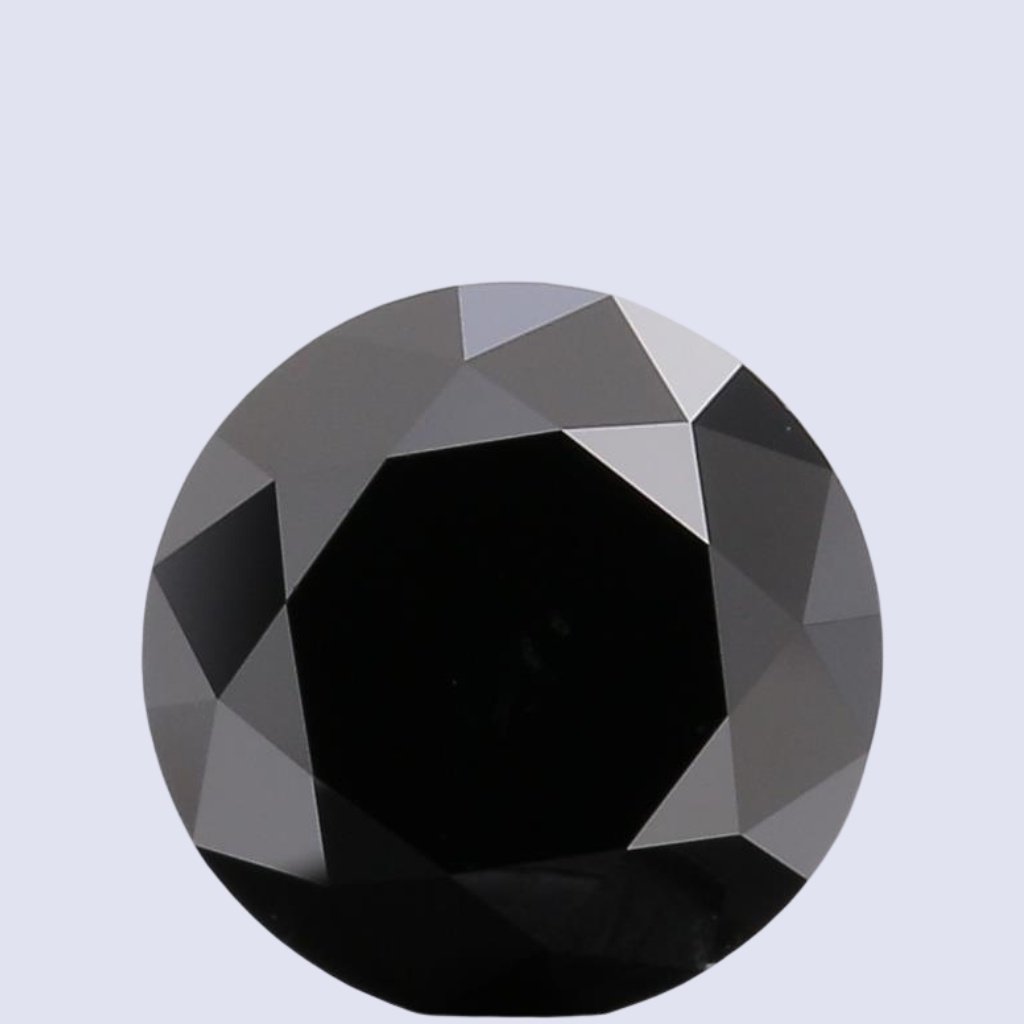
Round Black Lab Grown Diamond
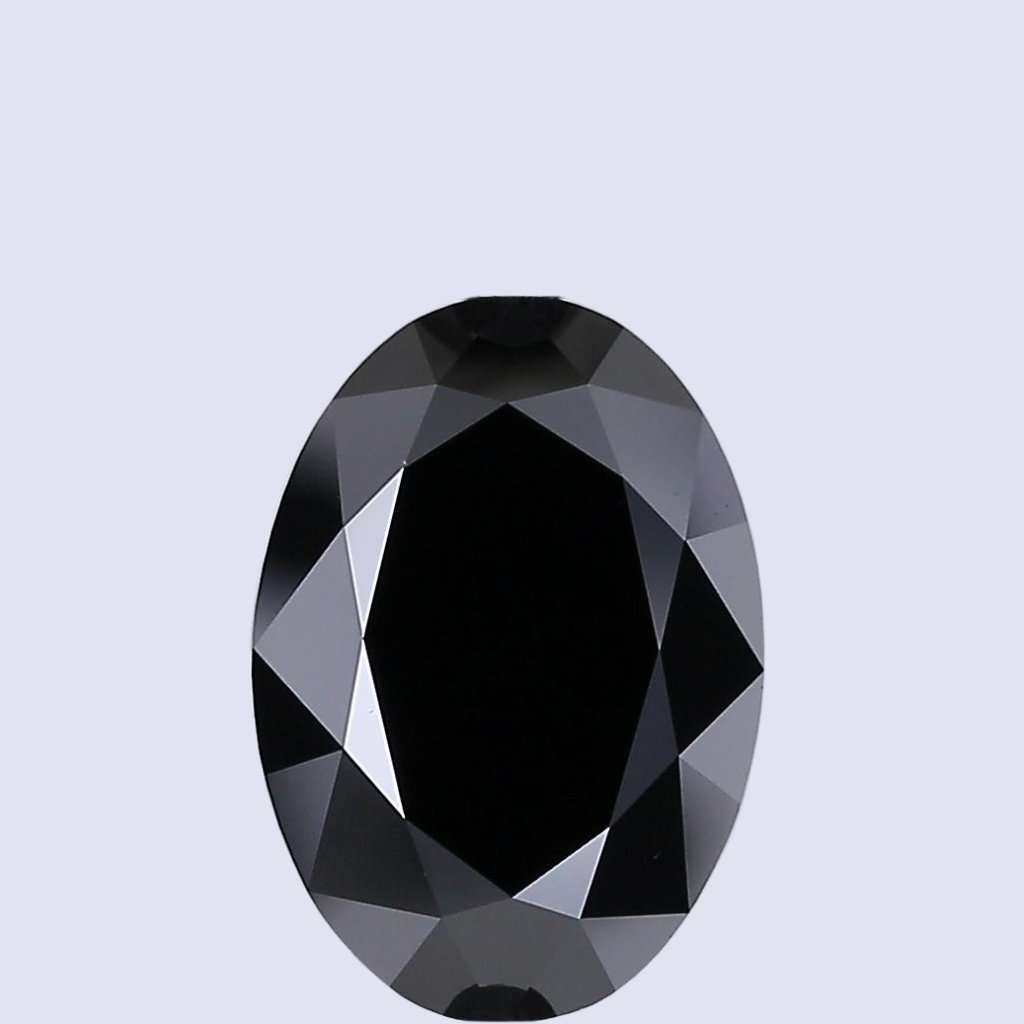
Oval Black Lab Grown Diamond
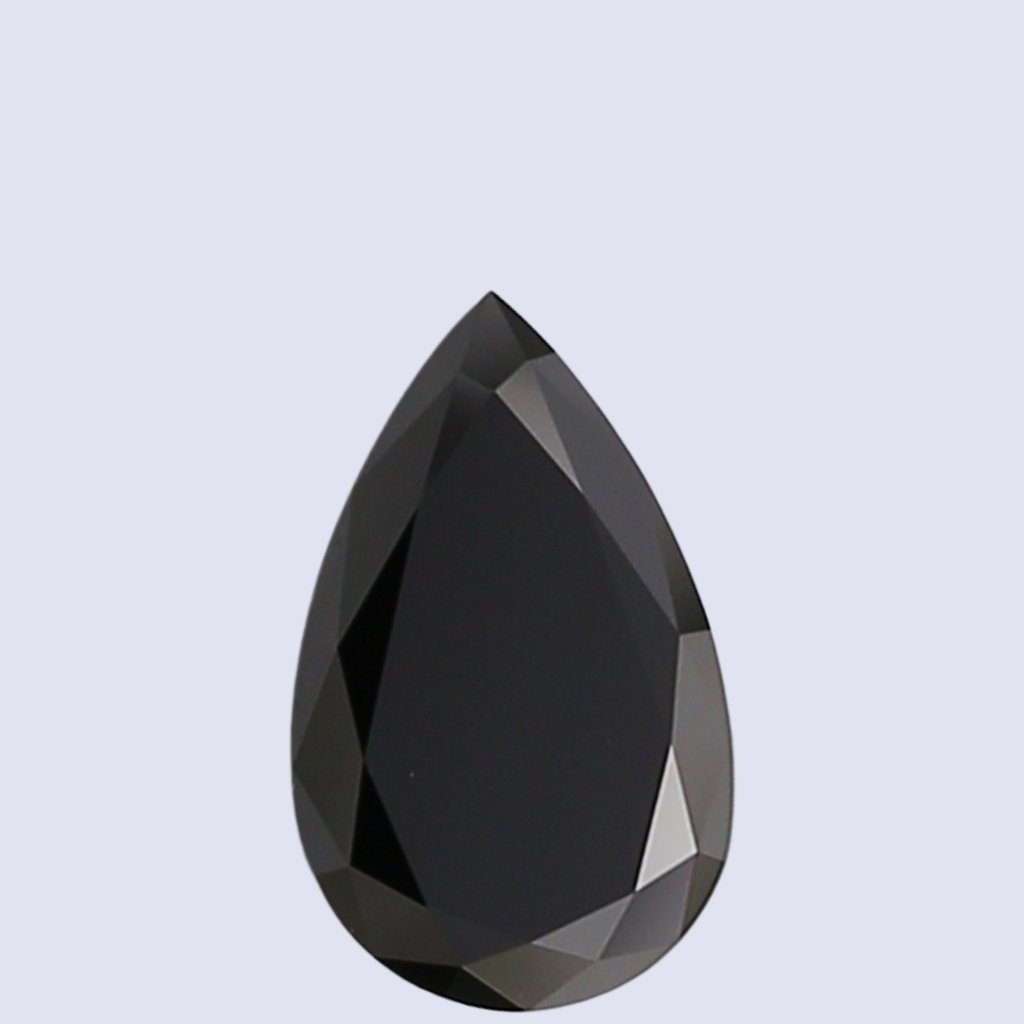
Pear Black Lab Grown Diamond
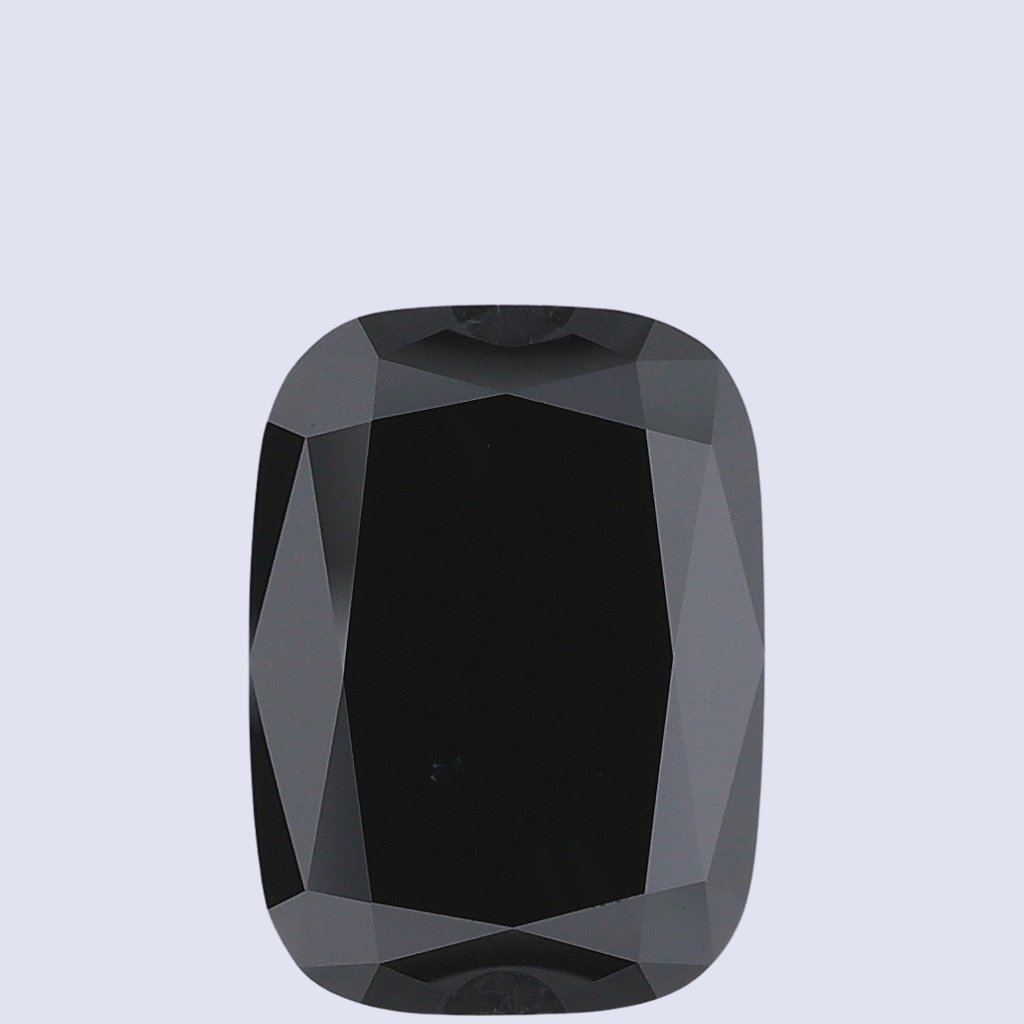
Cushion Black Lab Grown Diamond
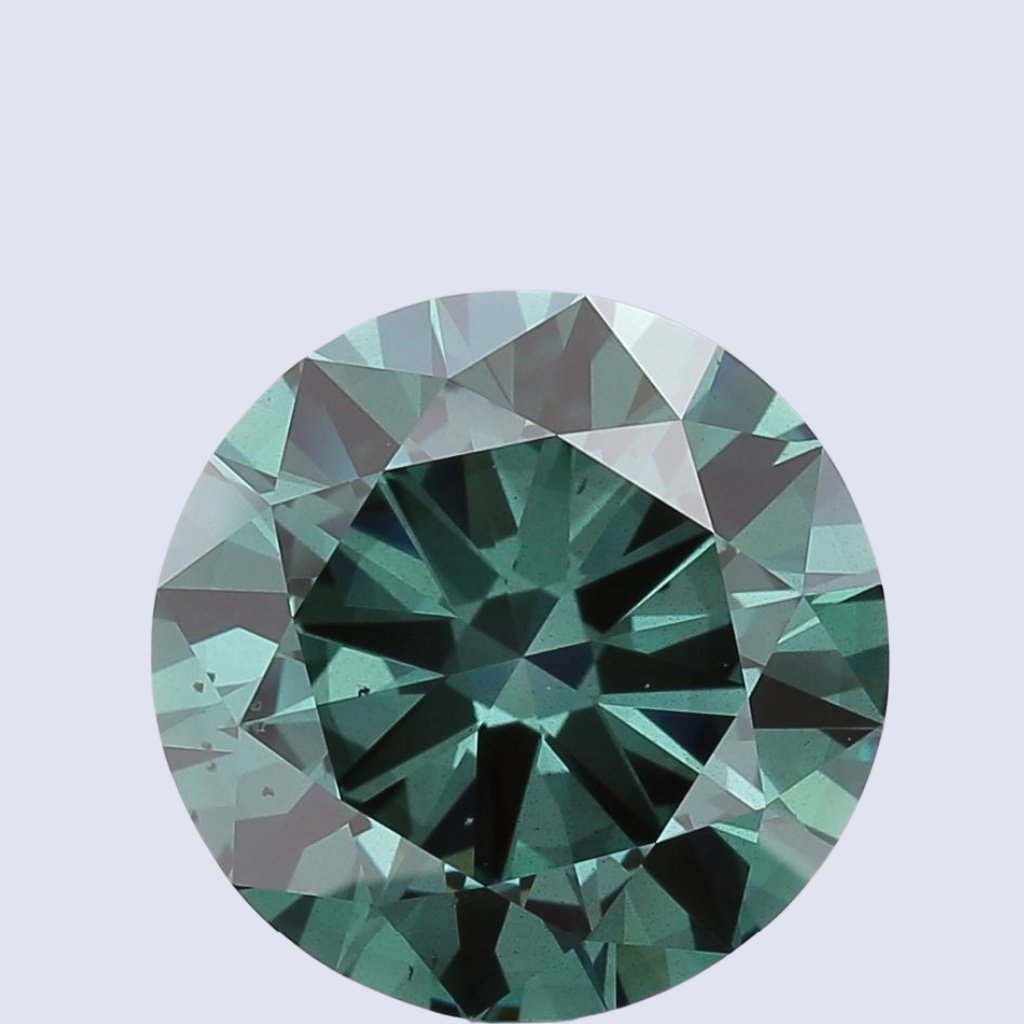
Round Green Lab Grown Diamond
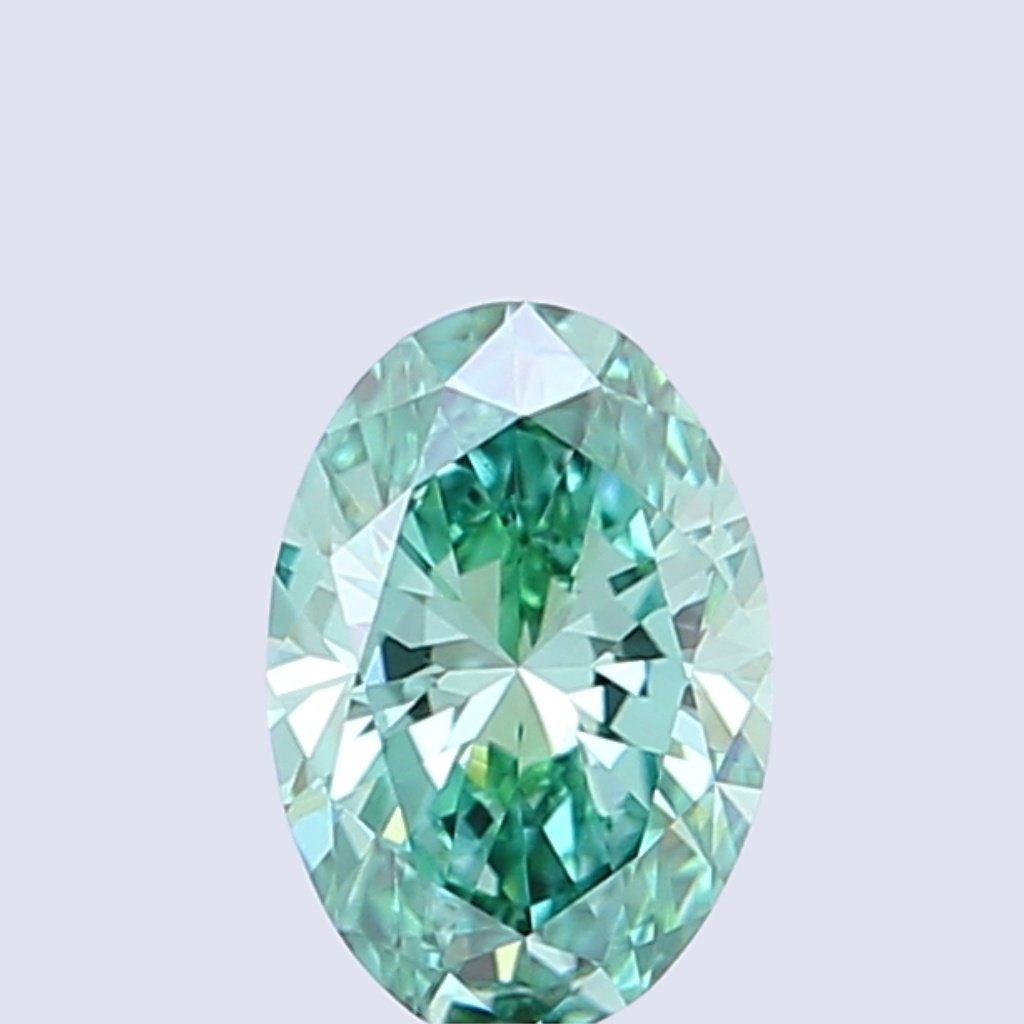
Oval Green Lab Grown Diamond
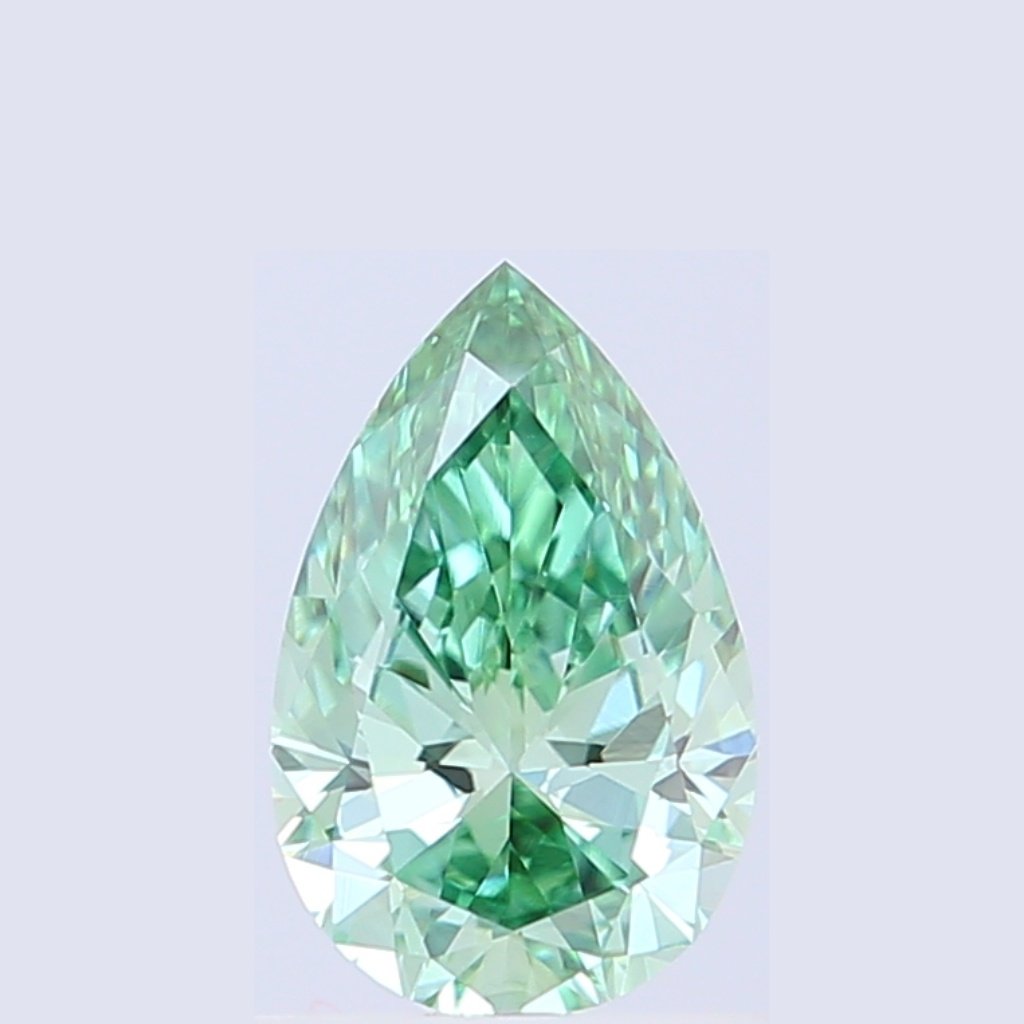
Pear Green Lab Grown Diamond
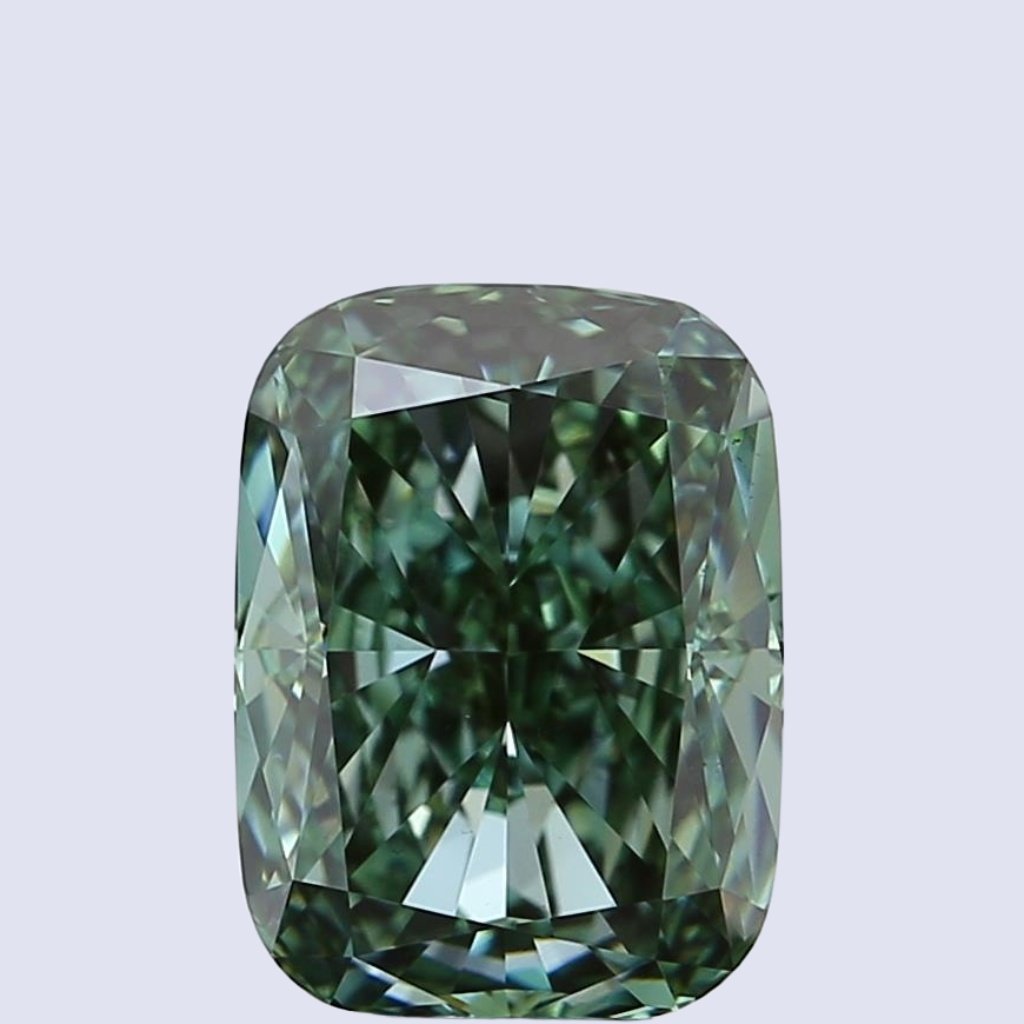
Cushion Green Lab Grown Diamond
Mira Art Collection is a trusted lab grown diamond wholesaler in India, offering high-quality, ethically produced lab grown diamonds to jewellery manufacturers, retailers, and global buyers. Based in Jaipur — one of India’s established centres for diamond and gemstone trade — we’ve built our business around a simple principle: buyers should be able to verify what they’re getting, not just take our word for it. That commitment has helped us become a trusted sourcing partner for jewellers across more than 15 countries, and it’s the same principle that guides every parcel we ship, whether it’s a single sample stone or a production-scale order.
Our diamonds are created using advanced HPHT and CVD technology, ensuring the same physical, chemical, and optical properties as natural diamonds, while being environmentally responsible and conflict-free. Every stone that leaves our facility carries a fully traceable origin — a level of transparency that natural diamond supply chains often cannot match at the same price point. For buyers building a brand around ethical sourcing, or simply for those who want documented certainty about what they’re purchasing, this traceability is built into how we operate, not added on as an afterthought.
A Shape Range Built for Every Kind of Buyer
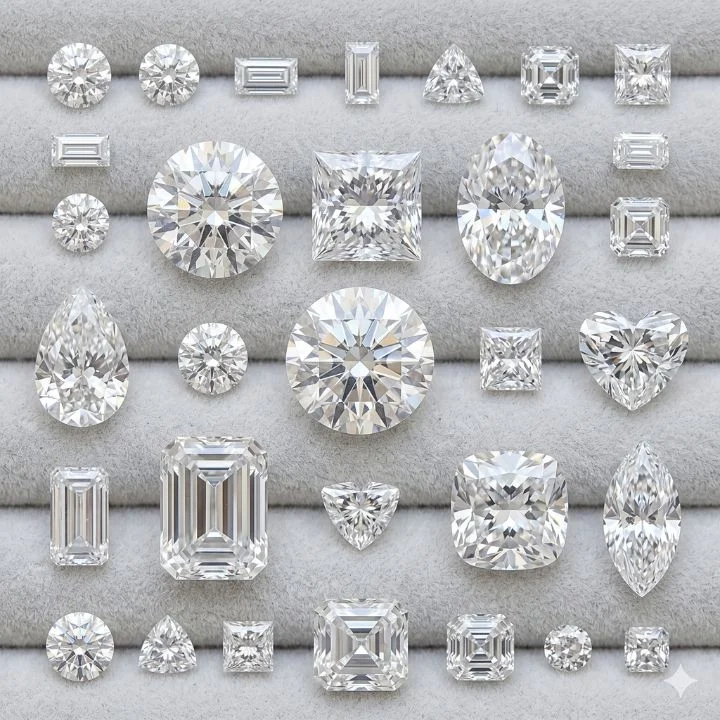
As a professional lab grown diamond supplier, we specialize in loose lab grown diamonds across more than 25 shapes. This starts with the shapes every buyer expects — round, oval, cushion, emerald, pear, princess, and radiant — but it doesn’t stop there. Our catalogue extends into specialist and vintage-inspired styles including asscher, marquise, heart, trilliant, baguette, half moon, trapezoid, hexagonal, octagonal, square emerald, european cut, rose cut, portuguese, kite, old miner, ashoka, square radiant, and pentagonal.
This breadth matters for two very different kinds of buyers. Jewellery manufacturers building matched collections or classic solitaire lines rely on our depth in the mainstream shapes, where consistent sizing and colour across a large parcel matters more than any single stone’s individual character. Designers and boutique jewellers working on bespoke, architecturally distinctive, or vintage-revival pieces rely on our specialist shape inventory — cuts that most standard wholesalers simply don’t stock in meaningful volume. Our inventory spans the full D-to-K colour range plus fancy colours, clarity grades from Flawless through I3, and carat weights from delicate melee sizes up to substantial centre stones, giving buyers the depth of selection needed to source diamonds that meet precise, exacting requirements rather than settling for whatever happens to be in stock.
Certification You Can Verify, Not Just Trust
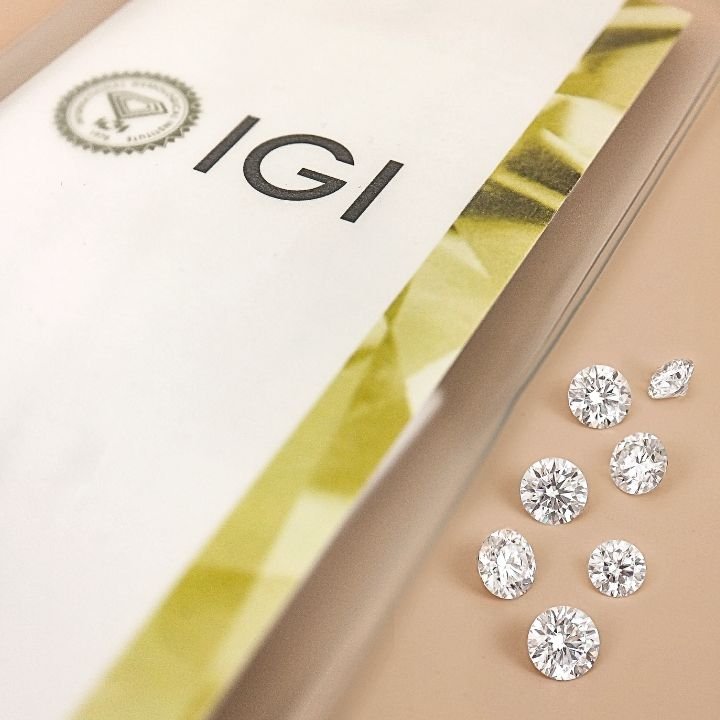
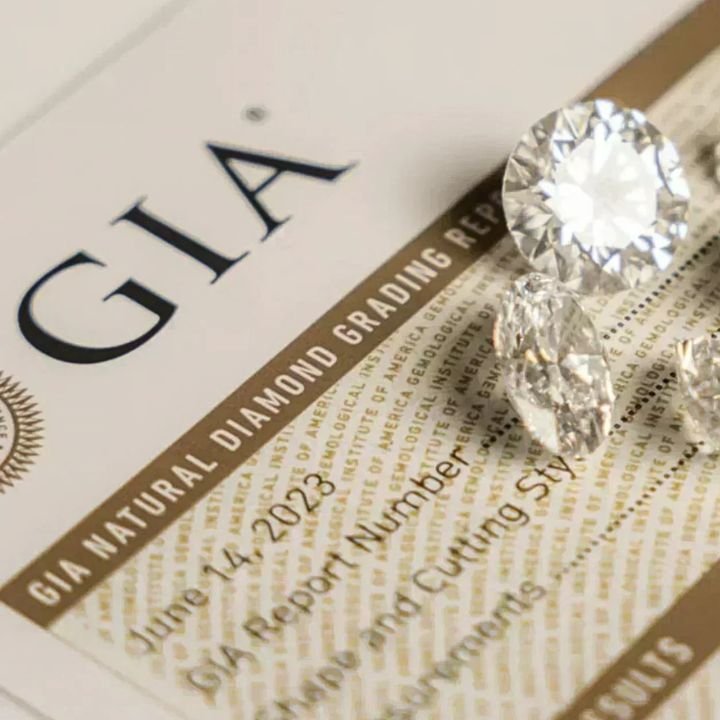
All our lab grown diamonds are carefully selected and can be supplied with internationally recognized certification, including both IGI and GIA, alongside a non-certified option for buyers whose applications don’t require full documentation. Choosing between these isn’t a one-size-fits-all decision, and we structure our catalogue around that reality. A retailer building premium engagement ring inventory for a market that specifically expects GIA documentation has a direct path to that stock. A manufacturer producing high-volume, budget-conscious fashion jewellery isn’t forced to pay a certification premium that adds little practical value to that particular product line.
We follow strict quality control processes to ensure brilliance, fire, and consistency in every stone, and every listing can be independently verified against its certificate number before you commit to an order. This isn’t a small detail — it means you’re never asked to trust a description alone. You can confirm the exact stone behind any listing, check its documented grading, and know precisely what will arrive before you place the order.
Built to Scale With Your Business
Whether you are looking for melee diamonds, calibrated sizes for production manufacturing, or custom orders built around a specific design, our team is equipped to deliver reliable and scalable solutions. This includes dedicated infrastructure for dropshipping and API integration, so retailers and online sellers can connect directly to our live inventory without carrying physical stock themselves — a meaningful advantage for e-commerce sellers who want to offer lab grown diamonds without taking on inventory risk. A dedicated order tracking system gives buyers visibility into shipment status without needing to chase updates manually, which matters considerably more once a business is managing multiple concurrent orders rather than a single occasional purchase.
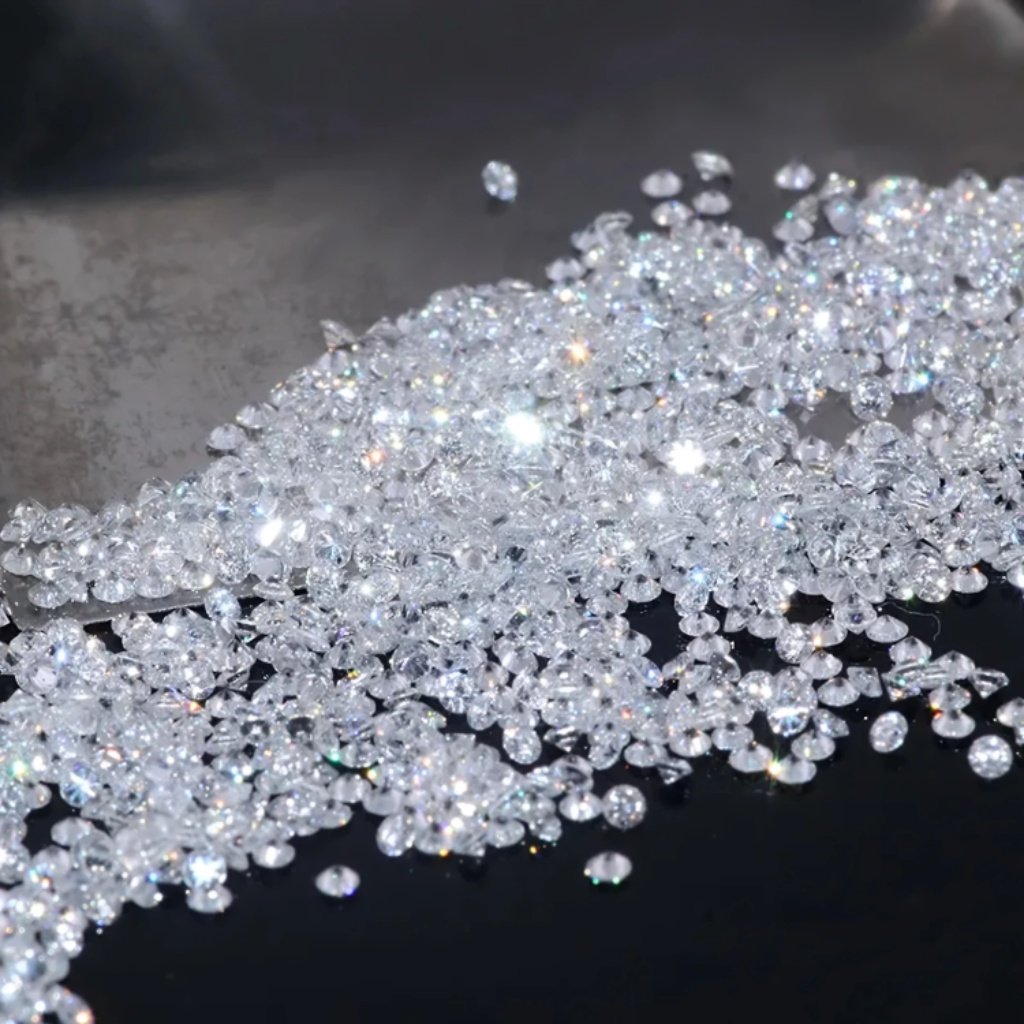
For manufacturers specifically, our calibrated melee and fancy-cut collections are built around the millimetre-precision sizing that production jewellery actually requires — stones sorted to fit pre-designed settings without individual adjustment at the bench, saving both time and material waste across a production run.
Why Lab Grown, and Why Now
Choosing lab grown diamonds not only offers significant cost advantages compared to mined diamonds, but also supports sustainable and ethical practices. Lab grown diamonds require fewer natural resources, avoid the large-scale land disturbance caused by mining, and eliminate concerns related to conflict diamonds. This makes them the preferred choice for modern jewellery brands and conscious consumers worldwide, and it’s a big part of why demand for lab grown inventory continues to grow across both our domestic and international client base.
The economics matter just as much as the ethics. A lab grown diamond at a given cut, colour, and clarity specification typically costs a fraction of a comparable natural stone, without any compromise in how the finished piece looks or performs. For buyers, that difference translates directly into larger stones, better grades, or more room in the budget to invest in setting and design — value that simply wasn’t available to previous generations of jewellery buyers and manufacturers.
A Partner You Can Actually Reach
Mira Art Collection works with clients across India and international markets, providing transparent pricing, secure transactions, and professional after-sales support. We’re a fully registered, export-ready business — holding both GSTIN and IEC registration — and our team is available directly via WhatsApp for bulk pricing enquiries, custom sourcing requests, or any question that a standard product listing can’t answer on its own. We believe that a sourcing relationship should feel like a partnership, not a transaction, which is why our support doesn’t end once an order ships.
Our goal is to build long-term partnerships based on trust, consistency, and quality, backed by an independently verified track record with our existing clients rather than promises alone. For international buyers especially, that verifiability matters — a registered address, formal export documentation, and a real, reachable support line are the details that separate a genuine long-term sourcing partner from a storefront with no operational history behind it.
If you are searching for a reliable lab grown diamond wholesaler in India, Mira Art Collection is your dependable sourcing partner — for a single sample parcel, an ongoing production relationship, or everything in between.
Frequently Asked Questions: Lab Grown Diamonds
Can lab grown diamonds be fake?
No — a lab grown diamond is a real diamond, not an imitation. It has the same physical, chemical, and optical properties as a mined stone, just grown in a controlled lab environment using CVD or HPHT technology instead of forming underground. The real risk buyers should watch for isn’t a “fake” stone, it’s an unverifiable one — which is why every diamond we supply can be checked against its certificate number directly with GIA or IGI before you commit to an order, rather than asking you to take a listing’s word for it.
Do lab diamonds last as long as natural diamonds?
Yes. A lab grown diamond scores a 10 on the Mohs hardness scale, identical to a natural diamond, and doesn’t wear, fade, or degrade with normal daily use. Barring physical damage — which can happen to a natural diamond just as easily — a well-cared-for lab grown diamond will look the same in fifty years as it does today.
What is the lifespan of a lab grown diamond?
Effectively permanent. Diamond, whether lab grown or natural, is the hardest known natural material, and there’s no chemical or structural process that causes it to break down over time under normal wear. The only practical “lifespan” concern is the same one that applies to any diamond: chipping from a hard impact, which is a setting and care issue rather than something specific to lab grown stones.
Do lab grown diamonds sparkle?
Yes, identically to natural diamonds of the same cut quality. Sparkle comes from a diamond’s refractive index and cut proportions, both of which are the same for lab grown and natural stones. If a diamond looks dull, the cause is almost always cut quality, not origin — which is why we recommend prioritising an Excellent cut grade above any other spec.
Why do lab-grown diamonds look fake?
They don’t, physically — a well-cut lab grown diamond is visually indistinguishable from a natural one, even to most gemologists without lab equipment. When a diamond looks “fake” or lifeless, it’s almost always a cut-quality or clarity issue, not a sign the stone is lab grown. This misconception often comes from confusing lab grown diamonds with diamond simulants like cubic zirconia or moissanite, which are chemically different materials that do behave differently under light — see our honest comparison of diamond, moissanite, and cubic zirconia for exactly how they differ.
Can a jeweler tell if a diamond is lab grown just by looking at it?
Not through visual inspection or a standard loupe — lab grown and natural diamonds look identical to the naked eye and under normal magnification. Distinguishing them reliably requires specialised screening equipment that detects specific growth-related characteristics, which is exactly why certification matters: a GIA or IGI report states the origin explicitly, so nobody has to guess.
Can a pawn shop tell if a diamond is lab created?
Most standard pawn shops don’t carry the specialised detection equipment needed to reliably tell lab grown and natural diamonds apart, since a standard diamond tester only confirms a stone is diamond, not where it came from. Certification is the only reliable way to know for certain — this is one of several reasons buyers and resellers alike should always ask for a GIA or IGI report rather than relying on a shop’s in-person assessment.
What is the downside of lab grown diamonds?
The main trade-off is long-term value retention rather than anything about the stone itself: because lab grown production keeps expanding and prices continue trending downward, resale offers on lab grown diamonds are typically lower relative to the original purchase price than they are for natural stones, which benefit from genuine scarcity. Some luxury retailers also don’t carry lab grown stock at all, which can matter if brand name is part of what you’re buying. Physically and visually, there’s no downside — the stone performs identically to a natural diamond of the same grade.
Are lab-grown diamonds declining in value?
Wholesale and production prices for lab grown diamonds have been trending downward as manufacturing efficiency continues to improve — a pattern our own pricing guide tracks in detail across shapes. This mainly affects resale value rather than what the stone is worth to wear: a lab grown diamond you buy today will still look and perform exactly the same in years to come, even if replacing it later would likely cost less than what you originally paid.
Will lab diamond prices go down in 2026?
Based on the trend so far, gradual downward pressure on lab grown diamond pricing looks likely to continue in 2026, driven by ongoing improvements in CVD and HPHT production efficiency rather than any drop in demand. Pricing isn’t static, though, and currency shifts and shape-specific supply also move the numbers — our shape-by-shape 2026 price guide is updated with current wholesale reference figures if you want the latest snapshot rather than a general trend.
Do rich people buy lab diamonds?
Increasingly, yes. Lab grown adoption has grown across every income bracket, including buyers who could easily afford natural stones — often because the price difference lets them choose a significantly larger stone, a higher colour and clarity grade, or a more elaborate setting for the same budget. It’s less an either/or decision by income level and more a shift in what different buyers are optimising for.
Do you tell people your diamond is lab grown?
That’s a personal choice, but regulation is increasingly taking the decision out of anyone’s hands: in India, for example, the BIS standard IS 19469:2025, enforced from January 2026, mandates explicit “laboratory-grown diamond” labelling across all diamond retail. Globally, most reputable jewellers disclose origin on the certificate and receipt as standard practice, regardless of whether a buyer chooses to mention it socially.
Are lab diamonds trashy?
No — this comes down to cut, clarity, and setting quality, exactly like natural diamonds, not origin. A poorly cut, badly set diamond looks unimpressive whether it’s lab grown or mined; a well-cut, well-set lab grown diamond looks exactly as elegant as a natural one of the same grade. Origin isn’t a quality signal on its own.
Is it tacky to wear lab-grown diamonds?
Not at all, and this perception has shifted dramatically in recent years as lab grown diamonds have moved from niche to mainstream across engagement, anniversary, and everyday jewellery. What determines whether a piece looks elegant or not is the same as it’s always been — cut, design, and craftsmanship — not whether the stone formed underground or in a lab.
Are Mira Art Collection diamonds mined or lab grown?
Lab grown, exclusively. Every stone we supply is created using CVD or HPHT technology rather than mined, which is a deliberate positioning choice — it’s what lets us offer the wholesale pricing, shape range, and IGI/GIA certification we’re known for, without the supply constraints and cost of natural sourcing. Physically, chemically, and optically, our lab grown diamonds are identical to mined stones of the same grade.Mined. Tiffany & Co. has publicly stated it does not offer lab grown diamonds in its fine jewellery collections and sources natural stones from known mines. This is a deliberate brand positioning choice shared by several other heritage luxury houses, not a reflection of any quality difference between natural and lab grown stones.
Does Mira Art Collection sell natural or lab grown diamonds?
Lab grown only — we specialise exclusively in lab grown diamonds across more than 25 shapes, from mainstream cuts like round and oval to specialist styles like ashoka and trilliant. We don’t carry natural stones, which lets us focus entirely on lab grown sourcing, certification, and pricing rather than splitting attention across two very different supply chains.
What size lab grown diamond can I get for $5,000?
At current wholesale reference pricing, a well-cut, IGI-certified 1-carat mainstream-shape lab grown diamond (round, oval, cushion, or similar) typically runs in a fraction of that budget at the wholesale level, meaning a $5,000 retail budget generally reaches comfortably into the 1.5 to 2.5 carat range depending on shape, colour, and clarity — retail pricing includes certification, cutting margin, and retailer markup on top of the wholesale figure. For exact numbers by shape and grade, our shape-by-shape price guide breaks down current wholesale reference rates, or reach out via WhatsApp for a specific quote against your budget.
How many carats is a $5,000 diamond?
See the answer above — the honest figure depends heavily on shape, colour, and clarity, since carat weight isn’t the only price driver. Round brilliants command the highest per-carat price of any mainstream shape, while an oval or cushion at the same clarity typically stretches further for the same budget.
How big a diamond will $10,000 buy?
Following the same logic, a $10,000 budget typically reaches meaningfully into the 2.5 to 4 carat range for mainstream shapes at good clarity, though the exact figure shifts depending on colour grade, cut quality, and whether you’re comparing wholesale or fully retail pricing (setting, certification, and margin all sit on top of the raw stone cost). This is exactly the kind of question worth getting a direct quote on, since $10,000 spent on a round brilliant goes noticeably less far than the same budget on an oval or cushion of comparable quality.
How many carats is a $20,000 diamond?
At this budget level, buyers typically move into the 4 to 6+ carat range for mainstream shapes, or step up meaningfully in colour and clarity grade at a somewhat smaller carat weight — the trade-off between size and grade becomes a real decision at this price point rather than an afterthought. Because pricing isn’t linear (larger stones cost disproportionately more per carat), the exact figure varies more at this budget than it does at smaller sizes, so a direct quote against your specific shape and grade preference is the most reliable way to know what’s achievable.
How many carats is a $30,000 ring?
For a complete ring at this budget — stone, setting, and metal combined — expect the centre diamond itself to represent the majority of that spend, typically landing in the 5 to 8 carat range for a well-cut mainstream shape at good colour and clarity, with the remainder covering the setting and metal. As with the other budget questions above, shape makes a real difference here: an elongated shape like oval or pear will generally face up larger for the same carat weight and budget than a round brilliant.
How much can I get for a 2 carat lab grown diamond? (Resale)
Resale value for lab grown diamonds is generally lower relative to original purchase price than for natural stones, since ongoing production growth means today’s equivalent stone typically costs less to replace than what was originally paid — this affects what any buyer, dealer, or resale platform will offer, not just one particular seller. If you’re looking to resell, the original retailer, a specialist diamond resale platform, or a local jeweller offering trade-in credit are usually more realistic routes than a general pawn shop, and getting the stone’s original certification in hand before approaching any buyer will get you a fairer, faster offer.
Can I sell a 1 carat lab grown diamond?
Yes — lab grown diamonds can be resold, though buyers should set realistic expectations about resale value for the reasons above. As a wholesale supplier working with jewellers and manufacturers rather than a consumer resale platform, this isn’t a service we offer directly, but keeping the original GIA or IGI certificate is the single most useful thing you can do to make a future resale straightforward, wherever you end up selling.