
Behind the Pair: How Matching Diamond Stud Earrings Are Actually Selected and Certified
Buy a single diamond and you get one certificate describing one stone. Buy a pair of diamond stud earrings, and most buyers assume something similar happens, just doubled. In reality, matching two diamonds into a believable pair is a far more hands-on process than most people realize, and it has almost nothing to do with a lab issuing some kind of combined “pair grade.” Matched Diamond Earrings are built, not certified as a single unit, and understanding how that actually works makes it much easier to judge whether a specific pair you’re considering is genuinely well matched or just marketed that way.
Why “Matching” Is More Complicated Than It Sounds
Grading labs like GIA and IGI evaluate diamonds one stone at a time, full stop. There’s no official grading category for “this pair of diamonds matches well,” because matching isn’t really a gemological property the way clarity or color is; it’s a judgment call about how two separate stones look and perform side by side. That distinction matters enormously once you’re shopping for earrings, because it means the burden of actually creating a good match falls entirely on the jeweler or dealer assembling the pair, not on any certificate you’ll be handed.
This becomes especially relevant at larger carat weights, where two diamonds rarely come from the same rough crystal, the same cutter, or even the same original parcel. A one-carat diamond and its “pair” might have been cut years apart, by different cutters, in different countries, and only brought together later by a dealer specifically trying to assemble a matched set. The quality of that matching process varies enormously between sellers, which is exactly why two pairs of earrings with seemingly identical specifications on paper can look noticeably different once they’re actually side by side.
The growing popularity of Matched Diamond Earrings as a category, particularly larger studs bought as a standalone statement piece rather than a modest everyday pair, has only made this matching process more visible to buyers. As more people shop for studs in the one-carat-plus range, where mismatches are far easier to spot with the naked eye, understanding what actually goes into building a well-matched pair has become genuinely useful buying knowledge rather than a minor technical detail.
How Individual Diamonds Are Actually Graded
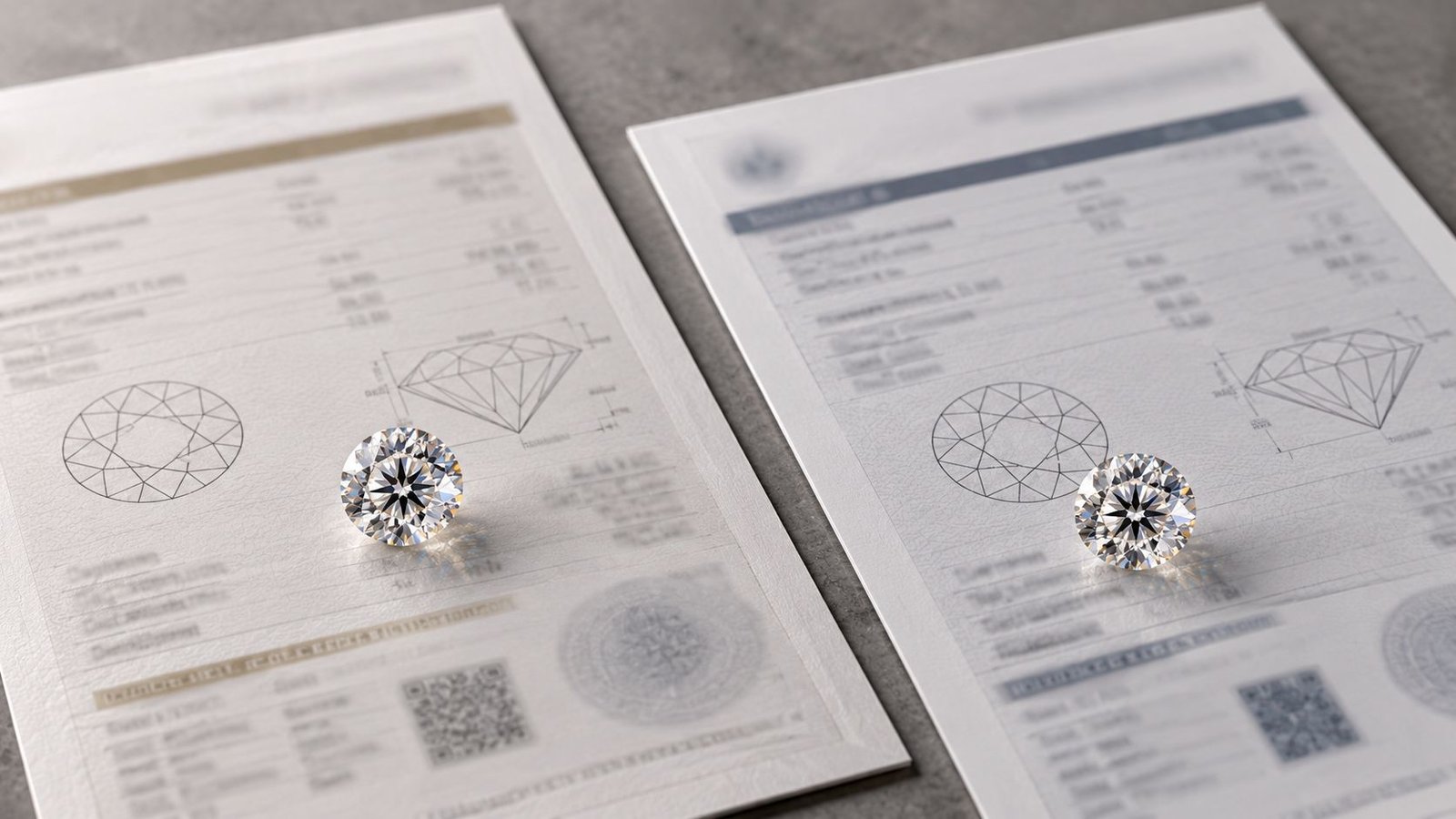
Each diamond destined for a pair of earrings is graded completely independently, exactly as it would be if it were going into a solitaire ring. Grading reports from major labs assess the same four core factors for each stone on its own: carat weight, color, clarity, and cut quality, along with proportions, polish, symmetry, and fluorescence. A pair of stud earrings sold with “GIA certified” in the listing typically comes with two entirely separate report numbers, one for each stone, rather than a single combined document.
This individual grading approach is why you’ll often see two slightly different numbers listed for a single pair of earrings, something like a diamond graded at 1.06 carats paired with one graded at 1.07 carats, or a stone with H color matched against one graded G. These aren’t errors or mismatched inventory; they reflect the reality that finding two diamonds with genuinely identical numbers across every single grading category is extremely rare, and dealers work within a reasonable tolerance range instead, prioritizing how the two stones actually look together over whether their certificates read as perfectly identical.
Color and clarity differences within one grade of each other, say a G paired with an H, or a VS1 paired with a VS2, are generally considered an acceptable match in the trade, since these small variances are rarely visible to the naked eye once the stones are mounted and worn. Cut quality and proportions tend to matter more for visual consistency than color or clarity do, since a noticeable difference in how two stones handle light is usually far easier to spot than a one-grade difference in color.
What “Matching” Actually Means: Four Factors
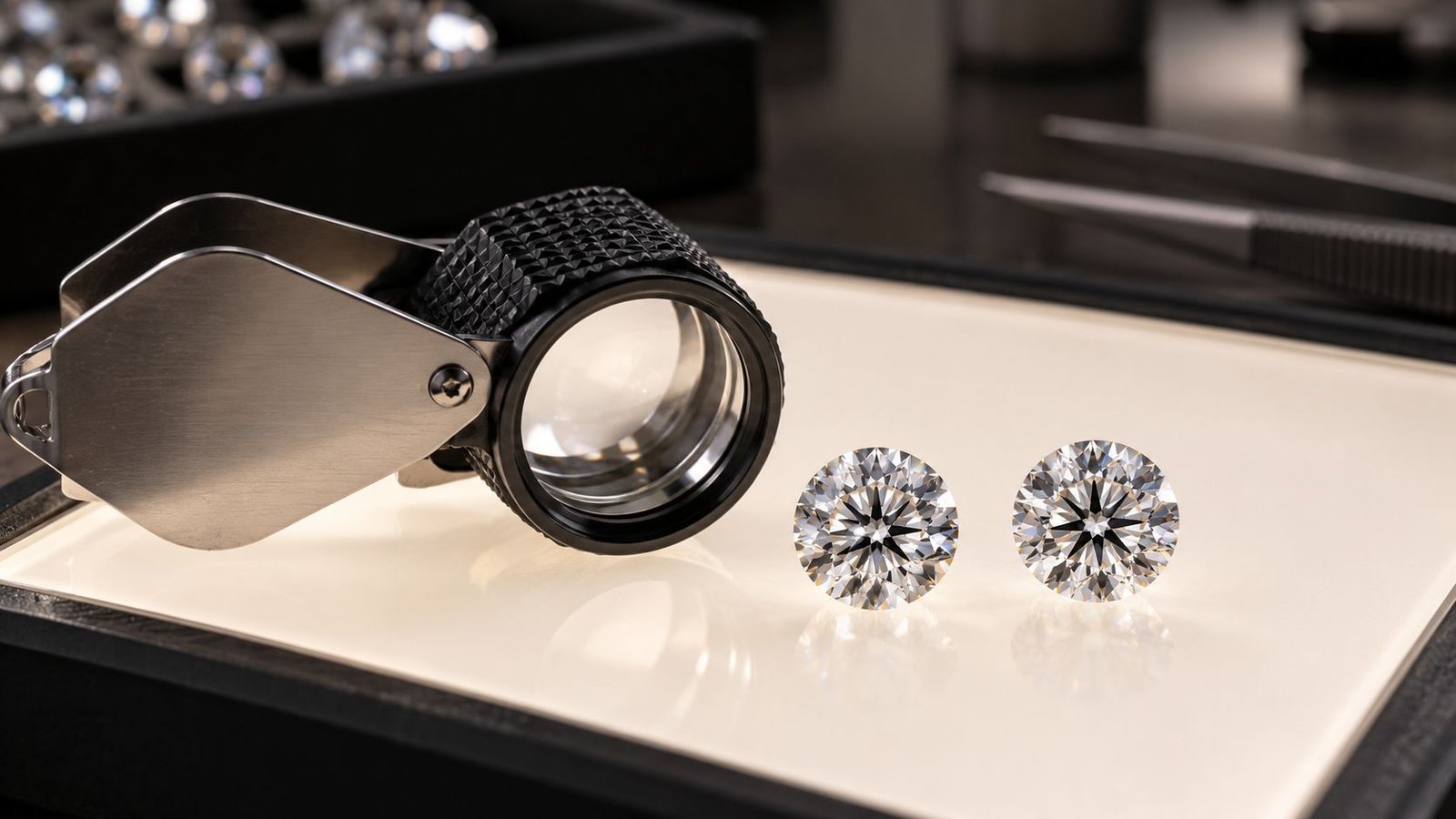
A genuinely well-matched pair is built around consistency across four main factors, even though no single certificate confirms all four at once. Carat weight is the most straightforward, and dealers typically aim to keep both stones within a very tight range of each other, often a hundredth of a carat or less for finer pairs, so neither earring reads as visibly larger than the other once worn.
Color matching focuses less on the exact letter grade and more on whether both stones display a consistent face-up tone side by side, since two diamonds graded identically can still look subtly different depending on their individual fluorescence or cut style. Clarity matching generally prioritizes overall eye-clean appearance and inclusion visibility over an exact grade match, since a VS1 with a slightly more visible inclusion can sometimes look less clean than a VS2 with better-placed characteristics.
Cut and proportions are often the most overlooked matching factor, but arguably the most important for how a pair actually reads when worn. Two diamonds with identical carat, color, and clarity grades can still look mismatched if one has noticeably different proportions or facet patterns, producing a visibly different amount of brilliance or fire. Experienced jewelers typically prioritize this visual, side-by-side comparison over any single number on a certificate when actually assembling a pair.
Total Carat Weight vs Individual Stone Weight
Earring listings are almost always marketed using total carat weight, commonly abbreviated as “ctw” or “cttw,” which simply adds the weight of both stones together. A pair listed as “2.00 ctw” might be two 1.00 carat diamonds, or it might be a 1.06 and a 0.94, still totaling 2.00 carats but with a noticeable size difference between the two stones if the mismatch is large enough.
This is one of the more important things for buyers to understand before purchasing: total carat weight tells you almost nothing about how evenly matched the individual stones actually are. A listing showing two very close individual weights, like 1.09 and 1.03 carats, generally signals a more carefully assembled pair than one that simply advertises a combined total without breaking out the individual stone weights at all. Whenever possible, it’s worth asking for the individual carat weight of each stone specifically, rather than relying on the total carat weight alone to judge how well matched a pair will actually look.
How Jewelers and Dealers Source Matched Pairs
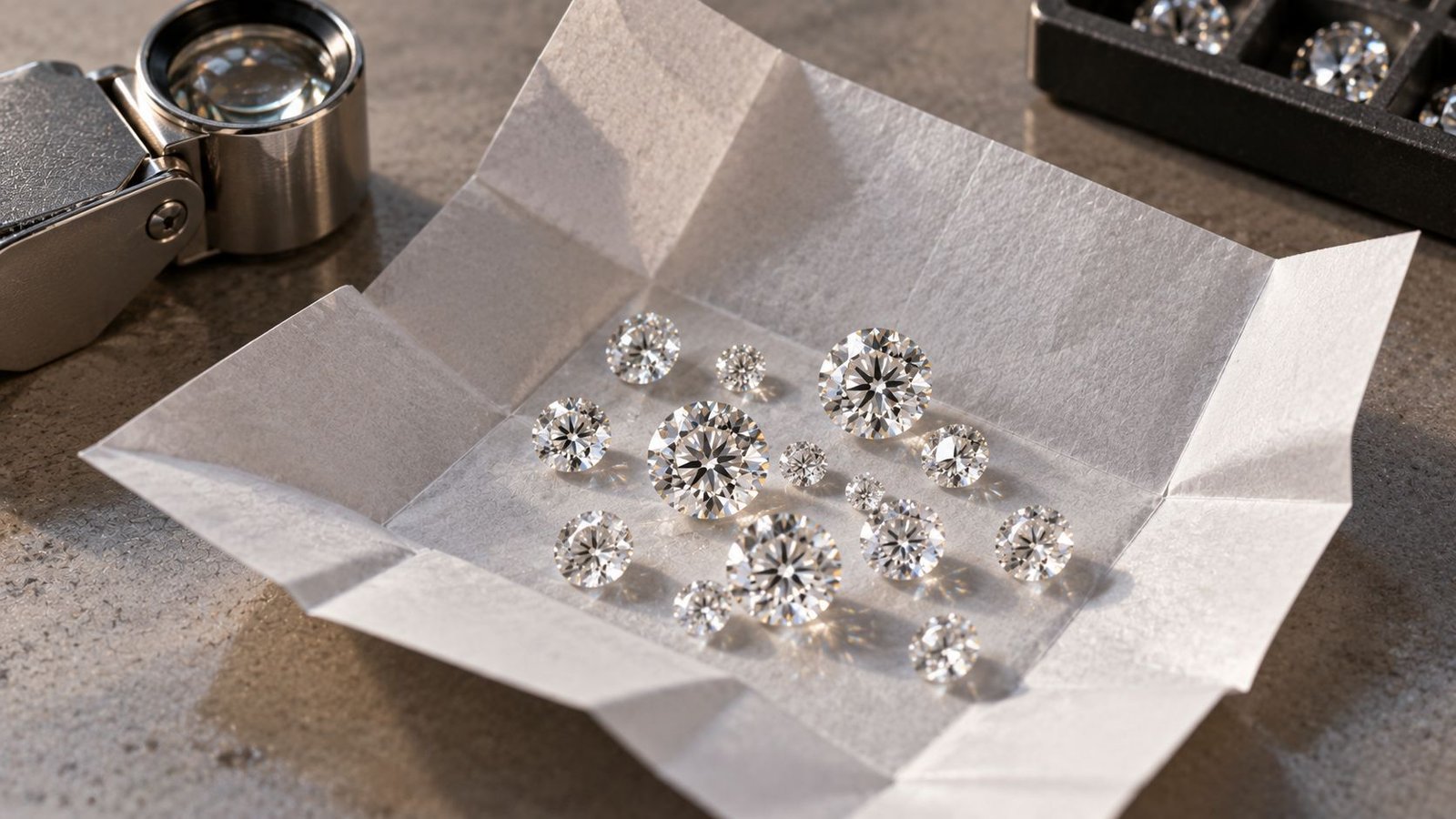
Assembling a well-matched pair, particularly at larger carat weights, is a genuinely labor-intensive process for dealers. Because two diamonds rarely emerge from the same rough crystal with identical specifications, dealers typically search through existing inventory, parcels from multiple cutters, or trade networks to find two stones that align closely enough across carat, color, clarity, and cut to read as a believable pair once mounted side by side.
For smaller melee-sized stones used in cluster or halo-style stud designs, this matching process happens at a different scale entirely, with dealers sorting parcels of many small diamonds by size and color range to assemble consistent batches rather than hand-selecting individual pairs. For larger center stones in solitaire-style studs, matching is far more deliberate and individualized, often requiring a dealer to search through a much larger pool of available stones to find a genuine match for a specific existing diamond.
This sourcing effort is part of why well-matched larger stud pairs often carry a premium beyond what the individual stones would cost separately; the labor and time involved in finding a genuine match adds real value on top of the diamonds themselves.
Paper Match vs Visual Match
| Factor | Paper Match | Visual Match |
| What it means | Certificates show similar or identical grades | Stones genuinely look alike side by side when worn |
| What it’s based on | Individual GIA/IGI grading reports | In-person or high-quality side-by-side comparison |
| Most reliable for | Carat weight, color, and clarity grades | Cut quality, brilliance, and overall face-up appearance |
| Common pitfall | Two stones can have identical grades but look different | Can’t be judged from certificates alone |
| Best practice | Use as a starting filter | Confirm with in-person or video comparison before buying |
Relying purely on a paper match, two certificates showing similar numbers, can leave you with earrings that technically qualify as matched but don’t actually look it once worn. A genuinely well-sourced pair satisfies both: similar documented grades as a baseline, confirmed by an actual visual comparison that accounts for how the stones perform together in real light.
Lab-Grown Advantages for Sourcing Matched Pairs
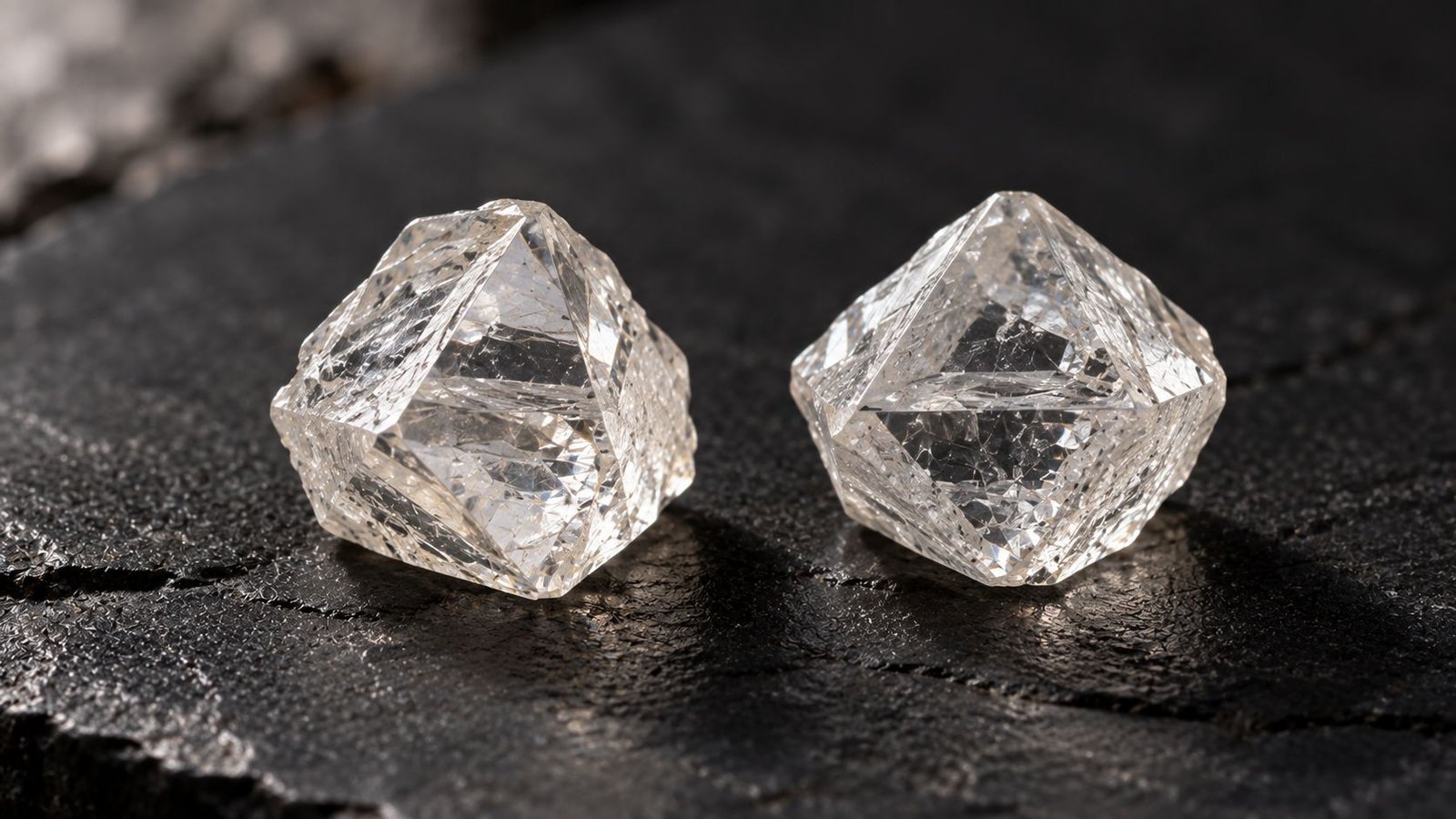
This is one of the clearest places where lab-grown diamonds offer a genuinely practical advantage over natural stones, beyond the usual cost savings. Because lab-grown diamonds are produced under controlled, repeatable conditions, it’s considerably easier to produce two stones with closely aligned carat weight, color, and cut proportions than it is to find two naturally formed diamonds that happen to share those same characteristics. Natural diamonds form under wildly varying geological conditions over millions of years; lab-grown stones are cut from rough grown specifically to a target specification, which narrows the variation a dealer has to search through when building a pair.
This matters directly for cost as well. Because lab-grown diamonds cost meaningfully less than natural stones at equivalent size and clarity, buyers shopping for a larger matched pair, where the sourcing premium on natural stones can be significant, often find it far more realistic to get a well-matched one-carat-plus pair in lab-grown form without the added cost of an extensive natural-diamond matching search. When shopping for a lab-grown matched pair, it’s still worth requesting individual certification for each stone, and a documented IGI-graded certificate for each earring confirms the specific carat, color, and clarity you’re actually being sold rather than relying on a combined total alone.
Common Misconceptions
“A GIA certificate means the pair is officially matched.” GIA and other labs grade each diamond individually; there’s no official lab-issued “pair grade,” so the quality of the actual match depends on the dealer assembling the pair.
“Identical carat weights always mean a perfect match.” Two stones with the exact same carat weight can still look different if their cut proportions or color tone differ, so carat weight alone doesn’t guarantee a visual match.
“Total carat weight tells you the size of each earring.” Total carat weight is the combined weight of both stones; it’s worth asking for individual stone weights specifically to understand how evenly sized the pair actually is.
“A slight color or clarity difference means the pair is mismatched.” A one-grade difference in color or clarity, such as G paired with H, is generally considered an acceptable match in the trade and is rarely visible to the naked eye once worn.
“Lab-grown diamonds can’t be matched as precisely as natural ones.” The opposite is generally true; the controlled production process behind lab-grown diamonds makes it easier to produce closely aligned pairs than searching for two naturally formed stones with similar characteristics.
Buying Guide: Choosing a Genuinely Matched Pair
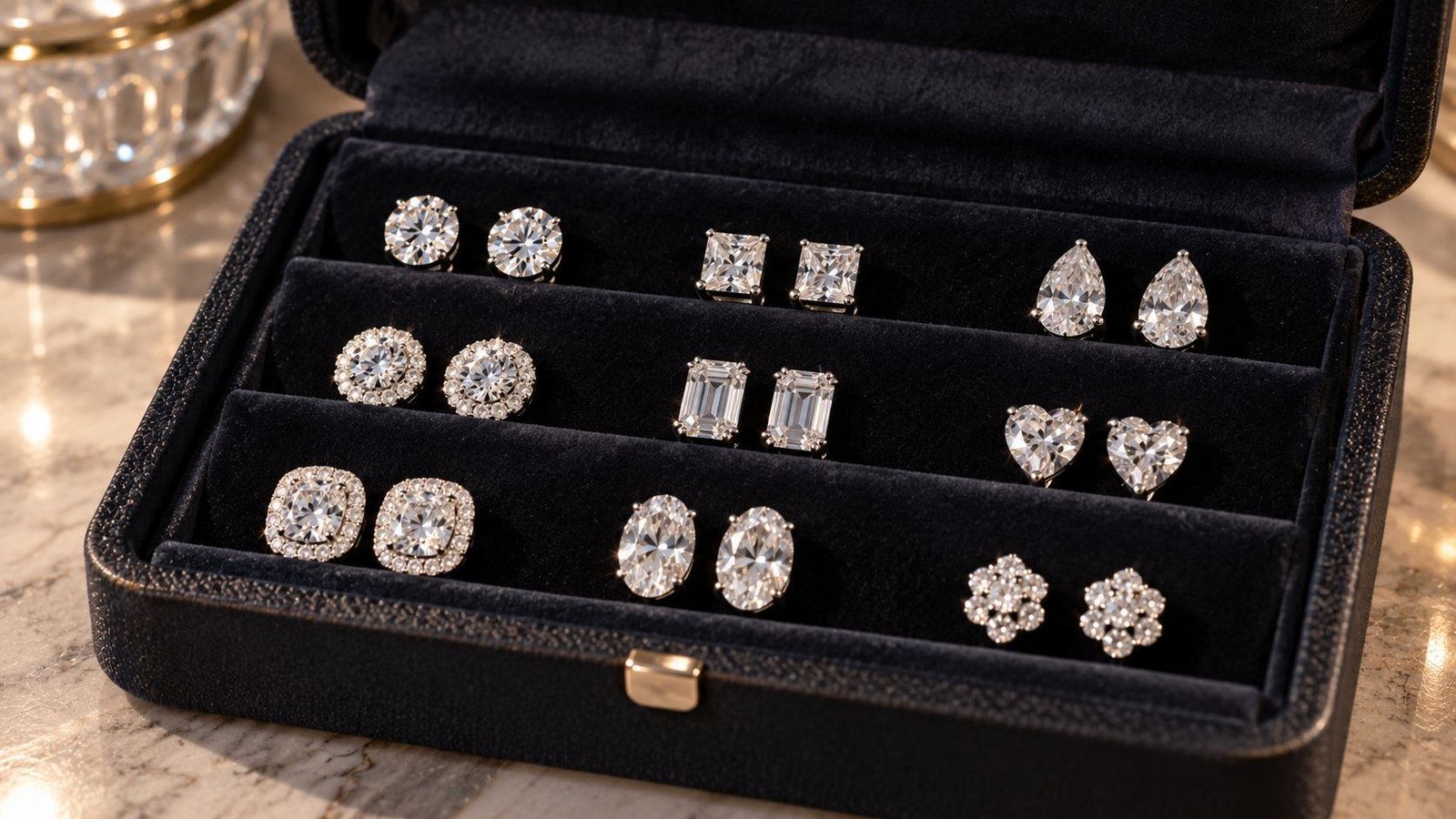
Start by asking for individual carat weights, not just the total, and request separate grading reports for each stone rather than relying on a single combined listing. This gives you a clear starting point for judging how closely matched the pair actually is on paper.
Next, view the pair side by side in person or through high-quality video whenever possible, particularly for larger stud sizes where any mismatch in cut quality or brilliance becomes much easier to spot with the naked eye. A paper match is a useful filter, but it isn’t a substitute for actually seeing how the two stones perform together.
If you’re shopping for a larger, higher-value matched pair, ask your jeweler directly about how the specific stones were sourced and matched, since a dealer who can speak clearly to the sourcing process is generally a good sign of a carefully assembled pair rather than two stones grouped together primarily by similar price point.
Finally, consider lab-grown diamonds specifically if a closely matched larger pair is your priority, since the production consistency behind lab-grown stones generally makes tight matching more achievable and more affordable than searching for an equivalent natural match.
Final Thoughts
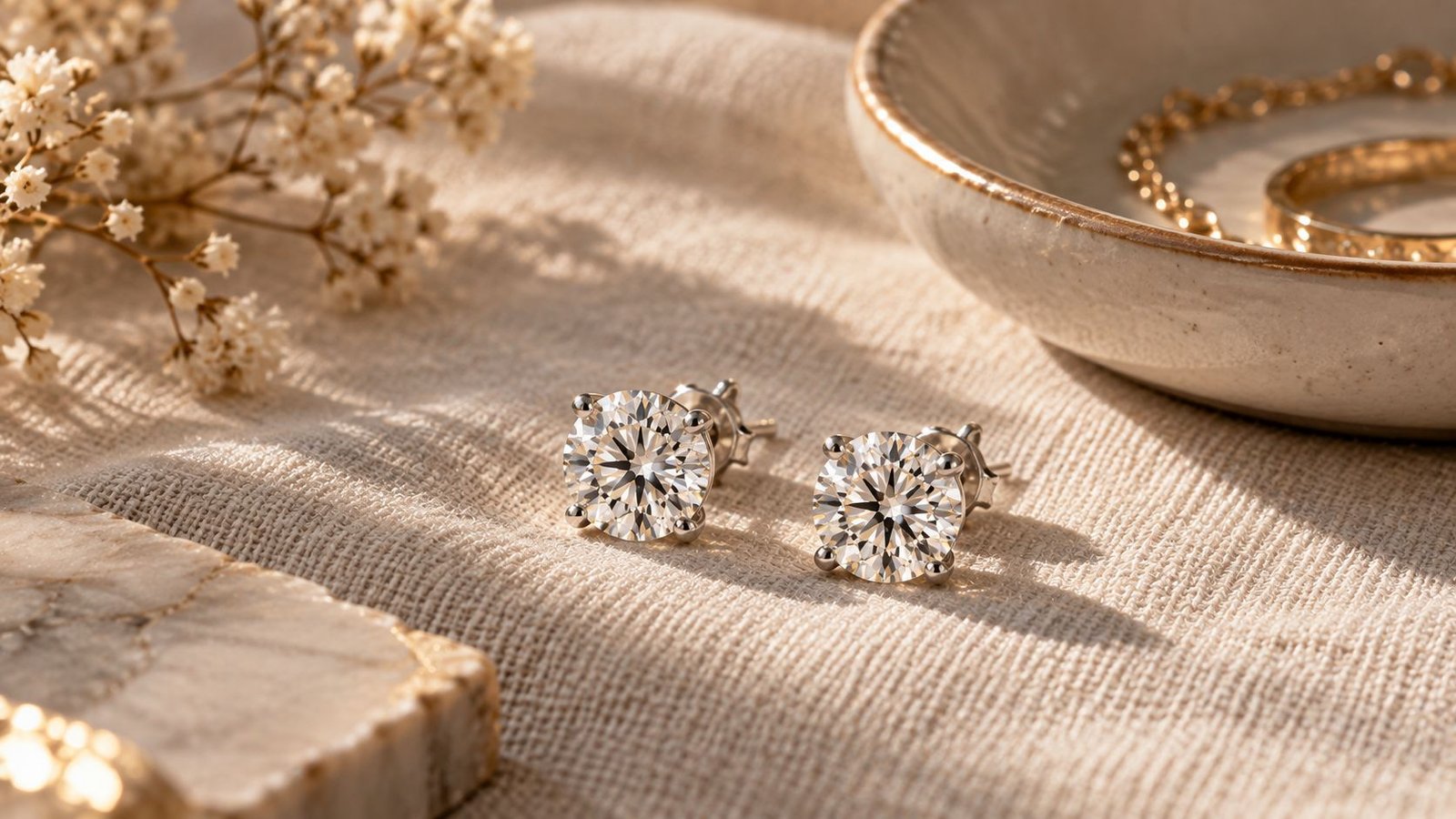
Matched Diamond Earrings rely on a process that happens almost entirely outside of any certificate: a dealer or jeweler manually comparing stones for carat, color, clarity, and cut consistency to build a pair that genuinely reads as a set once worn. Understanding that grading labs certify individual stones rather than pairs makes it much easier to evaluate a specific pair thoughtfully, rather than assuming similar numbers on two separate reports automatically guarantee a good visual match. Whether you’re shopping for a modest everyday pair or a larger statement set, asking the right questions about sourcing and seeing the stones side by side will get you to a pair that actually looks as matched as it’s marketed to be.
Frequently Asked Questions
Disclaimer: Grading practices and matching standards can vary between laboratories, dealers, and individual jewelers. This article is intended for general educational purposes and should not replace a professional evaluation from a certified gemologist for any specific pair of stones.