

Pawning Lab Diamonds: 6 Great Things to Know Before You Do
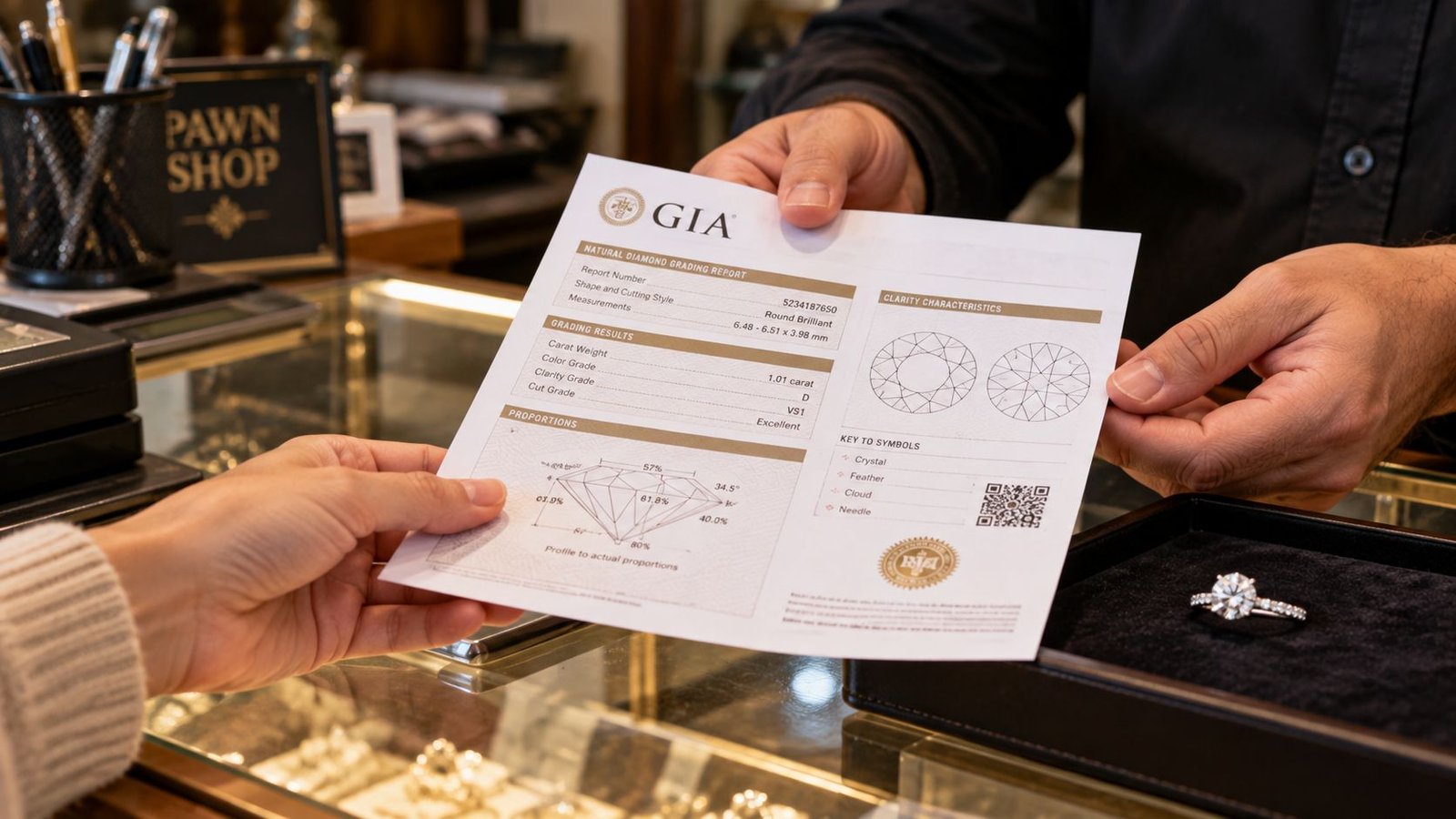
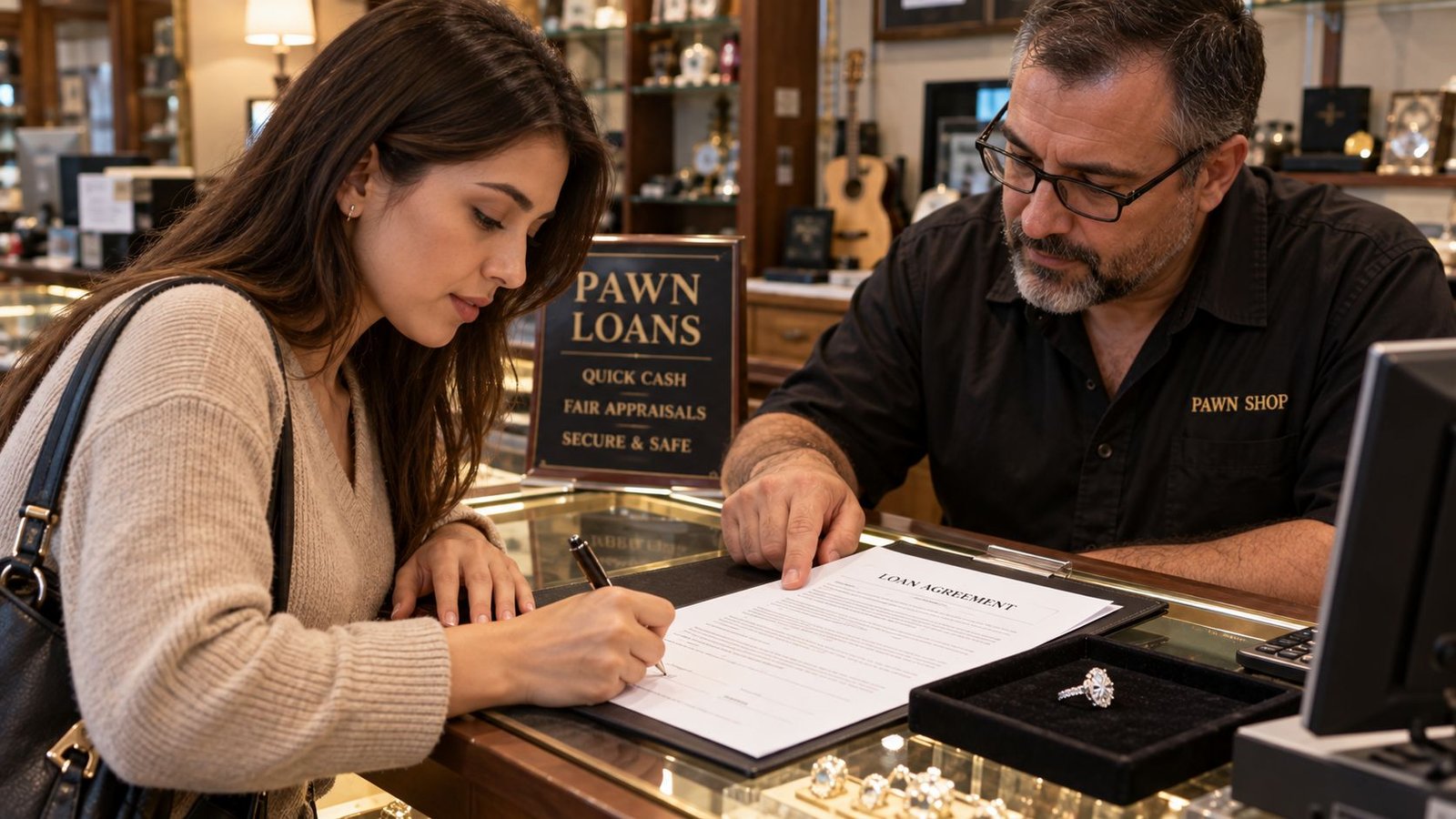
Unexpected expenses have a way of arriving at the least convenient moments, and when cash is needed quickly, pawning lab diamonds can start to look like a genuinely obvious source of funds, with a diamond ring sitting right there in the jewellery box. For owners of lab grown diamonds specifically, this moment sometimes comes with an added layer of uncertainty: will a pawn shop even accept a lab grown stone, and will it be treated the same way a natural diamond would be? Pawning lab diamonds is entirely possible, and the underlying process works essentially the same way it does for natural diamonds, though a few important nuances genuinely affect what kind of offer an owner should realistically expect. Understanding these nuances before walking into a pawn shop helps owners approach the transaction with accurate expectations, rather than either assuming a lab grown stone is somehow worthless at a pawn counter or, at the other extreme, expecting an offer that matches the original retail purchase price. This guide walks through six specific things worth understanding before pawning lab diamonds, along with alternatives worth considering and practical guidance for getting the best possible outcome if a pawn transaction ends up being the right choice. Lab grown diamonds have only existed as a commercially mainstream category for roughly a decade, which means genuine public understanding of how the secondary market treats them — pawn shops, resale platforms, and private buyers alike — remains considerably less developed than public understanding of natural diamond resale dynamics, which have had generations longer to become familiar and well understood. This knowledge gap understandably creates genuine uncertainty for owners specifically wondering what happens to a lab grown stone when it needs to function as collateral or be sold outright during a financial emergency. Clearing up this uncertainty matters considerably, both for individual owners facing a genuine financial need and for the broader lab grown diamond industry’s continued legitimacy, since a healthy, well-understood secondary market reinforces confidence in the category as a genuinely real, valuable asset rather than reinforcing lingering misconceptions some buyers still hold about lab grown diamonds somehow being less “real” or valuable than natural stones. The most important starting point when pawning lab diamonds is simply confirming that pawn shops genuinely do accept them. Lab grown diamonds are chemically, physically, and optically identical to natural diamonds, carrying genuine, real market value rather than functioning as a simulant or costume jewellery substitute. Reputable pawn shops, particularly those with staff knowledgeable about current diamond market dynamics, recognise this and will evaluate lab grown stones using essentially the same evaluation process applied to natural diamonds, adjusted for the different market pricing dynamics discussed further below. Any lingering assumption that lab grown diamonds are somehow unwelcome or treated as worthless at a pawn counter reflects an outdated misconception rather than current market reality. The category has matured considerably, and most pawn shops operating in markets with meaningful lab grown diamond retail presence have adjusted their evaluation practices accordingly to reflect this genuine, established secondary market. Understanding how pawn shops actually calculate the value of pawning lab diamonds requires setting aside any expectation based on original retail purchase price entirely. Pawn shops operate on a business model requiring them to resell unredeemed collateral at a profit, which means any loan or purchase offer reflects a meaningful discount below what the pawnbroker believes they could reasonably resell the item for, not the price an owner originally paid at retail. This discount reflects genuine business necessity rather than an attempt to lowball sellers unfairly — pawn shops need sufficient margin to cover the real risk of unredeemed loans, storage costs, and the genuine uncertainty involved in eventually reselling jewellery inventory. Understanding this fundamental pricing logic from the outset helps owners approach the transaction with realistic expectations, rather than feeling blindsided by an offer that, while fair within the pawn business model, naturally falls well below original retail price. Bringing any available certification documentation — ideally a grading report from GIA or IGI — meaningfully improves the offer an owner is likely to receive when pawning lab diamonds specifically. Certification allows a pawnbroker to quickly and confidently verify a stone’s actual specifications without needing to conduct their own independent evaluation from scratch, reducing both the time required to complete the transaction and the pawnbroker’s own risk and uncertainty about the stone’s genuine characteristics. Owners without accessible certification should understand that a pawnbroker will likely need to conduct their own evaluation, which may result in a more conservative offer reflecting the pawnbroker’s own uncertainty about the stone’s precise grading, compared to the more confident offer certification-backed verification typically supports. This dynamic reinforces a broader principle worth understanding well beyond pawn transactions specifically: keeping certification accessible and organised genuinely protects an owner’s practical, real-world flexibility across a range of future situations, including this specific one. A genuinely important nuance when pawning lab diamonds specifically involves understanding that offers for lab grown stones often differ from what a comparably sized and graded natural diamond might receive, reflecting real differences in current wholesale market pricing between the two categories rather than any judgment about a lab grown stone’s genuine authenticity or quality. Because lab grown diamond wholesale prices have fallen substantially as manufacturing capacity has scaled, the current resale market value of a lab grown stone genuinely differs from natural diamond pricing for a comparably graded stone, and pawnbrokers price their offers according to current market reality rather than historical or original purchase pricing. This does not mean lab grown diamonds are treated as lesser or less legitimate at a pawn counter — it simply reflects the same broader pricing dynamics that apply throughout the entire lab grown diamond secondary market, including resale platforms and private sales as well as pawn transactions specifically. Owners should approach this reality with accurate expectations rather than assuming any offer reflecting current lab grown market pricing represents unfair treatment specific to pawn shops alone. Pawning lab diamonds typically involves one of two distinct transaction types, and understanding the difference matters considerably for making an informed decision. A pawn loan uses the diamond as collateral for a short-term loan, with the owner retaining ownership and the right to reclaim the piece by repaying the loan plus any applicable interest within an agreed redemption period. An outright sale, by contrast, transfers ownership to the pawn shop immediately and permanently in exchange for an agreed cash payment, with no reclaim option available afterward. Pawn loans typically offer a smaller amount relative to the item’s assessed value compared to what an outright sale might provide, reflecting the pawnbroker’s added risk and the genuine possibility the loan goes unredeemed. Owners who have genuine confidence in their ability to repay within the redemption period, and who want to retain ownership of a piece carrying real sentimental or personal value, generally benefit from choosing the pawn loan structure specifically, while owners who have decided they no longer want or need the piece at all may find an outright sale offers a cleaner, more straightforward transaction without ongoing loan obligations to manage. Several practical habits genuinely improve the outcome when pawning lab diamonds specifically. Visiting and comparing offers from multiple pawn shops, rather than accepting the first offer received, often reveals meaningful variation in how different pawnbrokers price and evaluate lab grown stones specifically, since individual pawn shop policies and current inventory needs can genuinely affect the specific offer presented. Bringing all available documentation — certification, original receipts, and any appraisal records — consistently improves offer quality by reducing the pawnbroker’s own uncertainty and evaluation burden. Understanding realistic current wholesale pricing for a comparably certified lab grown stone before visiting a pawn shop, using the same independent price comparison approach worth applying to any diamond transaction, helps owners recognise whether a specific offer falls within a reasonable range or seems unusually low relative to genuine current market value. And clearly understanding redemption terms, interest rates, and loan duration before agreeing to a pawn loan specifically ensures an owner enters the arrangement with full, accurate understanding of their actual obligations and options going forward. Before committing to a pawn transaction specifically, owners facing a financial need benefit from considering a few genuine alternatives that sometimes offer better overall outcomes. Direct sale to an online diamond buyer or dedicated diamond resale platform sometimes achieves a meaningfully higher price than a pawn shop offer, particularly for well-certified, higher-value stones, though this process typically takes considerably longer to complete than an immediate in-person pawn transaction — a trade-off we explored in more depth in our guide on loose diamonds versus set jewelry for resale. Some original retailers also offer buyback or trade-in programmes specifically for pieces they originally sold, occasionally providing more favourable terms than an unaffiliated pawn shop or resale platform might offer, particularly if the retailer maintains an ongoing relationship-based incentive to treat a returning customer favourably. Personal loans or other short-term financing options, while carrying their own genuine costs and qualification requirements, sometimes offer more favourable overall terms than a pawn loan specifically, particularly for owners with reasonably strong credit who can access more competitive interest rates through conventional lending channels rather than pawn-specific financing. Evaluating these alternatives alongside a pawn transaction specifically, rather than assuming pawning represents the only or necessarily the best available option, helps ensure owners facing a genuine financial need choose the approach that genuinely serves their specific circumstances most effectively. The growing frequency of pawning lab diamonds specifically reflects a broader, genuinely important maturation happening across the entire lab grown diamond secondary market. As the category has grown from a niche curiosity into a genuinely mainstream, substantial share of overall diamond purchasing, the infrastructure supporting resale, collateral lending, and broader secondary market activity has correspondingly developed and matured alongside it. This represents a genuinely healthy sign for the category’s long-term legitimacy and buyer confidence, since a functioning, well-understood secondary market reinforces that lab grown diamonds represent genuine, tangible value rather than simply a lower-cost alternative lacking the broader market infrastructure natural diamonds have long enjoyed. Pawnbrokers and secondary market participants who have invested in genuinely understanding current lab grown diamond market dynamics, rather than treating the category with outdated skepticism, are increasingly well positioned to serve this growing segment of the overall diamond-owning population effectively, reflecting the same broader market maturation playing out across resale platforms, insurance providers, and appraisal services more generally throughout the lab grown diamond industry. Understanding the practical, step-by-step process of pawning lab diamonds helps reduce uncertainty for owners who have never completed a pawn transaction before. Upon arrival, a pawnbroker will typically examine the stone visually and under magnification, checking for obvious damage, confirming basic characteristics, and reviewing any certification documentation the owner has brought along. Many pawnbrokers use diamond testing equipment capable of confirming a stone is genuine diamond material, distinguishing it from simulants, though this equipment generally cannot independently distinguish lab grown from natural diamond without more specialised screening tools that only larger, more sophisticated pawn operations typically maintain in-house. Following this initial evaluation, the pawnbroker will present a specific offer, whether structured as a loan amount or an outright purchase price depending on which transaction type the owner is pursuing. Owners should feel entirely comfortable asking questions about how the offer was calculated, what specific factors influenced the final number, and what documentation or paperwork the owner will receive as part of the transaction. Reputable pawnbrokers should be able to explain their reasoning clearly and should provide clear, written documentation of any loan terms, interest rates, and redemption deadlines before the owner commits to the transaction. For pawn loans specifically, owners should also clarify exactly what happens if repayment is not completed within the agreed redemption period, including whether any grace period or extension options exist, and whether partial payments are accepted to extend the redemption deadline if full repayment is not immediately possible by the original due date. Just as with any diamond transaction, a few warning signs are worth watching for specifically when pawning lab diamonds. A pawnbroker who seems unfamiliar with lab grown diamonds entirely, or who suggests the stone has no real value simply because it is laboratory-grown rather than mined, may not have kept pace with current market realities and may consequently offer an unfairly low valuation reflecting outdated assumptions rather than genuine current market pricing. In this situation, seeking out a different pawn shop with more current, accurate knowledge of lab grown diamond market value is generally the better path forward. Extremely high interest rates or unusually short redemption periods compared to other pawn shops in the same area also warrant caution, since these terms can make loan repayment genuinely difficult even for owners who fully intend to reclaim their item, effectively increasing the likelihood of losing the piece entirely despite reasonable original intentions to redeem it. Comparing loan terms across a few different pawn shops, not just comparing the initial offer amount alone, helps owners identify genuinely favourable terms rather than focusing exclusively on the headline loan figure without considering the full terms attached to it. Pressure to decide immediately, without reasonable time to consider the offer or compare alternatives, is also worth treating with some caution, since a genuinely fair offer should be able to withstand a reasonable amount of comparison shopping without the pawnbroker needing to apply artificial urgency to secure the transaction quickly. Pawning lab diamonds is a genuinely viable option for owners facing a financial need, provided expectations are calibrated accurately to how pawn transactions actually work. Pawn shops do accept lab grown diamonds as genuine, valuable collateral or purchase items, though offers reflect current wholesale market pricing rather than original retail cost, and certification meaningfully improves the quality of offer an owner can expect to receive. Understanding the real difference between a pawn loan and an outright sale, comparing offers across multiple pawn shops, and considering genuine alternatives before committing to any specific transaction together help owners navigate this process with confidence and realistic expectations. For a category that has grown so rapidly in such a short period, the continued development of a genuine, well-functioning secondary market — including pawn transactions specifically — represents a meaningful sign of lab grown diamonds’ lasting legitimacy as a genuinely valuable, tangible asset rather than simply an affordable alternative lacking the broader market infrastructure established natural diamonds have long enjoyed.Why This Question Comes Up So Often for Lab Grown Diamond Owners

Thing 1: Yes, Pawn Shops Will Accept Lab Grown Diamonds

Thing 2: Pawn Shops Determine Value Very Differently Than Retail Pricing
Thing 3: Certification Significantly Affects What You’re Offered
Thing 4: Lab Grown Diamonds Often Receive Different Offers Than Natural Stones, and Here’s Why
Thing 5: Understand the Real Difference Between a Pawn Loan and an Outright Sale

Thing 6: A Few Practical Steps Meaningfully Improve Your Outcome
Alternatives to Pawning Worth Considering

What This Means for the Broader Lab Grown Diamond Secondary Market
What to Expect During the Actual Pawn Shop Visit
Red Flags to Watch for When Pawning Lab Diamonds
The Bottom Line
Frequently Asked Questions
Disclaimer: This article is intended for general informational purposes only and does not constitute financial advice. Pawn shop policies, interest rates, and offer practices vary by location and business. Always review terms carefully and consult a financial professional if needed before entering into a pawn transaction.