
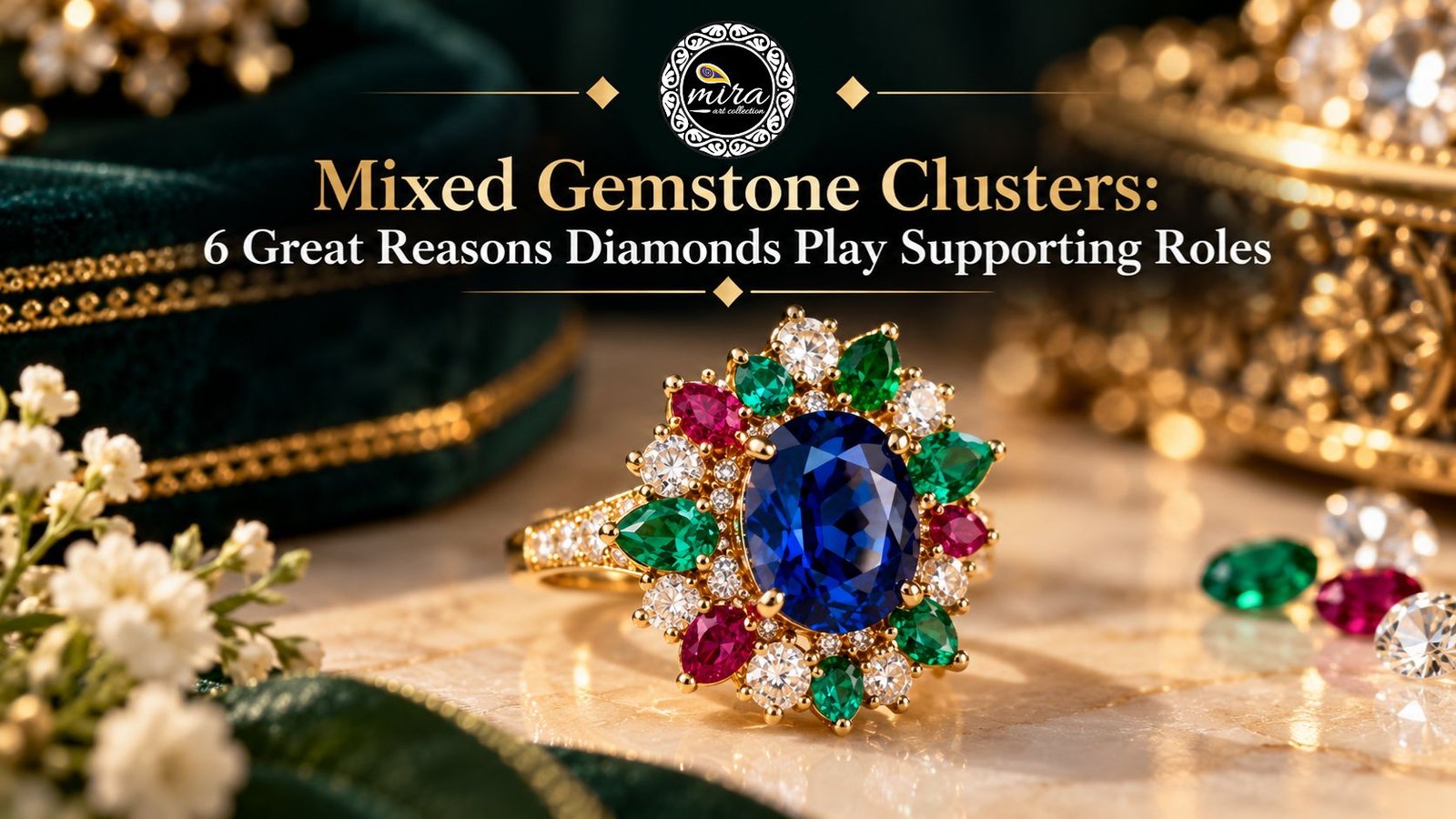
Mixed Gemstone Clusters: 6 Great Reasons Diamonds Play Supporting Roles
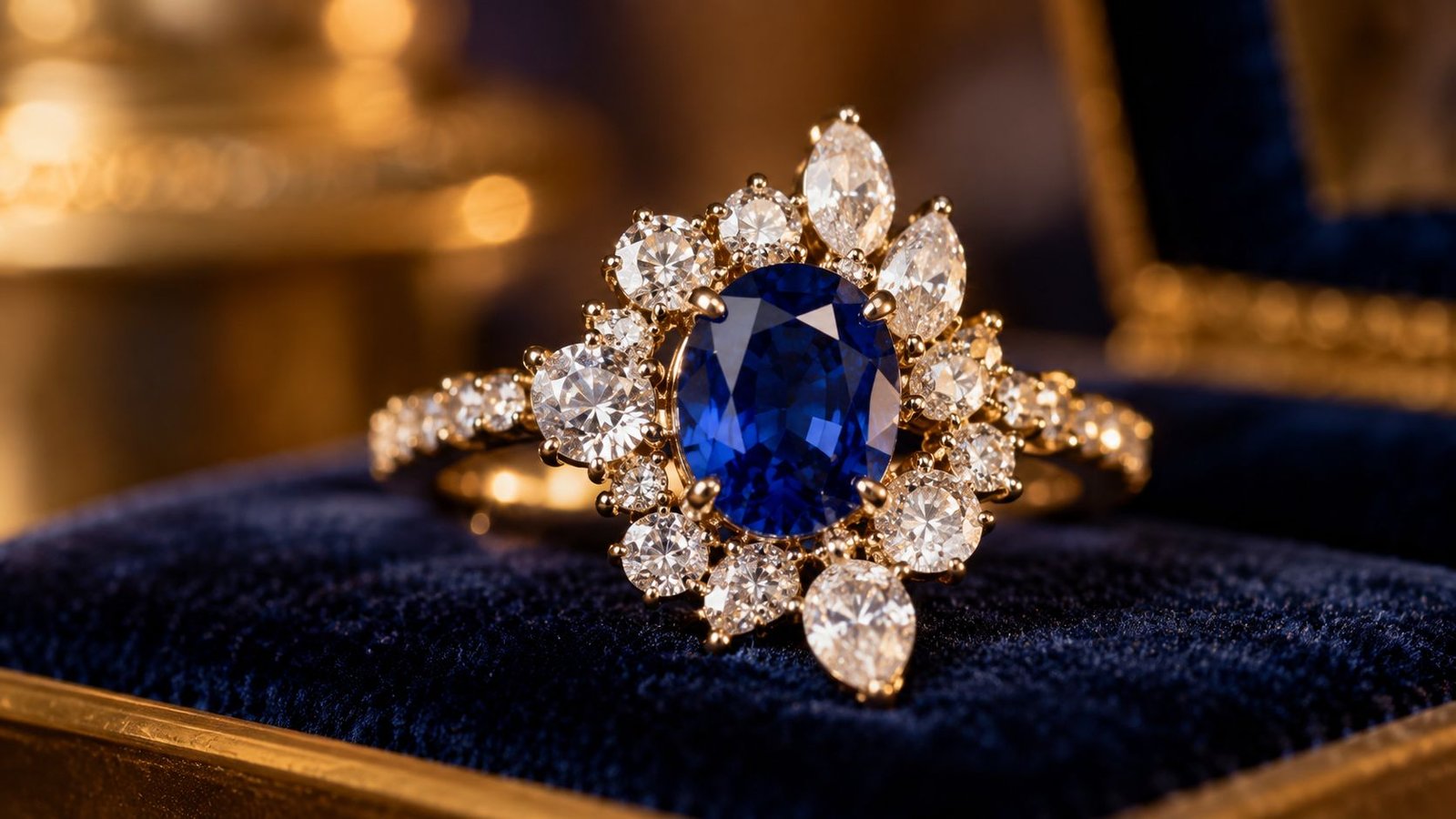
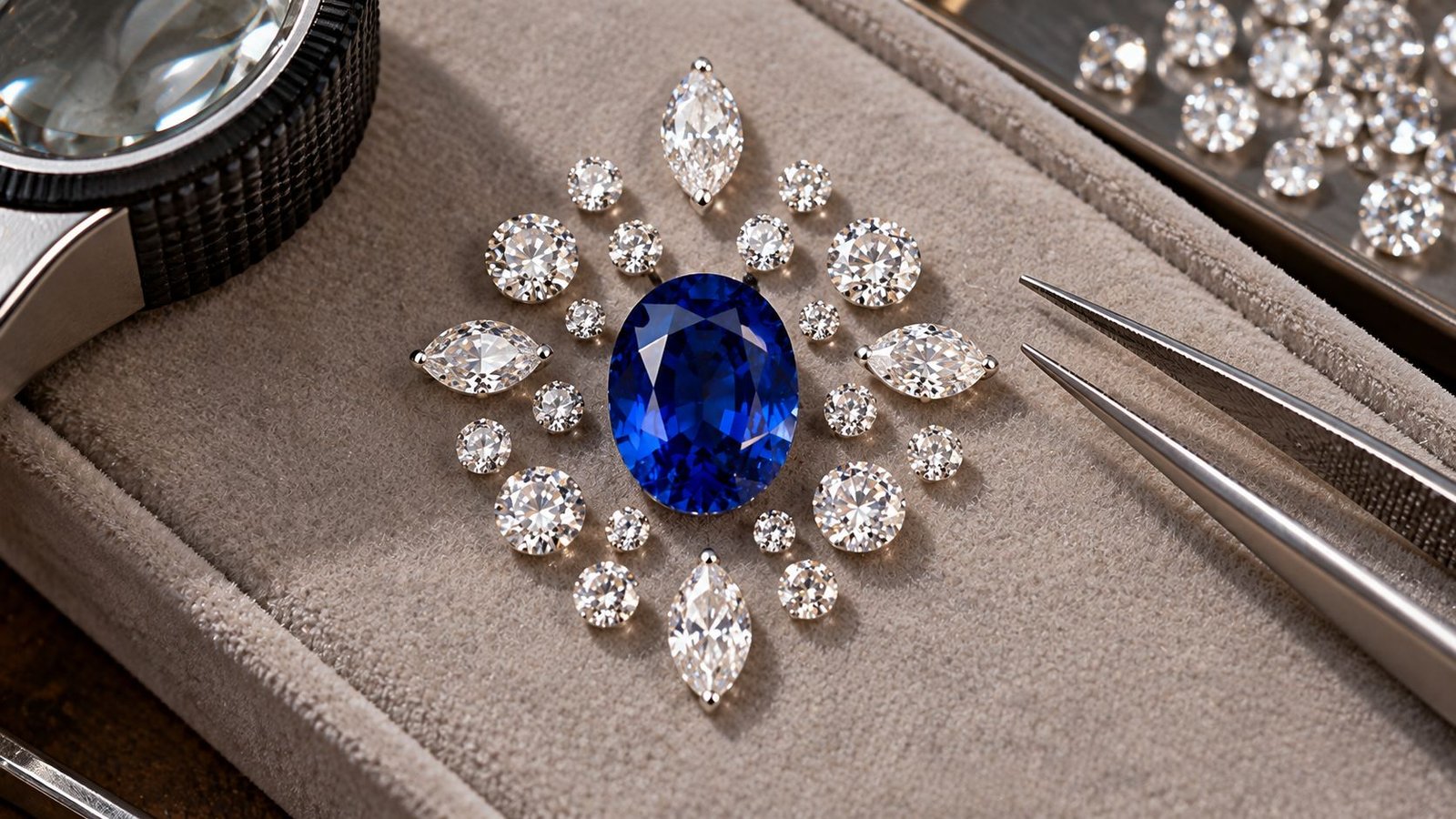
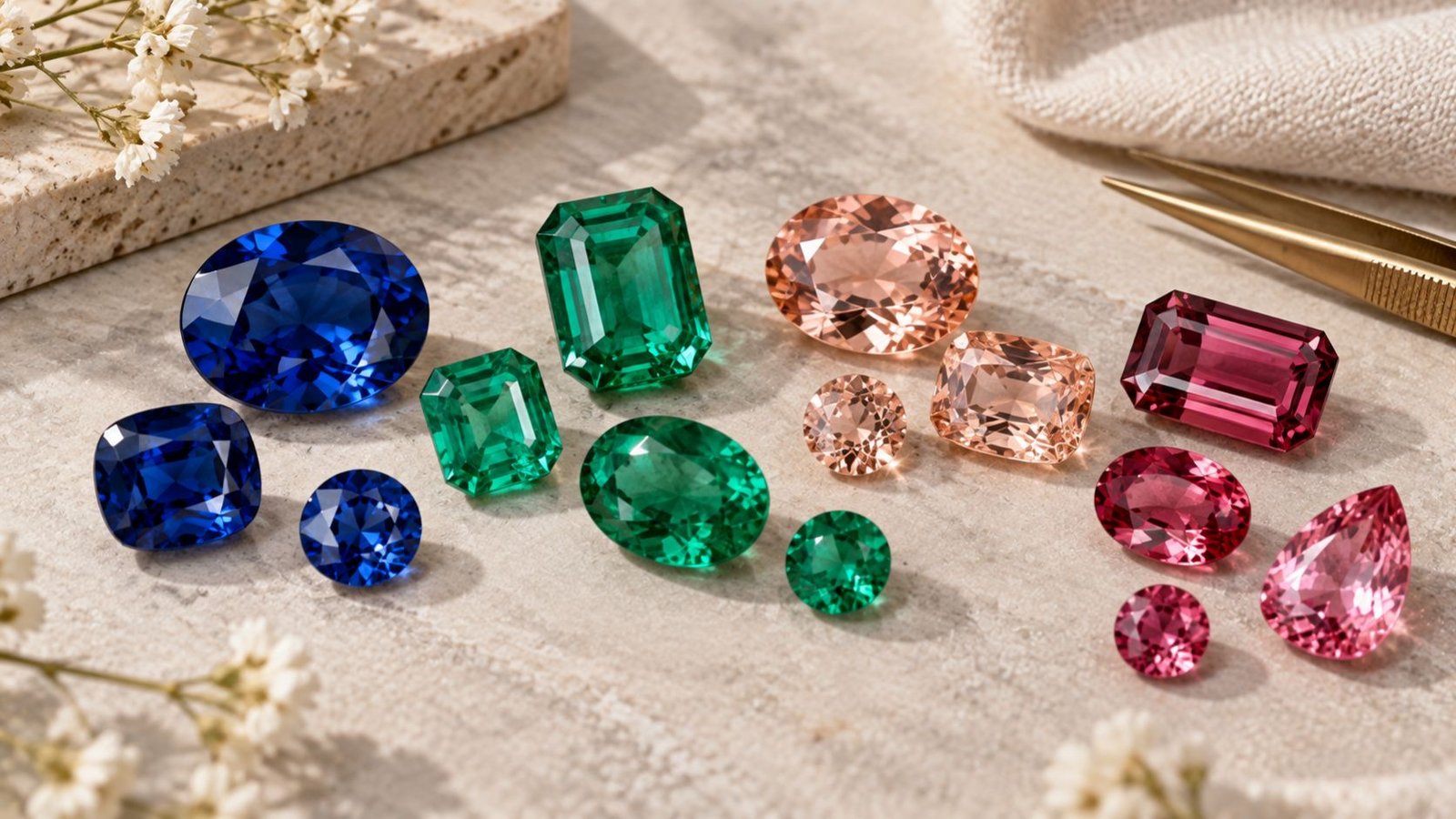
For most of modern jewellery history, the diamond has occupied an almost unquestioned leading role — the singular, dominant stone every other design element exists to frame and support. Coloured gemstones, when they appeared at all, typically played a distinctly secondary part, relegated to small accent positions flanking a diamond centrepiece that always remained the clear visual focus of the entire piece. Mixed gemstone clusters have genuinely inverted this long-standing hierarchy. In this increasingly popular design category, vivid sapphires, emeralds, rubies, and a growing range of other coloured gemstones take the starring position, while diamonds — frequently lab grown diamonds specifically — step into a supporting role, adding sparkle, structure, and contrast around a coloured centrepiece rather than serving as the dominant stone themselves. This is a genuinely significant shift in how jewellery gets designed and worn, and understanding why it has taken hold so strongly offers real insight into where broader jewellery design trends are heading. This guide walks through six specific reasons mixed gemstone clusters have become such a genuinely significant design trend, why lab grown diamonds specifically suit this supporting role so naturally, and what this all means for designers, wholesalers, and retailers navigating a jewellery market that increasingly values colour and individuality alongside — rather than strictly subordinate to — diamond content. Mixed gemstone clusters refer to jewellery designs built around a grouping, or cluster, of multiple gemstone types and often multiple gemstone shapes arranged together within a single cohesive piece, rather than centring the design around one dominant stone with smaller accent stones playing a purely secondary, structural role. A typical mixed gemstone cluster might feature a vivid coloured centre stone — a sapphire, emerald, or ruby, for example — surrounded by or interspersed among smaller diamonds and sometimes additional coloured stones of varying hues, creating a genuinely layered, visually complex composition quite different from the singular-focus design logic that has dominated diamond jewellery for generations. This design approach differs meaningfully from more traditional halo settings, where diamonds fully surround and visually frame a single dominant centre stone in a clearly subordinate, purely supportive role. Mixed gemstone clusters instead treat the overall colour and stone composition as a genuinely integrated design element, with diamonds contributing sparkle and visual structure without necessarily commanding the singular visual focus a traditional solitaire or halo design would direct toward them specifically. Mixed gemstone clusters reflect something considerably more significant than a passing aesthetic preference — they represent a genuine cultural shift away from the assumption that diamonds must automatically occupy the dominant, starring position in fine jewellery design. This shift connects meaningfully to broader design trends discussed elsewhere, including the renewed popularity of yellow gold and other vintage-inspired design elements, both reflecting a similar underlying desire for individuality, colour, and genuine personal expression rather than adherence to a single, historically dominant design formula centred entirely around diamond content and carat weight. Buyers increasingly express genuine preference for pieces that feel distinctly personal and individual, rather than following the same well-established diamond-centric template that has dominated engagement and fine jewellery design for the better part of a century. Mixed gemstone clusters answer this desire directly, offering genuine colour, visual complexity, and design individuality that a traditional single-diamond-focused piece simply cannot provide in the same way. A particularly interesting dimension of the mixed gemstone clusters trend involves how naturally lab grown diamonds suit this specific supporting role, compared to the singular centrepiece role diamonds have traditionally occupied. Because mixed gemstone clusters typically require a meaningful number of smaller accent and melee diamonds to achieve their layered, textured visual effect, the category depends heavily on exactly the kind of affordable, consistently matched small-stone production that lab grown diamond manufacturing excels at delivering at scale. This dynamic mirrors similar sourcing patterns discussed in relation to other melee-diamond-dependent jewellery categories, where lab grown diamond affordability has meaningfully expanded what designs are commercially viable to produce at accessible price points. Mixed gemstone clusters, often requiring a dozen or more small diamonds working in concert with a coloured centrepiece, benefit enormously from the cost efficiency lab grown melee production provides, making genuinely elaborate, visually rich cluster designs considerably more accessible than they would have been relying exclusively on natural diamond melee at historical pricing. Wholesalers and designers entering the mixed gemstone clusters category for the first time need to understand that coloured gemstone sourcing operates under meaningfully different rules than diamond sourcing does. Unlike diamonds, which benefit from the globally standardised 4Cs grading framework and consistent certification practices through major laboratories such as GIA, coloured gemstones lack an equivalently universal grading standard, with evaluation criteria varying considerably by specific gemstone type and, in some cases, by individual grading laboratory or regional market convention. Heat treatment and other enhancement processes are also considerably more common and more variably disclosed across different coloured gemstone categories compared to the relatively more standardised disclosure expectations now well established throughout the diamond industry specifically. Sapphires and rubies, for example, are frequently heat-treated to improve colour and clarity, a widely accepted industry practice but one requiring clear disclosure that buyers and wholesalers should actively confirm rather than assume occurred transparently as a matter of course. Designers and wholesalers building out a mixed gemstone clusters offering benefit genuinely from developing specific expertise in these coloured gemstone sourcing nuances, rather than assuming diamond industry sourcing practices and disclosure norms transfer directly and completely to coloured gemstone sourcing without meaningful adjustment. Successfully executing mixed gemstone clusters requires meaningfully more sophisticated design judgment than a traditional single-diamond-focused piece typically demands, since the designer must balance colour harmony, relative stone scale, and overall visual weight distribution across multiple distinct gemstone types simultaneously. A coloured centrepiece that is too visually dominant relative to its surrounding accent stones can create an unbalanced, top-heavy composition, while diamonds that compete too directly for visual attention rather than genuinely supporting the coloured centrepiece can undermine the piece’s intended colour-forward design concept entirely. Successful mixed gemstone clusters typically achieve this balance through careful attention to colour temperature harmony — ensuring warm and cool-toned stones are combined thoughtfully rather than clashing — alongside deliberate scale relationships that allow diamonds to add sparkle and visual texture without pulling attention away from the coloured centrepiece that defines the piece’s overall identity. This design sophistication represents a genuine skill distinct from traditional diamond-centric jewellery design, requiring designers to think compositionally across colour and material in a way singular-stone design simply does not demand to the same degree. A genuinely important practical consideration for mixed gemstone clusters involves durability planning across multiple distinct gemstone types, each carrying different hardness and structural vulnerability characteristics. Diamonds, sitting at the top of the hardness scale, present minimal durability concern on their own, but coloured gemstones vary considerably in both hardness and structural resilience — emeralds, for example, are both softer than diamond and typically carry more internal inclusions affecting structural integrity, making them genuinely more vulnerable to chipping or cracking under impact compared to sapphires, rubies, or diamonds themselves. This means mixed gemstone clusters incorporating a more vulnerable stone like emerald require overall piece design, setting choices, and buyer care guidance calibrated to that specific stone’s more delicate durability profile, rather than assuming the diamond content’s own excellent durability characteristics apply uniformly across the entire piece. Designers and retailers should proactively communicate these stone-specific care considerations to buyers, ensuring realistic expectations about how a specific mixed gemstone clusters piece should be worn and maintained given its particular combination of gemstone types. For retailers and designers, mixed gemstone clusters represent a genuinely significant opportunity for product differentiation within an increasingly crowded and competitive broader jewellery market. Rather than competing primarily on diamond carat weight and price within an extremely standardised, easily comparable product category, mixed gemstone clusters allow for considerably more creative, individually distinctive design work that is genuinely harder for competitors to replicate exactly, given the broader range of design and sourcing decisions involved in creating a successful, well-balanced piece. This differentiation opportunity carries genuine commercial value, since buyers specifically seeking individuality and distinctive design are often willing to pay a meaningful premium for genuinely unique pieces compared to more standardised, easily comparable diamond-centric designs readily available across countless competing retailers. Retailers and designers who develop genuine expertise in this category position themselves to capture this growing segment of buyers specifically seeking something distinctly different from conventional diamond-centric jewellery. Wholesalers building inventory to support mixed gemstone clusters demand need to develop sourcing relationships spanning both diamond melee production and coloured gemstone supply specifically, recognising these represent genuinely distinct sourcing categories requiring different supplier expertise and evaluation criteria. The melee diamond matching and sourcing skills we covered in our guide on tennis bracelets and necklaces apply directly here as well, given how heavily mixed gemstone clusters depend on consistently matched small diamonds to achieve their layered visual effect. Building genuine coloured gemstone sourcing expertise alongside existing diamond sourcing capability represents a meaningful but worthwhile investment for wholesalers specifically looking to capture this growing design category’s demand, rather than attempting to serve mixed gemstone clusters inventory needs purely through existing diamond-focused supplier relationships that may lack genuine coloured gemstone expertise or reliable sourcing access. Because mixed gemstone clusters combine multiple gemstone types with genuinely different durability and care requirements within a single piece, cleaning and maintenance guidance needs to reflect the most delicate stone present in any given piece, rather than defaulting to cleaning approaches appropriate only for diamond’s exceptional durability characteristics. Gentle, soap-and-water cleaning methods generally remain appropriate across most gemstone combinations, following broadly similar principles to standard diamond jewellery cleaning guidance, but buyers should specifically confirm appropriate care instructions for any more delicate gemstone included within a specific piece, since certain coloured stones genuinely require more cautious handling than diamond’s own excellent durability would otherwise suggest is necessary. Retailers selling mixed gemstone clusters pieces should proactively provide stone-specific care guidance at the point of sale, ensuring buyers understand exactly how to care for their specific piece’s particular combination of gemstone types, rather than assuming general diamond jewellery care guidance applies uniformly regardless of what other, potentially more delicate gemstones a specific piece actually contains. While mixed gemstone clusters can theoretically combine virtually any gemstone types, certain pairings have emerged as genuinely popular within current design trends, each offering a distinct aesthetic character worth understanding. Sapphire paired with diamond accents remains among the most enduringly popular combinations, offering a rich, versatile blue that pairs naturally with diamond’s cool brilliance while carrying excellent durability that suits everyday wear comfortably. Emerald paired with diamond accents delivers a more dramatic, saturated green that reads as genuinely distinctive and luxurious, though buyers should understand the durability considerations discussed above specifically apply to this particular combination. Morganite, a softly pink-toned gemstone that has grown considerably in popularity over recent years, pairs beautifully with diamond accents to create a notably romantic, softer overall aesthetic well suited to buyers seeking a more delicate, less saturated colour statement than sapphire or emerald typically provide. Multi-coloured clusters, incorporating several different gemstone hues within a single piece rather than pairing diamonds with just one dominant colour, represent a genuinely bolder design choice that has found particular favour among buyers specifically seeking maximum individuality and visual distinctiveness, often combining complementary or thoughtfully curated colour palettes across several different gemstone types simultaneously. Spinel and tourmaline have also gained meaningful traction within mixed gemstone clusters design specifically, valued partly for their genuinely excellent durability characteristics and partly for offering colour options outside the more traditional sapphire, ruby, and emerald trio, appealing to buyers specifically seeking something distinctly less conventional within the broader coloured gemstone category. Mixed gemstone clusters connect to a considerably broader shift happening across jewellery design more generally, reflecting growing buyer demand for genuinely personalised, individually meaningful pieces rather than standardised designs selected primarily from a limited catalogue of conventional options. This broader personalisation trend has also driven growth in custom and semi-custom design services more generally, as buyers increasingly seek pieces that reflect specific personal meaning, favourite colours, or individually curated gemstone combinations rather than defaulting to whatever standardised design happens to dominate a given retailer’s existing catalogue. Mixed gemstone clusters fit naturally within this broader personalisation movement, since the category’s inherent flexibility around gemstone selection, colour combination, and overall design composition allows for considerably more individual customisation than a traditional single-diamond-centric design typically accommodates. Retailers and designers who actively support this kind of collaborative, personalised design process — working with buyers to select specific gemstone combinations that hold genuine personal meaning, such as birthstones or colours connected to significant personal milestones — tend to build considerably stronger customer relationships and repeat business than retailers offering only standardised, pre-designed catalogue options exclusively. This connection between mixed gemstone clusters and the broader personalisation trend also helps explain why the category has resonated so strongly with younger buyers specifically, who have shown consistent preference across numerous product categories for individually meaningful, personally curated purchases over standardised, mass-produced alternatives, reinforcing the genuine, sustained nature of this broader design shift rather than treating it as a narrow or temporary trend confined purely to jewellery specifically. Mixed gemstone clusters represent a genuinely significant shift in jewellery design philosophy, moving away from diamond-centric design convention toward colour-forward, individually distinctive compositions where diamonds contribute meaningful sparkle and structure without necessarily commanding the singular visual focus they have traditionally held. Lab grown diamonds suit this supporting role particularly well, given how naturally their affordability and consistent melee production capability align with what this category genuinely requires to achieve its characteristic layered, textured visual effect at accessible price points. For designers, wholesalers, and retailers willing to invest in the genuinely distinct sourcing and design expertise this category demands, mixed gemstone clusters offer real opportunity for differentiation and growth within an increasingly competitive broader jewellery market — rewarding those who recognise diamonds no longer need to occupy the singular starring role to create genuinely compelling, commercially successful fine jewellery. Disclaimer: This article is intended for general informational purposes only and reflects general industry observations as of 2026. Gemstone durability, sourcing practices, and design trends vary by piece and retailer. Always consult a qualified jeweller for guidance specific to your purchase or design project.What Mixed Gemstone Clusters Actually Are
Reason 1: This Trend Represents a Genuine Shift Away From Diamond-Centric Design Culture

Reason 2: Lab Grown Diamonds Are Genuinely Well Suited to a Supporting Role
Reason 3: Coloured Gemstone Sourcing Operates Under Genuinely Different Rules
Reason 4: Thoughtful Design Requires Genuine Colour and Scale Balance

Reason 5: Durability Planning Must Account for the Weakest Stone in the Cluster
Reason 6: This Trend Opens Genuine New Revenue and Differentiation Opportunities
What This Means for Wholesalers Sourcing This Trend
Caring for Mixed Gemstone Cluster Jewellery
Popular Gemstone Combinations Within This Trend
How This Trend Fits Within the Broader Shift Toward Personalisation

The Bottom Line
Frequently Asked Questions