

Melee Diamond Jewelry: 6 Great Insights on Bracelets vs Necklaces
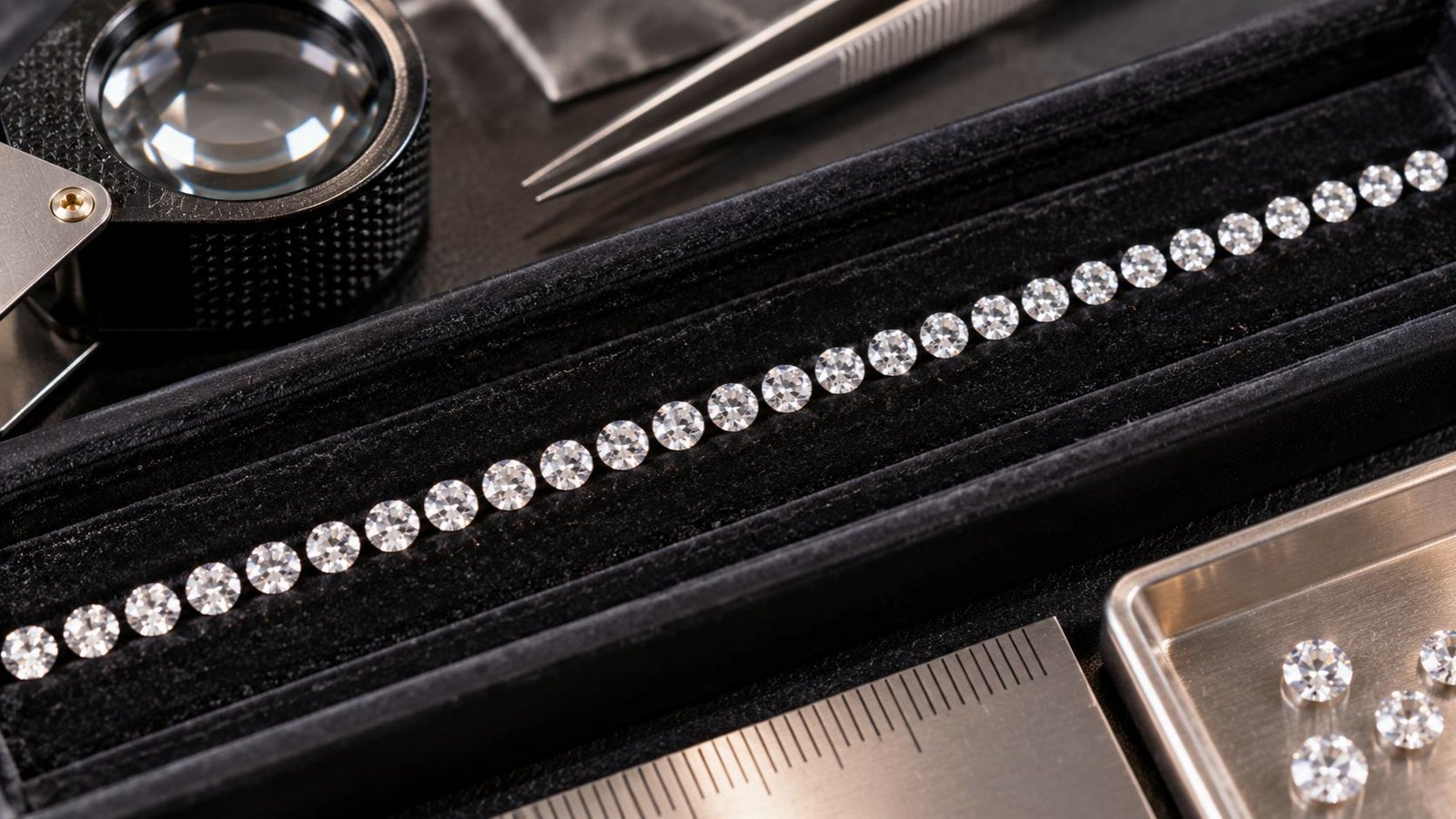
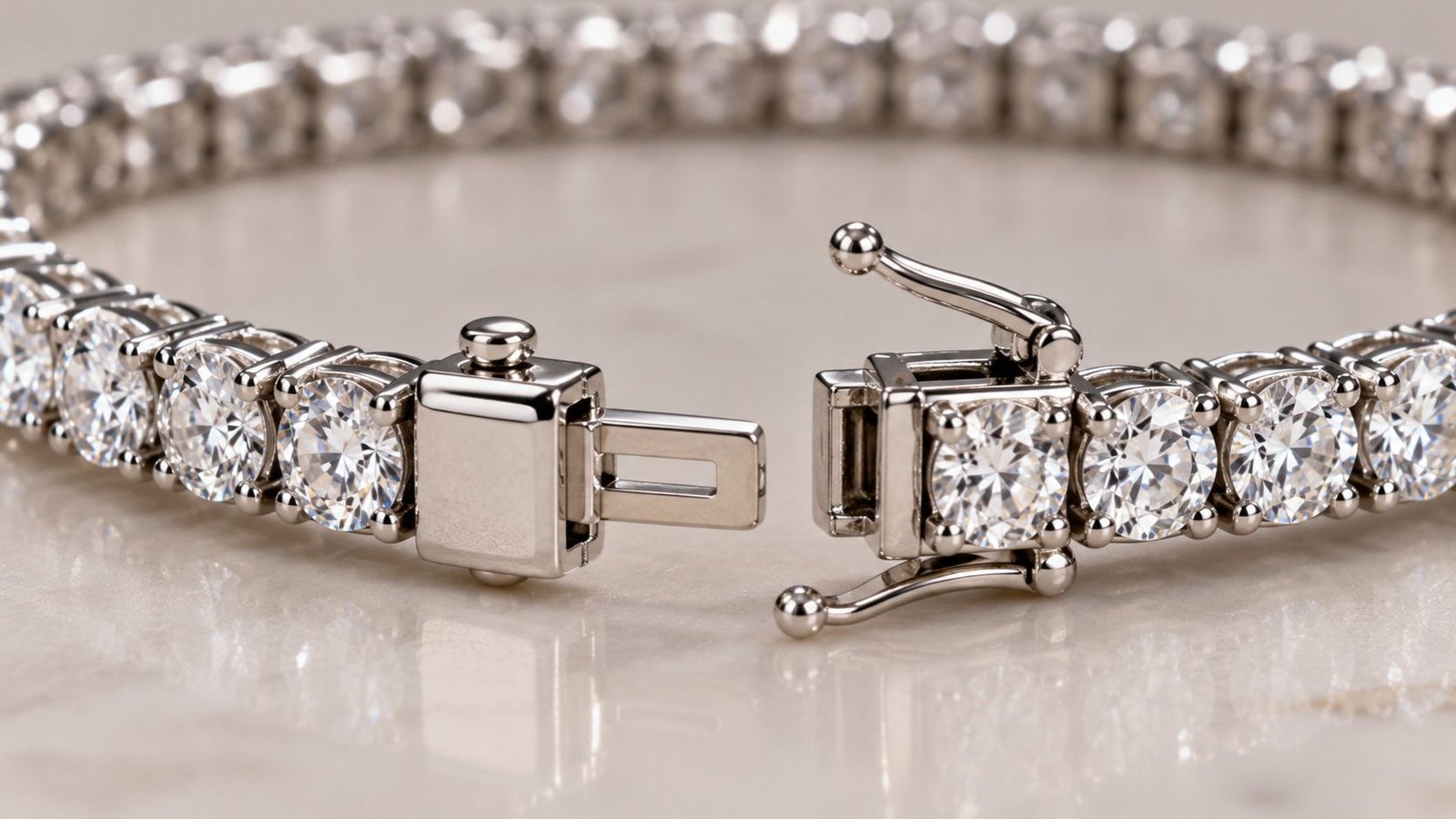
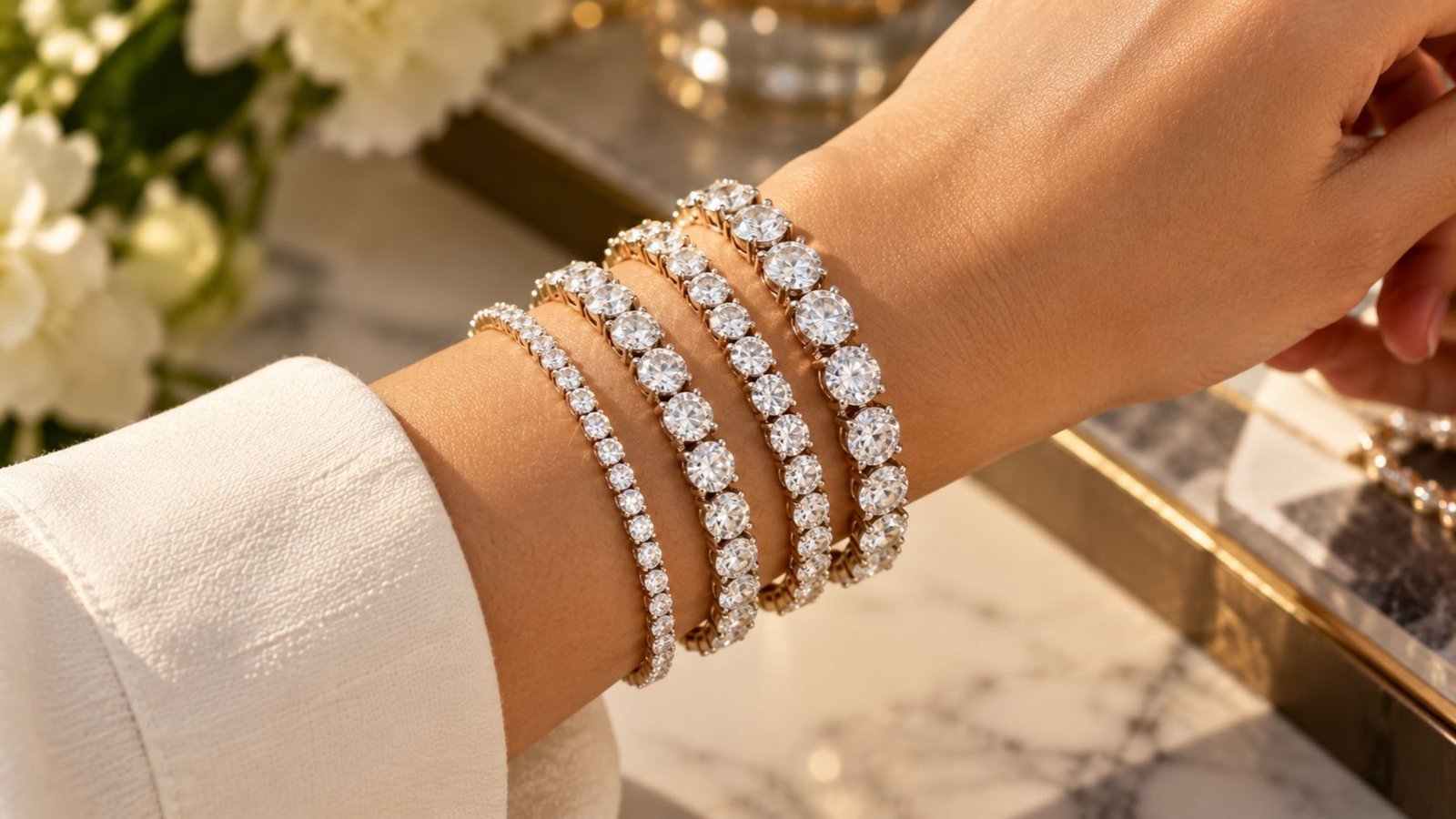
Tennis bracelets and tennis necklaces share the same fundamental design language — a continuous, unbroken line of small, precisely matched diamonds set to create one uninterrupted sweep of sparkle. Both formats have remained enduringly popular for decades, and both rely on exactly the same underlying material: melee diamonds, the small, carefully matched stones that make this continuous-line design possible in the first place. Given how similar these two formats are at their core, a genuinely interesting question emerges for buyers, wholesalers, and designers alike: which format actually makes better use of melee diamond jewelry as a category — delivering more visual impact, better value, and stronger practical performance per stone invested? The answer turns out to be more nuanced than a simple declaration that one format is universally superior, since bracelets and necklaces excel along genuinely different dimensions depending on what a buyer or retailer actually prioritises. This guide walks through six specific insights comparing how tennis bracelets and tennis necklaces each use melee diamond jewelry, covering total diamond requirements, visual impact, durability considerations, cost economics, and practical sourcing guidance for wholesalers stocking both formats. Before comparing the two formats directly, it helps to understand exactly what melee diamonds are and why they present a genuinely distinct sourcing challenge compared to a single centre stone purchase. Melee diamonds generally refer to small diamonds, typically under a quarter carat each, used in quantity rather than as a singular focal point. Both tennis bracelets and tennis necklaces depend entirely on melee diamond jewelry sourcing, since their signature continuous-line design requires dozens or even hundreds of individual stones set consecutively along the piece. The genuine sourcing challenge with melee diamond jewelry lies not simply in acquiring enough small stones, but in acquiring stones that match closely enough in size, colour, and clarity that the finished piece reads as one continuous, uniform line rather than a visibly inconsistent assortment of mismatched stones. Even small variations in size or colour between adjacent stones become noticeably distracting in a continuous-line design specifically, since the eye naturally compares each stone against its immediate neighbours along the entire length of the piece. This matching requirement applies equally to both bracelets and necklaces, but the scale of that matching challenge differs considerably between the two formats, which is precisely where the comparison genuinely begins. The most immediately obvious difference between the two formats involves sheer quantity. A typical tennis bracelet, sized to wrap comfortably around an average wrist, generally requires somewhere between 25 and 45 individual melee stones depending on stone size and design specifics. A tennis necklace, by contrast, needs to span the considerably greater distance around a neck, typically requiring anywhere from 60 to well over 100 individual stones to achieve the same continuous, unbroken line effect at a comparable stone size. This substantial difference in total melee diamond jewelry requirement has direct implications for both sourcing difficulty and overall cost. Assembling a matched parcel of 100-plus consistently sized, colour-matched stones for a necklace represents a meaningfully more demanding sourcing task than assembling a comparable 30 or 40-stone parcel for a bracelet, both in terms of the raw quantity needed and the increased statistical difficulty of finding that many stones matching closely enough in appearance across the entire finished piece. A genuinely interesting dimension of comparing melee diamond jewelry between these two formats involves how each piece is actually viewed and experienced in everyday wear. A tennis bracelet sits close to the wearer’s own eyes and is frequently viewed up close — both by the wearer glancing down at their own wrist and by others standing in relatively close conversational proximity. This close viewing distance means individual stone quality, matching precision, and light performance are scrutinised more closely and are genuinely more noticeable to an attentive observer. A tennis necklace, worn at chest height and typically viewed from a somewhat greater conversational distance, benefits more from the piece’s overall continuous sparkle and total visual scale rather than from the precise quality of any single individual stone within the line. This distinction matters considerably for how each format actually delivers value through its melee diamond jewelry content — a necklace’s greater total stone count creates a stronger cumulative visual statement from typical viewing distance, while a bracelet’s smaller stone count rewards closer inspection and benefits more from exceptional individual stone quality and matching precision specifically. Tennis bracelets endure meaningfully more physical stress during typical daily wear than tennis necklaces do, since wrist movement is nearly constant throughout a normal day — typing, cooking, exercising, and countless other everyday hand and wrist motions all place repeated flexing and impact stress directly on the bracelet’s setting and clasp mechanism. This makes secure, well-engineered prong and link construction particularly important for bracelets specifically, since a weakened setting is considerably more likely to result in a lost stone given how much more physical activity a bracelet experiences compared to a necklace. Tennis necklaces, worn at chest height, generally experience considerably less physical impact and flexing stress during normal daily wear, though clasp security remains genuinely important given how a necklace could otherwise slip off unnoticed, and chain or link integrity along the full length still matters for long-term durability. This difference in typical wear stress means melee diamond jewelry manufacturers often apply somewhat different, format-specific engineering priorities to bracelets versus necklaces, even when using broadly similar setting styles and techniques across both formats. Given the substantially higher total stone count required, tennis necklaces carry a meaningfully higher overall price point than comparable-quality tennis bracelets, even when both pieces use melee diamond jewelry of genuinely similar individual stone quality and grading. This cost difference reflects the straightforward reality that a necklace simply requires roughly two to three times the total diamond weight of a bracelet to achieve a comparable continuous-line visual effect at similar stone sizing. For budget-conscious buyers specifically prioritising overall sparkle and visual impact per dollar spent, tennis bracelets generally deliver considerably stronger value, since the smaller total stone requirement allows for a meaningfully lower entry price point while still delivering the signature continuous-line visual effect this design category is known for. Buyers specifically seeking maximum visual statement and total diamond weight, and who are working within a budget that comfortably accommodates the higher stone count required, will generally find tennis necklaces deliver a more dramatic overall visual presence, justifying their correspondingly higher price point for that specific priority. A significant recent shift affecting melee diamond jewelry demand across both formats involves the growing popularity of layering and stacking multiple pieces simultaneously, rather than wearing a single statement bracelet or necklace in isolation. Buyers increasingly stack multiple tennis bracelets together on one wrist, or layer a tennis necklace alongside additional pendant necklaces or chains at varying lengths, creating a considerably more elaborate overall look than the traditional single-piece styling this category has historically favoured. This layering trend has meaningfully increased total melee diamond jewelry demand per customer across the industry, since buyers embracing this styling approach frequently purchase multiple pieces rather than a single item, whether multiple bracelets in slightly varying stone sizes or a mix of necklaces at different lengths designed to layer attractively together. Retailers and wholesalers have responded by expanding available size and length options within both categories specifically to support this stacking and layering approach, recognising it as a genuine, sustained shift in how customers actually wear and purchase this category of jewellery rather than a passing trend likely to reverse quickly. Bringing these five insights together, the honest answer to which format better uses melee diamond jewelry genuinely depends on what specific outcome a buyer or retailer is prioritising. Tennis bracelets deliver superior value and sparkle-per-dollar efficiency, given their meaningfully lower total stone requirement, while also offering stronger everyday durability suited to a piece worn through constant hand and wrist movement. Tennis necklaces deliver a more dramatic total visual statement and greater overall diamond weight, better suited to buyers specifically prioritising maximum visual impact and willing to accept the correspondingly higher price point that greater total stone count requires. Neither format objectively outperforms the other across every relevant dimension simultaneously — each simply optimises for a different combination of priorities. Retailers serving a broad customer base benefit genuinely from stocking both formats robustly, since different customers within the same overall market segment will naturally gravitate toward whichever format better serves their own specific combination of budget, durability needs, and desired visual impact. For wholesalers building inventory across both tennis bracelets and tennis necklaces, several practical sourcing considerations follow directly from the insights above. Maintaining reliable supplier relationships capable of delivering large, consistently matched melee parcels at scale becomes particularly important for necklace production specifically, given the substantially higher total stone count required per piece compared to bracelets. Building these kinds of dependable, high-volume melee diamond jewelry sourcing relationships often benefits from the same relationship-building and communication practices that matter across international sourcing more broadly, including clear specifications, thorough written documentation, and realistic timeline expectations when working with overseas manufacturing partners — practices we covered in depth in our guide on managing diamond wholesaler relationships across time zones. Wholesalers should also consider stocking a genuinely broad range of stone sizes and lengths across both formats specifically to support the layering and stacking trend discussed above, since customers increasingly purchase multiple complementary pieces rather than a single standalone item. Offering bracelets in slightly varying stone sizes, and necklaces at multiple standard lengths designed to layer attractively together, positions a wholesaler’s inventory more effectively to capture this growing, sustained styling trend rather than serving only the traditional single-piece purchase pattern. Beyond the setting style along the main line of stones, clasp and closure engineering represents another meaningful point of difference between these two melee diamond jewelry formats. Tennis bracelets typically rely on a box clasp with a secondary safety catch, given how frequently a bracelet clasp experiences accidental snagging or knocking during normal daily wrist movement. This added safety mechanism has become close to a standard expectation for quality tennis bracelets specifically, since the consequences of an accidental clasp failure — losing an entire bracelet’s worth of matched melee diamonds — represent a genuinely significant loss that a simple, single-mechanism clasp does not adequately protect against. Tennis necklaces generally use a somewhat simpler clasp mechanism, often a lobster clasp or similar spring-loaded design, since the clasp sits at the back of the neck where it experiences considerably less direct physical contact and accidental snagging risk compared to a bracelet clasp positioned directly on an actively moving wrist. This does not mean necklace clasp quality matters less overall, simply that the specific failure risks differ enough between the two formats that manufacturers reasonably apply different closure engineering priorities to each. Buyers evaluating melee diamond jewelry purchases specifically should ask directly about clasp construction and any included safety mechanisms, particularly for bracelets, since this detail is easy to overlook when attention naturally gravitates toward the diamonds themselves, but it meaningfully affects the practical, real-world security of the piece during actual daily wear. Retailers and marketers working with melee diamond jewelry benefit from understanding that these two formats photograph and market somewhat differently, given their distinct viewing-distance characteristics discussed earlier. Tennis bracelets tend to photograph most effectively in close-up, detail-focused shots that allow potential buyers to genuinely appreciate individual stone quality and matching precision, since these details represent much of the format’s actual value proposition and are difficult to convey through a distant or full-body lifestyle shot alone. Tennis necklaces, by contrast, often benefit from a broader lifestyle photography approach that shows the piece worn at a more natural conversational viewing distance, allowing the necklace’s greater total visual scale and continuous sparkle to read clearly the way it would actually be experienced and appreciated in person. A close-up product shot certainly still has value for necklaces as well, particularly for highlighting stone quality to more detail-oriented buyers, but lifestyle-distance photography arguably does more to convey the format’s core value proposition compared to bracelets, where close-up detail shots carry proportionally more persuasive weight. Marketing copy for both formats benefits from being specific about total carat weight and stone count, since this concrete information helps buyers genuinely understand and compare the actual melee diamond jewelry content they are purchasing, rather than relying purely on photography and vague descriptive language to convey the piece’s underlying value and scale. Retail sales staff benefit considerably from understanding these format-specific trade-offs clearly enough to guide customers toward whichever option genuinely fits their specific priorities, rather than defaulting purely to whichever piece happens to carry a higher price point or margin. A customer specifically asking about value and everyday wearability is generally better served by a recommendation toward tennis bracelets, while a customer specifically seeking maximum visual statement for a special occasion piece may be genuinely better served by a tennis necklace recommendation, even at its correspondingly higher price point. Staff should also feel comfortable discussing the layering and stacking trend directly with customers who may not yet be aware of it, since this styling approach often opens up additional sales opportunities beyond a single standalone piece purchase, benefiting both the customer’s ultimate satisfaction with their overall look and the retailer’s broader sales performance across the melee diamond jewelry category. Tennis bracelets and tennis necklaces both showcase melee diamond jewelry beautifully, but they do so along genuinely different dimensions rather than one format simply outperforming the other universally. Bracelets deliver stronger value and durability suited to everyday wear, while necklaces deliver greater total visual impact and diamond weight at a correspondingly higher price point. Understanding these format-specific trade-offs clearly — rather than assuming one option is simply the objectively better choice — helps buyers, retailers, and wholesalers alike make genuinely informed decisions that match specific priorities, budgets, and styling goals. For an industry increasingly shaped by layering and stacking trends that favour owning multiple complementary pieces rather than a single standalone item, understanding how each format genuinely serves different needs has become more commercially relevant than ever, supporting smarter sourcing, merchandising, and customer guidance across the entire category. Disclaimer: This article is intended for general informational purposes only and reflects general industry observations as of 2026. Specific pricing, sourcing availability, and design trends vary by retailer and market. Always consult a trusted jeweller or supplier for guidance specific to your needs.What Makes a Diamond “Melee” and Why Matching Matters So Much
Insight 1: Necklaces Generally Require Significantly More Total Melee Diamond Weight

Insight 2: Visual Impact Plays Out Differently at Different Viewing Distances

Insight 3: Durability Demands Push Bracelet and Necklace Settings in Different Directions
Insight 4: Cost-Per-Piece Economics Favour Bracelets for Budget-Conscious Buyers
Insight 5: Layering and Stacking Trends Have Changed How Both Formats Get Worn
Insight 6: Which Format Actually Uses Melee Diamonds More Effectively — The Honest Answer
Sourcing Considerations for Wholesalers Stocking Both Formats
How Clasp and Closure Design Differs Between the Two Formats
Photographing and Marketing These Two Formats Effectively

Practical Guidance for Retailers Advising Customers
The Bottom Line
Frequently Asked Questions