

Second Marriage Rings: 5 Powerful Reasons Lab Diamonds Fit Perfectly
Choosing a ring for a second marriage has always carried a different emotional weight than a first engagement. There is often an unspoken question hovering in the background — should this ring look like the last one, or nothing like it at all? Should it cost more, less, or simply mean something different entirely? For a long time, jewellery marketing offered very few answers, largely because the entire industry was built around a single narrative: the once-in-a-lifetime engagement ring, purchased once, worn forever.
That narrative was never fully accurate, and it is becoming less accurate every year. A meaningful share of engagement and wedding ring purchases now involve buyers who have been married before, and the symbolism they are looking for is often deliberately different from what they chose the first time. Second marriage rings are no longer a quiet afterthought in the jewellery industry — they represent a distinct, growing category with its own emotional logic and its own purchasing patterns.
Lab grown diamonds have turned out to be an unusually good fit for this category, not by accident, but because several of their defining characteristics — affordability, flexibility, and freedom from inherited tradition — align closely with what buyers choosing second marriage rings are actually looking for. This article explores five specific reasons that fit has become so strong, and what it means for jewellers and wholesalers serving this growing segment of buyers.
Why Second Marriage Rings Need a Different Symbolic Framework

Traditional engagement ring symbolism carries a lot of inherited weight: permanence, singular commitment, the idea of a ring as a once-in-a-lifetime purchase tied to a once-in-a-lifetime relationship. For a buyer entering a second marriage, that framework can feel awkward at best and painful at worst. The ring is not meant to erase or compete with a previous chapter of life — it is meant to represent something new, chosen consciously, without the emotional shorthand a first engagement ring often carries.
This is where lab grown diamonds have found unexpected symbolic relevance. Because lab grown diamonds represent a genuinely newer category within the diamond world — grown deliberately rather than inherited from geological history — many buyers describe them as feeling appropriately fresh for a relationship that is itself a deliberate, conscious new beginning rather than a continuation of an old pattern.
Reason 1: Freedom From the “Second-Best” Comparison

One of the quieter but more persistent challenges buyers describe when choosing second marriage rings is the instinct to compare the new ring to the first one — in size, in cost, in style — even when no one else is making that comparison out loud. Lab grown diamonds offer a practical way to sidestep this comparison entirely, because the pricing structure is different enough from natural diamonds that a direct apples-to-apples comparison becomes less relevant.
A buyer choosing a lab grown diamond for a second marriage ring is not typically thinking in terms of “bigger than last time” or “smaller than last time” in the same way they might with a natural stone purchase, because the entire pricing and value framework feels distinct enough to stand on its own. This subtle reframing — choosing a ring within a different value system altogether — has proven genuinely helpful for buyers looking to avoid the shadow of comparison that traditional natural diamond purchasing can inadvertently invite.
Reason 2: Affordability Allows the Ring to Actually Fit This Chapter of Life
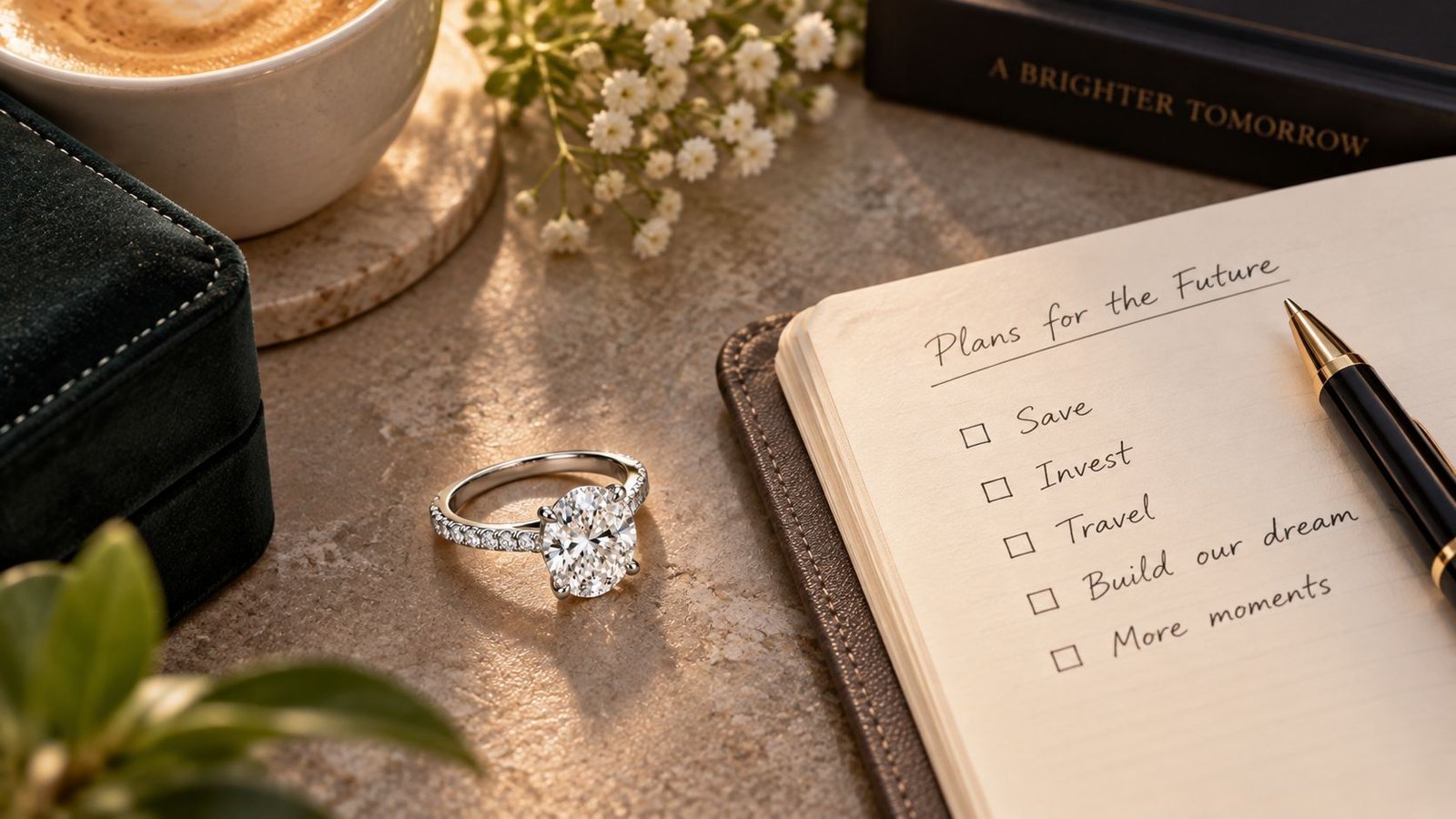
Financial circumstances for buyers entering a second marriage often look meaningfully different than they did during a first engagement — sometimes involving shared financial planning with a new partner, sometimes involving the practical realities of supporting children from a previous relationship, and often involving a more grounded, less idealised relationship with money generally after having been through significant life change.
Lower lab grown diamond prices allow buyers in this position to choose a ring that genuinely reflects what they want symbolically — whether that means a larger, more visually significant stone than they could have afforded with a natural diamond budget, or simply a beautiful ring purchased without financial strain layered on top of what is already an emotionally complex decision. This practical flexibility has made lab grown diamonds a genuinely popular choice specifically within the second marriage ring category, where buyers are often navigating more complicated financial and emotional circumstances than first-time engagement buyers typically face.
Reason 3: No Inherited Emotional Weight From Traditional Diamond Culture
Natural diamond marketing has spent nearly a century building a specific emotional narrative around engagement rings — one built on permanence, tradition, and a very particular vision of romance that does not always resonate with buyers who have already lived through the end of a marriage built on those same traditional expectations. For some buyers, choosing a lab grown diamond specifically avoids stepping back into that inherited narrative, allowing them to build symbolism around this relationship from scratch rather than inheriting an entire cultural script that did not necessarily serve them well the first time.
This does not mean lab grown diamonds are chosen purely as a rejection of tradition — for many buyers, the appeal is simply that lab grown diamonds do not come pre-loaded with the same weight of inherited meaning, leaving more room for the couple to define what the ring represents on their own terms rather than accepting a definition handed down by decades of traditional marketing.
Reason 4: Customization and Redesign Trends Fit Naturally
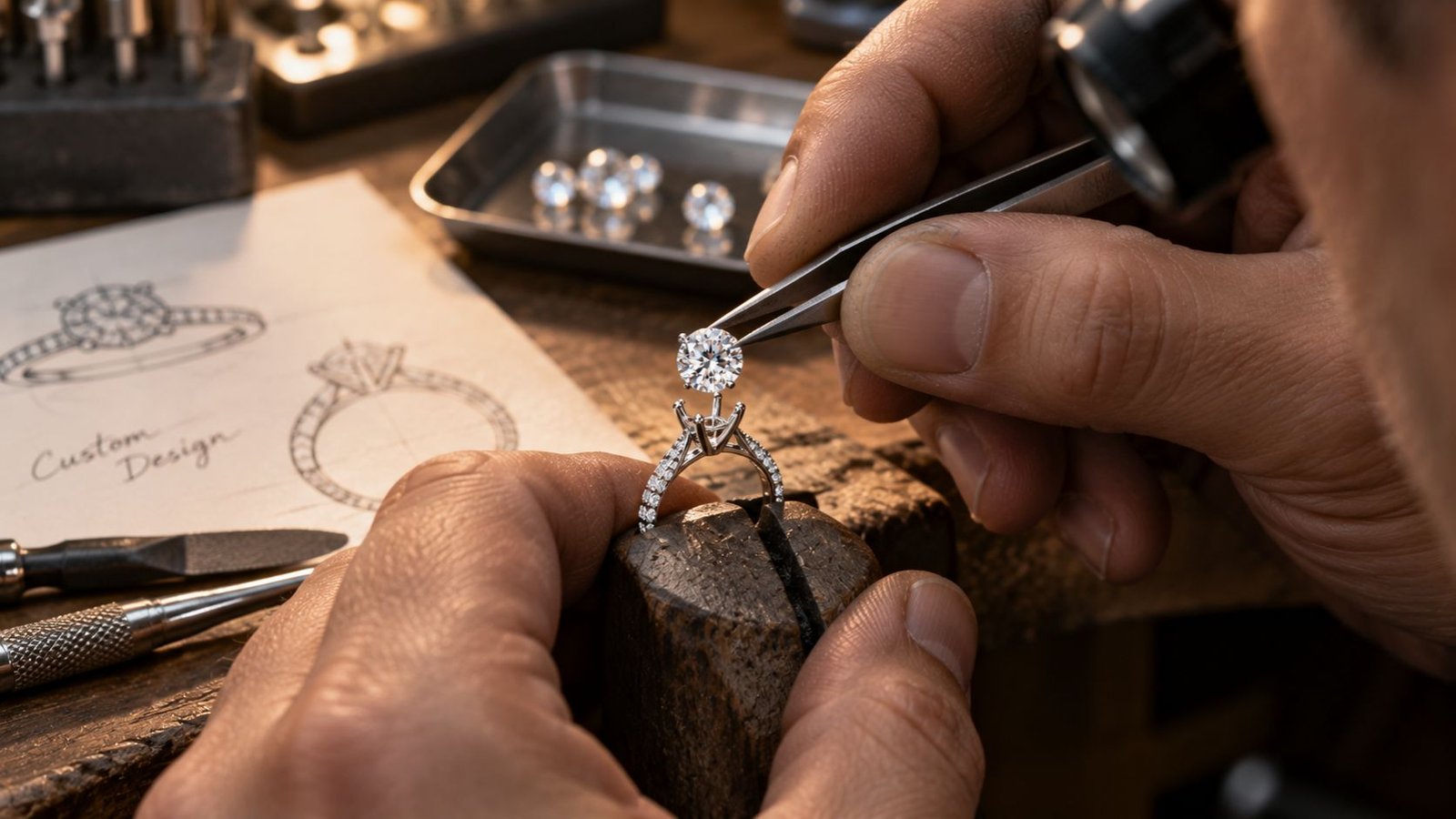
Second marriage ring buyers show a notably stronger interest in customization and redesign compared to first-time engagement buyers, and lab grown diamonds fit naturally into this pattern. Because lab grown diamonds are available at a wider range of price points and sizes without the steep cost escalation associated with larger natural stones, buyers have considerably more flexibility to design a completely custom piece — unusual stone shapes, mixed-metal settings, or asymmetrical designs — without the design itself being constrained primarily by budget.
A related and increasingly popular pattern involves buyers repurposing a diamond or setting from a previous piece of jewellery, sometimes from a family heirloom rather than a previous marriage specifically, and combining it with new lab grown diamond accents in a redesigned setting. This blending of old and new material carries its own symbolic resonance for many buyers, representing continuity with meaningful personal history while still marking a clear, deliberate new chapter.
Reason 5: A Broader Cultural Shift in How Remarriage Is Viewed

Perhaps the deepest driver behind the growth of the second marriage ring category is a broader cultural shift in how remarriage itself is perceived. Divorce and remarriage carry considerably less social stigma today than they did even a generation ago, and that shift has created space for jewellery symbolism to evolve alongside it, rather than forcing second marriage buyers to work within symbolism designed exclusively around first-time, lifelong commitment narratives.
As remarriage has become a more openly discussed and socially normalised life event, buyers have felt increasingly free to choose rings that reflect their actual circumstances and preferences rather than defaulting to traditional choices out of social expectation. Research from groups such as Pew Research Center has documented this broader normalisation of remarriage over recent decades. Lab grown diamonds, as a genuinely newer and less tradition-bound category within fine jewellery, have benefited directly from this broader cultural openness, since they represent a choice unburdened by the same inherited expectations that shaped diamond buying for previous generations. This mirrors a similar generational shift we explored in our piece on pop culture’s role in changing diamond perception.
What This Means for Jewellers and Wholesale Buyers

The growth of the second marriage ring category carries practical implications for jewellers and wholesale buyers building out inventory and sourcing strategy. Buyers in this category tend to request a wider range of non-traditional stone shapes and colours than first-time engagement buyers, including coloured lab grown diamonds in shades such as champagne, blue, and pink, which have grown in both availability and popularity as a way of signalling individuality and departure from traditional white diamond symbolism.
Customization capacity matters considerably more for this buyer segment than for standard catalogue engagement ring sales, making it worthwhile for retailers to build stronger relationships with suppliers capable of supporting semi-custom and fully custom design work rather than relying exclusively on standard mounted inventory. Retailers who can also support stone repurposing and redesign services — resetting an heirloom stone alongside new lab grown accents, for example — are well positioned to capture a segment of second marriage buyers specifically seeking that blend of continuity and renewal.
Sales approach also matters meaningfully for this category. Buyers choosing second marriage rings often respond poorly to sales language built around “once in a lifetime” framing, since it can feel emotionally tone-deaf to their actual circumstances. Retail and sales staff trained to approach this conversation with sensitivity, and without assuming every buyer is purchasing a first engagement ring, tend to build stronger trust and better conversion with this growing customer segment.
Addressing the Emotional Complexity Directly
It is worth acknowledging that the symbolism buyers bring to second marriage rings is genuinely varied and personal. Some buyers want a ring that explicitly signals a fresh start and deliberately avoids resembling their previous ring in any way. Others want continuity with meaningful family history through repurposed stones or heirloom settings. Still others simply want a beautiful ring without attaching much symbolic weight to the decision at all, preferring to keep the focus on the relationship itself rather than the object representing it.
Lab grown diamonds work well across this full range of emotional approaches precisely because they do not force a single symbolic narrative onto the buyer. Their flexibility in price, size, colour, and customization allows the ring to be shaped around whatever meaning the couple actually wants it to carry, rather than requiring the couple to adapt their intentions to fit a rigid, tradition-bound product category.
The Bottom Line
Second marriage rings represent a genuinely distinct category within fine jewellery, shaped by emotional considerations that differ meaningfully from first-time engagement purchases. Lab grown diamonds have proven to be an unusually strong fit for this category — not through deliberate marketing targeting, but because their affordability, flexibility, and freedom from inherited tradition align naturally with what buyers navigating this chapter of life are actually looking for.
For jewellers and wholesalers, recognising second marriage rings as a distinct segment with its own customization needs, stone preferences, and sales approach offers a genuine opportunity to serve a growing customer base thoughtfully, rather than treating every diamond ring purchase as though it follows the same traditional script.
Frequently Asked Questions
Their affordability, flexibility, and lack of inherited tradition make it easier for buyers to design a ring that reflects this specific relationship rather than comparing it to a previous one.
Yes. Many buyers combine a repurposed heirloom or previous stone with new lab grown diamond accents in a redesigned setting for a blend of continuity and renewal.
Often, yes. Non-traditional shapes and coloured lab grown diamonds, such as champagne, blue, or pink stones, are notably more popular within this buyer segment.
There’s no set rule. Many buyers deliberately avoid comparing cost to a previous ring, and lab grown diamond pricing makes that comparison feel less relevant anyway.
Traditional diamond marketing carries inherited narratives around permanence and singular commitment that don’t always resonate with buyers who have already experienced a marriage ending.
Yes. Buyers in this category show notably higher interest in customization and redesign compared to first-time engagement ring buyers.
Avoiding “once in a lifetime” sales language and approaching the conversation with sensitivity tends to build more trust with this customer segment.
Yes. As remarriage has become more socially normalised, buyers feel freer to choose rings that reflect their actual preferences rather than traditional expectations.
A wider range of coloured lab grown diamonds, flexible carat and shape options, and strong support for semi-custom and custom design work.
Disclaimer: This article is intended for informational and educational purposes only. Perspectives on symbolism, buyer behaviour, and cultural trends discussed here are based on general industry observation as of 2026 and may not reflect every individual’s experience or preference. Always consult a trusted jeweller or gemological professional when making purchasing or customization decisions.