

Pop Culture Diamonds: 6 Ways Visibility Is Winning Over Buyers
There was a time, not long ago, when a diamond’s origin story stayed almost entirely behind the counter. Buyers trusted the setting, trusted the certificate, and rarely asked deeper questions about where the stone actually came from or how it was made. That quiet trust has been replaced by something far more visible, far more public, and far more influential: pop culture.
Pop culture diamonds — diamonds that gain visibility and meaning through music, film, television, social media, and celebrity culture rather than through traditional jewellery marketing alone — have become one of the most powerful forces reshaping how buyers think about diamond origin. What used to be a private purchasing decision made quietly at a jewellery counter is now, for many buyers, a decision shaped by what they have seen worn, discussed, and normalised across the culture around them.
This shift matters enormously for lab grown diamonds specifically. A category that once had to overcome quiet scepticism about whether a laboratory-grown stone was “really” a diamond has been carried into the mainstream largely through visibility rather than through traditional advertising. Understanding how that visibility actually works — which cultural channels matter most, and why — offers a genuinely useful lens for anyone trying to understand where diamond buyer perception is heading next.
Why Pop Culture Visibility Matters So Much for Diamond Perception
Diamonds occupy a strange position among luxury goods. Unlike a handbag or a watch, most buyers cannot independently evaluate a diamond’s quality just by looking at it. Trust has always had to come from somewhere external — a jeweller’s reputation, a certification body, or, increasingly, cultural visibility that makes a particular category of stone feel normal, familiar, and socially validated.
This is precisely why pop culture diamonds carry so much weight in shaping perception. When a buyer repeatedly sees diamonds — lab grown or otherwise — worn comfortably and confidently across music, film, and social platforms, that repeated exposure does something advertising alone struggles to achieve: it builds a sense of social proof. If diamonds of a certain type are visibly embraced across culture, buyers infer that the category has already been vetted, tested, and accepted by people whose taste and judgment they already trust or admire.
For lab grown diamonds, this effect has been especially significant, because the category had a genuine perception hurdle to overcome. Cultural visibility has done more to normalise lab grown stones in the public imagination than any single piece of traditional marketing could have achieved on its own.
Way 1: Music and Hip-Hop Culture’s Long Relationship With Diamonds
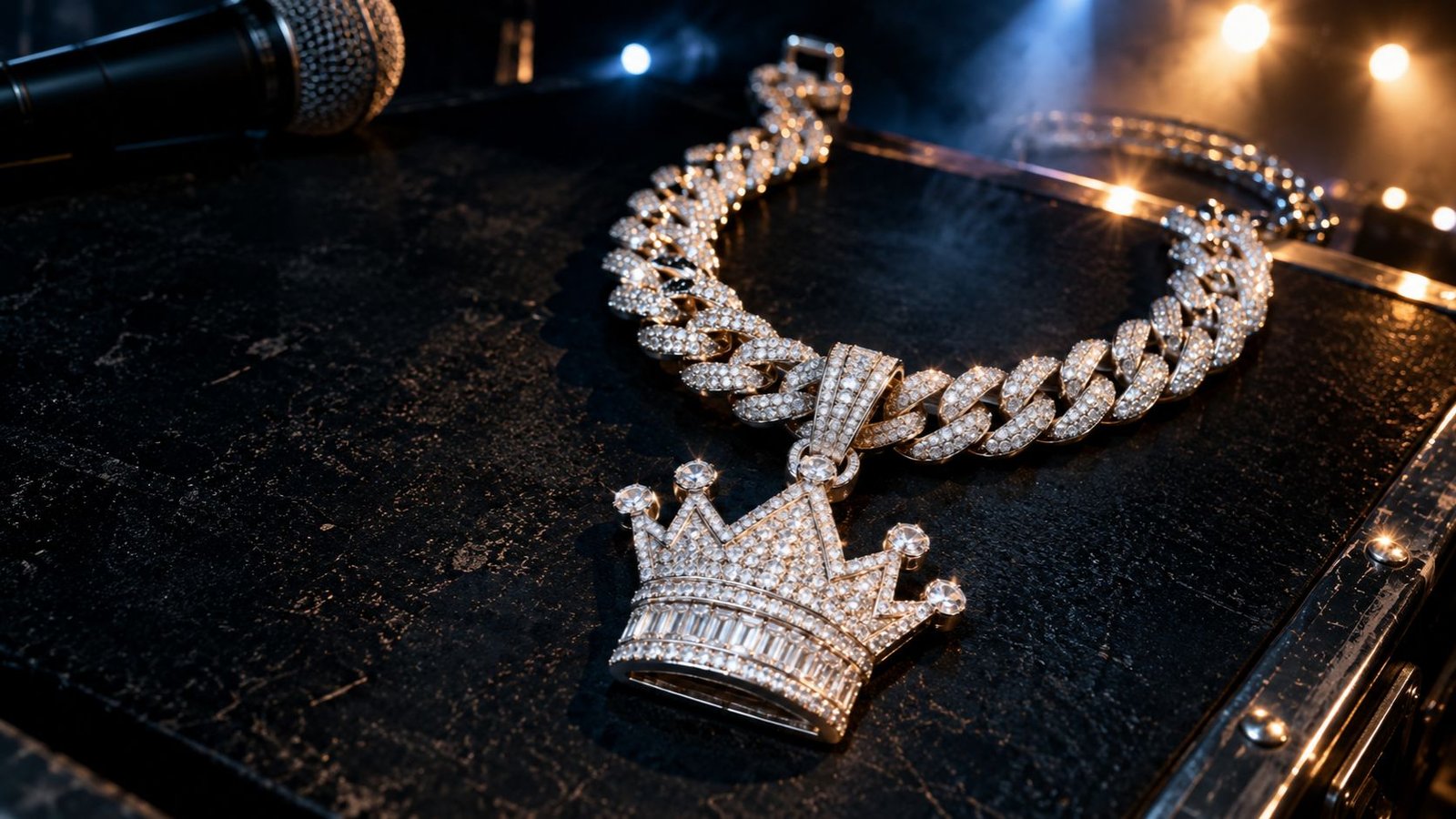
Diamonds have held a prominent place in music culture, particularly hip-hop, for decades, functioning as a visible symbol of success, style, and status within music videos, album artwork, and performance jewellery. As lab grown diamonds have become commercially viable at the scale and boldness that music culture favours — large, heavily set pieces rather than modest, understated jewellery — they have found a natural and increasingly visible home within this space.
Because music culture has always treated diamonds as a visual and cultural statement rather than purely as an investment or a symbol of natural scarcity, it has proven to be one of the more receptive cultural spaces for lab grown stones. The emphasis on scale, boldness, and personal expression aligns naturally with what lab grown production now makes affordable, and that alignment has helped pop culture diamonds gain visibility in exactly the spaces where diamond jewellery already commanded significant cultural attention.
Way 2: Red Carpet Moments and Celebrity Styling

Red carpet events remain one of the most closely watched showcases for fine jewellery, generating enormous media coverage and public discussion around what is worn and by whom. As stylists and jewellery houses have increasingly incorporated lab grown pieces into red carpet styling, sometimes explicitly noted in press coverage and sometimes simply worn without particular fanfare, the visibility has done quiet but meaningful work in normalising the category among a broad, highly engaged audience.
The specific power of red carpet visibility lies in its aspirational framing. Red carpet jewellery has historically represented the highest tier of achievable glamour, and when that same visual register includes lab grown pieces, it communicates implicitly that the category has been embraced at the top of the cultural hierarchy rather than positioned as a compromise or budget alternative.
Way 3: Social Media and the Rise of the Diamond Unboxing
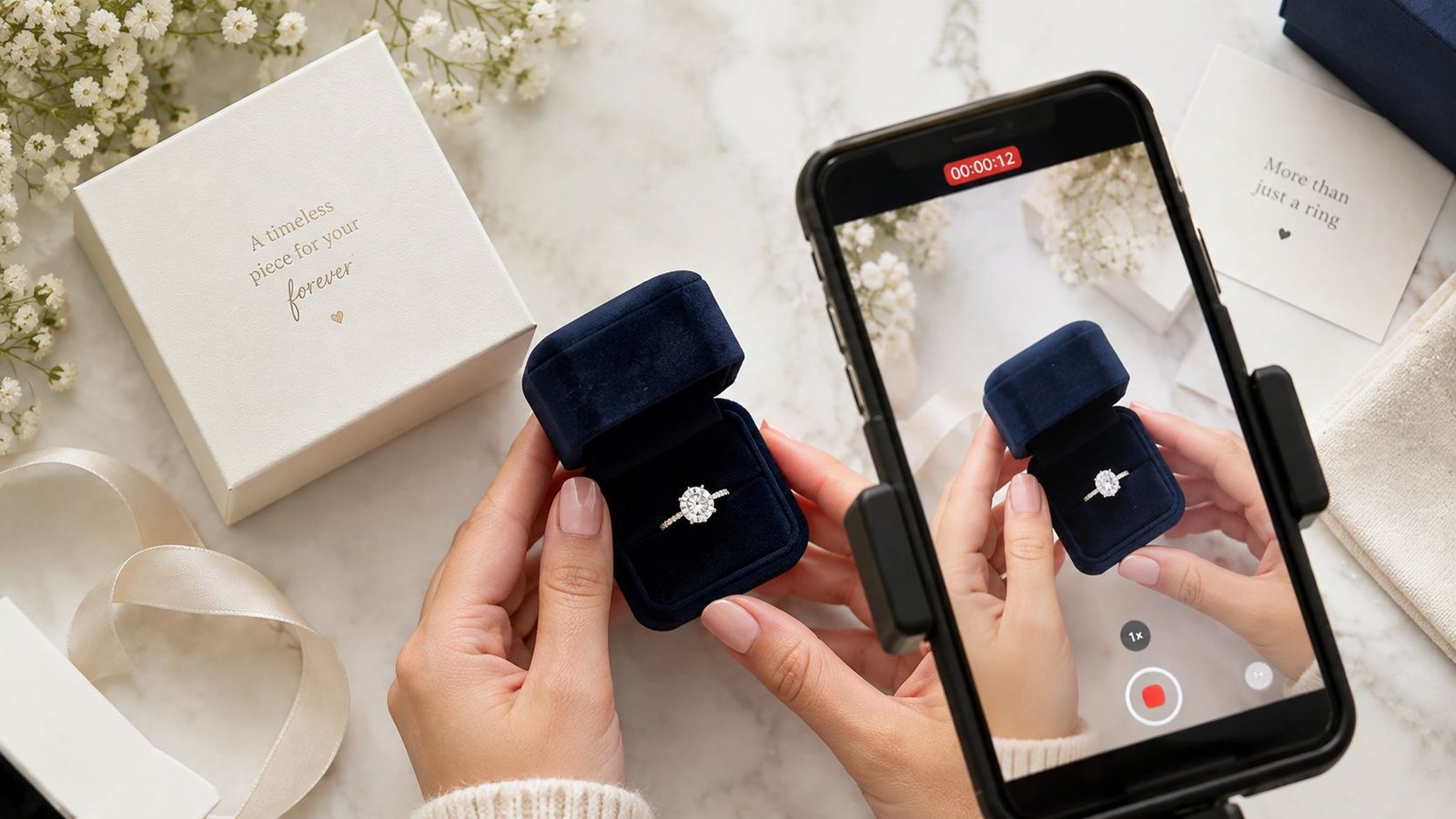
Perhaps no channel has done more to accelerate pop culture diamonds into mainstream visibility than social media, and specifically the rise of jewellery “unboxing” and reveal content. Engagement ring reveals, gift unboxings, and jewellery haul videos have become a consistently popular content category across visual platforms, and lab grown diamonds feature prominently within this content, often discussed openly and without stigma by creators explaining their purchasing decisions to their audiences.
This format matters because it operates differently from traditional celebrity endorsement. Social media creators, even those with large followings, are typically perceived as more relatable and more transparent than traditional celebrities, and their willingness to openly discuss choosing a lab grown diamond — including price comparisons, certification details, and personal reasoning — has done significant work in destigmatising the category for everyday buyers who see themselves reflected in that content far more directly than in traditional advertising.
Way 4: Film, Television, and Streaming Narratives
Scripted film and television have historically played a complicated role in diamond perception, sometimes reinforcing natural diamond romanticism and sometimes directly challenging it, as seen in earlier films that drew public attention to the ethical complications of natural diamond sourcing. More recently, television programming — particularly reality programming centred on weddings, engagements, and relationships — has begun incorporating lab grown diamonds into storylines and casual dialogue in ways that treat the category as an unremarkable, normal choice rather than a plot point requiring explanation.
This kind of incidental, unremarked-upon visibility may actually carry more long-term influence on perception than more overt endorsement moments. When a television program simply shows a character choosing a lab grown diamond without treating it as noteworthy, it reinforces the idea that this is now simply a normal part of the cultural landscape rather than an alternative requiring justification.
Way 5: Athletes and Sports Culture

Professional athletes occupy a similar cultural position to musicians in terms of jewellery visibility, often wearing bold, statement jewellery pieces that are widely photographed and discussed across sports media and social platforms. As with music culture, sports culture has generally embraced scale and visual impact in jewellery choices, which aligns naturally with what lab grown diamond affordability now makes possible.
Sports media coverage also tends to reach demographics that traditional jewellery marketing has historically struggled to engage directly, particularly younger male audiences who may not otherwise encounter diamond jewellery content through conventional channels. This makes athlete visibility a particularly effective, if often underappreciated, driver of pop culture diamonds reaching audiences that might not otherwise form opinions about the category at all.
Way 6: Documentary and Awareness Content
A quieter but meaningful channel has been the growth of documentary and long-form journalism content addressing diamond sourcing, ethics, and the growth of lab grown alternatives directly. Unlike entertainment-driven visibility, this content tends to reach audiences actively seeking information before making a purchasing decision, and it has played an important role in providing the factual, educational grounding that complements the more emotionally driven visibility generated through music, film, and social media.
This combination — emotionally resonant visibility through entertainment culture paired with informational grounding through documentary and journalism content — has proven particularly effective at moving buyers from initial awareness through to confident purchasing decisions.
What This Visibility Means for Buyer Perception
The cumulative effect of pop culture diamonds appearing consistently and positively across these channels has been a genuine shift in how buyers perceive lab grown stones. Surveys conducted by jewellery industry organisations through the mid-2020s have consistently shown declining stigma and rising acceptance of lab grown diamonds among younger buyers in particular, a shift that correlates closely with the period of accelerating cultural visibility described above.
Importantly, this shift has not been driven primarily by buyers independently researching diamond production methods and reaching informed conclusions on their own. For most buyers, cultural visibility came first, providing social permission and normalisation, with more detailed research into certification and production methods often following only after the category had already begun to feel familiar and acceptable through repeated cultural exposure. Consumer research bodies such as the Jewelers of America have tracked similar generational shifts in attitude toward lab grown diamonds over this same period. For a closer look at how that growing comfort with lab grown stones is also reshaping buying patterns around size and value, see our earlier piece on center stone size trends.
What This Means for Retailers and Marketers
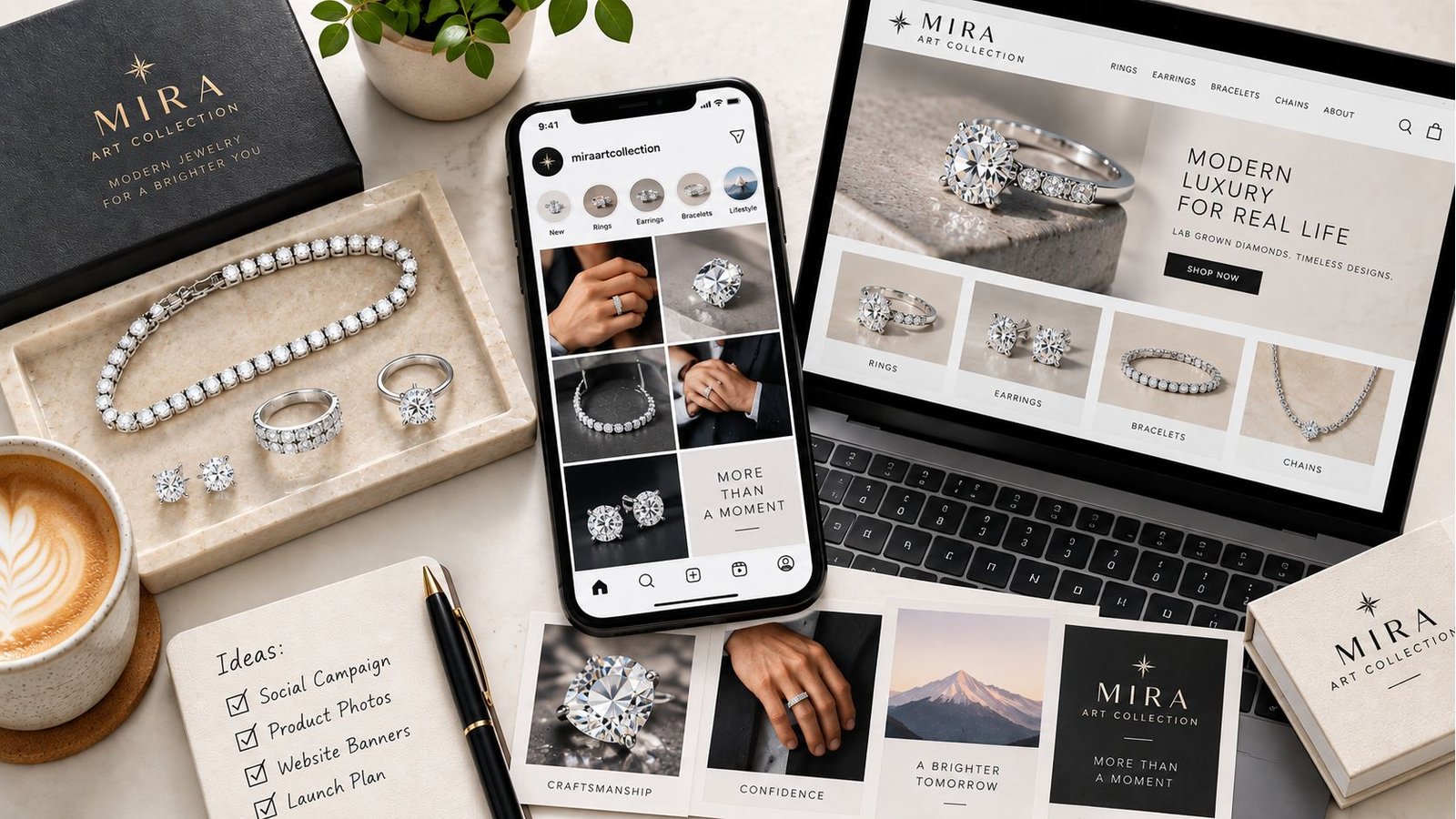
For retailers and marketers working in the lab grown diamond space, the influence of pop culture diamonds suggests several practical strategic considerations. Partnering with content creators for authentic, unscripted discussion of lab grown diamonds tends to build more durable trust than traditional celebrity endorsement deals, since audiences increasingly value perceived authenticity over polished promotional content. Ensuring product imagery and marketing reflects the bold, visually striking styling favoured in music and sports culture, rather than exclusively traditional, understated jewellery photography, helps retailers connect with demographics being reached through those cultural channels. And recognising that documentary and educational content serves a complementary rather than competing role to entertainment-driven visibility allows marketers to support both channels rather than treating them as separate audiences.
Are There Risks to This Visibility-Driven Shift?
Cultural visibility is a powerful but imperfect tool for shaping perception, and it carries some risks worth acknowledging. Visibility driven primarily by entertainment and social media can sometimes outpace genuine buyer understanding of what they are purchasing, leading to situations where buyers adopt a category because it feels culturally validated without fully understanding certification, quality grading, or pricing considerations. This makes the complementary role of educational and documentary content particularly important, since it helps ensure that cultural enthusiasm is eventually matched by informed purchasing decisions rather than purely trend-driven ones.
There is also a risk that visibility trends can shift quickly, and a category that gains prominence through cultural association can just as easily lose visibility if cultural attention moves elsewhere. Retailers and marketers relying heavily on cultural visibility as a growth driver should be mindful of building durable brand trust and product understanding alongside cultural momentum, rather than depending on visibility alone to sustain long-term category growth.
What Comes Next for Pop Culture Diamonds
The trajectory of pop culture diamonds through the remainder of the decade is likely to continue building on the channels already driving visibility, with social media and creator-driven content likely to remain the single most influential channel given its scale, relatability, and continued growth across platforms. As lab grown diamonds become even more thoroughly normalised, it is plausible that the category will eventually require less explicit cultural discussion altogether, simply appearing as an unremarked, default choice across entertainment and media — arguably the strongest possible sign that a genuine cultural shift in perception has taken hold.
The Bottom Line
Pop culture diamonds have done something traditional jewellery marketing struggled to achieve on its own: they made lab grown diamonds feel normal, familiar, and culturally validated to a broad and diverse audience. Through music, red carpet moments, social media, film and television, sports culture, and educational content working together, visibility has reshaped buyer perception far more effectively than direct advertising alone could have managed.
For anyone working in the lab grown diamond industry, understanding this dynamic is essential — not because cultural visibility can be manufactured or fully controlled, but because recognising how and why it works allows retailers, marketers, and brands to participate authentically in a shift that is already well underway.
Frequently Asked Questions
It refers to how diamonds, particularly lab grown diamonds, gain visibility and social acceptance through music, film, television, social media, and celebrity culture rather than traditional advertising alone.
Because diamond quality is hard to judge independently, buyers rely on social proof, and cultural visibility signals that a category has already been accepted and validated by others.
Social media, particularly creator-driven unboxing and reveal content, is widely considered the most influential channel due to its scale, relatability, and reach.
Yes. Red carpet visibility carries strong aspirational framing, signalling that lab grown diamonds have been embraced at the highest tier of glamour rather than positioned as a compromise.
Music culture has long embraced bold, statement diamond jewellery, and lab grown diamonds’ affordability at scale has aligned naturally with that visual style.
Yes. Documentary and journalism content provides the informational grounding that complements emotionally driven entertainment visibility, helping buyers move from awareness to informed decisions.
Yes. Visibility can outpace genuine buyer understanding, and cultural attention can shift quickly, so building durable brand trust alongside visibility matters.
By partnering authentically with content creators, reflecting bold styling trends in product imagery, and supporting educational content alongside entertainment-driven visibility.
Industry surveys through the mid-2020s have shown declining stigma and rising acceptance, particularly among younger buyers, correlating with rising cultural visibility.
Continued growth through social media is expected, with lab grown diamonds likely becoming so normalised that they eventually require little to no explicit cultural discussion at all.
Disclaimer: This article is intended for informational and educational purposes only. Cultural trends, perception shifts, and industry survey references discussed here reflect general reporting available as of 2026 and may not apply uniformly across all markets or demographics. Always consult certified gemological professionals when making diamond purchasing decisions.