

Mother’s Day Diamond Marketing: 6 Effective Ideas That Stand Out
Open almost any jewellery retailer’s Mother’s Day campaign from the past decade and a familiar pattern emerges within seconds: soft-focus photography of a smiling woman in pastel clothing, a slogan involving the words “world’s greatest mom,” and a diamond piece photographed in isolation against a plain background. It is not that this formula is wrong exactly — it simply has been used so consistently, by so many retailers, for so many years, that it has become nearly invisible to the audience it is meant to reach.
Mother’s Day diamond marketing faces a genuinely difficult challenge: it is one of the most predictable, heavily competed retail moments on the calendar, which means genuinely standing out requires actively working against the templates that an entire industry has settled into by default. Lab grown diamonds, with their fresher cultural positioning and stronger value story, offer a real opportunity to break from that pattern — but only if the marketing built around them avoids simply repeating the same generic formula with a different price point attached.
This guide walks through six specific, practical strategies for building Mother’s Day diamond marketing that genuinely connects with buyers, along with common mistakes worth avoiding and how lab grown diamonds specifically can support a fresher, more differentiated campaign.
Why Mother’s Day Marketing Defaults to Generic So Easily
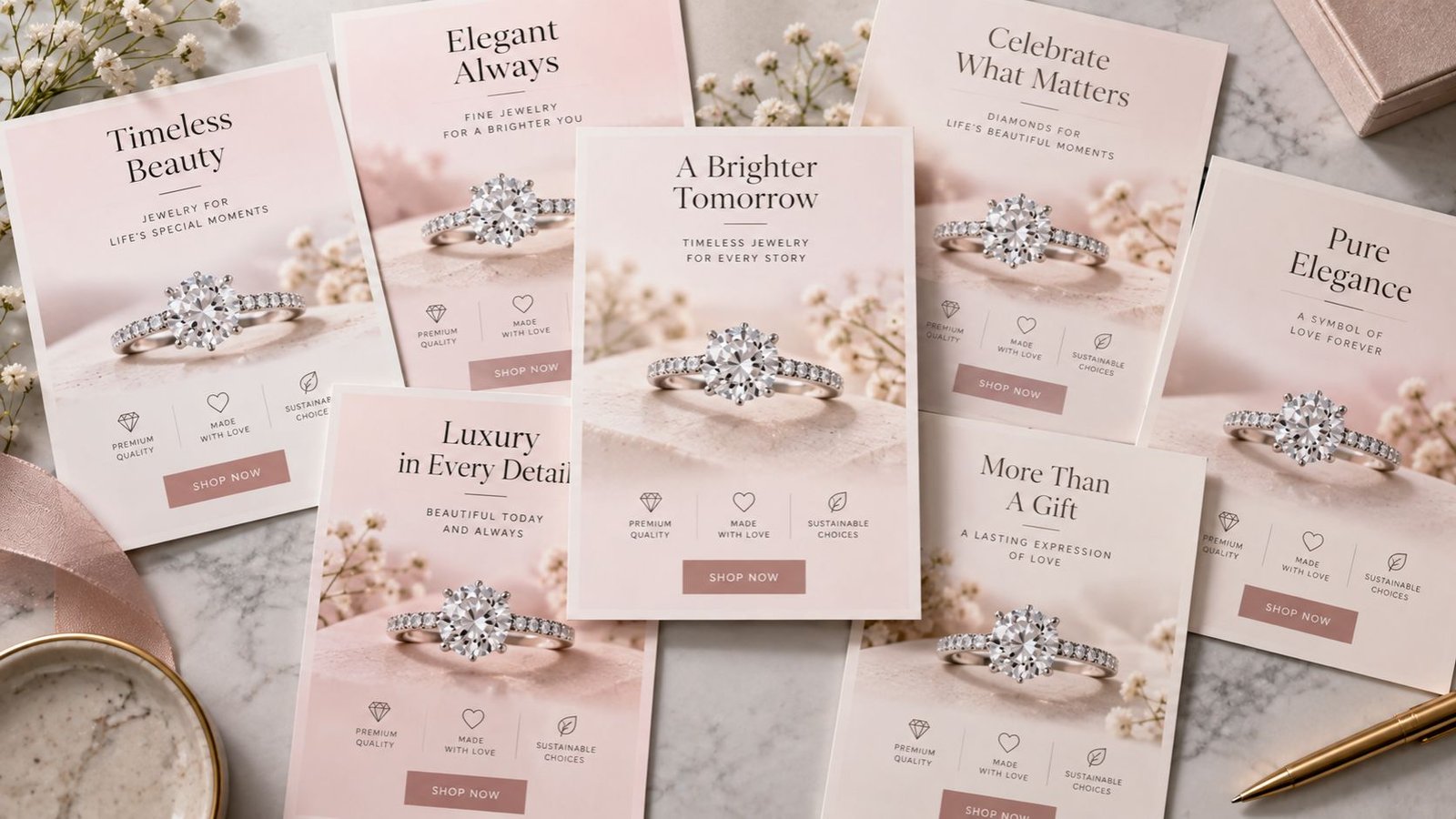
Understanding why so much Mother’s Day diamond marketing ends up feeling interchangeable helps explain what a genuinely differentiated approach needs to do differently. The holiday’s emotional territory — gratitude, love, appreciation for a parent — is universal enough that it is genuinely easy to default to broad, safe messaging that technically applies to everyone but genuinely resonates with almost no one specifically. Broad, safe messaging feels lower-risk to produce, but it also blends seamlessly into a sea of nearly identical campaigns running at the exact same time across every competing retailer.
Breaking from this pattern requires deliberately choosing specificity over universality — a genuinely counterintuitive move for a holiday that feels, on the surface, like it calls for the broadest possible message.
Idea 1: Move Beyond “World’s Best Mom” Messaging

The single most impactful shift available to Mother’s Day diamond marketing is simply retiring generic superlative language in favour of something more specific and emotionally grounded. Rather than a slogan claiming universal maternal perfection, campaigns built around specific, recognisable relationship moments — the particular kind of support a mother provides during a hard year, a specific inside joke, a distinct personality trait being celebrated — tend to resonate far more genuinely with an audience that has grown increasingly skeptical of obviously templated sentimentality.
This does not require abandoning warmth or emotional appeal entirely. It simply means replacing generic superlatives with something that feels like it was actually written with a real relationship in mind, rather than assembled from a holiday marketing template that could apply equally to any mother anywhere.
Idea 2: Tell the Practical Value Story Honestly
Lab grown diamonds offer a genuinely compelling practical story for Mother’s Day diamond marketing specifically: the ability to give a more substantial, more meaningful piece than a typical gift budget would have allowed with a natural diamond equivalent. The challenge is telling this story without it accidentally sounding like a downgrade or a consolation prize, which can happen if affordability messaging is framed apologetically rather than confidently.
Framing this value story around what the buyer can now offer — a genuinely beautiful, larger, more significant piece within a realistic gift budget — rather than around what they are saving or avoiding spending, keeps the messaging feeling aspirational and positive rather than defensive. This distinction in framing matters considerably more than most retailers initially assume, and it is one of the more common places where otherwise strong campaigns inadvertently undercut their own value proposition.
Idea 3: Represent a Genuinely Broader Range of Family Structures
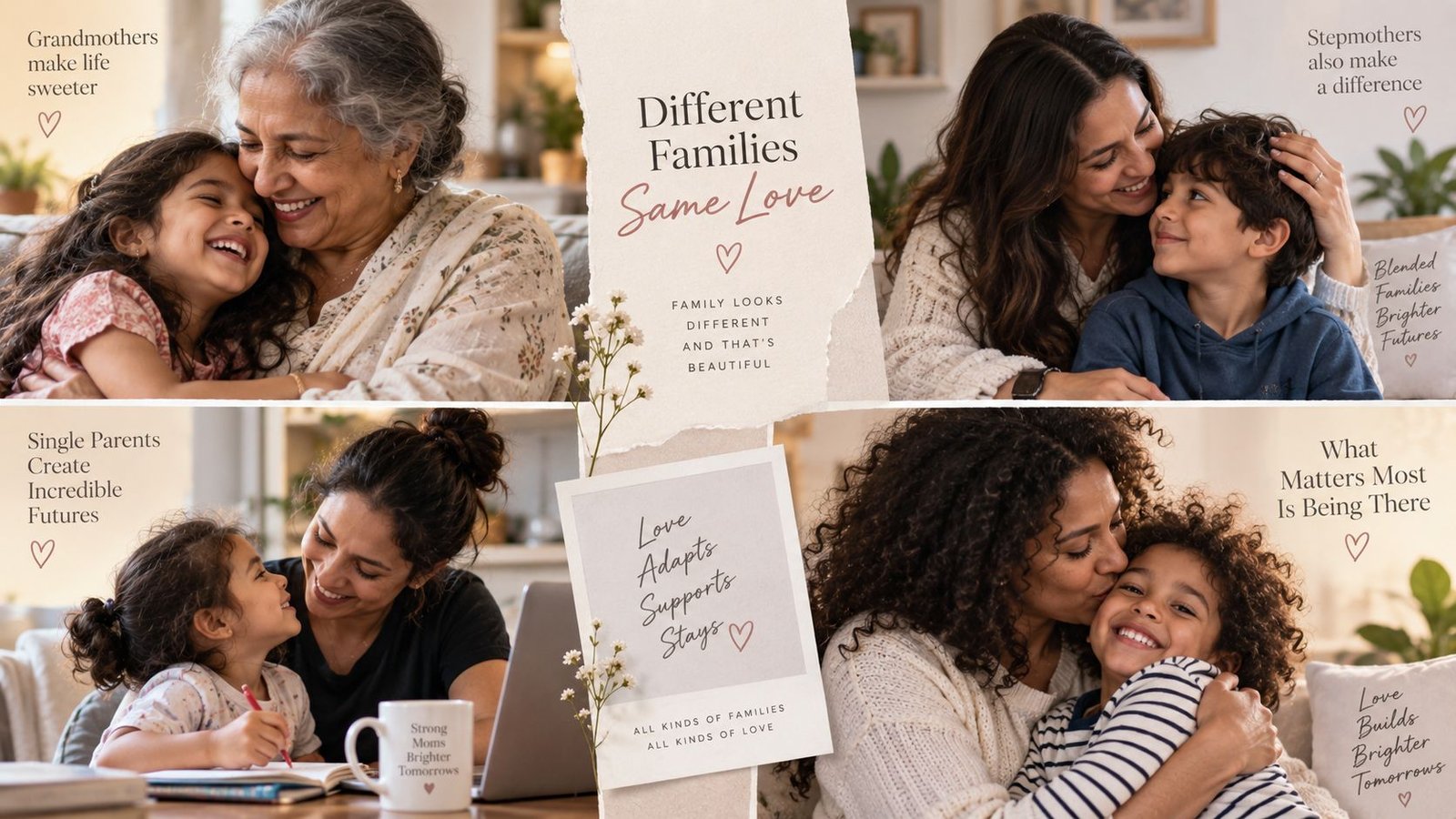
Traditional Mother’s Day marketing has historically defaulted to a fairly narrow visual and narrative template: a biological mother, typically presented within a conventional nuclear family structure. Genuinely effective Mother’s Day diamond marketing increasingly recognises that “mother” represents a considerably broader and more varied set of real relationships — grandmothers who have taken on primary caregiving roles, stepmothers, adoptive mothers, mother figures without any biological or legal relationship at all, and single parents navigating the holiday without a partner featured alongside them in typical marketing imagery.
Building campaigns that authentically represent this broader range of relationships, rather than defaulting exclusively to the most conventional family structure, meaningfully expands genuine emotional relevance across a larger portion of the actual buying audience, many of whom have simply learned to mentally substitute themselves into marketing that was not originally built with their specific situation in mind.
Idea 4: Prioritise Real Customer Stories Over Stock Photography

Authenticity has become an increasingly important factor in how buyers respond to marketing generally, and Mother’s Day diamond marketing is no exception. Research from organizations such as the Content Marketing Institute has consistently found that authentic, story-driven content outperforms polished promotional material in audience trust and engagement. Campaigns built around real customer stories and genuine photography — with appropriate permission and compensation where relevant — consistently outperform generic stock photography in terms of genuine audience engagement, since audiences have become considerably more attuned to recognising staged, generic imagery and instinctively discount its emotional impact accordingly.
This does not require an elaborate production budget. Soliciting genuine customer stories and photos from past Mother’s Day purchases, then building campaign content around that authentic material, often produces more emotionally resonant marketing than a significantly more expensive traditional studio photoshoot built around anonymous models.
Idea 5: Build Gift Guides Around Personality, Not Just Price

Generic price-tier gift guides — “under $500,” “$500 to $1,000,” “over $1,000” — remain common in Mother’s Day diamond marketing, but they do relatively little to actually help an uncertain buyer make a confident decision, since price alone says nothing about whether a piece actually matches the recipient’s taste. Gift guides organised instead around personality and style — pieces suited to a mother who prefers minimalist, everyday jewellery versus one who gravitates toward bold statement pieces versus one who treasures sentimental, personalised designs — genuinely help buyers navigate toward a piece they feel confident about, rather than simply filtering by budget alone.
This approach also creates naturally shareable, genuinely useful content that buyers are more likely to engage with and return to during the actual decision-making process, compared to a purely price-organised catalogue that offers little guidance beyond cost.
Idea 6: Extend the Campaign Beyond a Single Day
Mother’s Day diamond marketing that concentrates entirely on the days immediately preceding the holiday misses meaningful opportunity on both ends of the calendar. Earlier planning-focused content — gift guides and inspiration published several weeks in advance — captures buyers who prefer to plan thoughtfully rather than shopping under last-minute pressure, while last-minute options, including digital gift cards or expedited shipping messaging, capture the meaningful share of buyers who inevitably shop close to the deadline regardless of how early campaigns launch.
Some retailers have also found genuine success extending campaign messaging slightly beyond the holiday itself, framing a post-Mother’s Day purchase as a heartfelt “better late than never” gesture rather than treating any purchase after the calendar date as a missed opportunity entirely, capturing buyers who simply ran out of time but still want to mark the occasion meaningfully.
Common Mother’s Day Marketing Mistakes to Avoid
A handful of recurring mistakes account for a large share of the genuinely forgettable Mother’s Day diamond marketing that fills inboxes and social feeds every year. Overly saccharine, cliché-heavy copy — reaching immediately for the most predictable emotional language available — tends to read as insincere rather than heartfelt, precisely because audiences have encountered nearly identical phrasing so many times before. Relying exclusively on conventional family imagery, without any acknowledgment of the broader range of relationships the holiday actually represents for many buyers, unnecessarily narrows genuine emotional relevance.
Concentrating all campaign messaging into the final week before the holiday, rather than building a more extended campaign arc, leaves meaningful engagement opportunity on the table with buyers who prefer to plan ahead. And leaning on generic stock photography instead of investing in authentic customer stories and imagery, even on a modest budget, tends to produce marketing that blends into the broader sea of interchangeable holiday campaigns rather than standing out from it.
How Lab Grown Diamonds Specifically Support a Fresher Campaign

Lab grown diamonds offer several genuine advantages specifically for building differentiated Mother’s Day diamond marketing. Their stronger affordability allows for genuinely more ambitious gift guide recommendations — larger centre stones, more substantial statement pieces — that would have felt unrealistic for many buyers with natural diamond pricing, a shift we explored more broadly in our guide on why buyers are choosing bigger center stones, supporting the kind of confident, aspirational messaging discussed above around Idea 2. Their generally more transparent, traceable origin story also supports campaign messaging around thoughtful, conscious gift-giving for buyers who value that narrative, provided this messaging is delivered informatively rather than in a way that implies judgment toward buyers who might choose differently.
Retailers building Mother’s Day diamond marketing around lab grown inventory specifically should lean into these genuine advantages — value, size, transparency — rather than treating lab grown diamonds as simply a lower-cost substitute requiring apologetic framing, since confident, benefit-focused messaging consistently outperforms defensive or apologetic positioning in actual campaign results.
The Bottom Line
Genuinely effective Mother’s Day diamond marketing requires actively working against the industry’s well-worn default patterns — generic superlatives, narrow family representation, price-only gift guides, and single-week campaign timing. Specificity, authentic storytelling, broader relationship representation, and a more extended campaign arc all meaningfully improve how a campaign actually resonates with its audience, rather than simply blending into the broader wave of nearly identical Mother’s Day marketing flooding every channel at the same time.
Lab grown diamonds, approached with confident rather than apologetic messaging, offer retailers a genuine opportunity to build campaigns that feel fresh, specific, and emotionally resonant — precisely the qualities that generic, templated Mother’s Day marketing has struggled to deliver for years.
Frequently Asked Questions
Because the holiday’s broad emotional territory makes it easy to default to safe, generic messaging that technically applies to everyone but resonates deeply with almost no one.
Focus on specific relationship moments and personality-driven storytelling instead of generic superlatives like “world’s best mom.”
Yes, but frame it around what the buyer can now afford rather than what they’re saving, to keep the messaging aspirational rather than apologetic.
Because “mother” represents many real relationships beyond the traditional nuclear family, and narrow representation excludes a meaningful share of buyers.
Generally, yes. Authentic stories and imagery tend to build stronger emotional engagement than generic staged photography.
Organizing by personality or style, rather than price alone, helps buyers feel more confident about choosing a piece the recipient will genuinely love.
Starting several weeks in advance, while still offering last-minute options, captures both early planners and last-minute shoppers.
Relying too heavily on clichéd language and generic stock imagery, which tends to blend into the flood of similar campaigns every year.
Yes. Their affordability and transparent origin story support more ambitious, confident gift positioning than natural diamonds often allow.
Not necessarily. Extending messaging slightly beyond the day can capture buyers who missed the deadline but still want to mark the occasion.
Disclaimer: This article is intended for general marketing guidance and reflects general industry observations as of 2026. Campaign effectiveness varies by brand, audience, and market. Always test messaging with your specific customer base before finalising a full campaign rollout.