

Diamond Cloudiness: 6 Great Facts About Lasting Sparkle
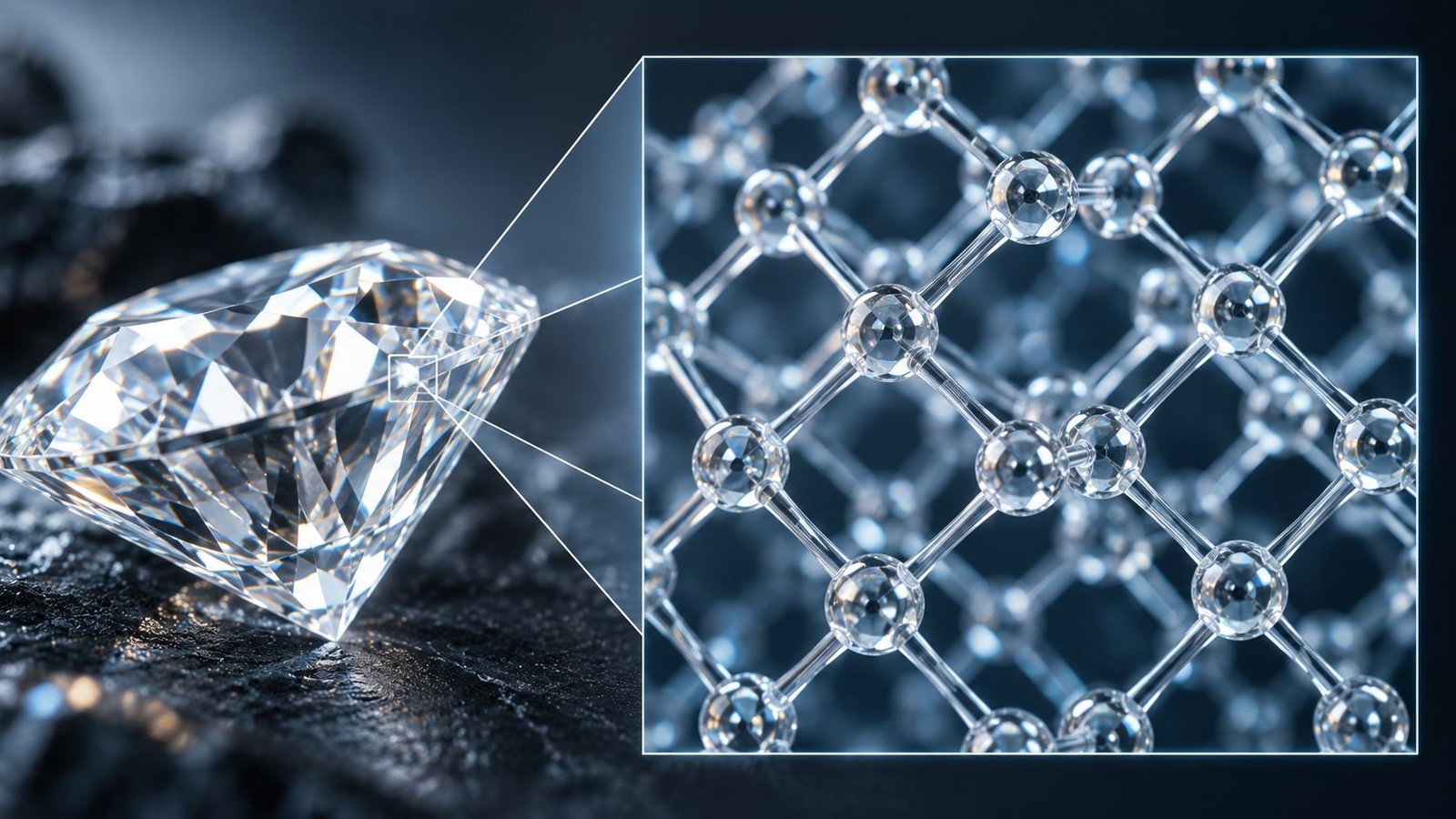
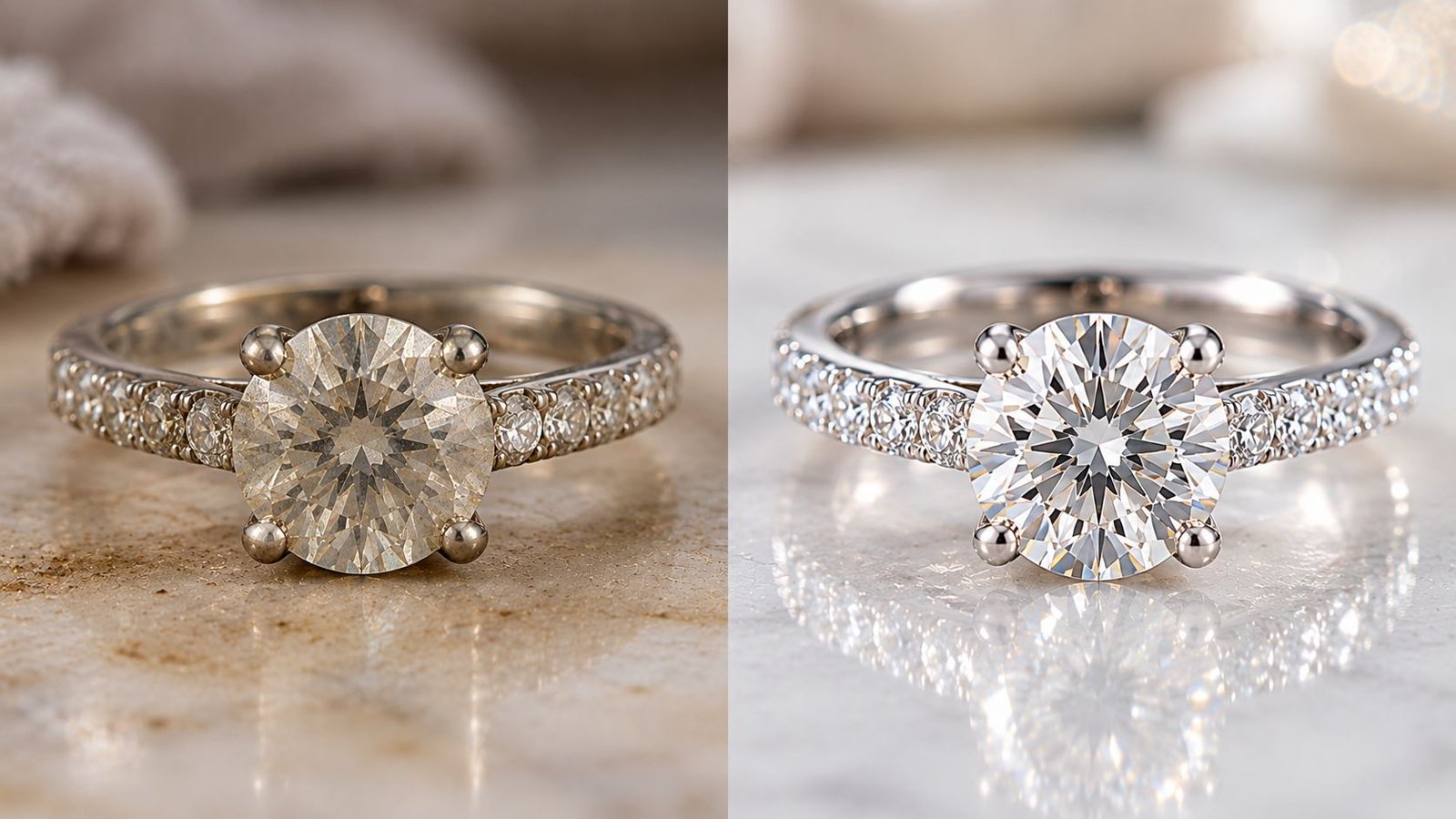
A genuinely common worry quietly follows many diamond owners for years after their purchase: will this ring still sparkle the way it does today, decades from now, or will it gradually turn dull and cloudy with age the way some other materials eventually do? This concern comes up especially often among lab grown diamond owners specifically, given how relatively new the category still feels to many buyers who simply have not had decades of personal or family experience watching a lab grown stone age over time. The reassuring answer is that diamond cloudiness, in the sense of a stone genuinely degrading or clouding internally over time, essentially does not happen — and this holds equally true for lab grown and natural diamonds alike, since both share identical chemical and physical properties. What people actually notice when a diamond appears duller than it once did almost always traces back to something external and entirely reversible, not any genuine change happening within the stone itself. This guide walks through six specific facts explaining why diamond cloudiness is largely a myth, what actually causes diamonds to look duller over time, and how straightforward maintenance keeps a diamond looking essentially brand new for decades of regular wear. Understanding why diamond cloudiness feels like such a plausible concern, despite not reflecting how diamonds actually behave over time, helps put the reassuring reality in proper context. Many everyday materials genuinely do change appearance with age — plastics yellow, certain metals tarnish, and some gemstones genuinely do develop internal changes affecting their clarity over extended periods. Given this broader experience with materials that do change over time, it is entirely reasonable for buyers to wonder whether diamonds might behave similarly. Diamond, however, behaves fundamentally differently from most of these comparison materials, for reasons rooted directly in its basic chemical and physical nature, which the facts below explain in detail. The foundational reason diamond cloudiness does not genuinely occur involves diamond’s basic chemical nature. Diamond consists of pure carbon atoms arranged in an exceptionally stable crystal lattice structure, and this structure does not react chemically with air, moisture, skin oils, or virtually any substance encountered during normal daily wear. Educational resources from GIA explain this crystal structure in more technical detail for anyone interested in the underlying material science. Unlike materials that oxidise, corrode, or chemically degrade through ordinary environmental exposure, diamond remains chemically stable and essentially unchanged at the molecular level indefinitely under normal conditions. This chemical stability means there is no internal mechanism through which a diamond could genuinely develop clouding or internal degradation purely from age or normal wear, regardless of how many years or even decades a piece has been worn. The stone that leaves a jewellery store today remains, chemically and structurally, essentially the same stone decades later, assuming no physical damage occurs through impact or mishandling. When a diamond does genuinely appear duller than it once did, the cause is overwhelmingly external rather than internal. Everyday exposure to hand lotion, soap residue, cooking oils, and natural skin oils gradually builds up a thin film across a diamond’s surface, blocking light from entering and exiting the stone as efficiently as it would on a genuinely clean surface. This buildup creates the visual impression of dullness or cloudiness, even though the stone itself remains entirely unchanged beneath that external film. This mechanism explains why simple, regular cleaning — the same gentle soap-and-water approach covered in our guide to cleaning diamond jewelry safely at home — so reliably restores a diamond’s original brilliance, since cleaning simply removes the external residue responsible for the apparent dullness rather than addressing any genuine internal change within the stone itself. This distinction matters enormously for understanding diamond cloudiness accurately: the stone was never actually clouded at all, only temporarily obscured by something entirely external and easily removed. A specific question many lab grown diamond owners ask directly involves whether their stones might behave differently than natural diamonds regarding long-term clarity and sparkle retention, given the category’s relative newness. The answer is straightforwardly no. Because lab grown diamonds share precisely the same atomic structure and chemical composition as natural diamonds, their long-term chemical stability and resistance to diamond cloudiness is genuinely identical. There is no legitimate scientific basis for any claim suggesting lab grown diamonds might fade, cloud, or lose brilliance differently than natural diamonds over time. Any such suggestion reflects outdated misconception rather than any genuine physical or chemical distinction between the two categories, both of which are, at the molecular level, simply diamond — identical in every characteristic relevant to long-term appearance and durability. A related but distinct question involves whether a diamond’s internal clarity characteristics — inclusions documented on its certification — might become more visible or pronounced over time. In the overwhelming majority of cases, inclusions remain genuinely unchanged throughout a diamond’s lifetime, since they are permanent structural features formed during the stone’s original growth process, whether that growth happened underground over geological time or within a controlled laboratory environment. In rare cases, surface-level residue buildup specifically around an inclusion located near the stone’s surface can create a slight visual impression of increased prominence, though this reflects the same external residue mechanism discussed above rather than any genuine change in the inclusion itself. Thorough cleaning resolves this apparent change just as reliably as it resolves general surface dullness, reinforcing that diamond cloudiness concerns almost always trace back to external, easily addressed factors rather than genuine internal change. Beyond surface residue, setting-related issues can sometimes create an impression resembling diamond cloudiness, even though the stone itself remains entirely unaffected. A loose or slightly shifted prong can alter a stone’s precise angle within its setting, affecting how light enters and exits the diamond and creating a visual impression of reduced brilliance that has nothing to do with the stone’s actual condition. Similarly, grime or residue accumulating behind a stone, in areas not easily reached through normal cleaning, can affect light performance in ways that mimic the appearance of genuine clouding. This distinction matters practically, since these setting-related causes require professional attention — tightening a prong or thoroughly cleaning behind a stone — rather than being something a simple at-home cleaning routine alone can fully resolve. Recognising this distinction helps owners understand when a professional inspection, rather than assuming genuine diamond cloudiness has occurred, represents the appropriate next step. Given everything outlined above, maintaining a diamond’s original sparkle indefinitely genuinely comes down to simple, consistent maintenance rather than any special treatment addressing diamond cloudiness as though it were a real, ongoing degradation process. Regular gentle cleaning, following the straightforward soap-and-water approach appropriate for most settings, reliably removes the external residue responsible for the vast majority of perceived dullness. Periodic professional inspection, ideally around once a year, catches setting-related issues like loose prongs before they meaningfully affect a stone’s apparent brilliance or, more importantly, before they risk the stone becoming genuinely loose or lost entirely. Following this straightforward maintenance routine allows a diamond to look essentially as brilliant decades after purchase as it did on the very first day, since there is no genuine internal degradation process working against that maintenance over time — only external, easily managed factors that simple, consistent care fully addresses. While genuine diamond cloudiness essentially does not occur, a few situations do warrant professional attention rather than simply assuming residue buildup explains every instance of reduced sparkle. Visible chips or cracks, discussed in more detail in our coverage of diamond hardness and toughness, can genuinely affect how light moves through a stone, creating a real, physical change distinct from the external residue issues discussed throughout this article. Any sudden, dramatic change in appearance following a specific impact or accident also warrants professional inspection rather than assumption that standard cleaning alone will resolve the issue. In these specific situations, consulting a qualified jeweller for proper evaluation represents the appropriate response, since these circumstances involve genuine physical changes to the stone rather than the external, easily reversible factors responsible for the vast majority of reported dullness concerns. Placing diamond’s genuine long-term stability alongside other gemstones that do experience real appearance changes over time helps put diamond cloudiness concerns into useful perspective. Opals, for example, can genuinely develop internal cracking, known as crazing, as they lose moisture content over extended periods, representing a real, permanent structural change distinct from anything diamonds experience. Emeralds commonly undergo oil treatment to improve clarity appearance, and this treatment can gradually diminish over years, causing a genuine, noticeable shift in the stone’s visual clarity that requires periodic re-treatment to maintain. Diamond’s genuine chemical stability stands in meaningful contrast to both of these examples, reinforcing why diamond cloudiness concerns, while understandable given broader experience with other materials, simply do not reflect how diamonds actually behave. This comparison offers genuine reassurance specifically because it is grounded in real differences between material types, rather than simply asserting diamonds are durable without explaining why that durability genuinely holds up so reliably over time. Pulling together everything discussed above into a simple, repeatable routine helps owners prevent diamond cloudiness concerns from ever becoming a genuine issue in practice. Soaking a piece in warm water with a few drops of mild, unscented dish soap for roughly twenty to thirty minutes, done every few weeks depending on how often the piece is worn, handles the vast majority of everyday residue buildup before it has a chance to meaningfully accumulate. Following this soak with a gentle pass from a soft-bristled brush, paying particular attention to the underside of the stone and the small crevices around the setting where residue tends to concentrate most, completes the bulk of routine maintenance effectively. Removing rings before applying hand lotion, sunscreen, or cooking with oils meaningfully reduces how quickly residue accumulates in the first place, cutting down on both how often cleaning is genuinely needed and how dramatic any apparent dullness becomes between cleanings. Scheduling a professional inspection roughly once a year, even for pieces receiving diligent at-home care, catches the setting-related issues discussed earlier before they progress into something more serious, while also giving a trained professional the opportunity to confirm that any apparent dullness genuinely traces back to residue rather than something requiring more involved attention. Following this straightforward routine consistently, rather than waiting until a piece already looks noticeably dull before addressing it, keeps diamond cloudiness concerns from ever becoming a meaningful issue in practice, since consistent prevention proves considerably easier and more effective than addressing significant buildup after it has already accumulated over an extended period. Beyond simply offering reassurance, understanding why diamond cloudiness does not genuinely occur carries practical value for how owners approach caring for their jewellery over the long term. Owners who understand that apparent dullness traces back to removable residue, rather than irreversible internal change, are considerably more likely to address the issue promptly through simple cleaning rather than assuming a piece has permanently lost brilliance and requires replacement or professional intervention beyond what basic maintenance can provide. This understanding also helps owners evaluate jewellery care advice more critically, recognising when a suggested product or service genuinely addresses a real maintenance need versus when it may be marketed around a misunderstanding of how diamonds actually behave over time. A diamond genuinely does not need special anti-clouding treatments or proprietary products marketed around preventing internal degradation that was never actually occurring in the first place — simple, consistent, well-understood maintenance remains entirely sufficient for keeping a diamond looking its best throughout a lifetime of regular wear. Diamond cloudiness is, for all practical purposes, a myth rather than a genuine ongoing concern diamond owners need to actively worry about. Diamond’s exceptional chemical stability means the stone itself does not degrade, cloud, or lose brilliance through normal ageing, regardless of whether it originated underground or within a laboratory setting. What owners actually notice when a diamond appears duller almost always traces back to external residue, occasionally compounded by setting-related issues, both of which respond reliably to simple, consistent maintenance and periodic professional inspection. Understanding this distinction offers genuine, well-founded reassurance for diamond owners specifically worried about long-term appearance, confirming that a well-maintained diamond genuinely can look essentially as brilliant decades into ownership as it did on the very first day it was worn. Disclaimer: This article is intended for general informational purposes only and does not replace professional gemological advice. Individual pieces may vary based on setting, condition, and care history. Always consult a qualified jeweller if you notice an unexplained or sudden change in your diamond’s appearance.Why This Concern Feels So Intuitive, Even Though It’s Largely Unfounded

Fact 1: Diamond Is Chemically Inert and Does Not Degrade Internally
Fact 2: What People Actually Notice Is External Residue, Not Internal Clouding
Fact 3: Lab Grown Diamonds Behave Identically to Natural Diamonds in This Regard
Fact 4: Inclusions Themselves Do Not Change, Though Visibility Can Shift Slightly
Fact 5: Setting Issues Can Create a Misleading Impression of Dullness
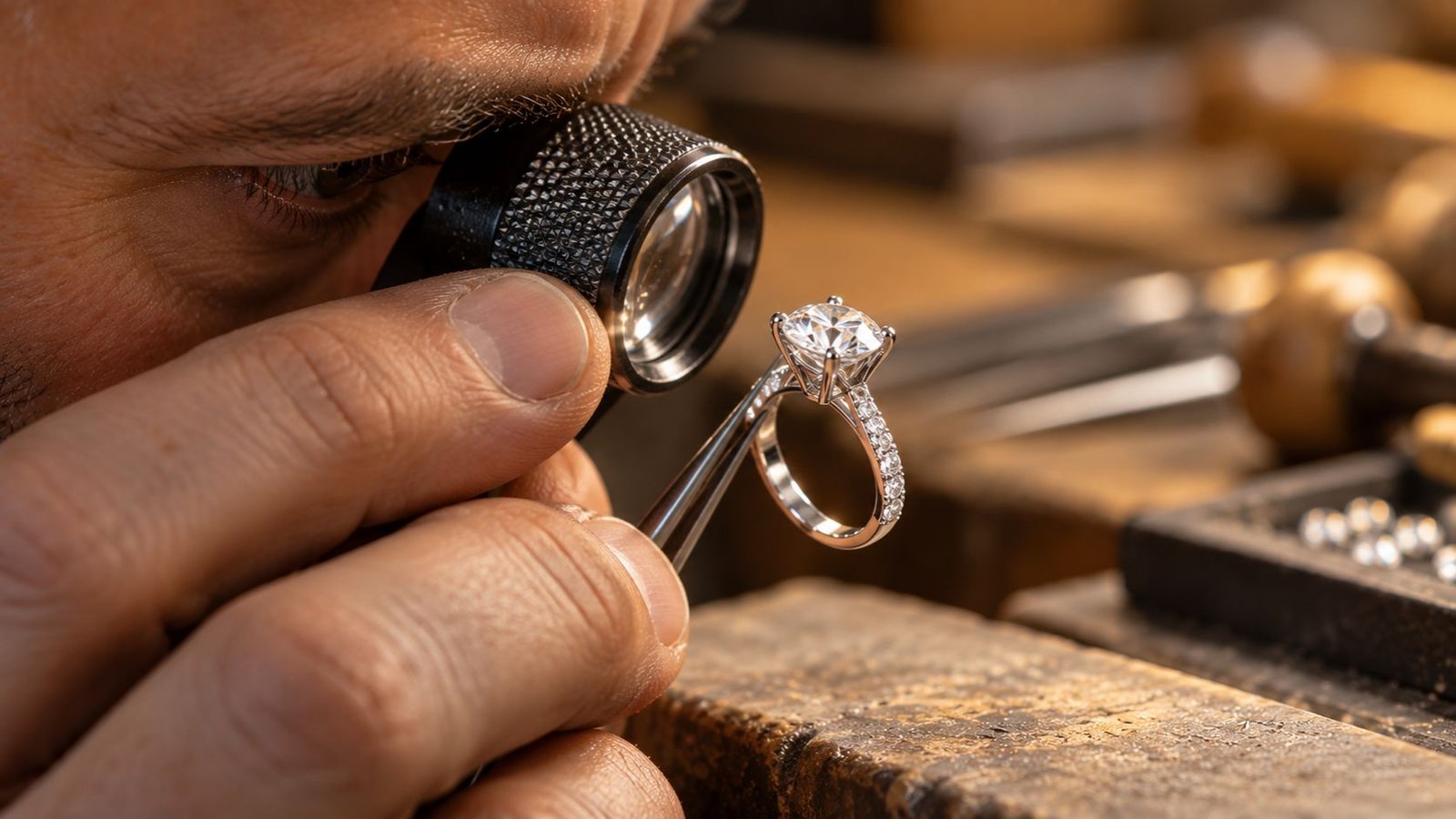
Fact 6: Simple, Consistent Maintenance Keeps Sparkle Looking Genuinely Permanent
When Dullness Might Actually Signal a Real Problem
How Diamond Compares to Gemstones That Genuinely Do Change Over Time
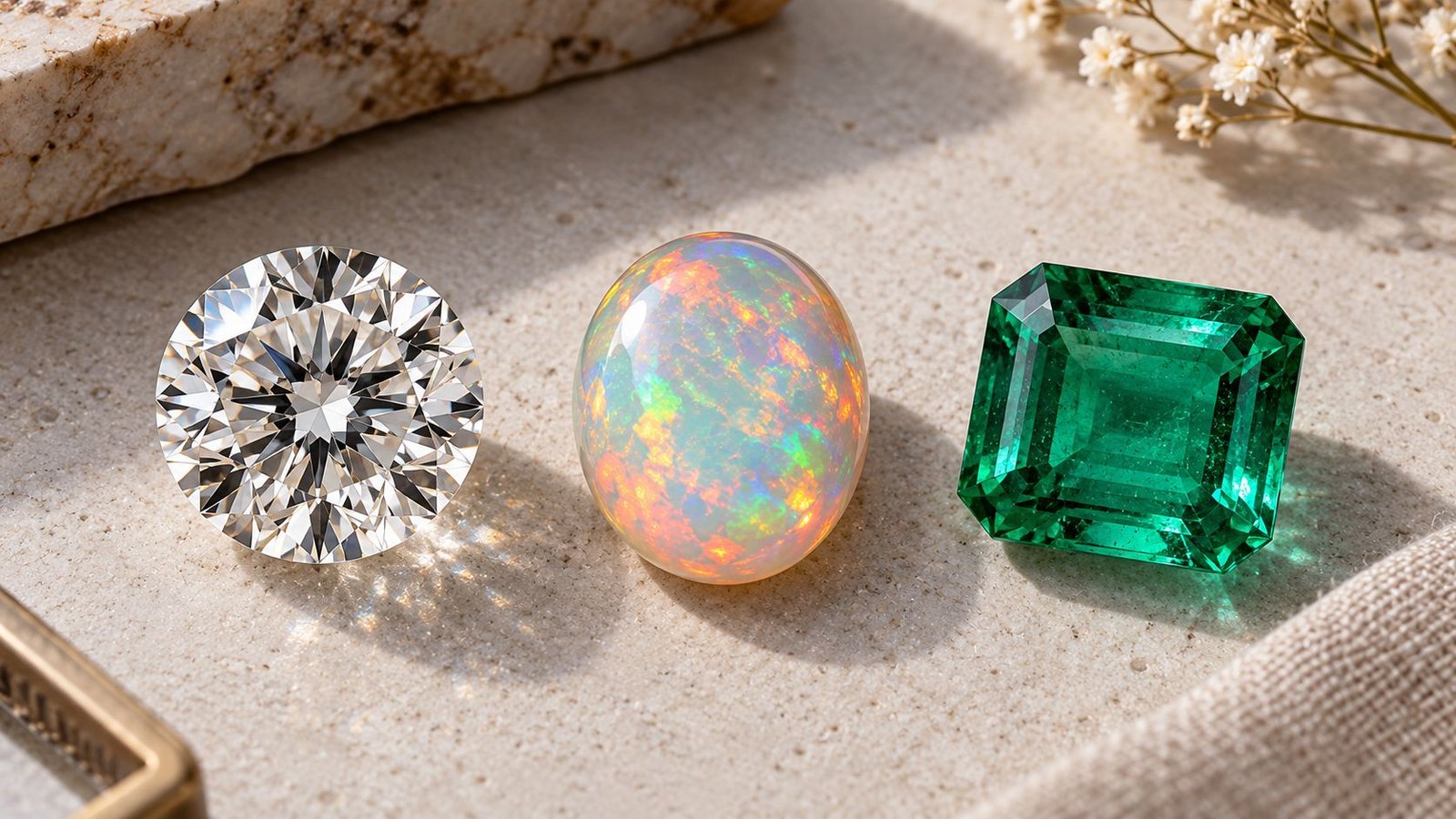
A Step-by-Step Routine That Keeps Diamonds Looking Their Best

Why Understanding This Matters Beyond Just Peace of Mind
The Bottom Line
Frequently Asked Questions