

Black Friday Diamonds: 6 Great Ways to Spot Real Deals (and Red Flags)
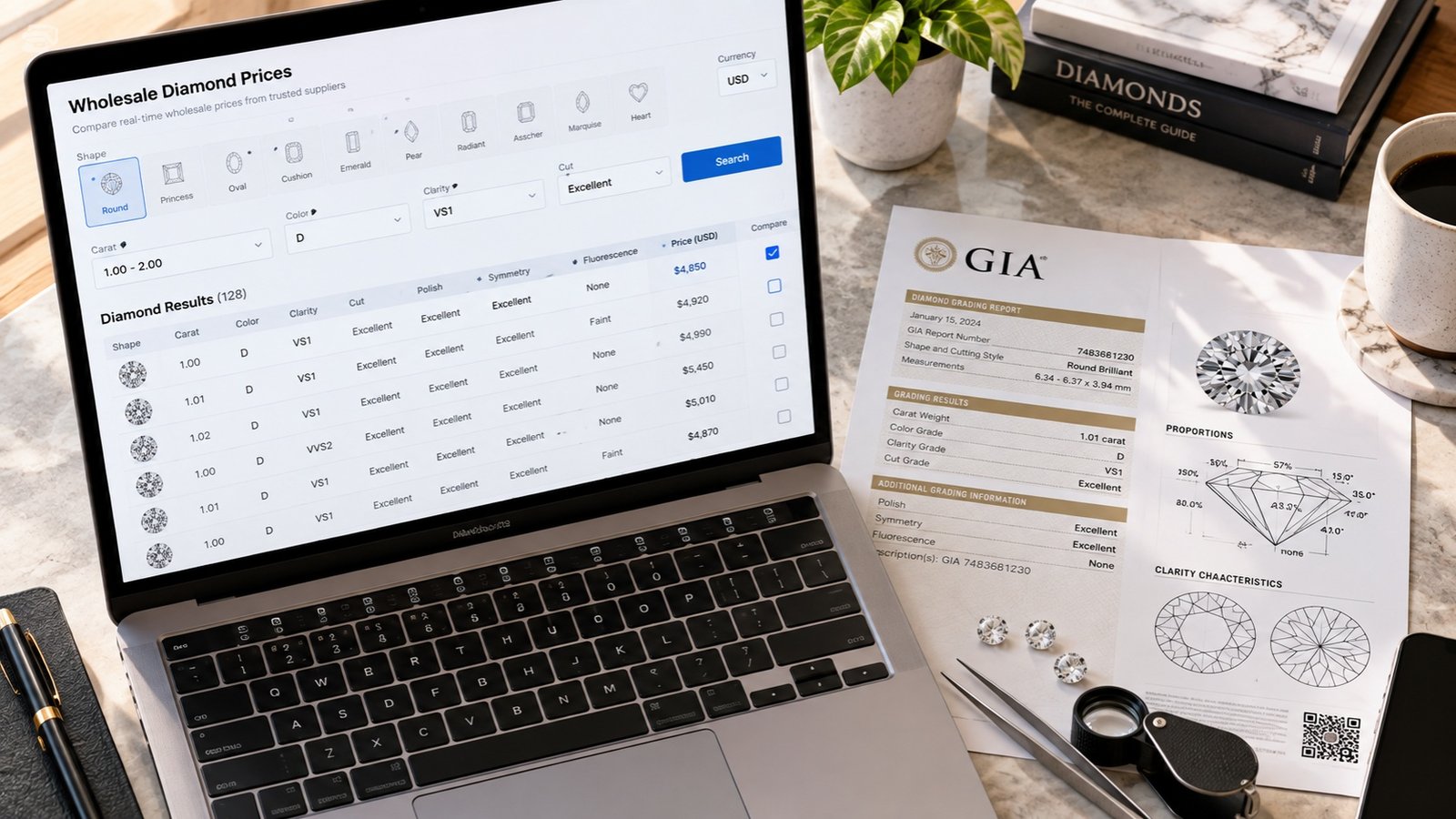
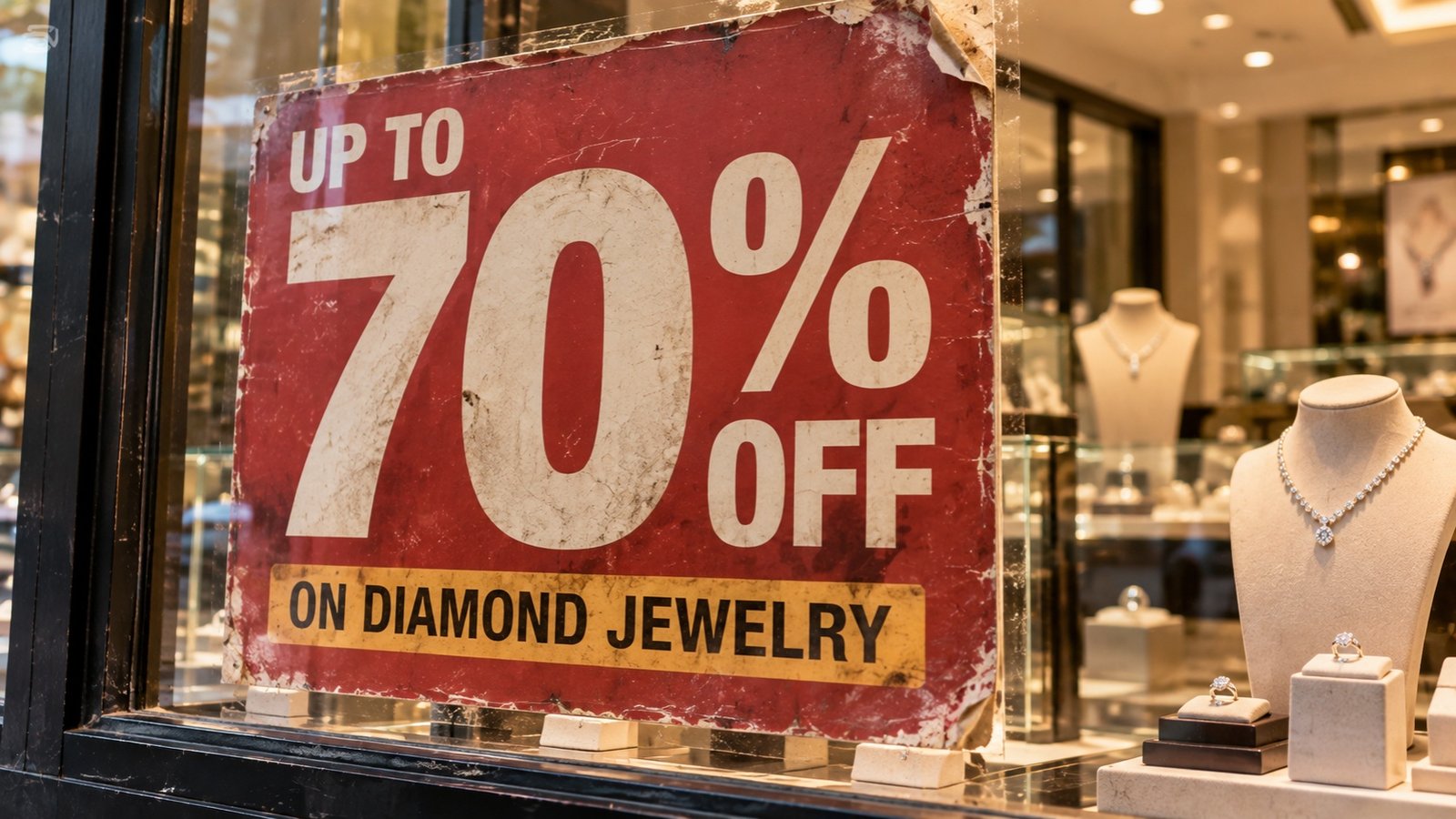
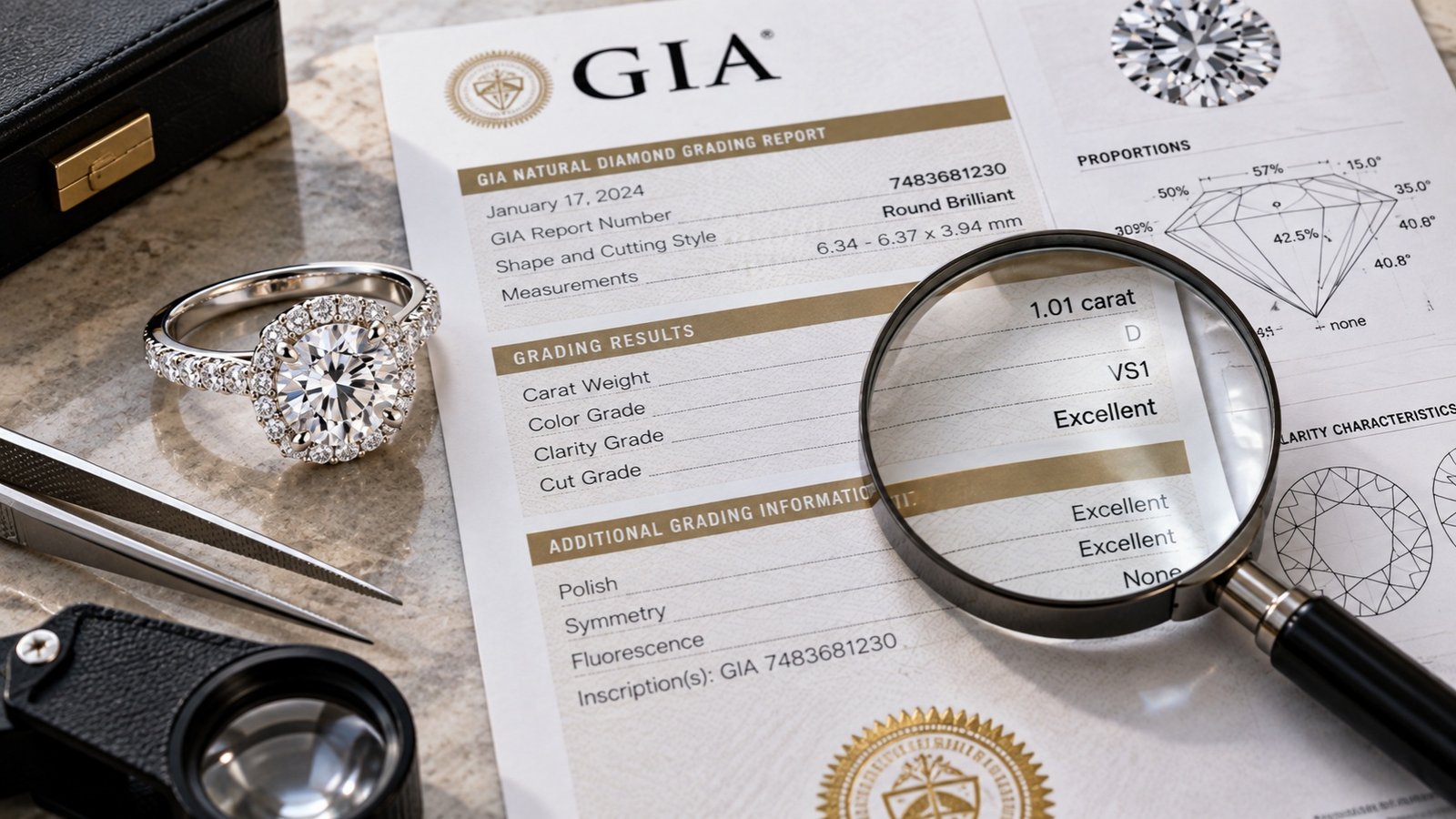
Every year, the days surrounding Black Friday bring an avalanche of diamond advertising promising dramatic savings — 40 percent off, 60 percent off, occasionally even higher. For a purchase category already known for opaque pricing and significant retail markup, this flood of discount messaging raises a genuinely reasonable question: are these Black Friday diamonds actually discounted, or is the “sale” simply theatre built around a price that was never particularly fair to begin with? The honest answer is that both genuine deals and misleading discount theatre exist side by side during this shopping period, and the difference between them is not always obvious at first glance. Learning to tell a genuine markdown apart from an inflated starting price that was set specifically to make the eventual discount look bigger puts buyers in a much stronger position — one built on real comparison rather than blind trust in whatever percentage happens to be printed on the sign. This guide walks through six practical ways to evaluate Black Friday diamonds specifically — distinguishing legitimate savings from common red flags, and giving buyers the tools to shop this particular sales period with genuine confidence rather than guesswork. Diamond pricing already carries more built-in ambiguity than most retail categories, since diamonds are not standardised, interchangeable products the way many other goods are. This existing ambiguity creates fertile ground for discount messaging that technically is not dishonest but is nonetheless misleading, since a “50 percent off” claim only means something meaningful if the original price it references was itself a genuine, honest starting point rather than an inflated figure set specifically to make a subsequent discount look more dramatic. This is precisely why Black Friday diamonds deserve a more careful evaluation than a simple glance at the advertised percentage discount. The percentage itself tells a buyer very little without understanding what it is actually being calculated against. Before evaluating any specific discount, it helps to understand baseline retail markup in the diamond industry generally. Retail markup on diamonds commonly ranges from roughly 50 percent to well over 100 percent above wholesale cost, depending on the retailer and product category, a pattern consistent with general findings from consumer advocacy resources like the Federal Trade Commission’s guidance on jewelry pricing. With this context in mind, a “50 percent off” Black Friday diamonds sale might, in some cases, simply be returning the price closer to a genuinely fair starting point rather than representing a meaningful reduction below what the piece was reasonably worth in the first place — a dynamic we explored in more depth in our guide on what diamond markup actually looks like. This does not automatically mean every discounted price is dishonest — legitimate sales absolutely do occur — but it does mean buyers benefit from evaluating the final sale price on its own merits, rather than being persuaded primarily by the size of the percentage discount advertised alongside it. The single most reliable way to evaluate whether Black Friday diamonds represent genuine savings is comparing the final sale price directly against independently verifiable pricing for a comparably certified stone, rather than relying solely on the retailer’s own claimed “original price” as the baseline for comparison. Using the diamond’s certification specifications — carat weight, cut, colour, and clarity grade — buyers can search wholesale marketplaces and other retailers offering similarly certified stones to establish a genuinely independent price benchmark. This comparison shifts the evaluation away from a retailer’s own potentially inflated reference point and toward an objective, market-based standard that reflects what a comparable stone genuinely costs elsewhere, providing a far more trustworthy basis for judging whether a specific sale price actually represents meaningful value. One of the clearest red flags in Black Friday diamonds marketing involves an “original price” that appears to exist purely to make a subsequent discount look dramatic, rather than reflecting a price the retailer ever genuinely and consistently charged. Retailers who display the exact same “70 percent off” signage essentially year-round, regardless of season or sales event, are signalling that the listed “original” price was likely never a genuine, sustained selling price at all — it exists specifically to manufacture the appearance of a significant markdown. A useful practical check involves observing whether a specific retailer’s advertised discount percentage changes meaningfully across different sales periods throughout the year. If the discount remains suspiciously identical regardless of the specific promotional event, that consistency itself is a meaningful signal that the underlying “original” price may not be a genuine reference point at all. A more concerning red flag involves discounted Black Friday diamonds where certification either does not match advertised quality claims or is not readily available at all for close inspection before purchase. Deep discounts are occasionally paired with lower actual grading than marketing language implies, or with certification that a buyer must specifically request rather than one clearly and prominently provided upfront as standard practice. Buyers should always request and carefully review the actual certification report for any specific discounted piece, confirming that the carat weight, cut, colour, and clarity grades exactly match what marketing materials claim, rather than assuming advertised quality descriptions accurately reflect the specific piece being offered at the discounted price in question. Genuine discounts generally do not require aggressive urgency tactics to motivate a purchase decision, since a legitimately good price should be able to stand reasonably on its own merits without artificial pressure. Red flags here include extremely tight “today only” framing stacked directly on top of already aggressive discount percentages, high-pressure sales conversations that actively discourage a buyer from taking time to independently verify pricing or certification, and reluctance from sales staff when a buyer asks reasonable questions about certification or independent price comparison. Legitimate Black Friday diamonds promotions can certainly involve genuine time-limited windows — this is a normal, honest feature of seasonal retail sales generally — but the presence of urgency alone is not itself concerning. What matters is whether that urgency is paired with resistance toward normal buyer diligence, such as requesting certification details or taking reasonable time to independently verify pricing before committing to a purchase. Legitimate Black Friday diamonds deals do exist, and they generally share several recognisable characteristics that distinguish them from discount theatre. Genuine sales typically apply consistently across a retailer’s broader inventory, rather than being cherry-picked to specific pieces with unusually inflated original pricing designed to create an artificially dramatic-looking discount. Legitimate discounts also tend to be verifiable against independent pricing sources, holding up reasonably well when compared to wholesale marketplace data for comparably certified stones, rather than only appearing attractive when measured solely against the retailer’s own claimed original price. Retailers offering genuine promotions are also generally willing to provide full certification details readily and transparently, without resistance or delay, since they have nothing to obscure about the actual value being offered. This combination — consistency, independent verifiability, and transparency — reliably distinguishes an authentic Black Friday diamonds deal from one built primarily around misleading discount framing. Lab grown diamonds add an interesting dimension to evaluating Black Friday diamonds specifically, since falling wholesale production costs have already created genuine, ongoing price reductions across the category independent of any seasonal sales event entirely. This means legitimate additional Black Friday savings on lab grown diamonds are genuinely more plausible and more common than equivalent claims sometimes made about natural diamonds, since the underlying cost structure has real room for continued reduction that retailers can pass along during a promotional period without needing to rely on inflated baseline pricing to make the discount look meaningful. This does not mean every lab grown diamond Black Friday claim is automatically trustworthy, but it does mean the category has a genuinely stronger underlying basis for real seasonal savings compared to categories where wholesale costs have remained comparatively stable, making inflated “original price” tactics considerably more likely to explain an advertised discount. Understanding why urgency-driven shopping events work so effectively in general helps explain why Black Friday diamonds marketing leans so heavily on time pressure specifically. Behavioural research on consumer decision-making has consistently found that scarcity and time-limited framing reduce the amount of careful, deliberate evaluation a buyer applies before completing a purchase, essentially shifting decisions from a slower, more analytical mode of thinking toward a faster, more instinctive one. Retailers are not inventing this effect — it is a well-documented feature of how people generally make purchasing decisions under perceived time pressure, across virtually every retail category, not just jewellery. This matters considerably for diamond purchases specifically, precisely because diamonds already require more careful evaluation than most everyday purchases to assess accurately. A rushed decision on a pair of socks carries minimal downside if it turns out to be a mediocre purchase. A rushed decision on a significant diamond purchase, made under artificial urgency without time for independent price or certification verification, carries meaningfully higher financial stakes if that urgency led to skipping steps a buyer would otherwise have taken. Recognising this dynamic does not mean assuming every urgency-driven Black Friday diamonds promotion is manipulative by design. It simply means buyers benefit from consciously counteracting the natural pull toward faster, less careful decision-making that this kind of promotional framing is specifically designed to encourage, by deliberately building in a few minutes of independent verification regardless of how limited the advertised sales window claims to be. A genuinely practical question many buyers overlook entirely is whether Black Friday itself is actually the optimal time to buy, compared to shopping slightly before or after the peak promotional window. Retailers often begin discounting in the days or even weeks leading up to Black Friday itself, sometimes at similar or even better effective prices than the officially branded Black Friday event, without the same volume of competing shoppers and without the same concentrated pressure environment that the actual day tends to create both in physical stores and on heavily trafficked ecommerce sites. Shopping slightly earlier in the broader holiday sales period, once early promotional pricing has typically already appeared, often allows a buyer considerably more time to complete proper due diligence — comparing certified pricing, reviewing grading reports carefully, and generally avoiding the compressed decision-making window that the specific Black Friday date itself tends to create through sheer promotional intensity and competing demand for attention. Some buyers also find genuine value in watching pricing through the following days, sometimes labelled Cyber Monday or extended holiday sales, where certain retailers offer comparable or occasionally even stronger pricing without the same concentrated single-day urgency messaging. This is not to say Black Friday itself never offers genuinely superior pricing compared to the surrounding days — for many retailers it does represent their single most aggressive promotional period of the year. It simply means buyers benefit from treating the entire surrounding holiday sales window as a broader opportunity to compare pricing over several days, rather than assuming the specific calendar date itself is inherently the singular best moment to transact. For retailers and wholesalers reading this guide from the other side of the counter, Black Friday diamonds promotions represent a genuine opportunity to build lasting customer trust, provided the underlying pricing and marketing practices hold up to the kind of scrutiny this guide encourages buyers to apply. Retailers who proactively display certification details prominently alongside discounted pieces, rather than requiring buyers to specifically request that information, signal genuine confidence in the value being offered and differentiate themselves meaningfully from competitors relying on more opaque discount messaging. Pricing consistency also matters considerably for long-term retailer reputation. Retailers who apply genuinely fluctuating, honestly calculated discounts across different promotional periods throughout the year, rather than displaying an identical advertised discount percentage regardless of season, build a more credible pricing history that increasingly informed buyers are able to recognise and reward with their continued business. As independent price comparison tools and wholesale marketplace visibility have become more accessible to ordinary consumers, retailers relying on inflated baseline pricing face growing risk of that practice being identified and shared publicly, making genuinely transparent pricing an increasingly sound long-term business strategy rather than simply an ethical preference. Sales staff training also plays a meaningful role during high-pressure promotional periods specifically. Staff equipped to answer certification and pricing questions confidently and transparently, rather than deflecting or discouraging that kind of buyer diligence, tend to convert sales more effectively over time, even if a small percentage of more cautious buyers take slightly longer to complete a purchase during the promotional window itself. This aligns closely with the broader honest marketing and sales principles that consistently outperform pressure-based tactics over a retailer’s longer-term reputation and repeat customer relationships. Ultimately, learning to evaluate Black Friday diamonds promotions critically is simply one specific application of a broader skill set that serves buyers well across any diamond purchase, seasonal sale or otherwise: understanding certification, comparing independently verifiable pricing, and recognising sales pressure tactics for what they are. Buyers who develop this evaluative confidence during a high-pressure seasonal sales event tend to carry that same confidence into future diamond purchases as well, whether shopping during a major promotional period or during an ordinary, unhurried visit to a jeweller at any other point in the year. This broader confidence benefits the diamond industry overall, not just individual buyers, since a marketplace of genuinely informed, appropriately skeptical buyers ultimately rewards retailers who compete on real value and transparency rather than on the most aggressively worded discount messaging. Over time, this dynamic tends to push the broader industry toward more honest pricing practices generally, benefiting buyers and reputable retailers alike. Before finalising any Black Friday diamonds purchase, a short verification checklist meaningfully reduces the risk of overpaying despite an attractive-looking discount. Confirm the certification report’s specific details match the piece and the advertised quality claims exactly. Independently search wholesale or comparison pricing for a similarly certified stone before committing to a specific price. Check whether the retailer’s advertised discount percentage remains suspiciously consistent across different times of year, which would suggest inflated baseline pricing. And notice whether sales staff respond comfortably and transparently to reasonable diligence questions, or instead apply pressure discouraging that kind of verification before purchase. Black Friday diamonds deals span a genuine spectrum, from authentic, verifiable savings to carefully staged discount theatre built around inflated reference pricing. The difference between the two is rarely obvious from advertising alone, but it becomes considerably clearer once a buyer applies a bit of independent verification — comparing against wholesale pricing, confirming certification matches advertised claims, and watching for the specific red flags outlined above. Buyers who approach this particular shopping period with informed skepticism, rather than getting swept up purely in an attractive-looking percentage discount, are considerably better positioned to identify genuine value and avoid the discount theatre that unfortunately remains common across this heavily promoted seasonal sales period. It varies. Some are genuine savings, while others rely on inflated “original” pricing designed to make the discount look more dramatic than it actually is. Compare the final sale price against independently verifiable wholesale or comparison pricing for a similarly certified stone, rather than trusting the retailer’s own claimed original price. An “original price” and discount percentage that stay identical year-round, suggesting the baseline price was never a genuine, consistently charged figure. Yes. Legitimate discounts come with transparent, readily available certification that matches advertised quality claims exactly. Often, yes, since falling wholesale production costs give retailers real room to offer legitimate additional seasonal savings. Not necessarily. Time-limited sales are normal, but urgency paired with resistance to reasonable buyer diligence is worth taking seriously. Verify the certification matches the piece, compare pricing independently, and check whether the discount percentage seems consistent year-round. Usually, yes. Legitimate promotions tend to apply broadly rather than being limited to specific pieces with unusually inflated original pricing. It’s a meaningful warning sign. Transparent retailers are generally comfortable answering reasonable diligence questions without pressure or delay. It can be, especially for lab grown diamonds, as long as you verify the discount independently rather than trusting the advertised percentage alone. Disclaimer: This article is intended for general informational purposes only and reflects general industry observations as of 2026. Specific pricing and promotional practices vary by retailer. Always independently verify certification and pricing before making a purchasing decision.Why Diamond Discounts Deserve Extra Scrutiny

Way 1: Understand What Normal Retail Markup Actually Looks Like
Way 2: Compare Against Independently Verifiable Pricing
Way 3: Watch for Inflated “Original” Prices Used Purely for Sale Theatre
Way 4: Check That Certification Matches the Advertised Quality Claims
Way 5: Be Wary of Pressure Tactics Layered on Top of Discounts
Way 6: Recognise What a Genuine Discount Actually Looks Like
How Lab Grown Diamonds Specifically Factor Into Black Friday Deals
The Psychology Behind Black Friday Urgency, and Why It Matters Here

Timing Your Purchase: Before, During, or After the Black Friday Window
What Retailers Can Do to Build Genuine Trust During This Period

How This Connects to Broader Diamond Buying Confidence
A Practical Pre-Purchase Checklist
The Bottom Line
Lorem ipsum dolor sit amet...