

Large Lab Diamonds: 6 Essential Questions to Ask First
Falling lab grown diamond prices have made something genuinely new possible for a much broader range of buyers: owning a stone above two carats without the kind of extraordinary budget that threshold once demanded under natural diamond pricing. This shift has opened up a genuinely exciting category of purchase for buyers who, just a few years ago, would never have realistically considered a stone this size.
But buying large lab diamonds carries genuinely higher stakes than a more modest purchase, simply because the absolute dollar amount involved, the visibility of any quality issues, and the practical considerations around setting, insurance, and sourcing all scale up meaningfully alongside the stone’s size. A mistake or oversight that might be minor on a smaller purchase can become considerably more consequential once the stone — and the price tag attached to it — grows significantly larger.
This guide walks through six essential questions genuinely worth asking before committing to large lab diamonds specifically, helping buyers approach this kind of significant purchase with the careful, informed confidence it deserves.
Why These Questions Matter More at Larger Sizes Specifically
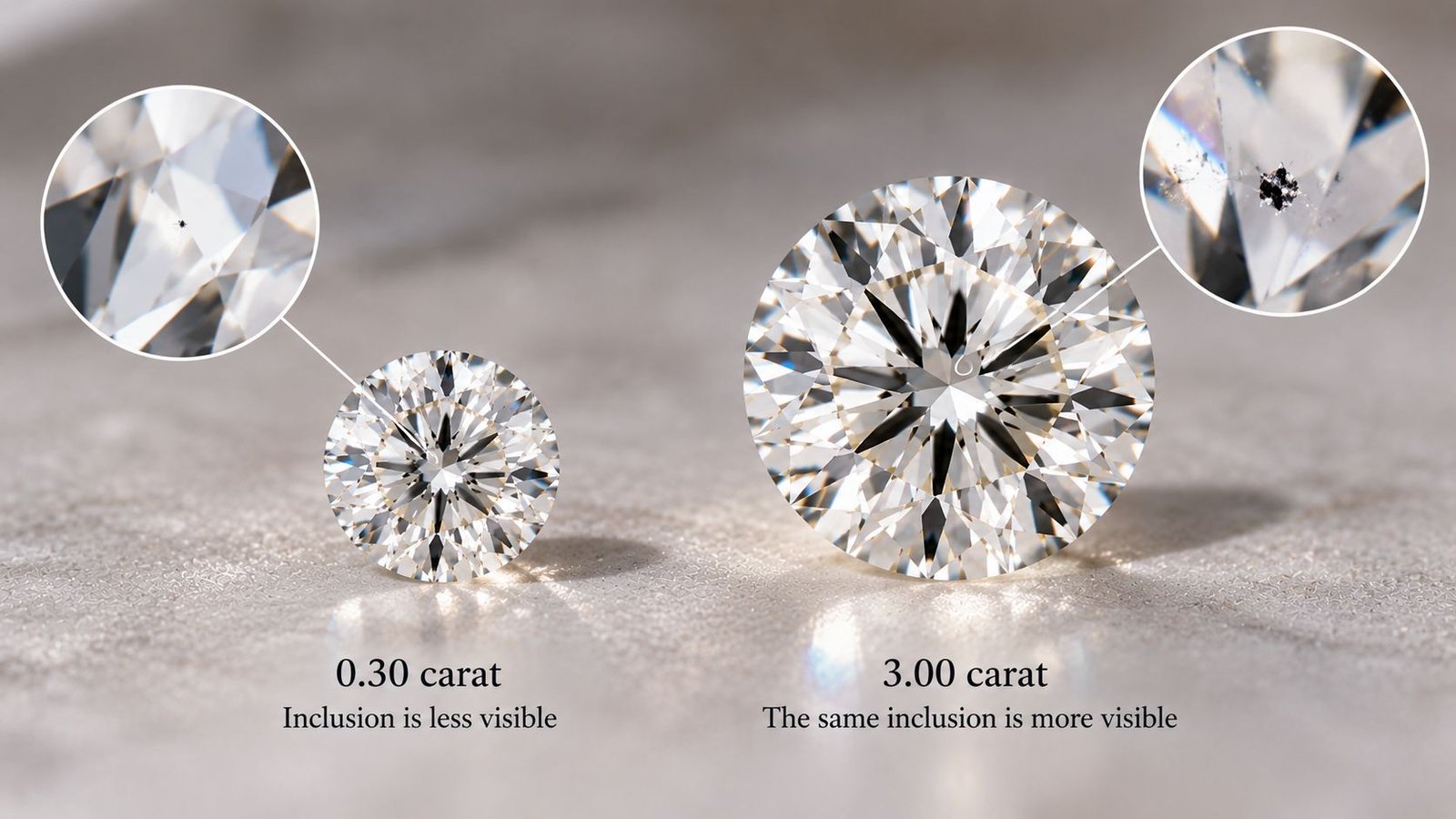
Before diving into the six questions themselves, it helps to understand why large lab diamonds genuinely warrant more careful scrutiny than a smaller, more modest purchase typically requires. Quality issues that would be essentially invisible in a smaller stone — minor cut proportion imperfections, subtle inclusions, slight colour variation — become considerably more visible and noticeable once spread across a larger surface area. A flaw easily overlooked in a half-carat stone can become genuinely apparent in a three-carat stone of otherwise similar underlying quality.
The absolute financial stakes also scale up considerably, meaning any mistake in sourcing, certification verification, or setting choice carries meaningfully greater consequence than the same mistake would on a smaller, less expensive purchase. This combination of greater visibility and greater financial exposure is precisely why large lab diamonds deserve a more deliberate, question-driven purchasing approach than buyers might apply to a more modest stone.
Question 1: Is the Certification From a Genuinely Top-Tier Laboratory?

For large lab diamonds specifically, certification quality deserves even more careful attention than it does for smaller purchases, given how much more is riding on that documentation being genuinely accurate and reliable. While certification matters for any diamond purchase, as covered extensively in our broader look at why certification matters more than carat size, the stakes of relying on a less rigorous or less reputable grading laboratory increase considerably once the underlying stone’s value is substantial.
Buyers should specifically confirm certification comes from a well-established, widely respected laboratory such as GIA or IGI, rather than a smaller or less recognised certification body whose grading standards may not carry the same consistency or market credibility. This distinction matters disproportionately for large lab diamonds specifically, since any grading inconsistency has considerably more financial consequence at this scale than it would for a smaller, less expensive stone.
Question 2: How Does the Price-Per-Carat Compare Just Below and Just Above This Size?
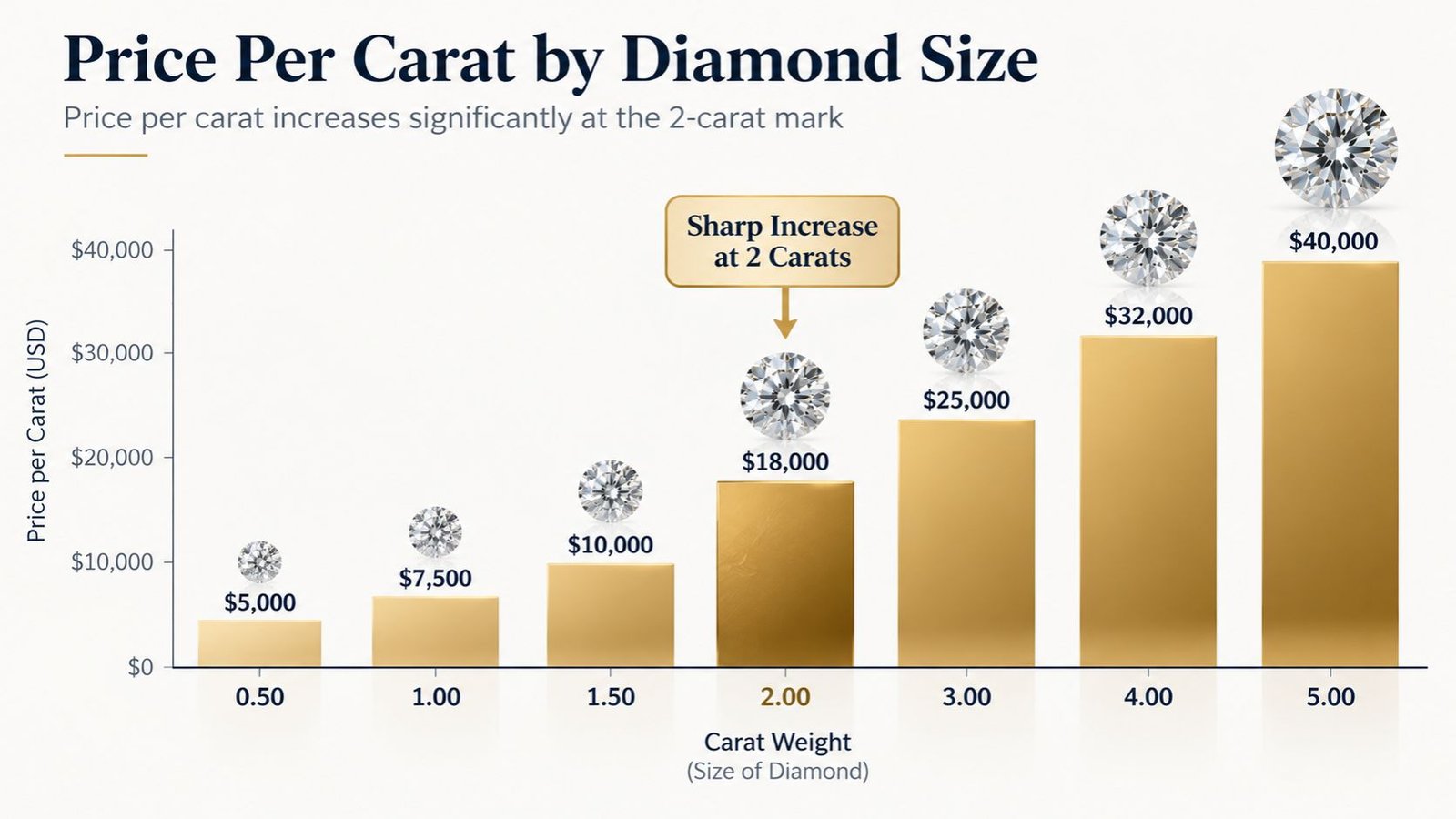
Diamond pricing famously jumps disproportionately at certain round-number carat thresholds, and this dynamic matters considerably when evaluating large lab diamonds specifically. A stone sized just below a significant threshold — say, 1.95 carats rather than a full 2 carats — often carries a meaningfully lower price-per-carat than a stone that has actually crossed that psychologically significant round-number mark, even though the visual size difference between the two is genuinely negligible to the naked eye.
Buyers specifically considering large lab diamonds benefit from asking directly how a stone’s price compares to options sitting just below the same round-number threshold, since this strategic sizing approach, discussed in more detail in our coverage of why buyers are choosing bigger centre stones, can deliver meaningful savings without any genuinely noticeable sacrifice in visual size or presence.
Question 3: What Does the Cut Grade Actually Look Like at This Size Specifically?
Cut quality deserves particularly careful attention when evaluating large lab diamonds, since proportion or symmetry issues that might be essentially invisible in a smaller stone become considerably more noticeable once spread across a larger surface area. A poorly cut large stone can genuinely look less brilliant and less visually impressive than a smaller, better-cut alternative, despite carrying a significantly higher carat weight and correspondingly higher price.
Buyers should request detailed cut grade information specifically, rather than assuming a large stone’s size alone guarantees an impressive visual result, and should ideally view the specific stone in person or through detailed video footage before finalising a purchase, confirming the cut genuinely delivers the brilliance and visual impact the stone’s substantial size should be capable of producing.
Question 4: Will the Setting Genuinely Support a Stone This Size Securely?
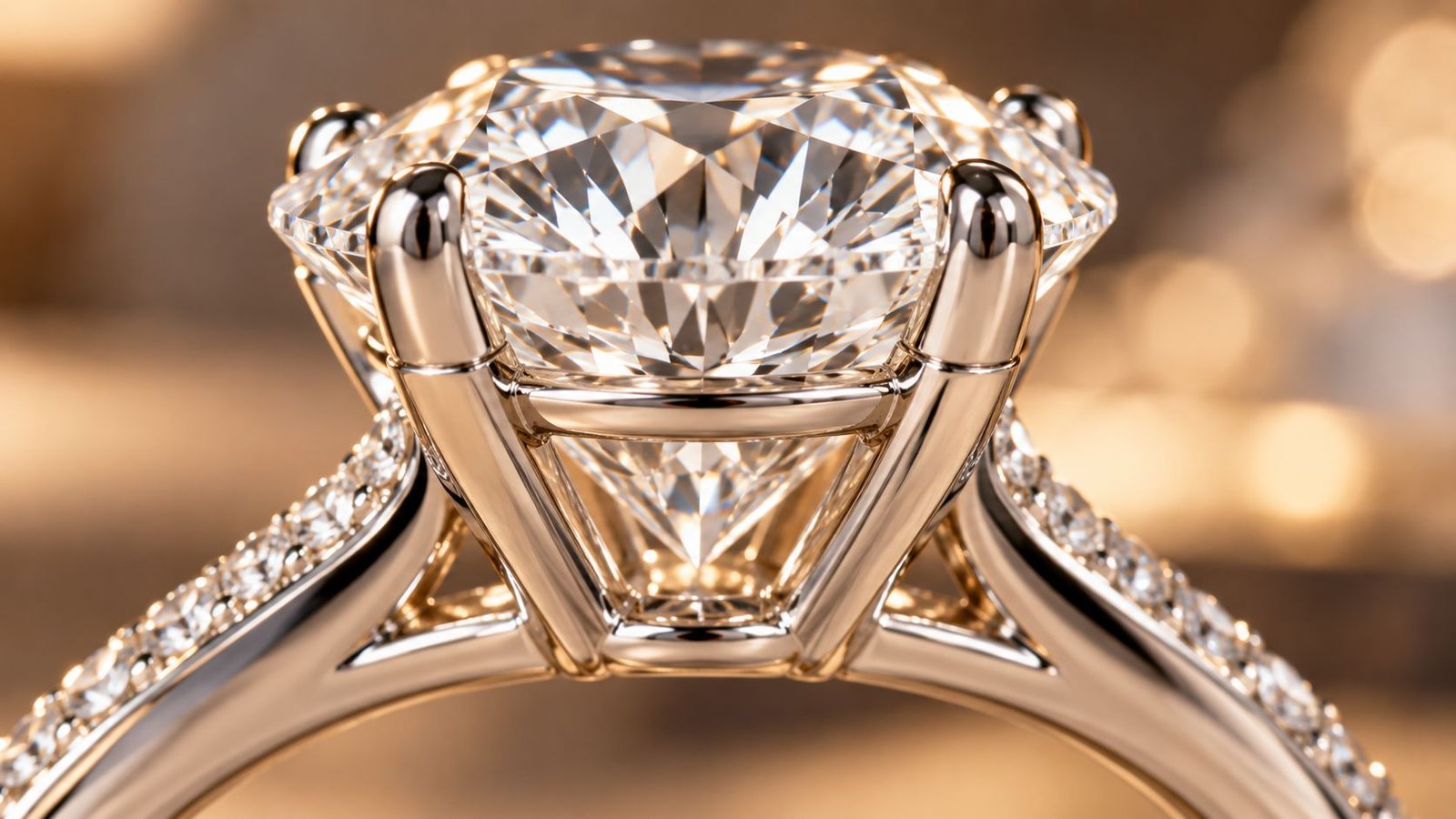
Setting engineering deserves specific attention for large lab diamonds, since a heavier, larger stone places meaningfully more physical demand on prongs, metal structure, and overall setting integrity than a smaller, lighter stone would. A setting adequately engineered for a modest centre stone may not provide sufficient structural support for a significantly larger, heavier stone, creating genuine risk of the stone loosening or becoming damaged over time if the setting was not specifically designed and reinforced to accommodate its actual weight and size — a risk closely related to the cleavage-plane vulnerability we explored in our guide on diamond hardness versus toughness.
Buyers should ask directly whether a proposed setting has been specifically engineered or reinforced to support the particular stone size under consideration, rather than assuming a standard setting design automatically scales appropriately regardless of how significantly the centre stone’s actual size increases. This question matters considerably more for large lab diamonds than it does for more modest centre stones, where standard setting engineering typically provides adequate support without requiring this kind of specific verification.
Question 5: What’s the Realistic Resale and Insurance Picture for a Stone This Large?
Given the substantial value involved, large lab diamonds warrant genuinely careful attention to insurance and long-term value considerations before purchase. Buyers should confirm specifically how their homeowners or renters insurance policy treats jewellery of this value, since many standard policies carry coverage limits considerably lower than what a large, significant stone actually requires, making a dedicated jewellery insurance rider genuinely worth considering rather than assuming standard coverage adequately protects a purchase at this scale.
Realistic expectations about resale value also matter considerably at this size, connecting to broader considerations covered in our look at loose diamonds versus set jewellery for resale and our broader discussion of depreciation and sentimental value. Buyers should approach large lab diamonds with accurate expectations about how resale value works at this scale, rather than assuming a larger purchase price automatically translates into a correspondingly larger resale value down the line.
Question 6: Does This Retailer or Wholesaler Genuinely Have Experience Sourcing Stones This Size?
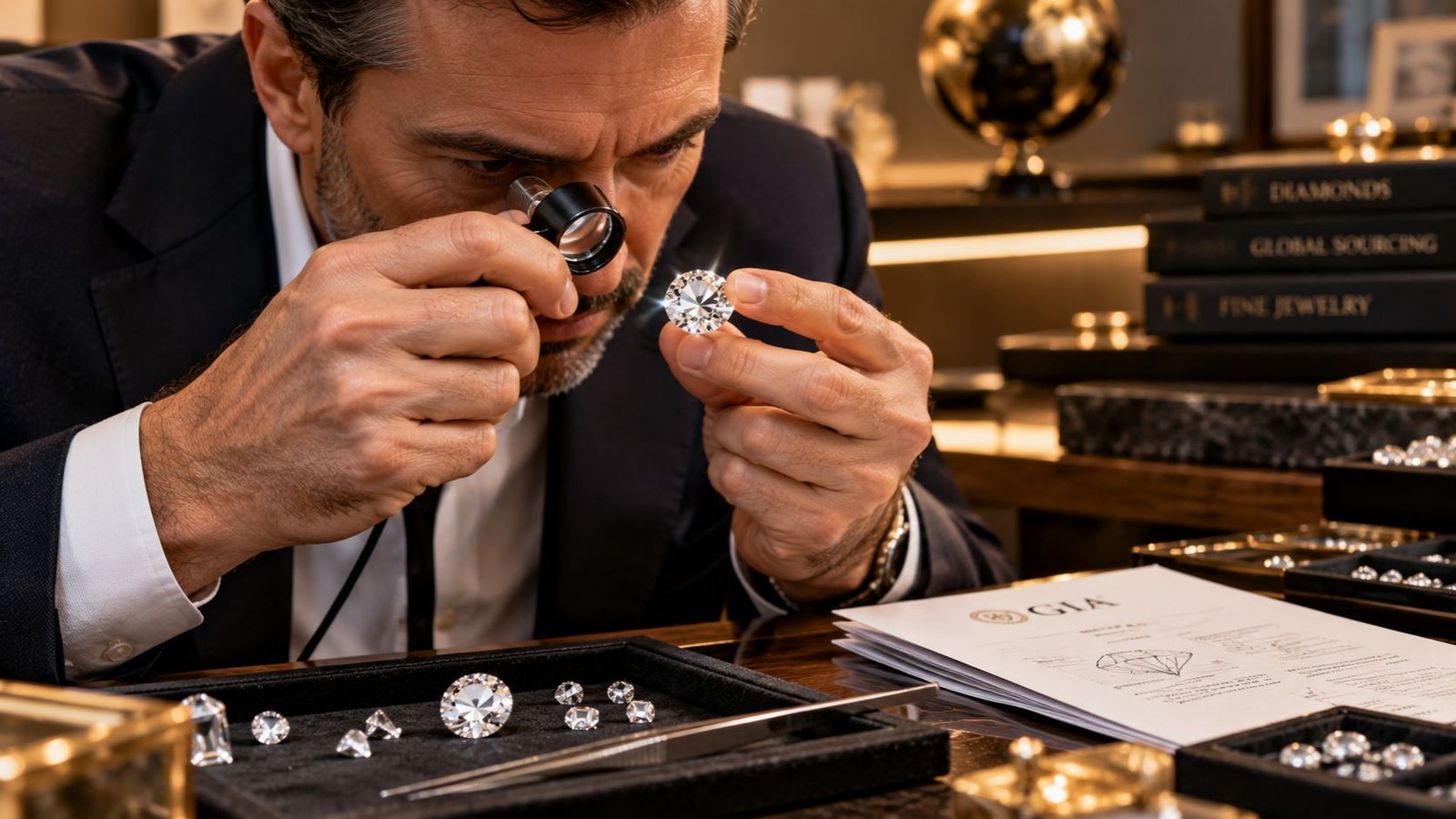
Sourcing large lab diamonds specifically requires genuinely different expertise than sourcing smaller, more commonly available stones, given how much rarer and more specialised larger finished stones remain even within the broader lab grown diamond market. Buyers benefit genuinely from confirming a retailer or wholesaler has demonstrated, genuine experience specifically sourcing and handling stones at this particular size, rather than assuming general diamond retail experience automatically translates into genuine expertise with larger, more specialised inventory.
Asking directly about a retailer’s specific experience with large lab diamonds, including requesting examples of similar stones they have previously sourced or sold, helps buyers gauge whether they are working with a genuinely qualified source for this particular, more specialised category of purchase, rather than a general retailer less experienced with the specific considerations larger stones genuinely demand.
A Simple Pre-Purchase Checklist Bringing These Questions Together
Before finalising a purchase of large lab diamonds specifically, a short verification checklist helps ensure all six questions above receive genuine, satisfactory answers. Confirm certification comes from a top-tier laboratory and review the full report personally rather than relying solely on a retailer’s summary description. Compare pricing against stones sitting just below the same round-number carat threshold to confirm genuine value rather than an unnecessary premium tied purely to crossing that threshold.
Request detailed cut grade information and, where possible, view the specific stone in person or through thorough video footage before committing. Confirm the proposed setting has been specifically engineered to support the stone’s actual size and weight securely. Review insurance coverage and confirm it adequately reflects the stone’s actual value, adding a dedicated rider if standard coverage falls short. And confirm the retailer or wholesaler genuinely has demonstrated experience sourcing stones at this particular size before finalising the transaction.
Red Flags Worth Watching For Specifically at This Size
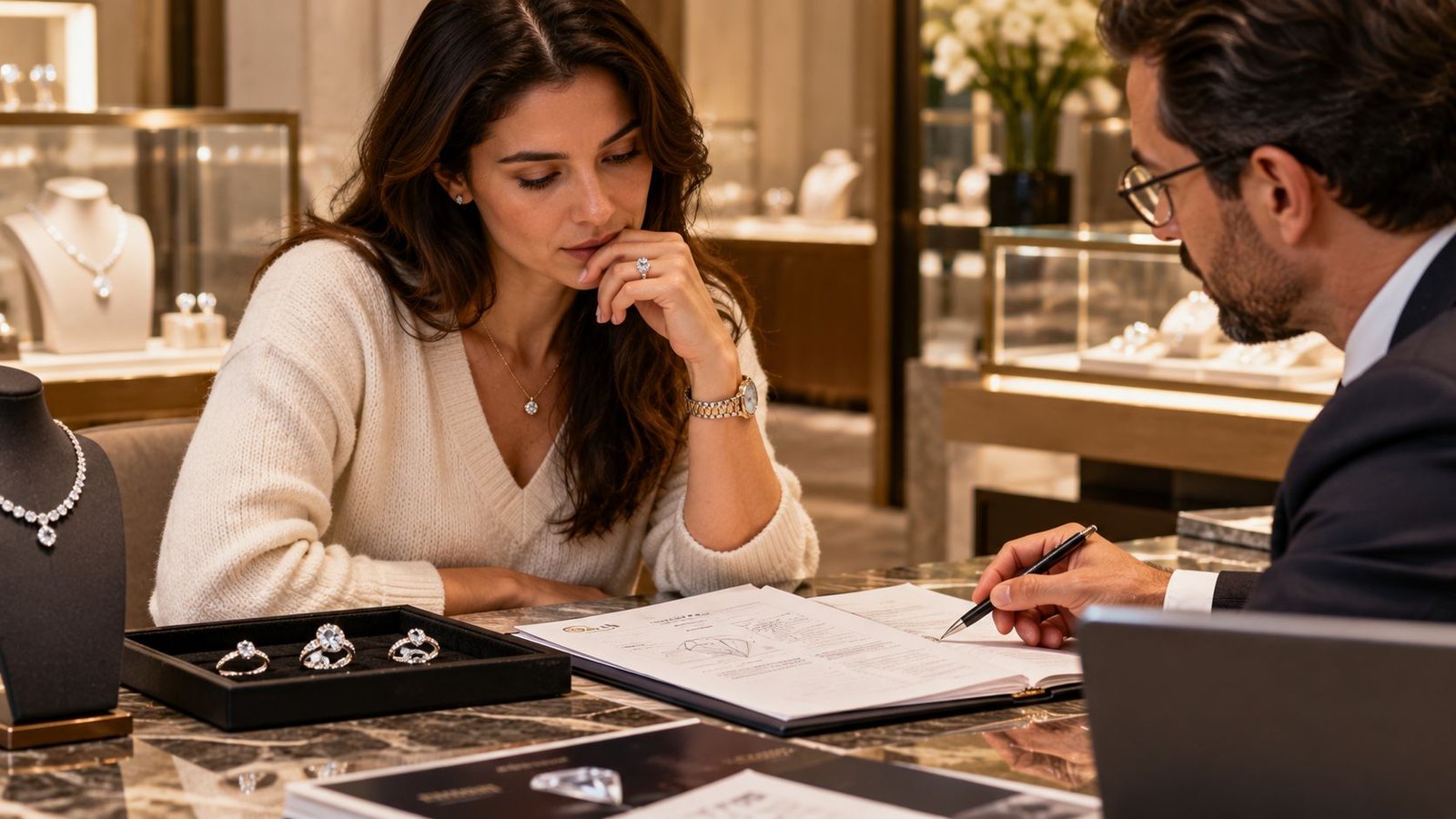
Beyond the six core questions above, a few specific warning signs deserve extra attention when shopping in this particular size category. Pressure to decide quickly, without reasonable time to independently verify certification or compare pricing, warrants particular caution given how much more is financially at stake than with a smaller, more routine purchase. A legitimate seller offering a genuinely well-priced, well-documented stone should have no need to rush a buyer through a decision of this magnitude.
Vague or evasive answers about a specific stone’s cutting origin, growth facility, or production timeline also deserve attention, since a retailer genuinely experienced in sourcing stones at this scale should be able to speak confidently and specifically about where and how a particular piece was produced. Similarly, reluctance to provide detailed video footage or allow an in-person viewing before finalising payment represents a meaningful warning sign, particularly for online transactions involving a stone of this value, where visual verification matters considerably more than it would for a smaller, lower-stakes purchase.
Unusually large discrepancies between a specific stone’s price and the broader wholesale pricing range for comparably certified stones of similar size also warrant closer scrutiny, since a price that seems unusually low relative to genuine market comparables sometimes signals an issue with certification accuracy, undisclosed treatment, or other factors a buyer would want to understand clearly before proceeding with a purchase at this scale.
How Buying Large Lab Diamonds Differs From a More Routine Purchase
It’s worth stepping back to appreciate just how differently this particular category of purchase unfolds compared to buying a smaller, more routine piece. A typical sub-carat purchase often moves relatively quickly, with buyers reasonably trusting standard retailer processes and certification without necessarily investigating every detail independently, given the comparatively modest stakes involved. Large lab diamonds genuinely warrant a slower, more deliberate approach, where each of the questions outlined above receives real, substantive attention rather than being treated as a formality to move past quickly on the way to completing the sale.
This does not mean the process needs to feel stressful or adversarial — a genuinely reputable retailer or wholesaler should welcome these questions as a normal, expected part of a significant transaction, rather than treating careful buyer diligence as an inconvenience. Buyers who approach this category with appropriate patience and thoroughness consistently report greater satisfaction and confidence in their eventual purchase than those who rush through the process the way they might for a smaller, lower-stakes piece.
The Bottom Line
Large lab diamonds represent a genuinely exciting category of purchase that falling production costs have made accessible to a considerably broader range of buyers than would have been realistic even a few years ago. But this accessibility does not eliminate the genuinely higher stakes involved in a purchase at this scale — quality issues become more visible, financial exposure increases, and practical considerations around setting, insurance, and sourcing all demand more careful, deliberate attention than a more modest purchase typically requires.
Buyers who take the time to ask these six essential questions before committing to large lab diamonds specifically are considerably better positioned to make a confident, well-informed purchase, avoiding the kind of oversights that carry meaningfully greater consequence once both the stone and its price tag have grown significantly larger.
Frequently Asked Questions
Disclaimer: This article is intended for general informational purposes only and does not constitute financial, insurance, or legal advice. Always consult a qualified jeweller, insurance provider, and certified gemologist for guidance specific to your purchase.