

The New Era of Push Presents: Lab-Grown Diamond Gifts for Every New Mom
Engagement rings get most of the attention in diamond jewelry marketing, but they’re far from the only milestone worth marking with a lasting piece. Push presents, the gifts given to a new mother around the time of childbirth, have quietly grown into one of the more meaningful categories in modern jewelry gifting, and Push Present Jewelry has evolved considerably from the flashy status-symbol reputation the tradition once had. This guide covers what the tradition actually is, how it’s changed in recent years, and how lab-grown diamonds have made genuinely beautiful pieces realistic for a much wider range of families.
What a Push Present Actually Is (and Isn’t)
A push present, sometimes called a push gift or baby bauble, is a gift given to a mother to mark the experience of pregnancy and childbirth, typically from a partner, though the term itself is relatively recent. While “push present” as a phrase only entered common use in recent decades, the broader practice of gifting a new mother jewelry around childbirth has roots across many different cultures and time periods, long predating the modern term.
It’s worth being clear about what a push present is not: it’s not a gift for the baby, and it’s not the same as a christening or newborn keepsake gift, even though the two sometimes get purchased around the same time. A push present is specifically about honoring the mother and what she went through, which is part of why so much of the modern conversation around the tradition has shifted away from size and price tag and toward genuine personal meaning.
Why This Tradition Has Grown (and Changed)
Public opinion on push presents has always been somewhat divided. A widely referenced early survey from BabyCenter found that 38% of new mothers had received a push present, while 55% of pregnant mothers said they wanted one, with a noticeably smaller share feeling it was something they were actually owed or expected. A later survey of television viewers found opinion split further still, with a sizable share opposed to the custom entirely and another meaningful portion simply unfamiliar with the term.
What’s changed more recently is the character of the gifts themselves rather than whether the tradition exists at all. Industry gift-guide coverage heading into the current gifting season has specifically noted that push presents are shifting away from pure status symbols and toward practical luxuries, with the most resonant gifts now favoring comfort, recovery, and genuine sentiment over simply being the biggest or most expensive option available. That shift lines up naturally with Push Present Jewelry built around personal meaning, like a birthstone or a design that represents the family growing rather than jewelry chosen purely to impress.
Push Present vs New Baby Gift: What’s the Difference
These two gift categories often get purchased around the same window of time, which leads to understandable confusion about where one ends and the other begins. A push present is for the mother, honoring her specifically; a new baby gift is typically either for the baby directly or for the family unit as a whole, celebrating the new addition itself rather than what she went through to get there.
In practice, many families choose to give both, and some intentionally blend the two ideas into a single meaningful piece, such as a ring or necklace that incorporates the baby’s birthstone specifically because it represents both the mother’s journey and the new addition to the family at once. Understanding this distinction mostly matters for choosing the right kind of piece and the right framing when giving it, rather than being a strict rule that has to be followed.
Popular Jewelry Styles for Push Presents
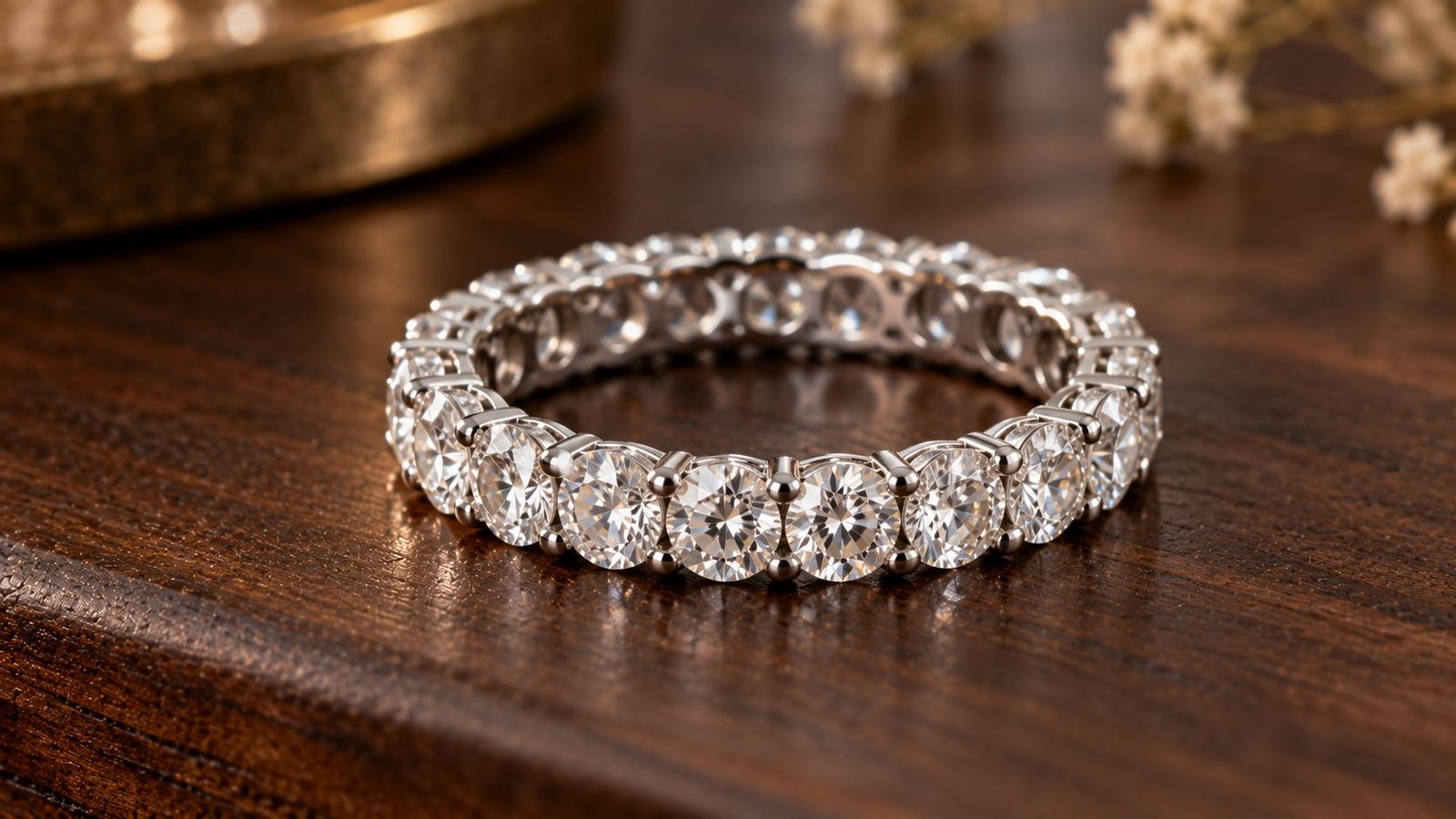
Eternity bands remain one of the most popular and symbolically fitting choices, with diamonds set continuously around the band representing an unbroken, ongoing commitment that pairs naturally with the arrival of a child. Unlike a half-eternity band, a full eternity design keeps its sparkle visible from every angle, which many recipients appreciate as a piece that reads as complete rather than partial.
Birthstone rings and necklaces have grown significantly in popularity specifically for this occasion, using the baby’s actual birth month stone as the centerpiece. For families planning or open to more than one child, mother’s rings designed to hold multiple stones side by side, each representing a different child, have become a particularly popular long-term piece, since the ring itself can grow alongside the family.
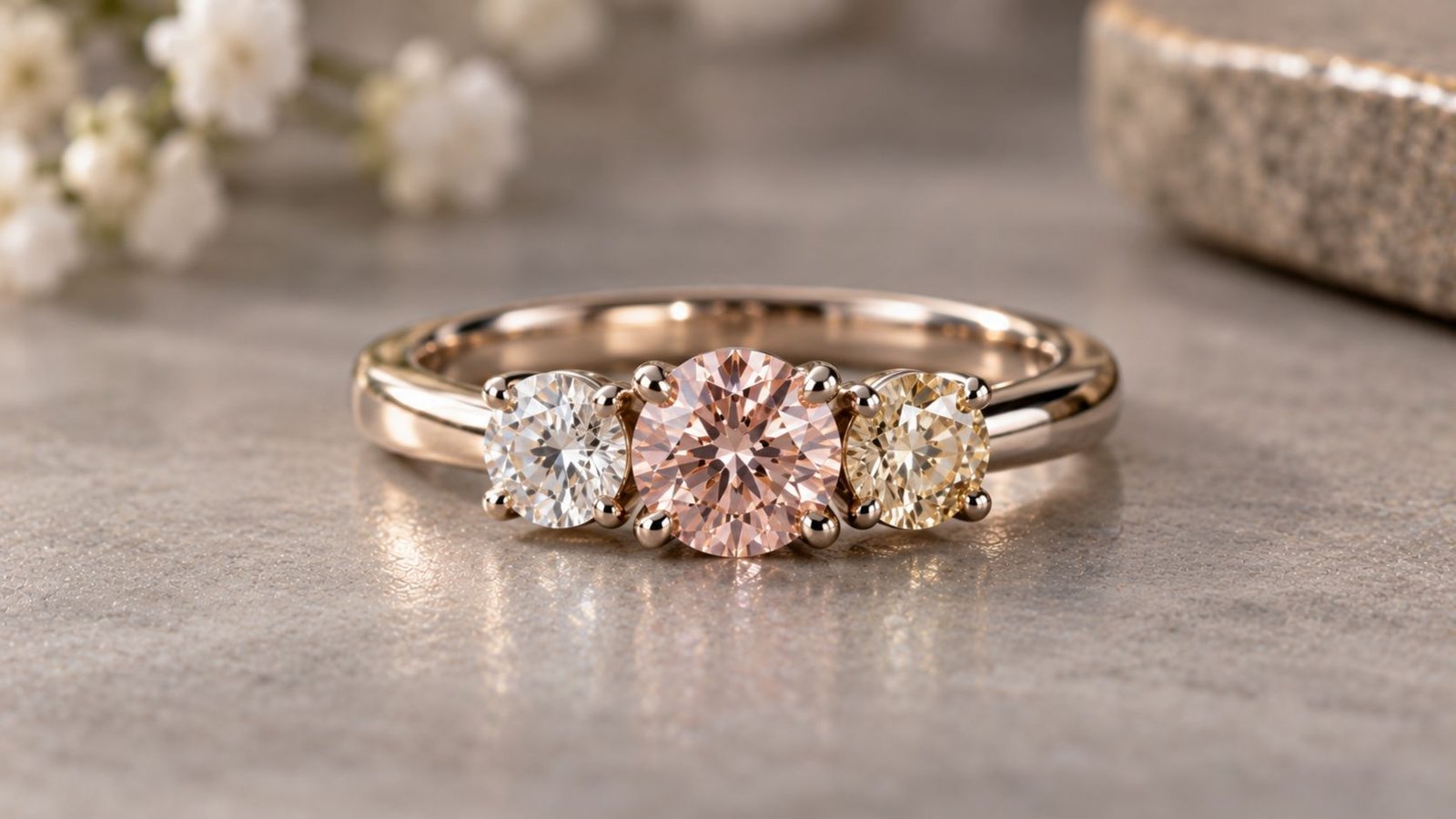
Diamond-accented name necklaces, featuring the baby’s name or initial with a small diamond detail, offer a more personal, less traditional option than a ring, often worn as an everyday piece rather than reserved for special occasions. Stacking bands, simple diamond-set rings meant to be worn alongside an existing wedding or engagement ring, have also become popular specifically because they add to an existing collection rather than requiring a single standalone statement piece.
Choosing a Birthstone-Inspired Piece
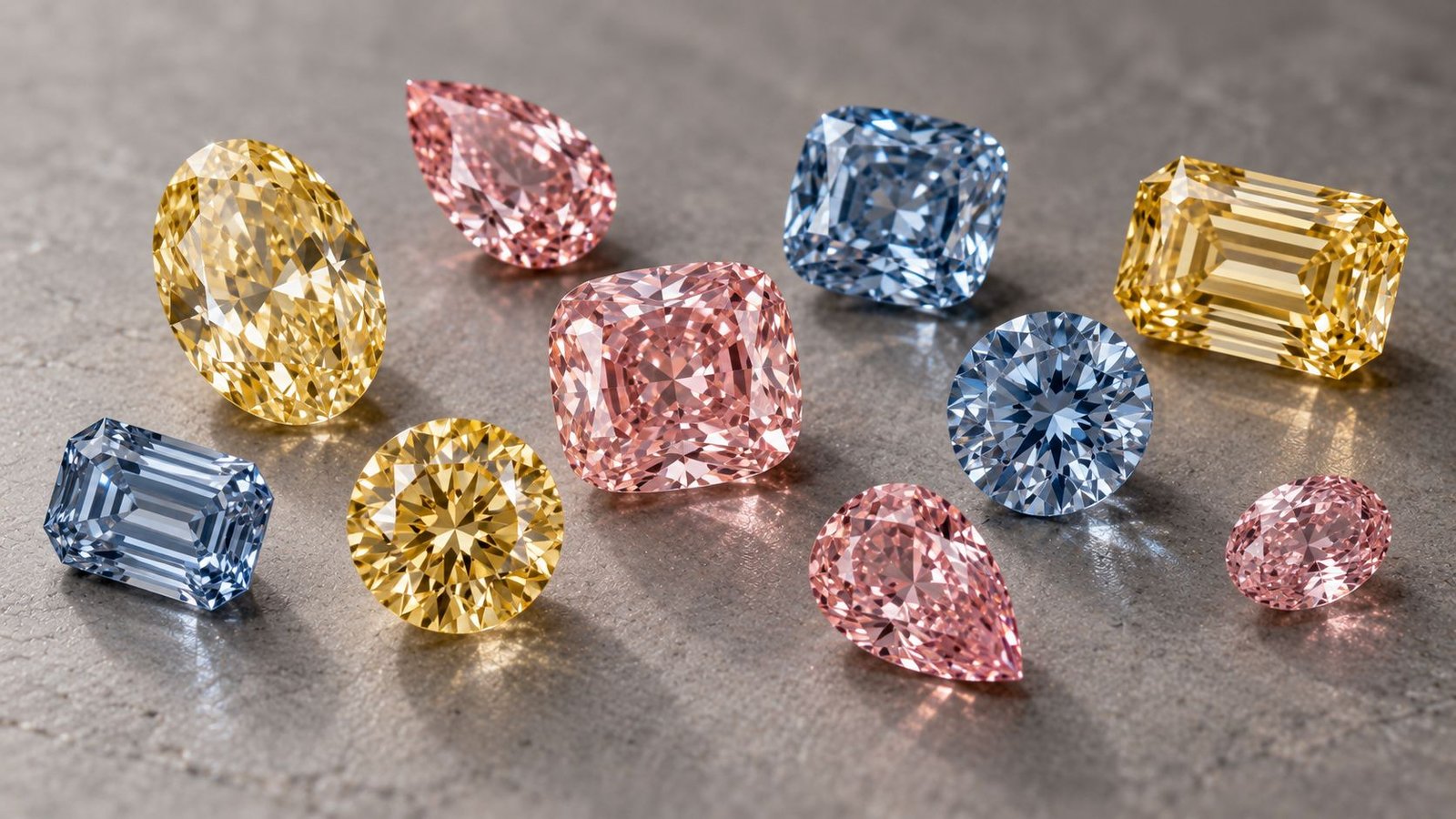
Diamond happens to be April’s traditional birthstone, which makes it a natural, literal choice for a baby born in that month, but birthstone-inspired Push Present Jewelry extends well beyond literal month-matching for most families. Many buyers choose a diamond piece regardless of birth month simply for its durability and versatility, while others prefer to honor the actual birthstone using a fancy color stone that approximates it, such as a fancy yellow lab-grown diamond for a November birthday rather than the traditional citrine or topaz.
This is one of the more creative, increasingly popular directions within the category: using fancy color lab-grown diamonds to represent a traditional birthstone color while keeping the durability, certification, and long-term value that comes with an actual diamond rather than a softer gemstone. A piece built this way tends to hold up far better to decades of daily wear than many traditional birthstones, which matters for a gift meant to be worn essentially every day for the rest of a person’s life.
Why Lab-Grown Diamonds Fit This Tradition So Well

Push presents carry a particular kind of financial pressure that other diamond jewelry purchases don’t always share: for families planning or open to multiple children, there’s a real possibility of needing to choose several meaningful pieces over the following years rather than a single one-time purchase. Lab-grown diamonds make this considerably more realistic, since the lower cost per carat compared to natural stones means a genuinely beautiful, well-made piece doesn’t have to compete as heavily with the very real costs already associated with a growing family.
This matters even more for mother’s rings and other multi-stone designs meant to be added to over time, since sourcing several well-matched diamonds across multiple purchases, sometimes years apart, becomes significantly more affordable in lab-grown form than it would be trying to match natural stones purchased at different points. Families building a piece gradually, adding a stone with each new child, benefit directly from being able to maintain consistent quality and size without the premium that would come with natural diamonds purchased piecemeal over several years.
New Baby Gifts: Jewelry for the Family

Beyond the push present itself, many families also choose a separate keepsake piece to mark the baby’s arrival specifically, distinct from honoring the mother. This might be a small diamond-accented charm added to an existing bracelet, a christening or naming-day pendant, or a simple piece set aside for the child to receive later in life, such as on a significant birthday.
Because these pieces are often intended to be kept as a family keepsake rather than worn immediately, durability and timeless design tend to matter more than trend-driven styling. A simple, well-made diamond pendant or charm, something that will still feel appropriate to give a teenager or young adult decades later, is generally a safer long-term choice than a highly trend-specific design that might feel dated by the time it’s eventually passed along.
Common Misconceptions
“A push present has to be extremely expensive to be meaningful.” Current gifting trends are moving specifically away from this idea, favoring pieces chosen for personal meaning and practicality over size or price tag.
“Push presents and new baby gifts are the same thing.” A push present specifically honors the mother; a new baby gift is typically for the baby or the family as a whole, and the two serve genuinely different purposes even when given around the same time.
“Only diamonds born in April count as a ‘real’ birthstone piece.” Many families choose diamonds regardless of actual birth month for durability and versatility, or use fancy color lab-grown diamonds to represent a different traditional birthstone color entirely.
“Lab-grown diamonds are a lesser choice for such a meaningful gift.” Lab-grown diamonds are chemically and physically identical to natural stones, making them just as meaningful and durable while allowing for a larger or more elaborate piece within a realistic budget.
“Mother’s rings only work if you know how many children you’ll have.” Many mother’s ring designs are built specifically to be added to over time, allowing a stone to be included for each child as the family grows rather than requiring the full design upfront.
Buying Guide: Choosing the Right Push Present
Start by thinking about how the piece will actually be worn day to day, particularly in the early weeks and months after childbirth, when comfort and practicality often matter more than how dramatic a piece looks in a photo. A low-profile eternity band or a simple pendant often gets worn far more consistently during this period than a large, high-set statement ring.
If birthstone symbolism matters to the recipient, decide early whether you want a literal birthstone, a diamond regardless of birth month, or a fancy color diamond chosen to represent a particular meaning, since this decision shapes the entire design direction. For a mother’s ring or other piece meant to grow with the family, ask your jeweler specifically about their process for adding stones later, including how they’ll match color and cut to stones purchased years apart.
Consider lab-grown diamonds specifically if you’re hoping to give a larger or more detailed piece without exceeding a realistic budget, particularly if you anticipate wanting to add to the piece with future children. Finally, keep the actual sentiment in mind over the price tag; current trends in this category consistently favor gifts that feel thoughtful and personal over gifts chosen primarily to impress.
Final Thoughts

Push Present Jewelry has moved well past its reputation as a simple status gesture, becoming a genuinely personal way to mark one of the more significant experiences in a family’s life. Whether that means an eternity band, a birthstone-inspired ring, or a mother’s ring designed to grow alongside future children, the best choices in this category tend to be the ones built around real meaning rather than size or price. Lab-grown diamonds have made nearly every version of this more realistic, letting families choose a piece that genuinely fits the moment rather than compromising on what the occasion actually deserves.
Frequently Asked Questions
Disclaimer: Survey data and gifting trend statistics referenced in this article reflect information available at the time of writing and may not represent every family’s experience or preference.