

Filigree Diamond Settings: 6 Great Reasons Old Techniques Still Shine
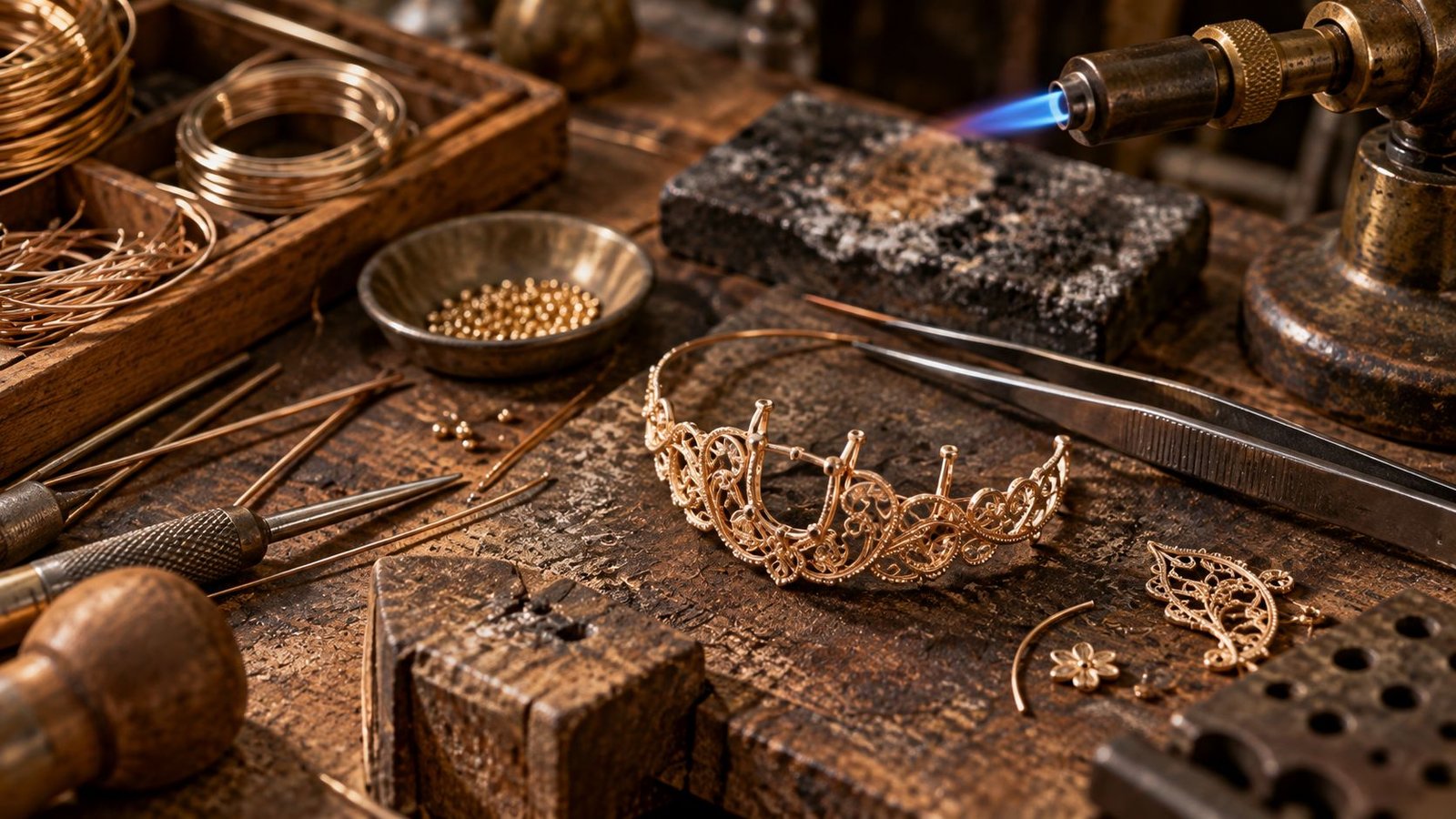
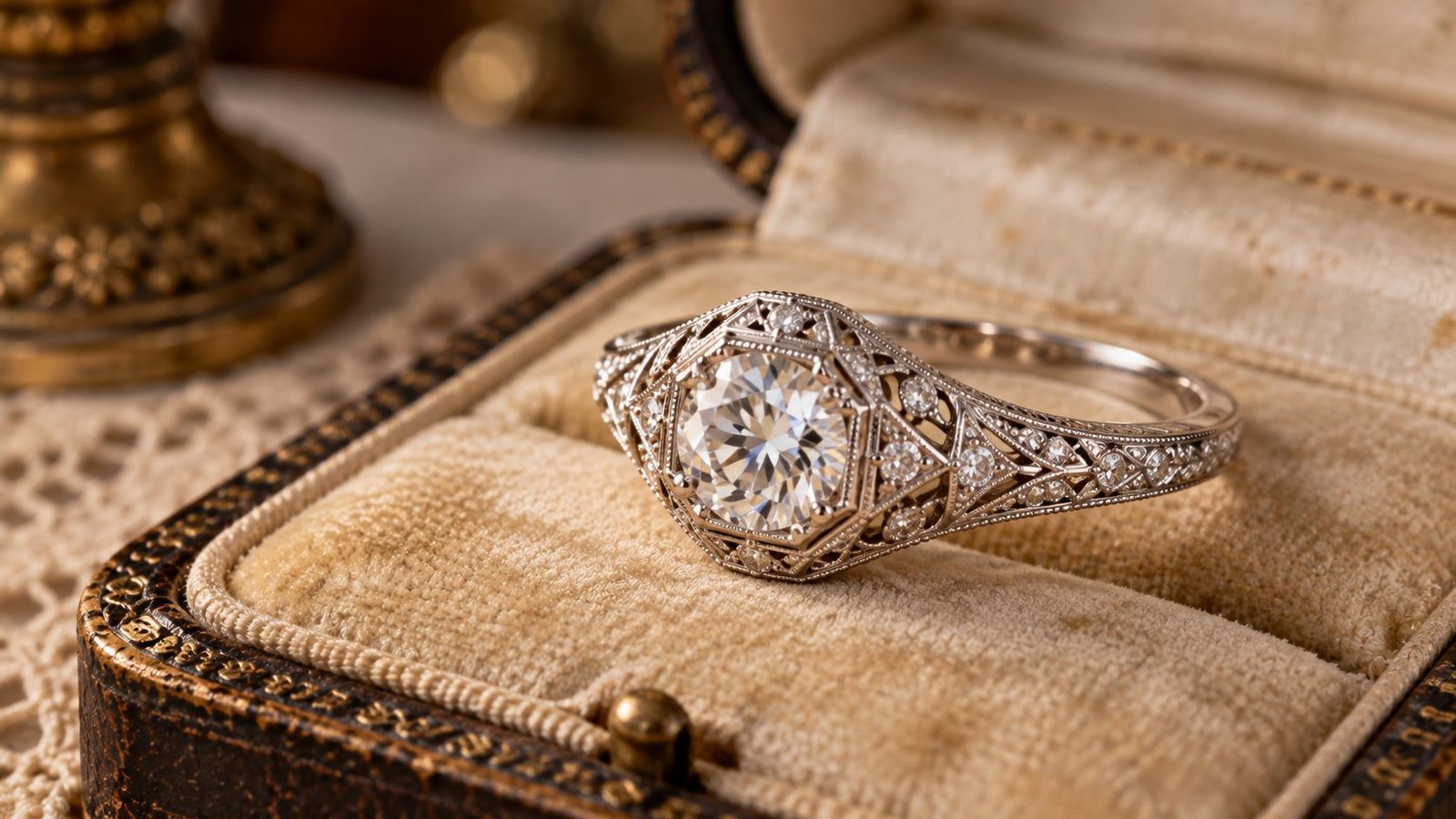
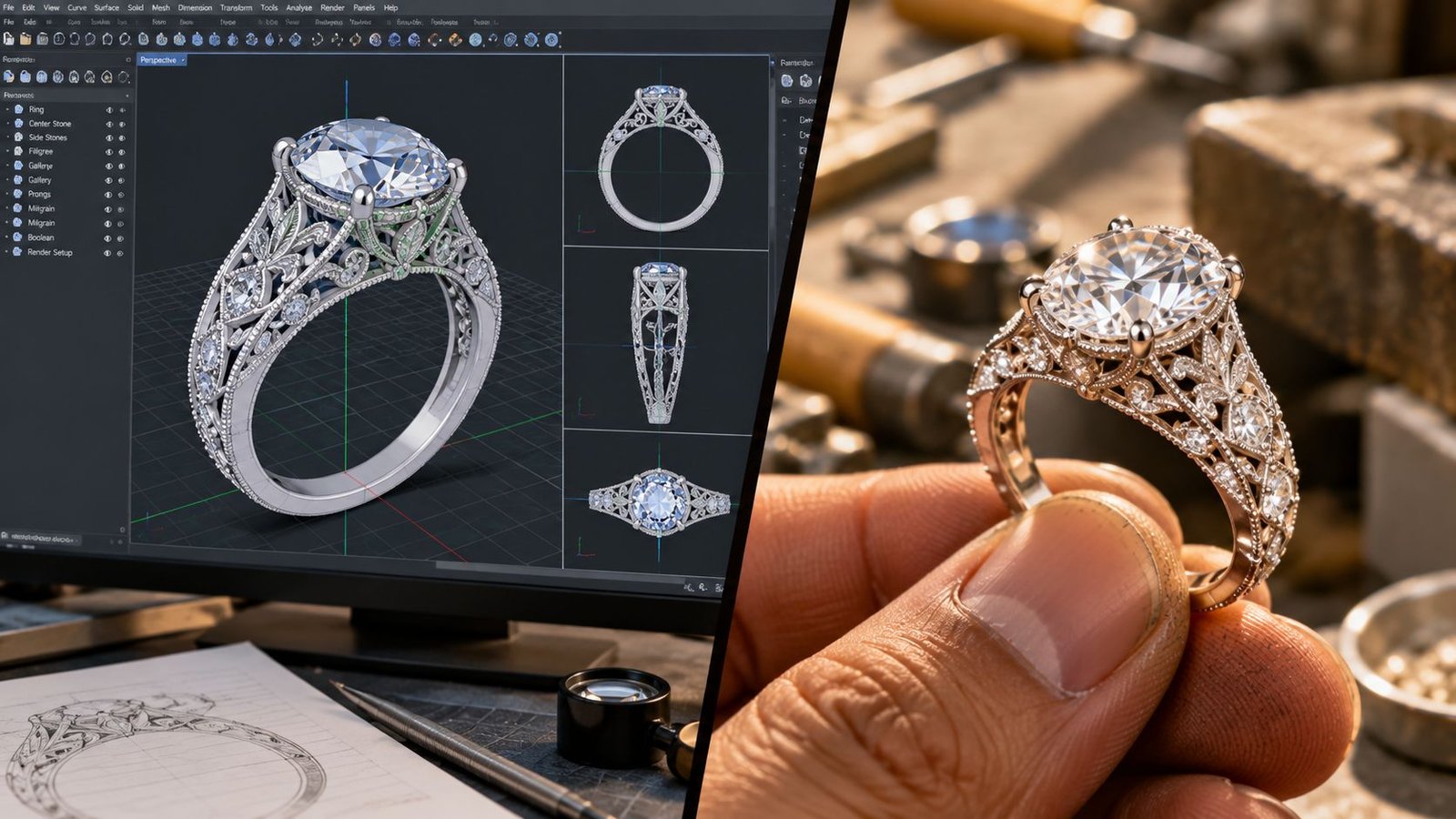
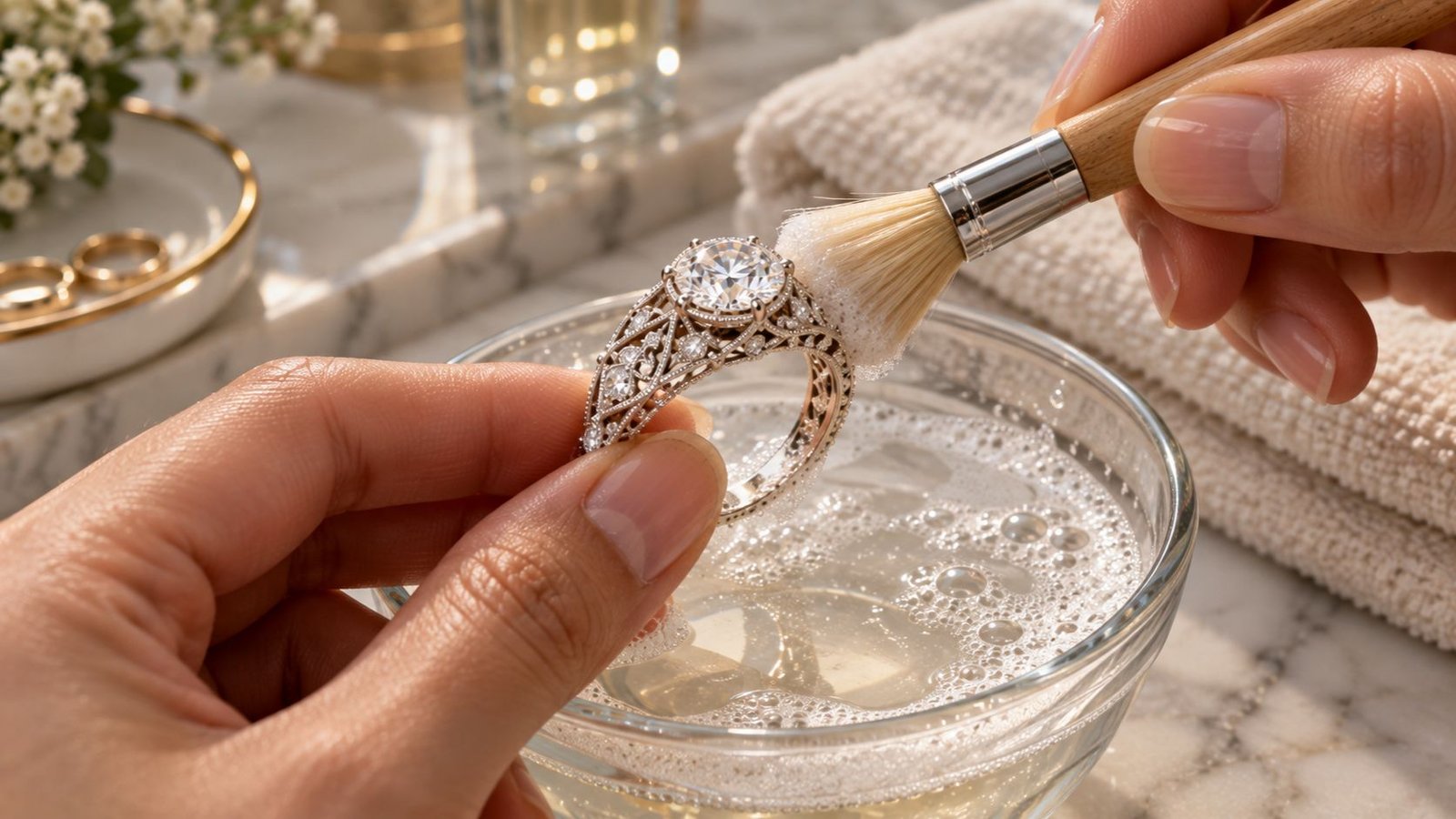
Long before computer-aided design and laser cutting entered the jewellery workshop, skilled artisans created some of history’s most delicate, intricate metalwork entirely by hand — twisting, curling, and soldering impossibly thin strands of metal into lace-like patterns that seemed to defy the material’s own structural logic. This technique, known as filigree, produced some of the most visually distinctive jewellery of the early twentieth century, and it is experiencing a genuine, sustained resurgence today, paired increasingly with an entirely modern material: lab grown diamonds. Filigree diamond settings represent a genuinely compelling intersection of old-world craftsmanship and new-world material science, where centuries-old metalworking traditions meet a diamond category that did not exist in anything resembling its current form even a decade ago. Understanding why this particular combination has resonated so strongly with modern buyers — and what it actually takes to produce filigree work well, whether through traditional hand fabrication or modern CAD-assisted techniques — offers genuine insight into one of the more interesting design trends currently shaping fine jewellery. This guide walks through six specific reasons filigree diamond settings have found such a receptive modern audience, along with practical guidance on sourcing, durability, and care for anyone working with or buying into this particular design tradition. Filigree refers to a decorative metalworking technique involving fine, twisted wires and small metal beads or granules arranged into intricate, lace-like openwork patterns, traditionally created by hand through painstaking soldering and shaping work. Unlike solid metal settings, which simply require shaping and polishing a continuous piece of metal, filigree work involves assembling numerous individually formed wire elements into a cohesive, structurally sound pattern — a process that demands considerably more time, precision, and specialised skill than conventional setting fabrication. This labour intensity explains why filigree diamond settings have historically carried a meaningful craftsmanship premium compared to simpler setting styles, and why the technique nearly disappeared from mainstream jewellery production during the mid-twentieth century as manufacturing shifted decisively toward faster, more cost-efficient production methods. The skill required to execute filigree well — maintaining structural integrity while achieving genuinely delicate, lace-like visual lightness — represents a genuinely distinct craft tradition within jewellery making more broadly. Filigree reached its most iconic expression during the Edwardian and early Art Deco periods, roughly spanning the 1900s through the 1930s, when platinum’s availability and workability allowed jewellers to create increasingly delicate, intricate openwork designs that would have been considerably more difficult to achieve reliably in earlier, softer precious metals. This period produced some of history’s most visually celebrated engagement ring and jewellery designs, characterised by lacy, geometric patterns, milgrain detailing along edges, and an overall aesthetic of delicate, almost architectural complexity. This genuine historical pedigree gives filigree diamond settings a distinct authenticity that purely contemporary design trends simply cannot replicate, appealing strongly to buyers specifically seeking a piece with genuine connection to an established design tradition rather than an entirely novel, trend-driven aesthetic. Understanding this historical foundation helps explain why filigree has resonated so strongly during the broader vintage-inspired design resurgence that has shaped jewellery trends across recent years. Filigree diamond settings have benefited directly from a broader cultural shift toward vintage-inspired aesthetics across jewellery design more generally, a trend that has also driven renewed interest in yellow gold and other classic design elements that had fallen somewhat out of favour during decades of minimalist, white-metal-dominated design trends. Buyers increasingly express genuine preference for pieces carrying visible craftsmanship and historical design reference, rather than the more clinically minimalist aesthetic that dominated jewellery design through much of the 2000s and 2010s. This broader trend context matters considerably for understanding filigree diamond settings’ current popularity, since the technique’s revival reflects a genuine, sustained shift in buyer aesthetic preference rather than an isolated or purely niche interest. Retailers and designers who recognise this broader pattern are better positioned to serve genuine, sustained demand rather than treating filigree’s popularity as a temporary or passing trend likely to reverse quickly. Perhaps the single most significant factor driving filigree diamond settings’ modern resurgence involves how lab grown diamonds have fundamentally changed the economics of pairing elaborate handwork with a substantial centre stone. Historically, filigree’s already significant labour cost meant that pairing the technique with anything beyond a modest-sized natural diamond pushed total piece cost into a range accessible only to the most affluent buyers, since both the intricate handwork and a larger natural stone each carried substantial, independently significant costs that compounded when combined within a single piece. Lab grown diamonds have genuinely changed this equation. A buyer can now reasonably afford both the significant craftsmanship investment filigree demands and a substantially larger, more visually prominent centre stone than would have been financially realistic when natural diamond pricing was the only available option. This combination — genuine handcrafted artistry paired with a meaningfully larger centre stone — represents a pairing that was simply out of reach for most buyers throughout filigree’s original historical heyday, making lab grown diamonds a genuinely significant enabler of filigree’s modern accessibility rather than simply a coincidental pairing. While traditional hand fabrication remains the gold standard for the most elaborate, bespoke filigree diamond settings, modern computer-aided design and casting techniques have genuinely expanded access to filigree-style aesthetics at more accessible price points and with more predictable turnaround times than pure hand fabrication alone could support at scale. CAD-designed filigree patterns, refined digitally before being cast using lost-wax casting techniques, can reproduce intricate lace-like detailing considerably faster than fully hand-fabricated wirework, while still achieving a visually convincing filigree aesthetic. This does not mean CAD-assisted filigree production is identical to pure hand fabrication in every respect — genuine hand-fabricated filigree retains certain subtle textural and structural qualities that mass-produced casting cannot fully replicate, and discerning buyers and collectors continue to value fully hand-fabricated pieces specifically for this reason. But the broader accessibility CAD-assisted techniques provide has meaningfully expanded the overall market for filigree diamond settings, bringing the aesthetic within reach of a considerably wider range of buyers than pure hand fabrication alone could ever have served at comparable price points. A legitimate historical concern about filigree diamond settings involved durability, since the technique’s signature delicate, open wirework inherently sacrifices some of the structural robustness a solid metal setting provides. Thin wire elements, while visually striking, are genuinely more vulnerable to bending or breaking under significant impact compared to solid metal construction, a real trade-off buyers have always needed to weigh against the aesthetic benefits filigree provides. Modern engineering has meaningfully improved this durability trade-off compared to historical filigree construction. CAD-assisted design allows jewellers to model stress points digitally before fabrication, reinforcing structurally vulnerable areas without significantly compromising the overall lace-like visual effect the technique is prized for. Modern casting alloys also offer improved durability characteristics compared to some historical metal compositions, further strengthening contemporary filigree diamond settings relative to their genuine historical antecedents, even while preserving the same essential aesthetic character that made the original technique so visually distinctive in the first place. Despite modern techniques expanding overall accessibility, genuinely skilled filigree craftspeople — whether working in traditional hand fabrication or sophisticated CAD-assisted production — remain considerably less common than jewellers skilled in more conventional, solid setting styles. This scarcity means retailers and wholesalers specifically able to source and offer genuine, well-executed filigree diamond settings maintain a real, meaningful point of differentiation within an increasingly crowded and competitive broader jewellery market. Building reliable sourcing relationships with workshops or individual artisans genuinely skilled in filigree work, whether for fully custom hand-fabricated pieces or high-quality CAD-assisted production, represents a genuinely worthwhile investment for retailers specifically looking to capture the sustained demand this design category has demonstrated. This sourcing challenge also means buyers researching filigree diamond settings should pay particular attention to the specific craftsmanship quality and reputation of whichever retailer or jeweller they are considering, since execution quality varies considerably more within this specialised category than it typically does for more standard, widely produced setting styles. Filigree’s delicate construction genuinely requires somewhat more thoughtful care than solid metal settings, given the inherently more vulnerable nature of thin wirework compared to solid metal construction. Gentle, soap-and-water cleaning methods remain appropriate for filigree pieces, following broadly similar principles to standard diamond jewellery cleaning, but extra care around brushing pressure matters considerably more for filigree specifically, given how comparatively fragile individual wire elements can be relative to a solid setting’s sturdier construction. Periodic professional inspection carries particular importance for filigree diamond settings specifically, since small amounts of wear or stress on individual wire elements can be considerably harder for an untrained eye to notice compared to more obvious wear patterns on a solid setting. A jeweller experienced specifically with filigree construction can identify early signs of wire fatigue or stress considerably more reliably than general jewellery inspection alone might catch, making specialised inspection genuinely worthwhile for anyone who owns or sells filigree work regularly. Buyers should also exercise reasonable additional caution during activities involving significant hand impact or friction, such as heavy manual work or vigorous exercise, recognising that filigree’s open, delicate construction genuinely benefits from somewhat more conscious everyday care than a simpler, solid setting style would typically require. For retailers and designers specifically considering expanding into filigree diamond settings, several practical considerations emerge from the factors discussed above. Building genuine sourcing relationships with skilled filigree specialists, whether pursuing hand-fabricated or CAD-assisted production, represents a meaningful but genuinely worthwhile investment given the category’s sustained demand and relative scarcity of skilled execution within the broader market. Pairing filigree settings specifically with lab grown centre stones allows retailers to offer genuinely larger, more visually substantial pieces at price points considerably more accessible than historical filigree-plus-natural-diamond combinations could ever have achieved. Marketing and sales conversations around filigree diamond settings benefit genuinely from emphasising the technique’s authentic historical roots and genuine craftsmanship value, helping buyers understand and appreciate exactly what distinguishes filigree from more standard, mass-produced setting styles. This kind of genuine education tends to build stronger customer appreciation and willingness to invest in the category’s inherently higher craftsmanship cost compared to simpler, more conventional setting alternatives. Filigree diamond settings represent a genuinely compelling convergence of historical craftsmanship tradition and entirely modern material innovation, bringing together centuries-old metalworking artistry with a diamond category that has only existed in its current, commercially mainstream form for the past decade or so. Lab grown diamonds have removed a genuine historical cost barrier that once limited filigree’s accessibility to only the most affluent buyers, while modern CAD-assisted production techniques have further expanded access without entirely sacrificing the technique’s essential, historically authentic visual character. For buyers seeking a piece with genuine craftsmanship depth and historical design authenticity, and for retailers and designers looking to differentiate within an increasingly competitive market, filigree diamond settings offer a genuinely compelling combination of old-world technique and new-world accessibility that few other design categories can currently match. Disclaimer: This article is intended for general informational purposes only and reflects general industry observations as of 2026. Craftsmanship quality, pricing, and availability vary by jeweler and region. Always consult a qualified jeweller experienced in filigree work before making a purchasing decision.What Filigree Actually Is and Why It Takes Genuine Skill to Create
Reason 1: Filigree’s Historical Roots Give It Genuine Design Authenticity
Reason 2: Filigree Fits Perfectly Within the Broader Vintage-Inspired Design Resurgence

Reason 3: Lab Grown Diamonds Have Removed a Historical Cost Barrier

Reason 4: Modern Techniques Have Made Filigree More Accessible Than Ever
Reason 5: Durability Has Genuinely Improved Through Modern Engineering
Reason 6: Sourcing Genuine Filigree Expertise Remains a Real Differentiator
Caring for Filigree Diamond Settings
What This Means for Retailers and Designers
The Bottom Line
Frequently Asked Questions