
Lab Grown Diamond Care: A Complete Guide to Keeping Your Stone Brilliant for Life
A lab grown diamond is built to last. It scores a perfect 10 on the Mohs hardness scale, exactly like a mined diamond, and that durability isn’t marketing language — it’s physics. But “durable” and “maintenance-free” are two different things, and understanding proper lab grown diamond care is what actually keeps that brilliance visible day to day, rather than buried under a layer of everyday oils, lotion, and dust.
The good news is that lab grown diamond care takes very little effort once you know the basics. This guide walks through everything worth knowing — the simple habits that make the biggest difference, the things worth avoiding, and how often a professional should take a look — to keep that first-day brilliance around for good.
Why Lab Grown Diamond Care Still Matters, Even for a 10-Hardness Stone
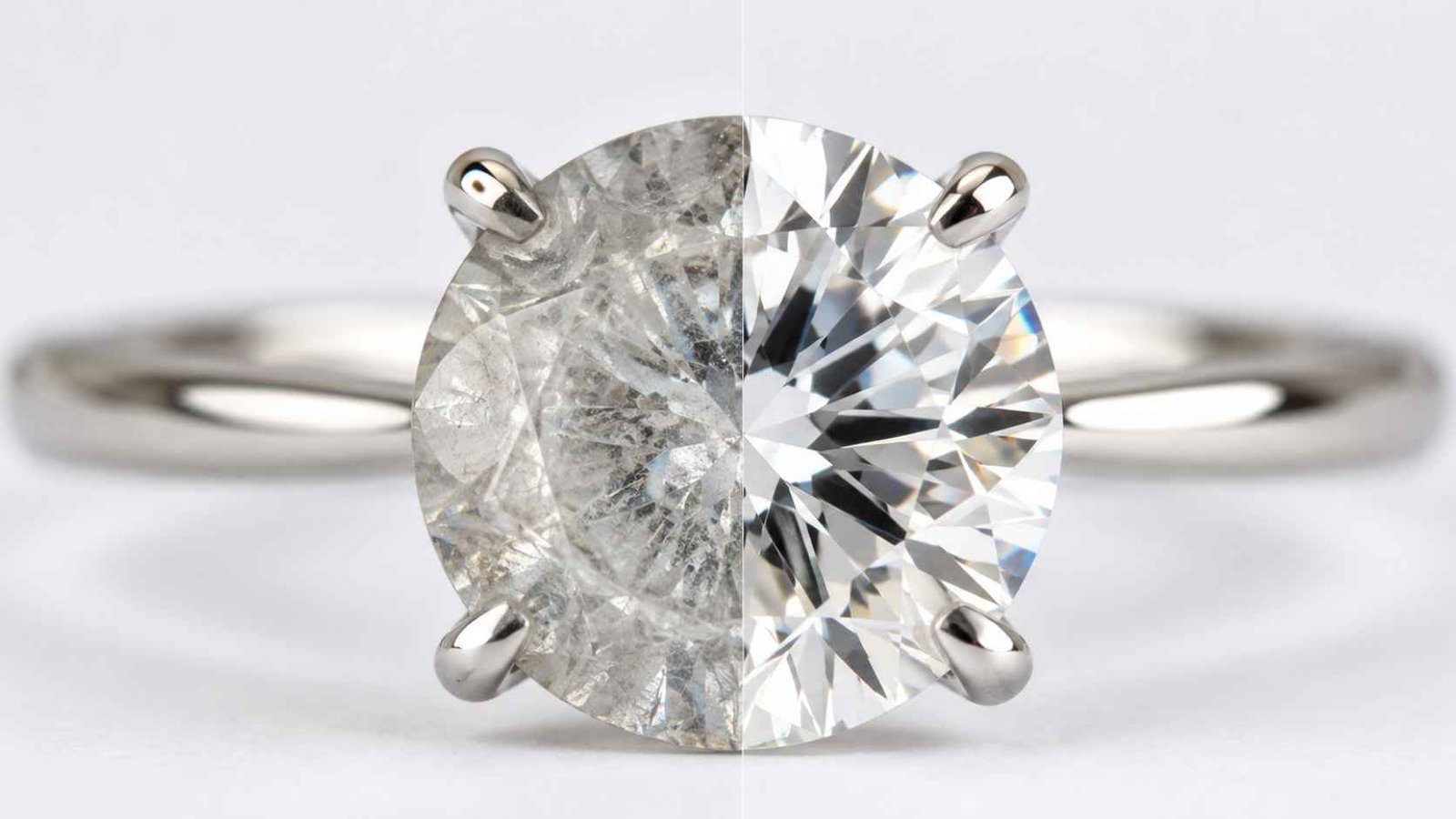
It’s easy to assume that a material this hard doesn’t need looking after, but lab grown diamond care is about more than just the stone’s hardness. A diamond’s Mohs rating measures resistance to scratching — and on that front, nothing short of another diamond will scratch it. What hardness doesn’t protect against is everyday build-up: the natural oils from your skin, hand lotion, soap residue, and dust all settle on a diamond’s surface and, over time, form a thin film that dulls its sparkle far more than most people expect.
There’s also a structural side to care that has nothing to do with the stone itself. The metal prongs, bezels, or pavé settings holding a diamond in place are softer than the diamond and wear down gradually through normal daily contact. A diamond can be in perfect condition and still come loose or fall out if the setting around it has quietly worn thin — which is exactly why lab grown diamond care isn’t just about cleaning the stone, but about maintaining the whole piece it’s set in.
None of this differs between lab grown and natural diamonds — lab grown diamond care follows identical principles to natural diamond maintenance, since the two share identical hardness, toughness, and chemical stability. If anything, this is reassuring: the decades of established diamond care knowledge from major gemological authorities apply directly and completely to your lab grown stone.
Everyday Lab Grown Diamond Care: A Simple Cleaning Routine
You don’t need special equipment or expensive products — lab grown diamond care at home is simpler than most people expect. A consistent, simple routine does almost all of the work.
The Basic Soak-and-Brush Method
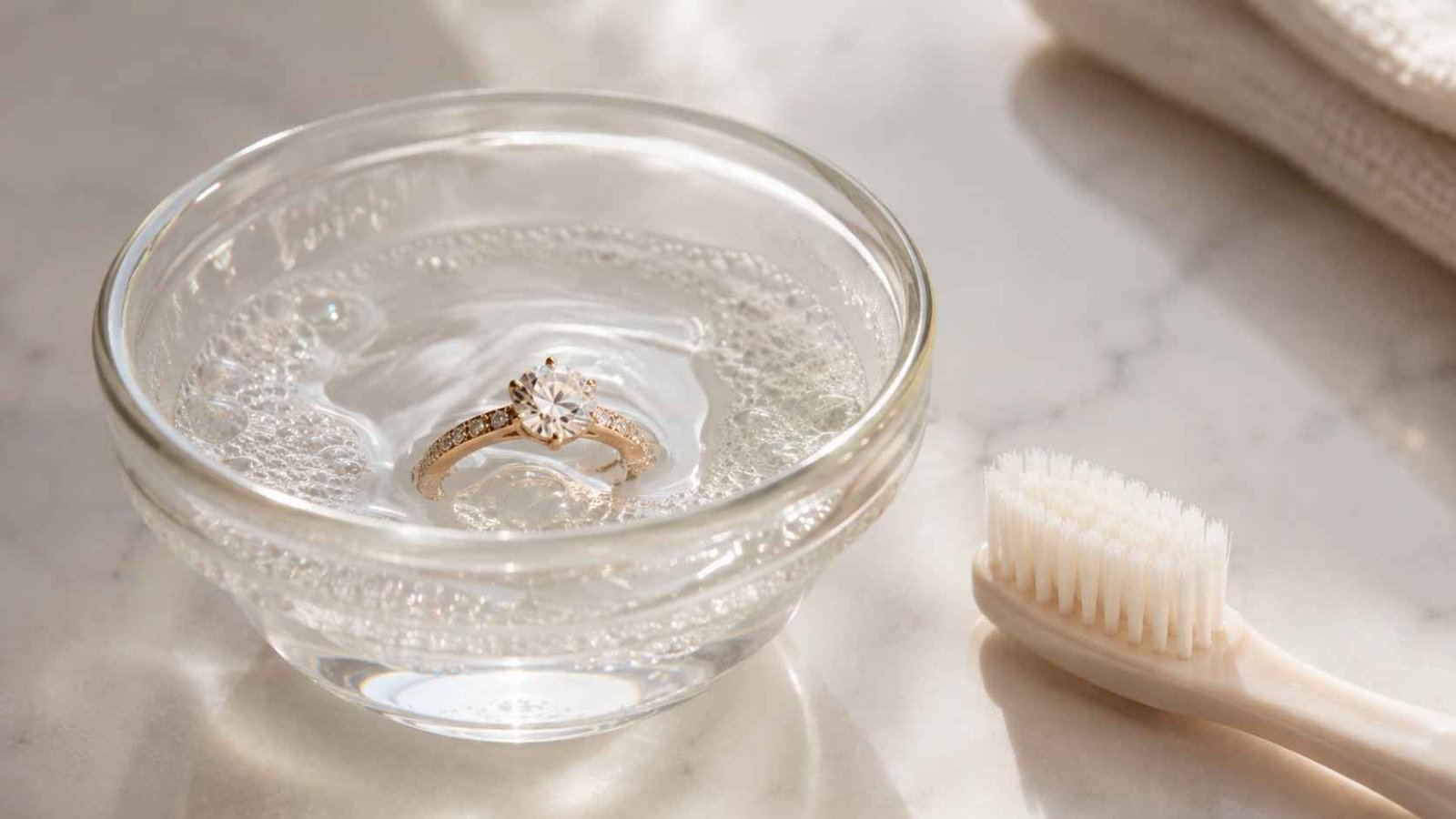
Mix a few drops of mild dish soap into a bowl of warm water and let your piece soak for 20–30 minutes. This loosens the accumulated oils and residue without exposing the metal setting to anything harsh. Afterward, use a soft-bristled brush — a clean, unused baby toothbrush works well — to gently work around the stone and its setting, paying particular attention to the underside of the diamond, where oils tend to collect most heavily and are easiest to miss. Rinse thoroughly under warm running water using a strainer or closed drain stopper, then pat dry with a soft, lint-free cloth.
How Often to Clean
A weekly cleaning routine is the foundation of good lab grown diamond care, though this can flex depending on how often the piece is worn and what it’s exposed to day to day. Rings worn daily — especially engagement rings, which come into contact with hand cream, cooking, and countless surfaces — benefit from cleaning every one to two weeks. Pieces worn occasionally, like earrings or a pendant saved for special occasions, hold their shine longer between cleanings.
What to Avoid at Home
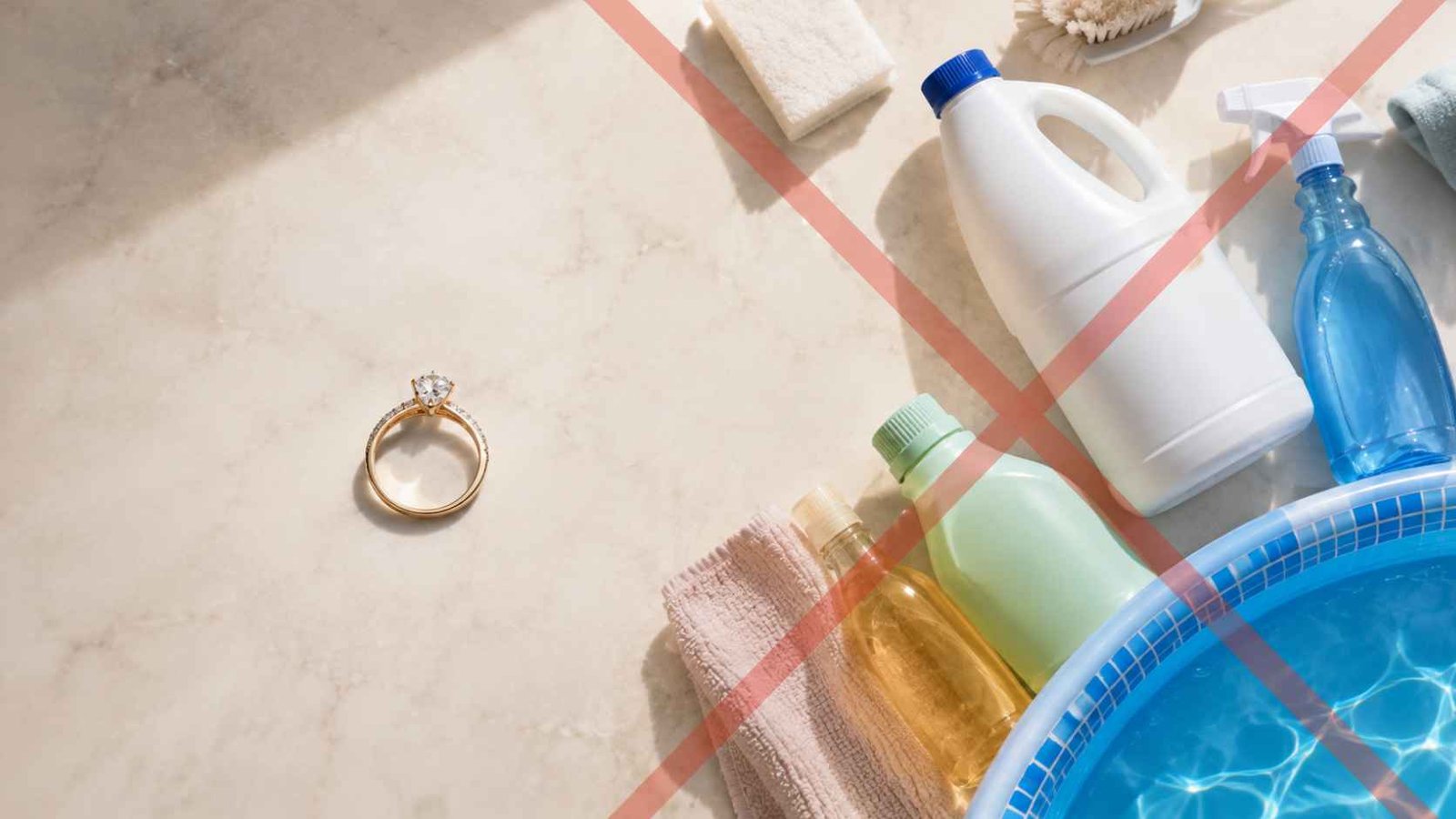
Skip anything abrasive, including household cleansers, baking soda pastes, or toothpaste — these can scratch the metal setting even if they can’t touch the diamond itself. Chlorine bleach and chlorinated pool water are worth avoiding entirely, since chlorine can pit and weaken certain metal alloys used in jewellery settings over repeated exposure. Ultrasonic cleaners can be effective, but they’re not universally safe for every setting style — pieces with pavé stones or fracture-filled gems nearby can be shaken loose by the vibration, so it’s worth checking with a professional before using one at home rather than assuming it’s automatically safe.
Storage: The Overlooked Half of Lab Grown Diamond Care
Cleaning gets most of the attention, but how you store your jewellery between wears matters just as much for keeping a piece looking its best over the years.
Store pieces separately. Diamonds are hard enough to scratch each other, along with softer gemstones and metals, if they’re tossed into the same box or pouch. Giving each piece its own padded slot — or even just a small soft cloth pouch — is a five-second habit that keeps years of tiny, avoidable scuffs from ever happening.
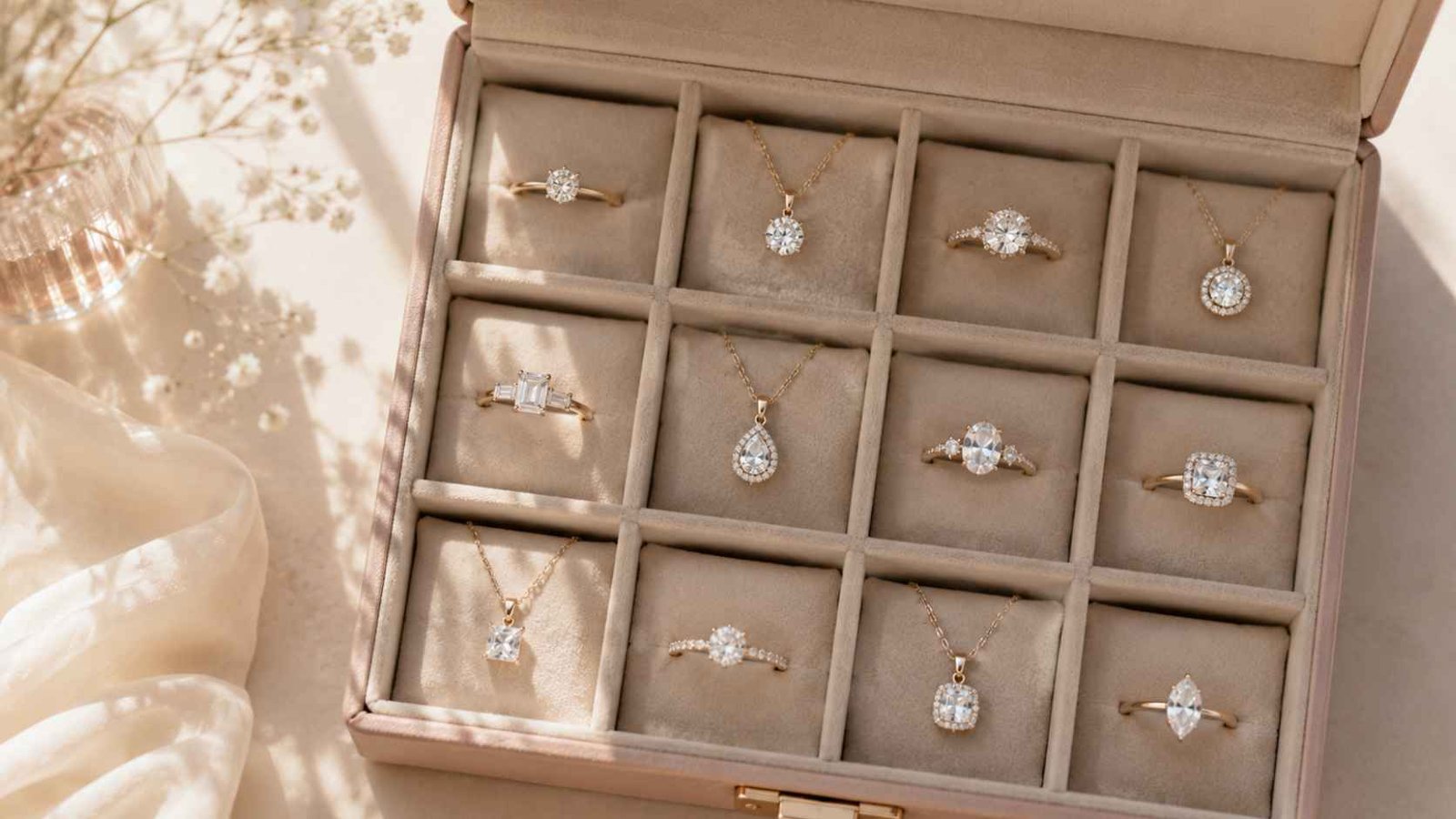
Keep pieces somewhere dry and stable. Extreme humidity or temperature swings aren’t good for metal settings over time, and a stable, moderate environment helps prevent the gradual tarnishing that can affect certain metal alloys, particularly sterling silver or lower-karat gold blends.
Travel with extra care. A dedicated jewellery travel case with individual slots protects pieces from the kind of jostling that regular luggage doesn’t prevent. It’s a small habit that avoids a surprising amount of long-term wear and tear.
Professional Lab Grown Diamond Care: When to See a Jeweller
At-home cleaning handles the everyday maintenance, but it isn’t a substitute for periodic professional attention.
Get a professional to look it over once or twice a year. A jeweller can examine the setting under magnification, checking specifically for worn or loosened prongs, hairline metal fractures, or early signs of wear that aren’t visible to the naked eye. Catching a loose prong during a routine check-up is a small, inexpensive fix — catching it after the stone has already fallen out and been lost is a very different situation
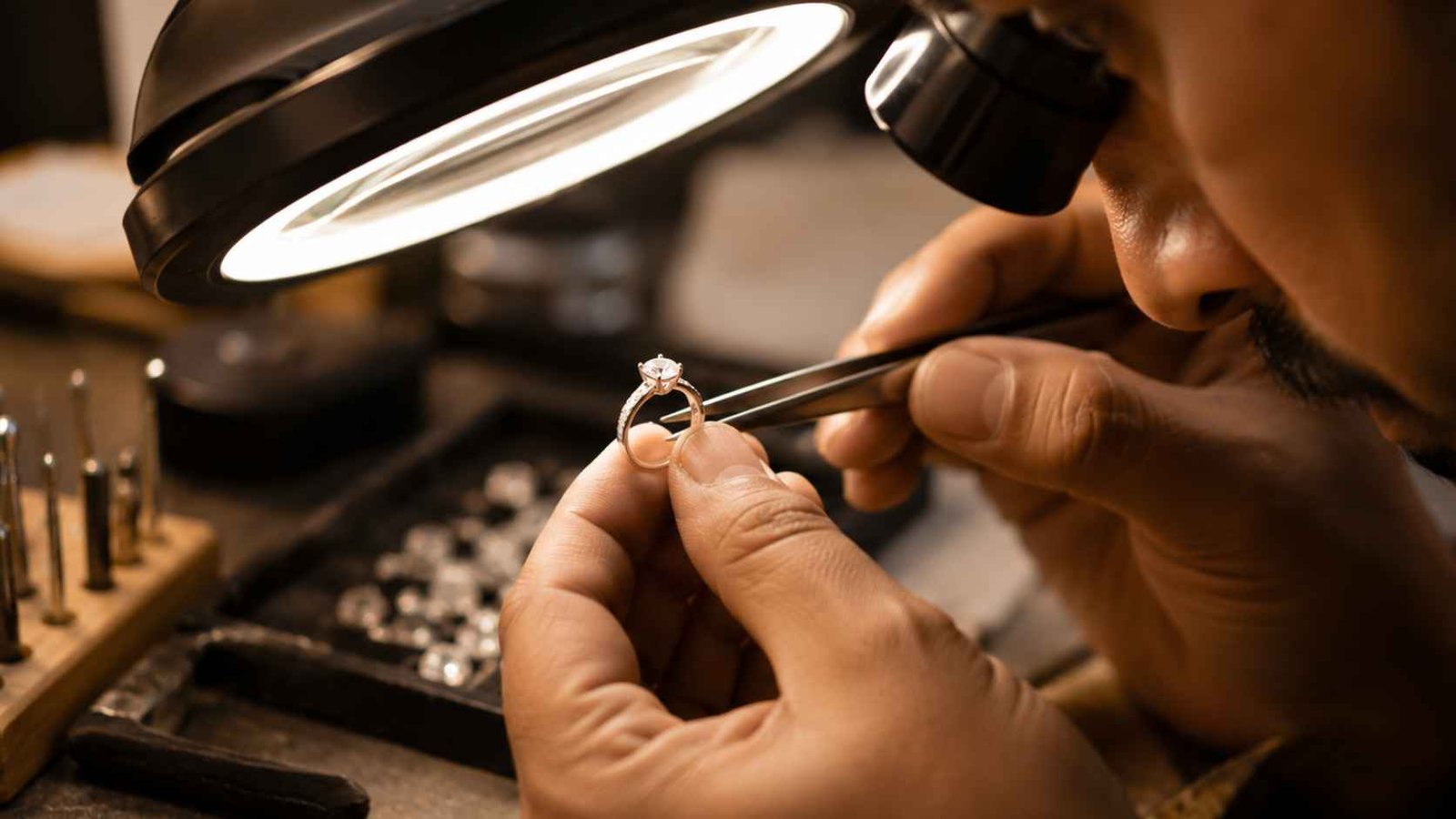 .
Professional cleaning reaches what home cleaning can’t. Jewellers use specialised equipment, including steam cleaners and professional-grade ultrasonic units, calibrated specifically for the setting style and stone in question, and can safely clean areas of a piece that a soft toothbrush simply can’t access.
Re-polishing and rhodium plating, when needed. Depending on the metal your lab grown diamond is set in, periodic re-polishing or rhodium replating can restore a piece’s original finish after years of daily wear — a service most jewellers offer as part of routine maintenance rather than a major repair.
For a deeper look at gemological best practices around durability and cleaning, GIA’s official diamond care and cleaning guide covers the science behind hardness, toughness, and stability in detail, and their step-by-step cleaning guide walks through the exact at-home method recommended by gemologists.
Keep your documentation current alongside your care routine. Insurance appraisals and grading reports should be updated if a piece is significantly repaired, re-set, or if prongs are replaced, since these changes can technically affect the documented condition of the piece. Storing a digital copy of your GIA or IGI report alongside your insurance paperwork means you’re never scrambling to locate it if a claim or resale situation comes up.
Signs Your Lab Grown Diamond Needs Immediate Attention
Most lab grown diamond care is routine and unhurried, but a few warning signs are worth acting on right away rather than waiting for a scheduled check-up. Knowing when lab grown diamond care needs to go beyond routine maintenance is just as important as the routine itself.
A stone that moves or rattles when you tap the piece gently. This is the clearest sign a prong or setting has loosened enough that the diamond is no longer held securely. Stop wearing the piece and get it to a jeweller before the stone has a chance to fall out entirely.
A visible chip along the girdle or a facet edge. While rare given diamond’s toughness, a sharp impact at the right angle can occasionally cause a small chip. This is worth a professional assessment even if the damage looks minor, since it can affect the piece’s structural integrity over time.
A prong that looks bent, thin, or visibly shorter than the others. Uneven prongs are one of the most common early warning signs of wear, and they’re also one of the easiest and cheapest issues to fix if caught before the stone works its way loose.
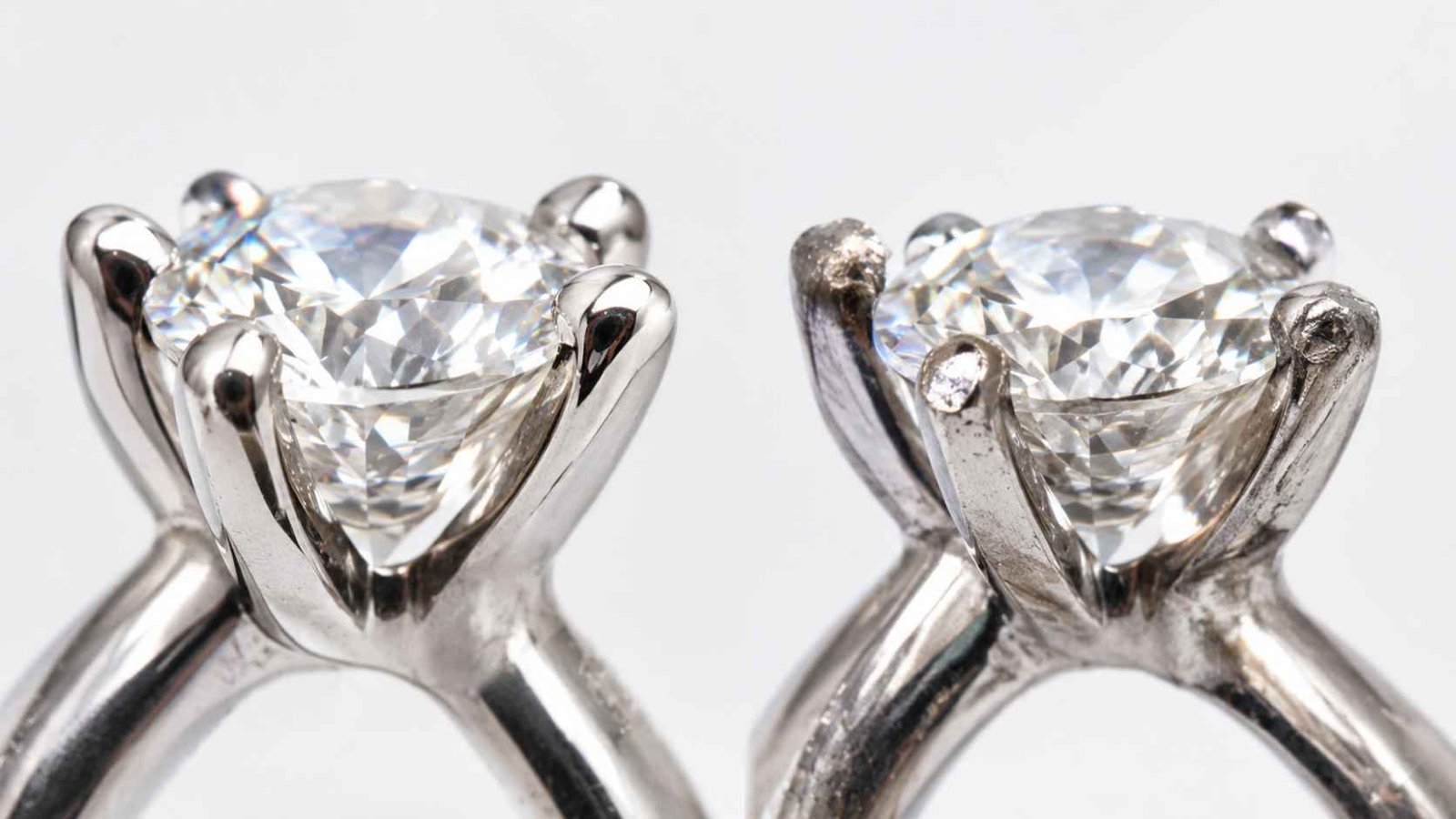
Persistent dullness that doesn’t improve after a thorough cleaning. If your usual soak-and-brush routine isn’t restoring the sparkle you’re used to, it may indicate a build-up in an area you can’t reach at home, or in rarer cases, a scratch on the metal surrounding the stone that’s diffusing light in a way that makes the whole piece look less bright. Either way, this calls for a professional look rather than repeated at-home attempts.
Catching any of these early is really what proper lab grown diamond care comes down to in practice — most damage is preventable, and almost all of it is inexpensive to fix while it’s still small.
Quick Reference: Your Lab Grown Diamond Care Checklist
For anyone who wants the short version, here’s the core routine distilled into a few simple habits:
- Soak in warm water with mild dish soap for 20–30 minutes, weekly for daily-worn pieces
- Brush gently with a soft, clean toothbrush, focusing on the underside of the stone
- Rinse over a covered drain and dry with a lint-free cloth
- Store each piece separately in a padded compartment or soft pouch
- Remove jewellery before swimming, cleaning, gardening, or heavy exercise
- Schedule a professional inspection every six to twelve months
- Act immediately on a loose-feeling stone, bent prong, or visible chip
- Keep your grading report and insurance appraisal updated and easy to find
None of these steps takes more than a few minutes, and together they cover nearly everything a lab grown diamond needs to stay in excellent condition for decades of wear.
Does Lab Grown Diamond Care Differ by Growth Method?
A common question is whether CVD and HPHT stones need different care routines, given how differently they’re grown. The honest answer is no — once a lab grown diamond is cut, polished, and set, its physical hardness, toughness, and chemical stability are identical regardless of which method produced it. If you want the full picture on how these two growth methods actually differ during production, our CVD vs HPHT comparison guide covers the science in depth — but from a care perspective, the growth method has no bearing on how you clean, store, or maintain the finished stone.
The one place growth method occasionally matters is with certain treated fancy-colour lab grown diamonds, where post-growth colour treatments can, in rare cases, be more sensitive to extreme heat or harsh chemicals than an untreated colourless stone. If your piece features a treated fancy colour, it’s worth asking your jeweller whether any specific precautions apply — otherwise, standard lab grown diamond care practices apply across the board.
Special Considerations by Setting Style
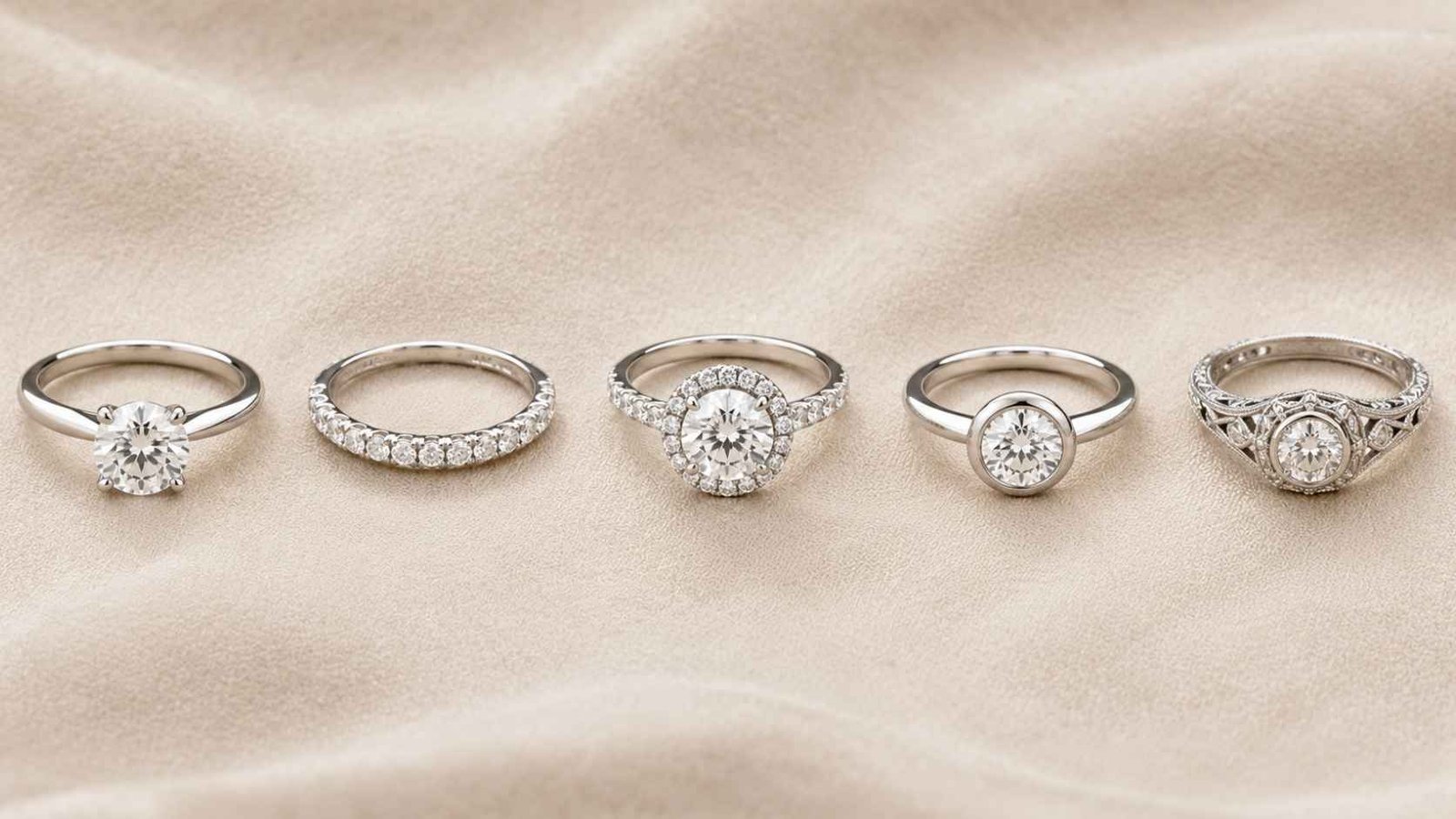
Not every piece of jewellery calls for identical lab grown diamond care, and the setting style your lab grown diamond sits in changes what’s worth paying closest attention to.
Solitaire and prong settings expose the stone fully, which means dirt and oil build up quickly on all sides, but also makes cleaning straightforward since every surface is easily reachable with a soft brush.
Pavé and halo settings pack many smaller stones close together, and grime tends to accumulate in the tight gaps between them. A soft brush and patient, thorough rinsing matter more here than with a single solitaire, since residue trapped between closely set stones is easy to miss.
Bezel settings fully encircle the stone in metal, offering excellent protection against chips and impacts, but making it slightly harder to clean underneath the stone. A gentle stream of water directed at an angle helps flush out any trapped residue that a brush alone might not reach.
Tension settings, which hold a stone using the spring pressure of the metal band itself rather than prongs, should be checked by a professional more frequently, since any weakening in the metal’s tension directly affects how securely the stone is held.
Vintage-style and filigree settings often feature intricate metalwork with narrow channels and decorative cutouts that trap dirt more readily than a simple modern band. These pieces benefit from slightly more frequent cleaning, and a soft brush with a fine point — even a clean, soft-bristled art brush — can help reach the detailed metalwork without applying too much pressure to delicate design elements.
Common Mistakes in Lab Grown Diamond Care
Using the wrong tools for the job. A worn, stiff-bristled brush can scuff softer metals like gold and silver, even though it won’t touch the diamond itself. Always reach for a genuinely soft brush reserved specifically for jewellery cleaning.
Skipping professional check-ups because the stone “looks fine.” A diamond can look flawless while the setting holding it is quietly wearing thin. Visual inspection alone, without magnification, misses exactly the kind of wear that leads to a stone eventually coming loose.
Wearing jewellery during activities that invite damage. Gardening, cleaning with household chemicals, swimming in chlorinated pools, and workouts involving heavy equipment all put unnecessary stress on a setting. Removing rings and other pieces before these activities is a small habit that meaningfully extends how long a piece looks and performs its best.
Assuming lab grown diamonds need gentler treatment than natural ones. This misconception sometimes leads buyers to over-baby a lab grown stone unnecessarily. Since the hardness and durability are identical to natural diamonds, standard diamond care practices apply fully — there’s no need for extra caution beyond what any diamond owner should already be doing.
Final Thoughts: Making Lab Grown Diamond Care a Simple Habit
Consistent lab grown diamond care over the years is what separates a piece that looks stunning at twenty years from one that looks tired at five. Good lab grown diamond care isn’t complicated, and it doesn’t need to take up much of your time. A simple weekly soak-and-brush routine, sensible storage habits, and a professional check-up once or twice a year cover almost everything a piece needs to stay looking its best for decades. The stone itself is remarkably tough — what actually benefits from your attention is the setting around it and the surface film that naturally builds up through everyday wear.
Lab grown diamond care follows the same principles as any fine diamond jewellery care, because that’s exactly what it is. With a little regular care, there’s no reason it won’t sparkle just as brightly on its twentieth anniversary as it did the day you first put it on.
Frequently Asked Questions: Lab Grown Diamond Care
A weekly at-home cleaning routine works well for pieces worn daily, such as engagement rings, while occasional-wear pieces like earrings can go longer between cleanings. The key sign it’s time for a clean is a visibly duller sparkle compared to how the piece normally looks.
Ultrasonic cleaners are generally safe for solid solitaire and prong settings, but the vibration can loosen pavé stones or stones with fracture fills nearby. Check with your jeweller about your specific setting style before using one at home.
No. Lab grown and natural diamonds share identical hardness, toughness, and chemical stability, so all standard diamond cleaning, storage, and maintenance practices apply equally to both.
Avoid chlorine bleach, abrasive powdered cleansers, and toothpaste, since these can damage or discolour the metal setting even though they won’t harm the diamond itself. Mild dish soap and warm water remain the safest, most effective at-home option.
A professional check-up every six to twelve months is generally recommended, allowing a jeweller to inspect the setting under magnification for loose prongs or early wear before it leads to a lost stone.
The diamond itself doesn’t lose brilliance from age, but a build-up of oils, lotion, and everyday residue on its surface can make it appear duller. Regular cleaning restores the original sparkle, since the underlying stone hasn’t actually changed.
No, once cut and set, both growth methods produce diamonds with identical physical properties, so no distinction in cleaning or care is necessary between them. The one exception involves certain treated fancy-colour stones, which may warrant an extra check with your jeweller.
Soak the ring in warm water with a few drops of mild dish soap for 20–30 minutes, gently brush with a soft, clean toothbrush — especially underneath the stone — then rinse thoroughly over a covered drain and pat dry with a lint-free cloth.
Yes. Removing rings before swimming in chlorinated pools, using household cleaning chemicals, gardening, or heavy exercise protects both the setting and the metal from unnecessary wear and potential damage.
Yes. A jeweller can re-tip or replace worn prongs to securely re-hold the same diamond, which is a routine and inexpensive repair when caught early during a regular check-up, well before the stone is at risk of falling out.
Disclaimer: This article is intended for general informational and educational purposes only and does not replace professional jewellery inspection or advice. Care recommendations may vary depending on your specific piece’s metal type, setting style, and gemstone treatments. Always consult a qualified jeweller for guidance specific to your jewellery.