

What the Data Actually Shows About Diamond Gifts for Mother’s Day and Father’s Day
Walk into most jewelry stores in early May and you’ll see a sales floor built around Mother’s Day Diamond Gifts. Walk back in mid-June for Father’s Day, and the display cases often look surprisingly quiet by comparison, even though both holidays now represent genuinely massive consumer spending occasions. The gap isn’t about dads not wanting nice things; the actual retail data tells a more specific, more useful story about habit, perception, and where jewelry does and doesn’t fit into each holiday’s gifting culture. This guide looks at what the numbers actually show, and what that means for anyone shopping, or selling, around either occasion.
The Real Numbers Behind These Two Holidays
Both holidays have grown into significant spending events, and the scale alone might surprise people used to thinking of Father’s Day as the smaller, more modest occasion. US consumers are projected to spend a record $38 billion on Mother’s Day gifts in 2026, according to the National Retail Federation, with average per-person spending climbing to $284.25. Father’s Day isn’t far behind in overall scale, with projected 2026 spending reaching approximately $27.9 billion and average spending per person hitting $226.58, both representing new records for the holiday.
What separates the two holidays isn’t the size of the spending; it’s where that spending actually goes once consumers start shopping.
Why Jewelry Dominates Mother’s Day Specifically

Jewelry isn’t just a popular Mother’s Day category; it’s consistently the single largest spending category of the entire holiday. The National Retail Federation projects jewelry spending alone will reach $7.5 billion in 2026, outpacing every other gift category, including special outings and electronics, and continuing a steady upward trend from $6.8 billion the year before. Roughly 42% of shoppers report purchasing jewelry specifically for Mother’s Day, a notably high share for a single gift category.
The data also points to why jewelry performs so well here specifically: nearly half of Mother’s Day shoppers prioritize gifts that feel unique or create a lasting memory, exactly the qualities jewelry is well positioned to deliver compared to more consumable gift categories. This isn’t a coincidence; it reflects a genuine cultural expectation that Mother’s Day gifts should carry some lasting, personal weight, and jewelry fits that expectation more naturally than flowers or a greeting card ever could.
Why Jewelry Barely Registers for Father’s Day
The contrast here is genuinely striking. Despite Father’s Day spending reaching record levels, jewelry didn’t appear among the most commonly purchased gift categories in a recent NRF survey at all; greeting cards, clothing, special outings, and gift cards all ranked well ahead of it. The same survey noted a clear consumer preference for experiential or practical gifts specifically when shopping for dads, a markedly different pattern than what drives Mother’s Day purchasing decisions.
This doesn’t mean fathers categorically don’t want or appreciate jewelry; it means the established gifting habit around Father’s Day simply hasn’t centered jewelry the way Mother’s Day has for decades. Industry commentary from retailers like Kay Jewelers has specifically noted rising interest in men’s jewelry staples, suggesting this gap may be more about habit and marketing visibility than genuine lack of interest among gift recipients themselves.
What This Gap Actually Means for Buyers and Gift-Givers
For gift-givers, this data is genuinely useful beyond simple trivia. It suggests Father’s Day jewelry shopping involves less competition for attention and less established “expected” gift format to push back against, which can actually make a thoughtfully chosen piece feel more distinctive precisely because it departs from the greeting-card-and-grilling-accessories default. The same NRF research found that 44% of Father’s Day shoppers specifically value a gift that feels unique or different, and 34% prioritize something that creates a special memory, both qualities jewelry genuinely delivers when it’s actually considered as an option.
For retailers and marketers, the gap represents a real, data-supported growth opportunity rather than evidence that men’s jewelry simply doesn’t sell. The category exists and performs well when actively marketed; it’s underrepresented in the top Father’s Day categories largely because fewer retailers have historically positioned jewelry prominently for this specific occasion compared to how aggressively Mother’s Day jewelry gets marketed every spring.
What Actually Sells for Mother’s Day

Within the jewelry category specifically, certain styles consistently perform well for Mother’s Day purchases. Diamond stud earrings and simple diamond pendants remain reliable, broadly appealing choices, largely because they suit a wide range of personal styles and don’t require guessing at a specific aesthetic preference the way a bolder statement piece might. Birthstone-inspired pieces, whether representing the recipient’s own birth month or her children’s, consistently perform well too, tying directly into the “meaningful and memory-led” preference the NRF data specifically highlighted as a top purchasing driver for this holiday.
Tennis bracelets and simple diamond-accented bands have also remained consistently strong performers, offering a piece that reads as a genuine, lasting gift without requiring the same kind of fit or sizing precision a ring purchase demands.
What Actually Sells for Father’s Day, When Jewelry Is Chosen
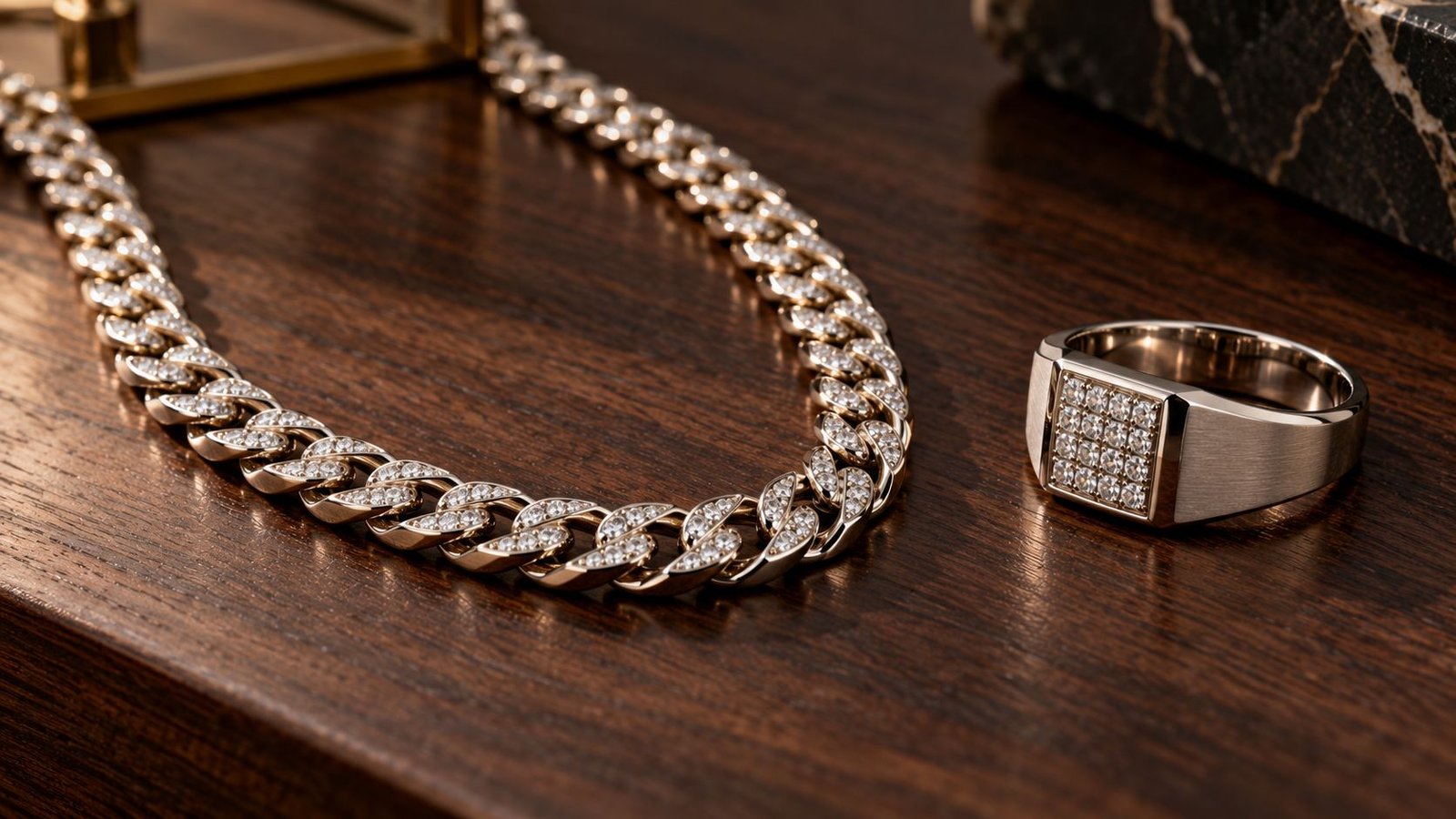
When jewelry does get chosen as a Father’s Day gift, the styles that perform well skew noticeably different from typical Mother’s Day purchases. Industry commentary has specifically pointed to jewelry “wardrobe staples,” like simple chains and bracelets that work equally well in professional and casual settings, as a growing area of interest for men’s gifting specifically. Diamond-accented pieces that read as subtle and versatile rather than overtly decorative, such as a simple signet-style ring or a bracelet with a discreet diamond detail, tend to perform better for this occasion than anything resembling a traditional “statement” piece.
This pattern reflects a broader shift happening in men’s jewelry more generally, where demand has grown specifically for understated, everyday-wearable pieces rather than jewelry designed primarily to be noticed.
Why Lab-Grown Diamonds Fit Both Occasions Well
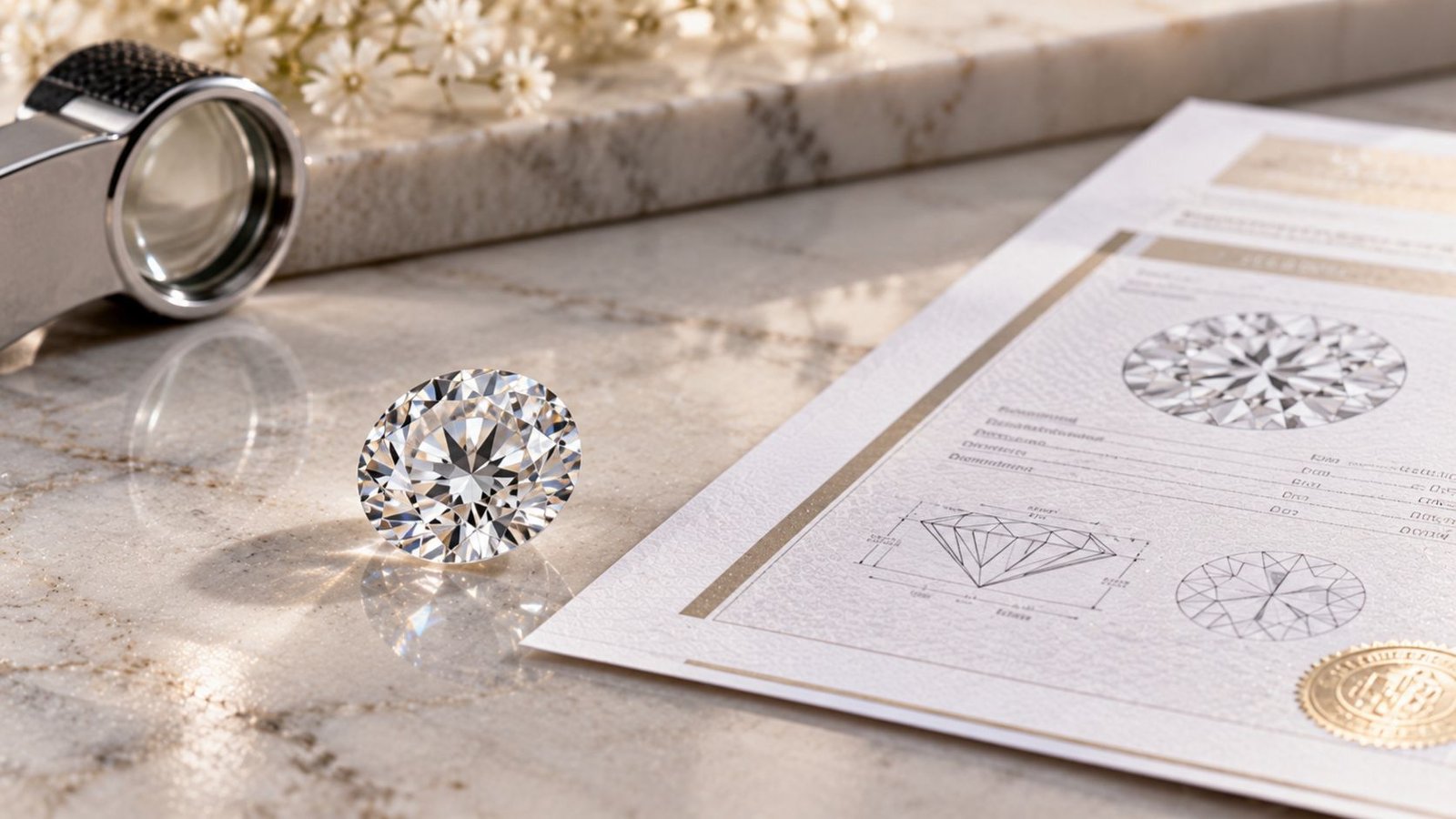
Lab-grown diamonds offer a genuinely practical advantage for both holidays, though for slightly different reasons tied to each occasion’s spending pattern. For Mother’s Day, where jewelry is already the clear top spending category and buyers are actively looking for a meaningful piece, the lower cost of lab-grown diamonds compared to natural stones makes it realistic to choose a more substantial or detailed piece within the average spending range reported for the holiday.
For Father’s Day, where average per-person spending runs somewhat lower than Mother’s Day and jewelry competes against cheaper, more established gift categories like clothing and gift cards, affordability matters even more directly. Because lab-grown diamonds carry identical hardness and brilliance to natural stones at a meaningfully lower price point, a genuine diamond-accented piece becomes realistic within a Father’s Day budget that might otherwise rule jewelry out entirely in favor of a less memorable gift.
Budget Comparison: Mother’s Day vs Father’s Day Jewelry
| Factor | Mother’s Day | Father’s Day |
| Average spend per person (2026) | $284.25 | $226.58 |
| Jewelry’s category rank | #1 spending category | Not among top categories |
| Top gift priority cited | Unique or memory-led gifts | Unique or memory-led gifts |
| Typical jewelry style | Pendants, studs, bracelets, birthstone pieces | Chains, bracelets, subtle rings |
| Lab-grown diamond advantage | Allows a larger or more detailed piece | Makes jewelry realistic within a lower typical budget |
Despite the gap in how often jewelry actually gets purchased for each holiday, both sets of shoppers cite remarkably similar priorities: uniqueness and lasting memory. The difference lies almost entirely in habit and category visibility, not in what gift recipients would actually appreciate.
Common Misconceptions
“Fathers don’t want jewelry as a gift.” The data doesn’t support this; Father’s Day shoppers cite the same preference for unique, memorable gifts as Mother’s Day shoppers, but jewelry simply hasn’t become an established default category for the holiday yet.
“Jewelry spending has declined for Mother’s Day.” The opposite is true; Mother’s Day jewelry spending has grown year over year, reaching a projected $7.5 billion in 2026, up from $6.8 billion the year before.
“Men’s jewelry styles are the same as women’s, just marketed differently.” Men’s jewelry gifting tends to favor understated, versatile staples like chains and subtle rings, a genuinely distinct style category from typical Mother’s Day jewelry choices.
“A smaller average Father’s Day budget means jewelry isn’t realistic as a gift.” Lab-grown diamonds specifically make genuine diamond-accented pieces realistic within Father’s Day’s typical spending range, where natural diamond jewelry might otherwise feel out of reach.
“Both holidays have identical gifting patterns, just for different people.” The data shows genuinely different purchasing behavior between the two holidays, with jewelry dominating one and barely registering in the other, despite similar overall spending scale.
Buying Guide: Choosing a Gift That Actually Fits the Data
For Mother’s Day, lean into what the data consistently shows performs well: a piece with personal meaning, whether that’s a birthstone detail, a style she’s mentioned liking, or simply a well-made, versatile piece like diamond studs or a pendant that fits easily into daily wear.
For Father’s Day, consider jewelry specifically as a way to stand out from the more expected gift categories like clothing or gift cards, since the NRF data shows dads value uniqueness and memorable gifts just as much as moms do. Favor understated, wearable staples, like a simple chain, bracelet, or subtle ring, over anything that reads as overly decorative, matching the style preferences that have actually driven growth in men’s jewelry.
For either occasion, take advantage of lab-grown diamonds to stretch whatever budget you’re working with further, particularly for Father’s Day, where the typical spending range is somewhat lower and every bit of added value matters more in making a genuine diamond piece feel realistic.
Final Thoughts
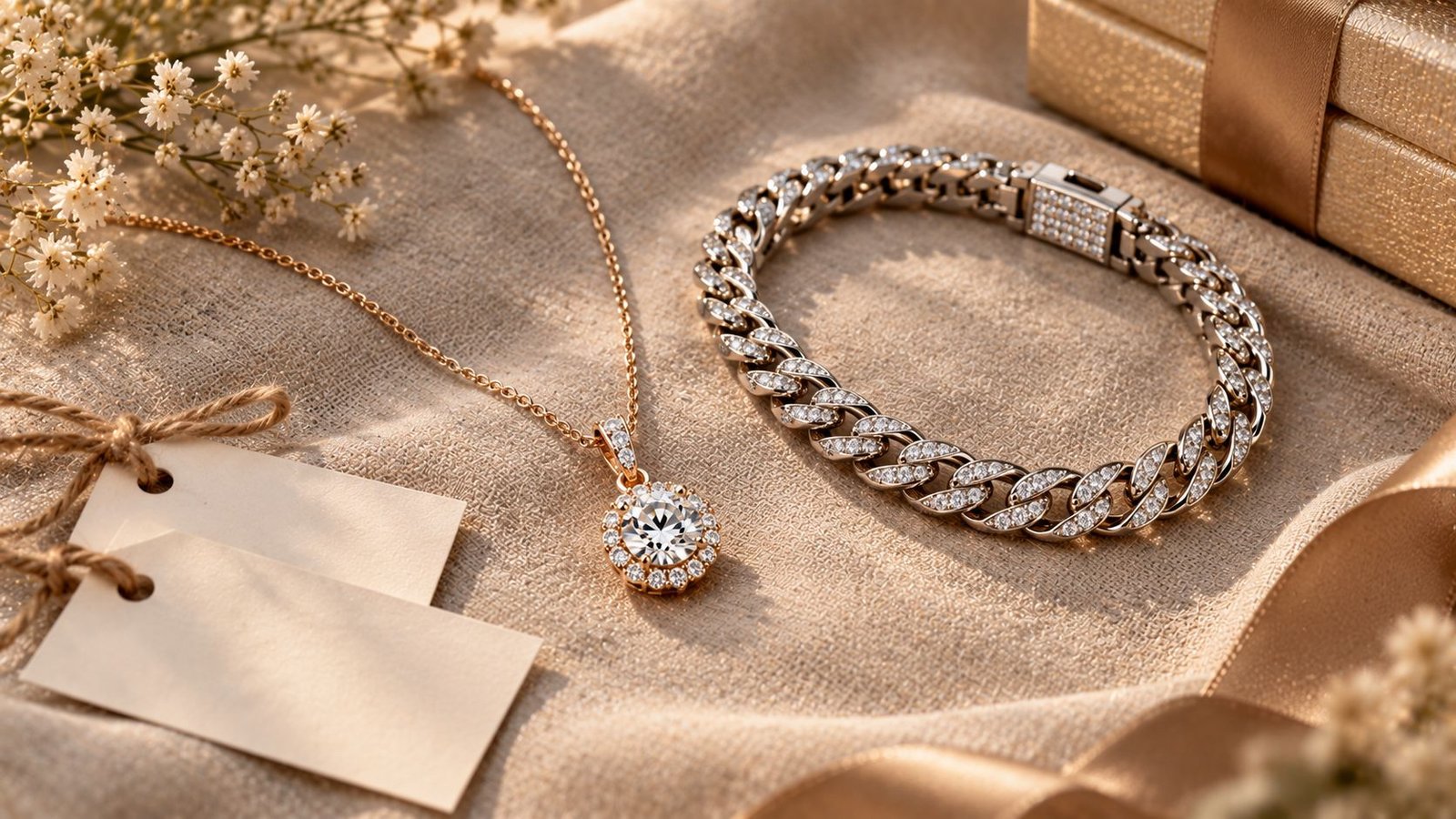
The actual spending data behind Mother’s Day Diamond Gifts and Father’s Day jewelry tells a clearer story than assumptions alone ever could: jewelry dominates one holiday and remains a genuine, underexplored opportunity in the other, not because of any real difference in what recipients would appreciate, but because of how differently each holiday’s gifting habits have developed over time. Understanding that gap, and choosing styles that actually match what tends to perform well for each occasion, makes it considerably easier to choose a gift that lands well regardless of which holiday you’re shopping for.
Frequently Asked Questions
Disclaimer: Spending statistics referenced in this article reflect National Retail Federation and industry survey data available at the time of writing and are subject to change in future years.