

Diamond Certification: 6 Great Reasons It Matters More Than Carat Size
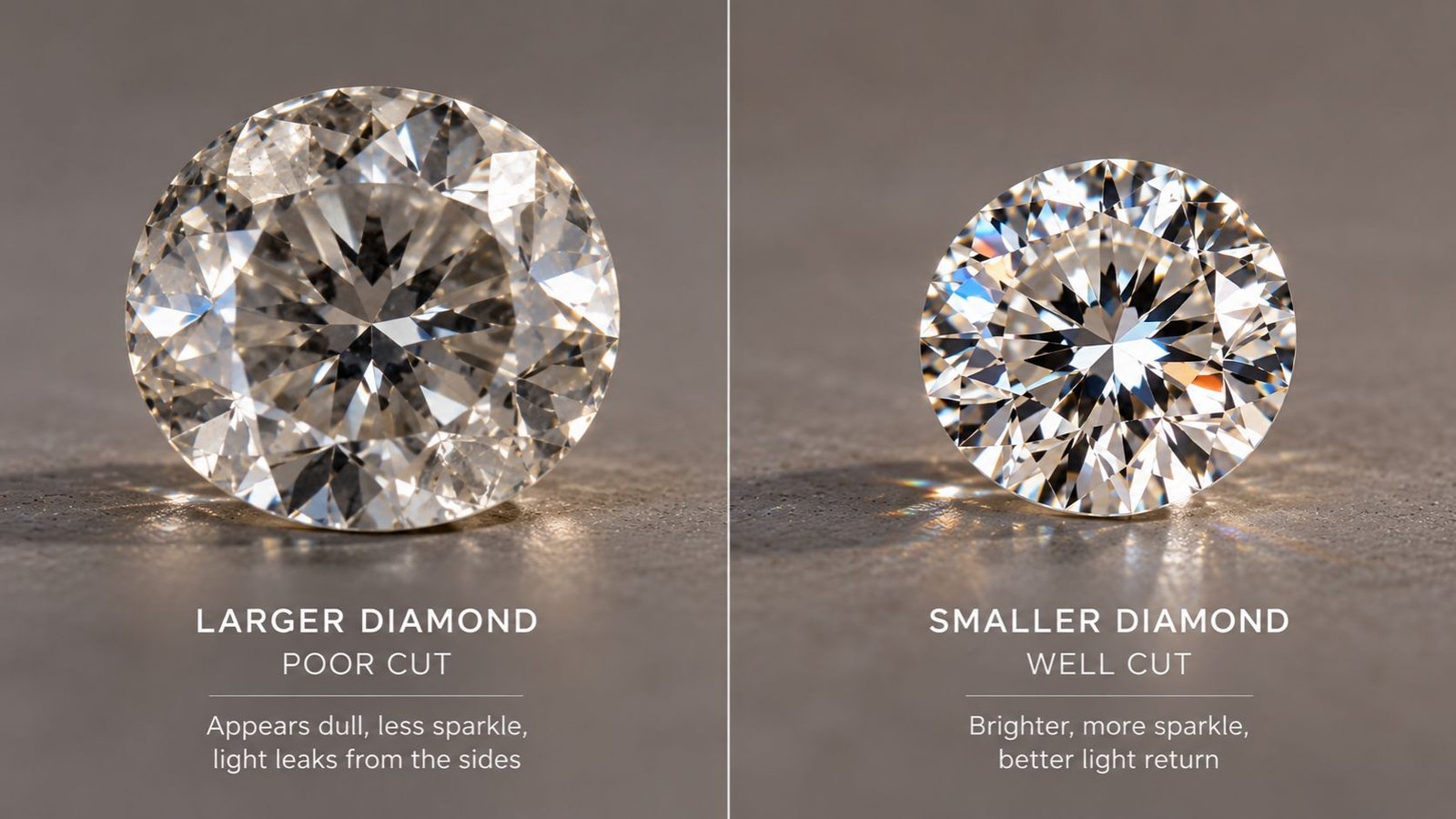
Ask a first-time diamond buyer what they are looking for, and the answer very often starts with a number: “I want at least a carat,” or “Can we look at something around one and a half carats?” Diamond certification rarely enters that same conversation with the same enthusiasm, and that is a genuine problem, because certification — not carat weight alone — is what actually determines whether a specific stone represents real quality, real value, and a genuinely trustworthy purchase. A stone’s certified specifications reveal considerably more about its actual beauty, authenticity, and worth than its weight in isolation ever could, yet certification consistently receives far less attention from buyers than the single number printed in bold on a price tag. This guide walks through six specific reasons diamond certification deserves considerably more buyer attention than carat size alone typically receives, along with practical guidance for shifting your own priorities toward a more genuinely informed purchasing approach. Understanding why carat size so thoroughly dominates buyer attention helps explain why diamond certification needs active, deliberate reframing in most buyers’ minds. Carat weight is genuinely easy to understand, easy to compare directly between different stones, and easy to communicate socially to friends and family who may know little else about diamond quality beyond that single, simple number. Decades of diamond marketing have also reinforced this emphasis, often centring advertising language around size and scale rather than the more technically nuanced concepts of cut quality, colour grading, and clarity that collectively determine a stone’s actual visual performance. This combination of simplicity and marketing reinforcement has created a genuine cultural default where carat size functions as a convenient mental shortcut for quality, even though it represents only one of several factors that actually determine how beautiful, valuable, and trustworthy a specific diamond genuinely is. The most fundamental reason diamond certification deserves more attention than carat size alone is also the simplest: carat weight measures only physical mass, saying absolutely nothing on its own about a stone’s cut quality, colour, or clarity — the three factors that, together with carat weight, actually determine how a diamond looks and performs visually. A heavier stone is not automatically a more beautiful or higher-quality stone; it is simply a heavier one. Diamond certification captures this full picture, documenting cut grade, colour grade, and clarity grade alongside carat weight, giving buyers the complete information actually needed to evaluate a stone’s genuine quality and beauty. Relying on carat weight alone, without reviewing the accompanying certification, means evaluating only a quarter of the relevant picture at best, leaving buyers genuinely unable to assess whether a specific stone actually represents good quality within its weight class. Cut quality, one of the core elements diamond certification documents in detail, has an outsized effect on how brilliant and visually striking a diamond actually appears — arguably more influence over perceived beauty than carat weight itself. A diamond cut with excellent proportions reflects light efficiently back through the top of the stone, producing the brilliance and fire that make diamonds genuinely captivating to look at. A poorly cut stone, even at a larger carat weight, can appear visually dull, lifeless, or glassy, failing to deliver the sparkle most buyers are actually seeking regardless of how large the stone technically is. This means a smaller, excellently cut diamond can genuinely outperform a larger, poorly cut stone in actual visual appeal, despite weighing meaningfully less. Buyers focused purely on maximising carat weight within a given budget, without carefully reviewing cut grade through diamond certification, risk ending up with a larger but genuinely less beautiful stone than a smaller, better-cut alternative would have delivered within that same budget. Without diamond certification, a buyer has no independently verifiable way to confirm that a seller’s claims about carat weight, colour, clarity, or even basic authenticity are actually accurate. Certification from an independent, reputable grading laboratory provides exactly this verification, confirming a stone’s actual characteristics through objective, standardised evaluation rather than requiring buyers to simply trust a seller’s unverified claims about the piece. Grading methodology published by laboratories such as GIA explains in detail exactly how this independent evaluation process works, from colour comparison under controlled lighting to clarity assessment under standardised magnification. This protection matters considerably more than many buyers initially realise, since claims about carat weight specifically are relatively easy to misrepresent without independent verification, while diamond certification makes any such misrepresentation considerably more difficult to sustain. A buyer prioritising carat weight without insisting on accompanying certification is, in a genuine sense, prioritising an unverified number over the actual documented proof that number is even accurate in the first place. When it eventually comes time to insure, appraise, or potentially resell a diamond, diamond certification — not carat weight in isolation — forms the actual basis for establishing genuine value. Insurance providers require certification to accurately assess replacement value, and any serious resale buyer will expect to review certification before offering a meaningful price, since carat weight alone provides no reliable basis for estimating what a stone is actually worth. A buyer who purchased primarily based on carat size, without equal attention to the certification documenting the stone’s other characteristics, may eventually discover that the stone’s actual resale or insurance value reflects its full certified specifications rather than simply its weight, sometimes resulting in a less favourable valuation than the original purchase price might have suggested was reasonable to expect. Understanding this dynamic from the outset helps buyers make purchasing decisions that hold up more reliably over time, rather than discovering this gap unexpectedly later. Diamond certification plays an increasingly important role specifically in confirming whether a stone is natural or laboratory-grown, a distinction carat weight obviously cannot address at all on its own. As regulatory frameworks in multiple markets have tightened disclosure requirements around lab-grown diamond labelling, certification has become the genuinely essential mechanism through which buyers can confirm exactly what kind of stone they are purchasing, independent of whatever verbal claims a seller might make. This matters considerably for buyers specifically seeking either category deliberately, whether prioritising a natural diamond for personal or family reasons, or specifically seeking a lab grown stone for its value and transparency advantages. Without diamond certification explicitly documenting origin, buyers have no reliable way to confirm this distinction at all, regardless of how confidently a seller might describe the stone verbally during a sales conversation. Comparison shopping across different retailers and sellers becomes genuinely possible only once diamond certification enters the equation, since two stones with the identical carat weight can vary enormously in actual quality and price depending on their respective cut, colour, and clarity grades. Comparing price purely against carat weight, without accounting for these certified quality factors, produces a fundamentally flawed comparison that can lead buyers toward a worse overall value even when the advertised price per carat initially looks attractive. Buyers who learn to compare full certification specifications across multiple options, rather than comparing carat weight and price in isolation, consistently make considerably more informed purchasing decisions, identifying genuine value rather than simply the largest stone available within a given budget. This more complete comparison approach becomes particularly valuable during high-pressure promotional periods specifically, where advertised discounts can sometimes obscure meaningful quality differences between seemingly comparable stones. Despite everything outlined above, carat size retains its dominant position in most buyers’ initial thinking for genuinely understandable reasons worth acknowledging directly. Diamond certification, with its multiple grading categories and technical terminology, requires meaningfully more effort to understand and compare than a single, straightforward carat number does. Carat size also carries genuine social currency — it is the detail most easily and confidently shared with friends and family, who themselves likely understand carat weight far better than they understand cut grade or clarity classification. Retail environments have also historically reinforced this emphasis, often organising displays and marketing language primarily around carat size categories rather than leading with certification details, further reinforcing carat weight’s outsized role in how buyers initially frame their own purchasing priorities. None of these explanations suggest buyers are making an unreasonable choice by instinctively gravitating toward carat size — it simply reflects genuine information and effort asymmetry between a simple, familiar number and a more complex, technically detailed certification report. Reframing a buying approach away from carat-size-first thinking does not require abandoning carat size as a consideration entirely — it simply means adjusting the order and relative weight given to different factors throughout the decision-making process. Establishing a realistic overall budget first, then exploring what carat, cut, colour, and clarity combinations are genuinely available within that budget, produces considerably better outcomes than starting with a specific carat target and working backward, since the budget-first approach allows diamond certification quality factors to meaningfully influence the final decision rather than being treated as an afterthought once carat size has already been locked in. Prioritising cut grade specifically, even above colour and clarity in many cases, tends to produce the strongest overall visual impact per dollar spent, since cut quality has such an outsized influence on perceived brilliance and beauty compared to the other certified factors. And requesting and genuinely reviewing full diamond certification for any stone under serious consideration, rather than relying primarily on a seller’s verbal description or a prominently displayed carat weight alone, ensures the final decision rests on complete, verified information rather than partial information weighted too heavily toward a single, easily understood number. Retailers and sales staff genuinely benefit from proactively steering customer conversations toward diamond certification earlier in the buying process, rather than allowing carat size to dominate the conversation by default simply because it is the number customers naturally gravitate toward first. Walking customers through a certification report together, explaining what each grading category actually means for the stone’s real-world appearance and value, helps buyers make genuinely more informed decisions while simultaneously building the kind of trust that comes from treating customers as capable of understanding a complete, honest picture rather than a simplified, carat-focused pitch. This approach also tends to produce stronger long-term customer satisfaction, since buyers who understood and actively participated in evaluating full certification details during their purchase are considerably less likely to feel surprised or disappointed later upon learning more about diamond grading, compared to buyers who focused primarily on carat size without fully understanding the other factors that genuinely determined their stone’s actual quality and value. For buyers who have never closely reviewed one before, understanding exactly what a complete diamond certification report actually contains helps demystify the document and makes it considerably easier to use effectively during a purchase. A typical report from a major laboratory such as GIA or IGI documents the stone’s precise carat weight, measured to a hundredth of a carat, alongside its cut grade, assessed through proportions, symmetry, and polish quality collectively. Colour grade is documented using the standard letter scale running from colourless through increasingly tinted categories, while clarity grade documents the presence, size, and location of any internal or surface characteristics visible under magnification. Beyond these familiar four core categories, a thorough diamond certification report also typically includes precise measurements of the stone’s physical dimensions, a plotted diagram showing the specific location of any clarity characteristics, and, for lab grown diamonds specifically, explicit confirmation of growth method and laboratory origin. Many reports also include a laser inscription number, discussed in more detail in our guide on what to do if a diamond certificate is lost, which links the physical stone directly back to its certification record even if the paper document itself is later misplaced. Understanding this full scope helps buyers recognise that diamond certification represents considerably more than a simple quality stamp — it is a comprehensive, independently verified technical record covering essentially every characteristic that collectively determines a stone’s actual appearance, authenticity, and value. Several persistent misconceptions tend to undermine how buyers approach diamond certification, and addressing them directly helps clarify its genuine importance. One common misconception holds that certification is primarily a formality required mainly for insurance purposes, rather than a document buyers should actively study and compare before finalising a purchase decision. In reality, certification serves this evaluative, decision-support function just as much as any later insurance or resale purpose, and treating it as a mere afterthought means missing out on its primary value during the purchase itself. Another common misconception assumes that all grading laboratories apply identical standards with equal rigour, when in practice reputable, well-established laboratories such as GIA and IGI are generally considered more consistent and conservative in their grading than some smaller or lesser-known certification bodies, whose reports may not carry the same level of trust or resale recognition. Buyers should pay attention not just to whether a stone has certification at all, but specifically which laboratory issued that certification, since this detail genuinely affects how much confidence can reasonably be placed in the stated grades. A third misconception suggests that once a stone is certified, its documented grades become permanently fixed and unchangeable regardless of circumstances. In reality, physical damage, such as a chip or significant wear, can alter a stone’s actual characteristics over time, meaning certification reflects a stone’s condition specifically at the time of grading rather than a permanent, unchangeable guarantee extending indefinitely into the future regardless of how the piece is subsequently worn or cared for. Carat size will likely remain the most immediately understood and socially discussed diamond characteristic for the foreseeable future, given its genuine simplicity compared to the more technical nature of full diamond certification. But understanding why certification deserves considerably more weight in the actual decision-making process — verifying true quality, protecting against misrepresentation, determining real resale and insurance value, confirming origin, and enabling genuine comparison shopping — equips buyers to make considerably more informed, confident purchasing decisions than carat size alone could ever support on its own. Buyers who learn to lead with diamond certification, treating carat size as one factor among several rather than the primary decision-making criterion, consistently end up with stones that deliver genuinely stronger value, beauty, and long-term satisfaction than a carat-first approach reliably produces on its own. Disclaimer: This article is intended for general informational purposes only and does not constitute appraisal or financial advice. Specific grading standards and practices may vary by laboratory. Always consult a qualified gemologist or grading laboratory for guidance specific to your purchase.Why Carat Size Became the Default Shorthand for Quality

Reason 1: Carat Size Measures Weight, Not Quality
Reason 2: A Poorly Cut Large Stone Can Look Worse Than a Well-Cut Smaller One
Reason 3: Certification Protects Against Misrepresentation

Reason 4: Certification Determines Real Resale and Insurance Value
Reason 5: Certification Confirms Origin in a Way Carat Size Never Could

Reason 6: Certification Enables Genuine Apples-to-Apples Comparison Shopping
Why Buyers Default to Carat Size Anyway
How to Shift Your Own Buying Priorities Toward Certification
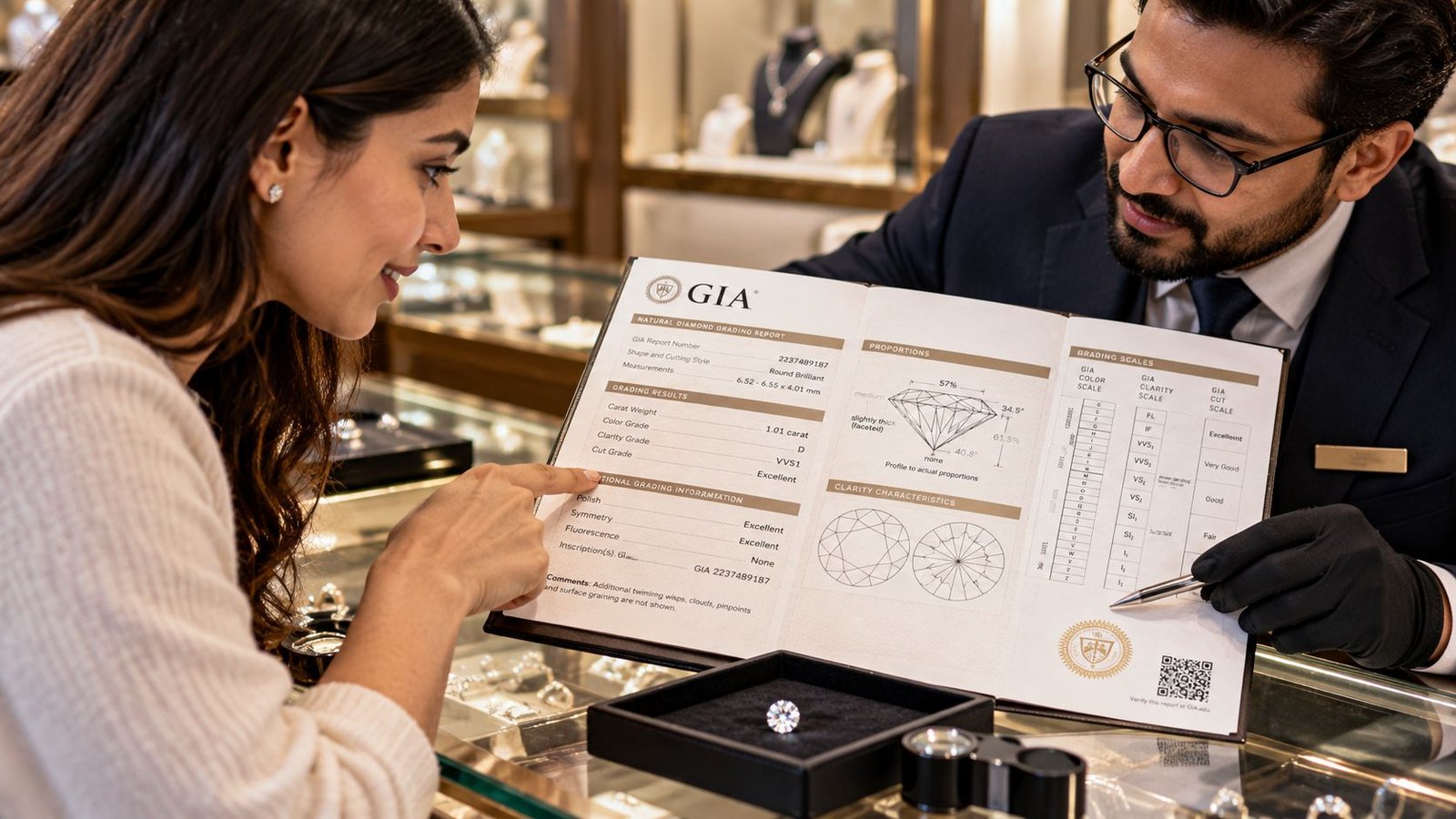
What This Means for Retailers and Sales Conversations
What a Complete Diamond Certification Report Actually Includes

Common Misconceptions About Diamond Certification
The Bottom Line
Frequently Asked Questions