

Loose Diamonds Resale: 6 Smart Reasons to Choose Stones Over Settings
Anyone buying diamonds with resale in mind eventually runs into the same fundamental decision behind loose diamonds resale: buy the stone loose, or buy it already set into a finished piece of jewellery. The question sounds simple, but the answer carries real financial consequences, since the two options behave quite differently when it comes time to actually sell. Loose diamonds resale has generally proven to be the more straightforward, more liquid, and more predictably valuable path for buyers primarily focused on eventual resale rather than personal wear. That does not mean set jewellery never makes sense as a resale asset — certain categories genuinely do hold or even appreciate in value — but understanding exactly why loose stones tend to outperform set pieces for resale purposes helps buyers make considerably more informed purchasing decisions from the start. This guide walks through six specific reasons loose diamonds resale tends to be the smarter default choice, along with the situations where buying set jewellery actually makes more strategic sense, and practical guidance for evaluating either path effectively. The gap between purchase price and eventual resale value is shaped by considerably more than just the diamond’s own quality. Setting style, metal composition, current design trends, and buyer pool size all affect how easily and how profitably a piece can eventually be sold, and these factors behave very differently depending on whether the stone in question is loose or already mounted into a finished design. Understanding this distinction upfront, before making a purchasing decision, helps buyers avoid a common and genuinely costly mistake in loose diamonds resale: assuming that a beautiful, well-made piece of set jewellery will hold its value the same way the loose diamond within it would on its own. A loose diamond’s value is determined almost entirely by its certified specifications — carat weight, cut, colour, and clarity — which means two loose stones with matching certification are genuinely comparable, regardless of which seller or market they come from. Grading standards published by laboratories such as GIA provide the shared reference framework that makes this kind of direct comparison possible. This standardisation makes loose diamonds resale considerably more straightforward, since both buyer and seller can reference the same objective grading criteria to reach a fair price without extensive additional negotiation or subjective judgment. Set jewellery introduces considerably more valuation complexity. A buyer evaluating a finished piece must account for the diamond’s certified value, the metal’s actual worth, the labour and craftsmanship invested in the setting, and any brand or designer premium attached to the piece — factors that do not combine in any standardised, universally agreed-upon way. This added complexity tends to slow negotiations and introduce more subjective disagreement between buyer and seller than a straightforward loose stone transaction typically involves. A loose diamond can be purchased by virtually any buyer with a use for it — a retailer building custom jewellery, another wholesaler restocking inventory, a private buyer planning a bespoke engagement ring, or an investor simply holding the stone itself. This broad applicability meaningfully expands the pool of potential buyers for loose diamonds resale compared to a finished piece of jewellery. Set jewellery, by contrast, appeals only to buyers who specifically want that particular design, in that particular size and style. A stunning three-stone ring in a size six, for example, only genuinely interests buyers seeking exactly that style and size — a considerably narrower audience than the universal appeal of the loose diamond it contains. This narrower buyer pool for set pieces generally translates into slower sales and more price negotiation pressure compared to the broader, faster-moving market for loose stones. When a piece of jewellery is originally purchased, a meaningful portion of the price reflects the metal, the labour, and the craftsmanship invested in the setting itself — costs that do not translate proportionally into resale value the way the diamond’s certified specifications do. A setting that cost several hundred dollars to produce in labour and materials might contribute only a fraction of that amount to the piece’s eventual resale value, since buyers purchasing for resale purposes are primarily interested in the melt value of the metal and the certified value of the stone, not the original retail cost of craftsmanship. This dynamic significantly favours loose diamonds resale from a pure value-retention standpoint, since a loose stone’s value is not diluted by setting costs that fail to hold their proportional worth the way the underlying diamond generally does in the secondary market. For buyers who may need to sell relatively quickly, loose diamonds resale offers a meaningfully faster, more predictable path to liquidity than set jewellery typically does. Because loose stones can be evaluated almost entirely through their certification alone, transactions tend to move faster, with fewer subjective factors requiring negotiation or extended back-and-forth between buyer and seller. Set jewellery sales frequently require finding a buyer specifically interested in that design, size, and style, which can meaningfully extend the time needed to complete a sale, particularly for larger or more unusual pieces with a naturally smaller pool of interested buyers. For anyone prioritising liquidity and sale speed as part of their resale strategy, this practical difference carries genuine weight. Loose diamonds are considerably easier to store securely, insure accurately, and periodically appraise than finished jewellery, since there are simply fewer components and fewer condition-related variables to account for. A loose stone’s condition remains essentially static over time, provided it is stored properly, whereas set jewellery can experience wear to prongs, metal, or accent stones that affects its overall condition and eventual resale value in ways that require more careful, ongoing monitoring. This relative simplicity translates into lower ongoing management overhead for buyers holding loose diamonds resale inventory over an extended period, compared to the more involved condition monitoring that set jewellery typically requires to maintain accurate resale value expectations. Despite the clear advantages of loose diamonds resale in most situations, certain categories of set jewellery genuinely do make sense as resale-focused purchases. Pieces from recognised designer or luxury brand houses frequently carry a brand premium that can hold or even exceed the underlying stone’s certified value, driven by brand reputation and collector interest rather than the diamond specifications alone. Genuine vintage and antique pieces, particularly those with historical or period-specific design significance, can similarly command resale value well beyond what the loose diamond alone would achieve, driven by collector and antique market demand rather than pure gemological value. Complete, well-matched bridal sets in strong, currently popular styles occasionally sell relatively quickly to buyers specifically seeking a complete, ready-to-wear piece rather than wanting to commission a custom design, somewhat narrowing the typical liquidity disadvantage set jewellery usually carries. Buyers considering set jewellery specifically for resale purposes should evaluate these specific categories carefully, rather than assuming all set pieces carry the same resale disadvantages relative to loose stones. For buyers who do choose to purchase set jewellery with resale in mind, several factors meaningfully affect eventual resale potential. Brand recognition and reputation matter considerably, since pieces from well-known, respected jewellery houses generally retain value more reliably than unbranded pieces of similar underlying quality. Overall condition, including prong wear, metal integrity, and any visible damage, directly affects resale value and should be assessed carefully before purchase, ideally with professional inspection for higher-value pieces. Design timelessness also plays a meaningful role, since classic, enduringly popular styles tend to hold broader buyer appeal over time compared to highly trend-specific designs that may fall out of favour relatively quickly. And complete, original documentation — including any brand certificates, original receipts, or hallmark verification — meaningfully strengthens resale potential by providing the same kind of verifiable, trust-building documentation that certification provides for loose diamonds resale specifically, which is why keeping that paperwork accessible matters so much, as we covered in our guide on what happens if a diamond certificate is lost. For most buyers primarily focused on resale value and liquidity, loose diamonds resale represents the more reliable, more straightforward default strategy, given its easier valuation, broader buyer pool, and simpler liquidation process. Buyers specifically interested in set jewellery for resale purposes should focus deliberately on the categories most likely to hold value well — recognised brands, genuine vintage pieces, and complete, well-matched bridal sets — rather than assuming any attractive finished piece will perform comparably to the loose diamond it contains. Diversifying between loose diamonds resale and carefully selected set jewellery, rather than committing exclusively to one approach, can also provide a reasonable balance between liquidity and the occasional upside potential that well-chosen branded or vintage set pieces can offer. Loose diamonds resale generally offers a more predictable, more liquid, and more straightforward path to value retention than set jewellery, driven by easier valuation, a considerably broader buyer pool, and the simple reality that setting craftsmanship rarely retains its original cost in resale markets. This does not mean set jewellery should be avoided entirely as a resale consideration — certain branded, vintage, and complete bridal categories genuinely do hold strong value — but buyers approaching diamond purchases primarily with resale in mind generally benefit from defaulting toward loose stones unless a specific set piece clearly falls into one of the categories where finished jewellery tends to perform comparably well. Understanding these dynamics clearly before purchasing helps buyers build a resale-focused diamond strategy grounded in realistic expectations rather than assumptions that may not hold up when it actually comes time to sell. Loose diamonds resale is generally more reliable due to easier valuation, a broader buyer pool, and simpler liquidation compared to most set jewelry. Because a loose stone’s value is based almost entirely on standardized certification, making comparisons straightforward without needing to account for metal or labor costs. Rarely proportionally. Setting costs typically don’t translate into equivalent resale value the way the diamond’s certified specifications do. Yes. Recognized designer brands, genuine vintage pieces, and complete bridal sets can hold or exceed the value of the loose diamond alone. Loose diamonds appeal to a much broader range of buyers, while set jewelry only appeals to buyers wanting that specific design, size, and style. Generally, yes. Loose diamonds resale tends to move faster since transactions rely mainly on certification rather than subjective style preferences Brand recognition, overall condition, timeless design, and complete documentation all meaningfully affect resale value. Yes. With fewer components and more static condition over time, loose stones generally require simpler ongoing management than set jewelry. Not necessarily. A mix of loose stones and carefully selected branded or vintage set jewelry can offer a reasonable balance of liquidity and upside potential. No. The same principles apply regardless of whether the diamond is lab grown or natural, since resale dynamics are driven by certification and buyer pool, not origin. Disclaimer: This article is intended for general informational purposes only and does not constitute investment or financial advice. Resale values vary based on market conditions, stone quality, and buyer demand. Always consult a qualified appraiser or financial professional before making resale-focused purchasing decisions.Why This Decision Matters So Much for Resale-Focused Buyers
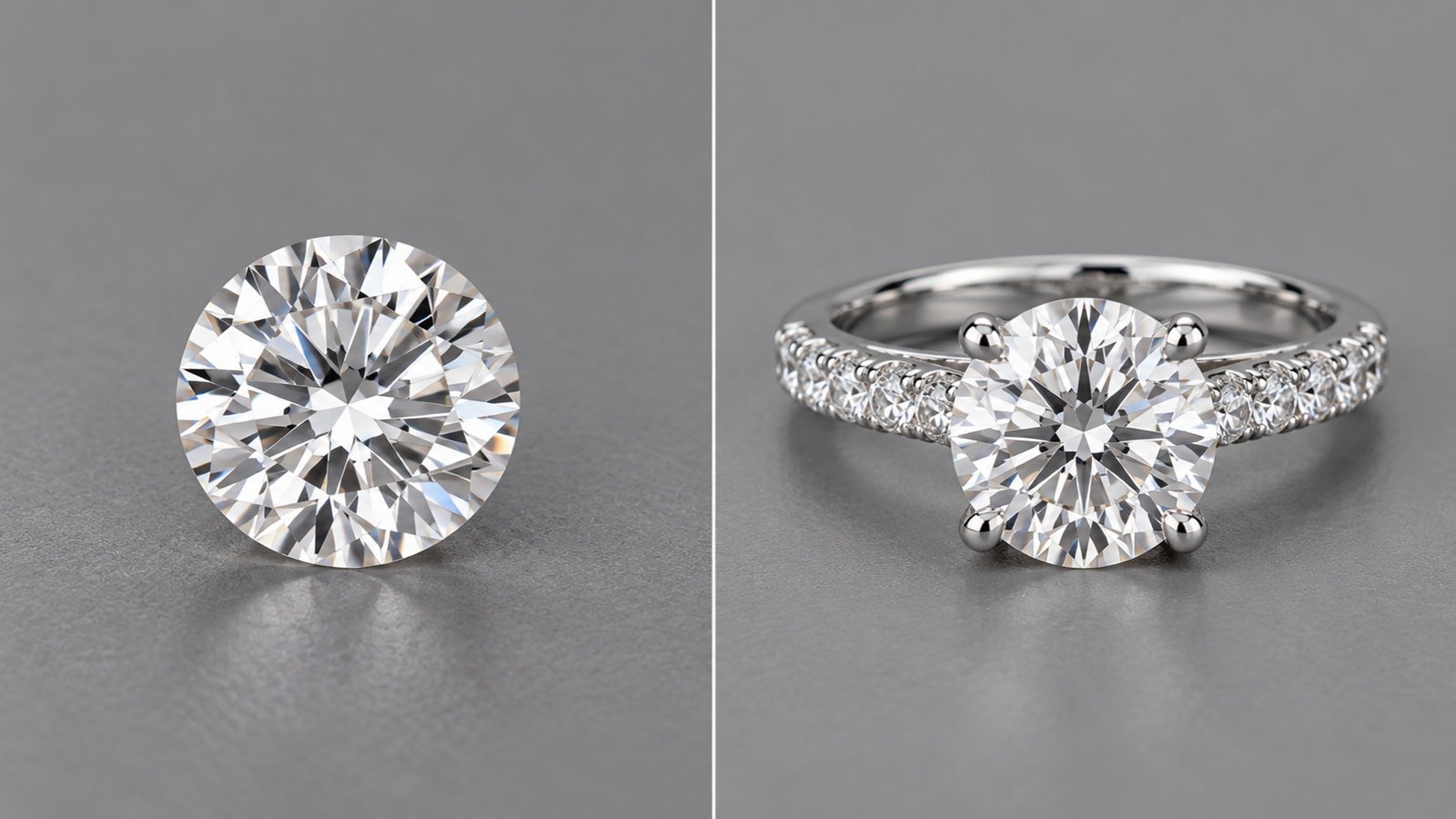
Reason 1: Loose Stones Are Dramatically Easier to Value and Compare
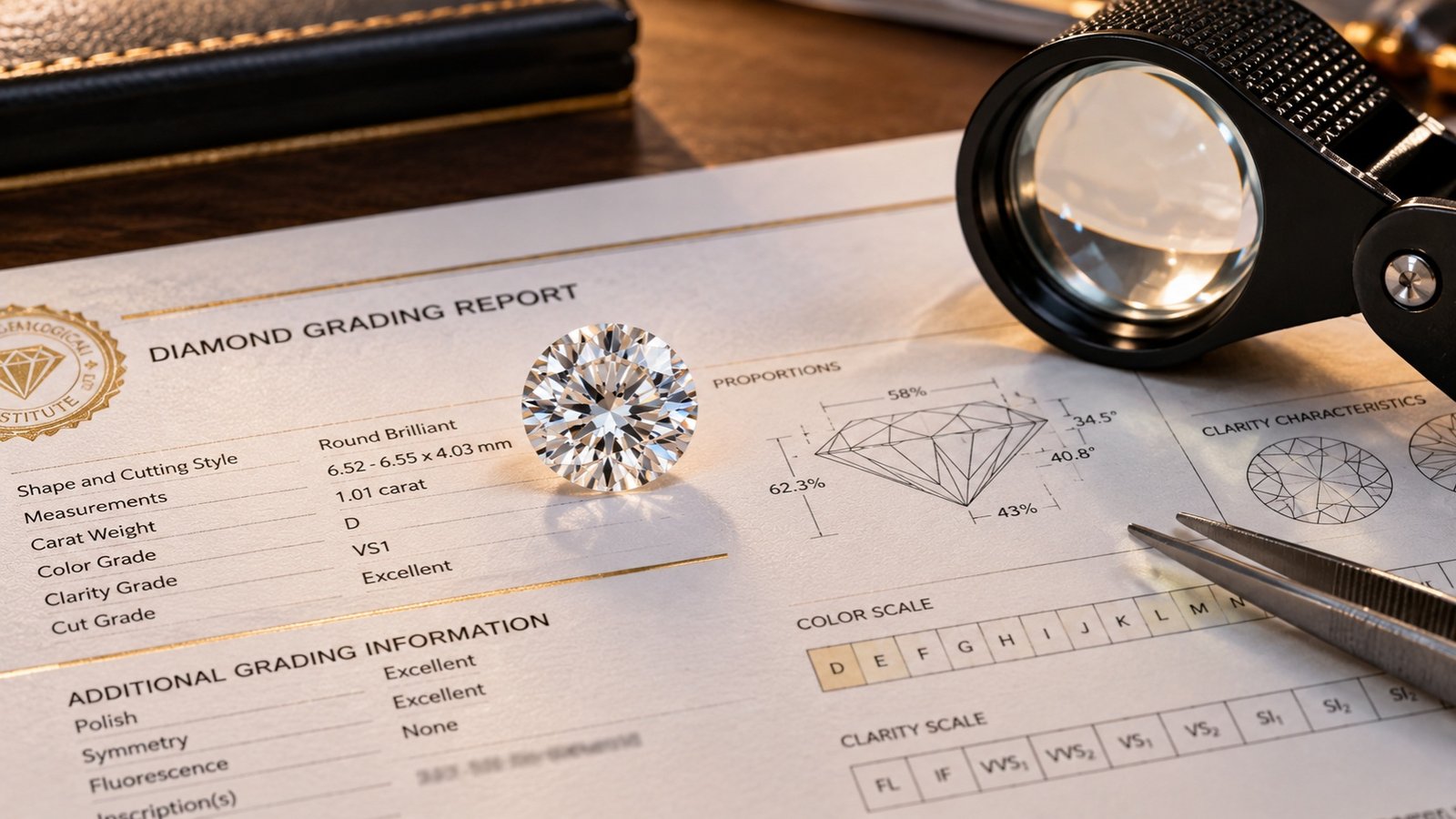
Reason 2: Loose Stones Reach a Meaningfully Broader Buyer Pool
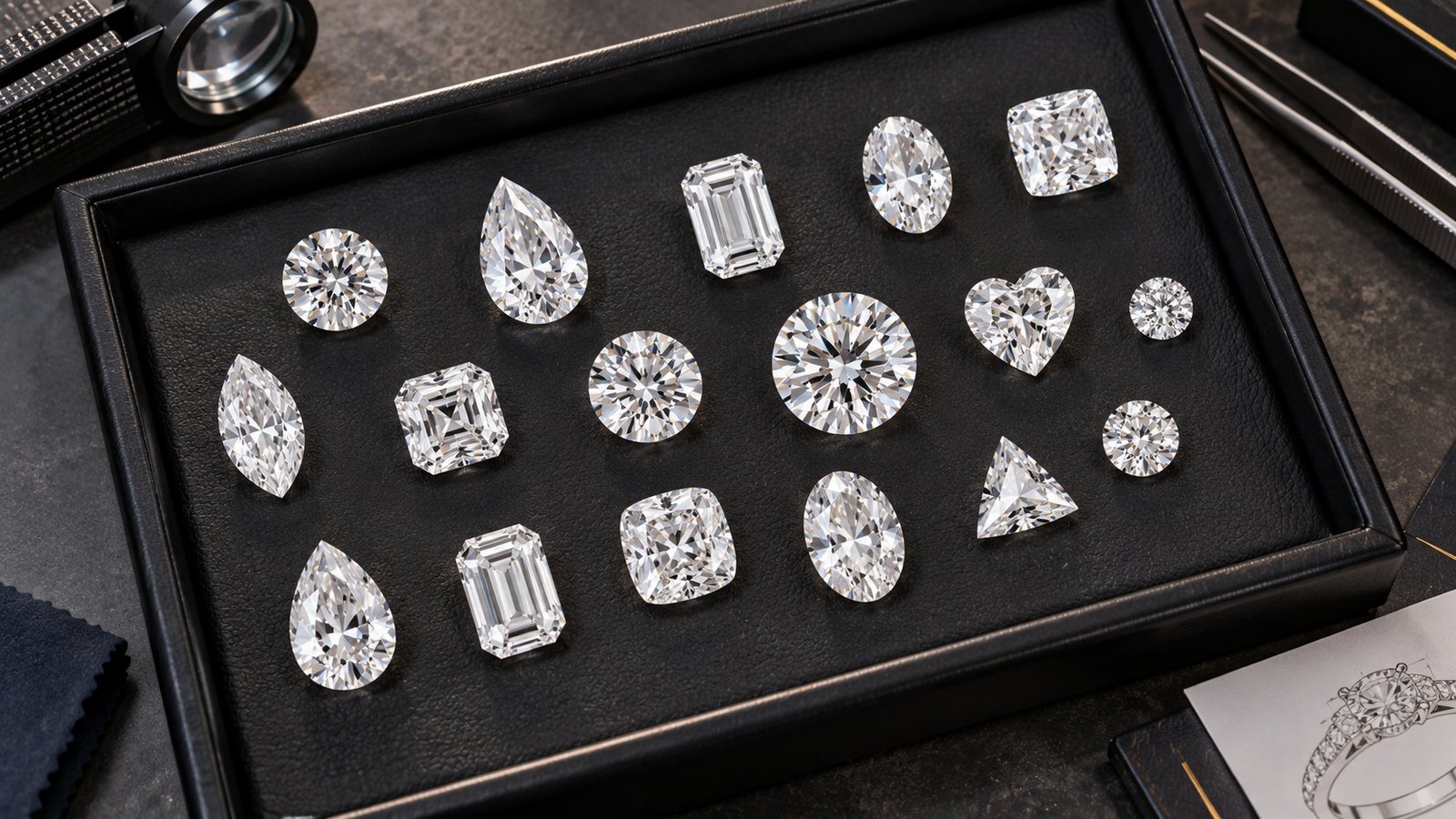
Reason 3: Setting Craftsmanship Rarely Retains Its Original Cost

Reason 4: Loose Stones Are Considerably Simpler to Liquidate Quickly
Reason 5: Storage and Insurance Are Meaningfully Simpler for Loose Stones
Reason 6: When Set Jewellery Actually Makes More Sense for Resale

How to Evaluate Set Jewellery for Resale Potential
Practical Guidance for Buyers Weighing This Decision

The Bottom Line
Frequently Asked Questions