

Diamond Jewelry Travel: 7 Essential Storage and Safety Tips
There is a particular kind of anxiety that comes with packing fine jewellery for a trip, and diamond jewelry travel in particular brings its own set of worries. Somewhere between folding shirts and checking passport expiration dates, a quiet worry creeps in: what if the ring gets lost in a suitcase, damaged in transit, or simply left behind in a hotel room drawer in the rush to check out?
Diamond jewelry travel has become an increasingly common concern as more people own meaningful diamond pieces — engagement rings, anniversary gifts, family heirlooms — and want to wear or bring them along for weddings, honeymoons, business trips, and vacations rather than leaving them locked away at home indefinitely. As lab grown diamonds have made larger, more valuable pieces accessible to a much wider range of owners, this concern has only grown more relevant, since more travellers than ever are now carrying genuinely valuable diamond jewellery through airports, hotels, and unfamiliar cities.
The good news is that safe diamond jewelry travel is entirely achievable with a handful of straightforward precautions. This guide walks through seven essential steps for storing, packing, and protecting diamond jewellery on any trip, from a weekend getaway to international travel.
Why Diamond Jewelry Travel Requires a Bit of Planning
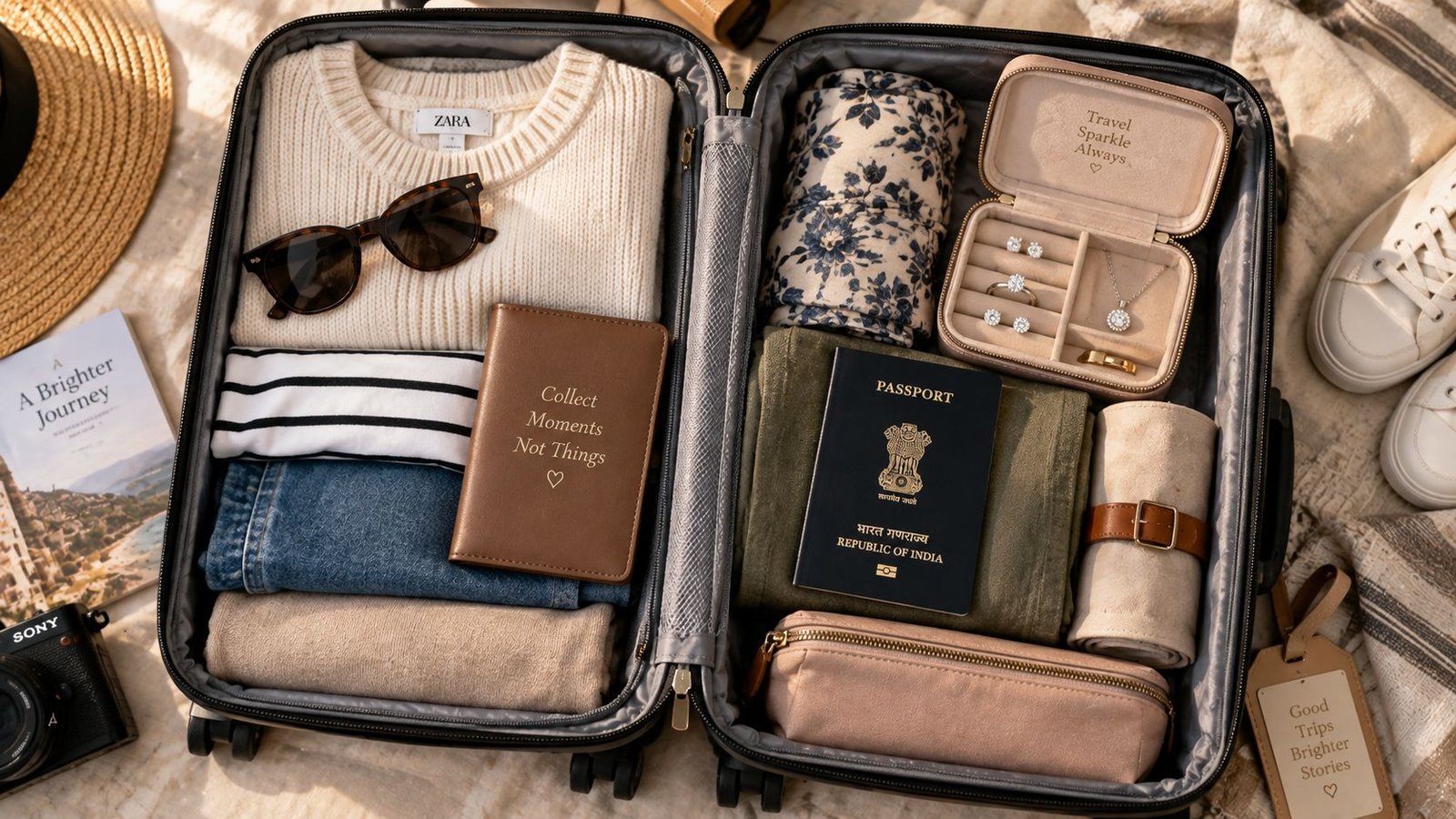
Jewellery faces a different set of risks while travelling than it does sitting safely at home. Luggage gets lost, misdirected, or occasionally rifled through. Hotel rooms, however comfortable, are not private homes with familiar security. Airport security screening introduces handling and scanning that jewellery does not typically encounter in daily life. And the simple act of being in an unfamiliar place, distracted by new surroundings, increases the odds of accidentally leaving something behind.
None of this means diamond jewelry travel should be avoided entirely — for most people, wearing or bringing along a meaningful piece is part of what makes a trip feel complete, particularly for weddings, anniversaries, or milestone celebrations. It simply means a bit of deliberate planning goes a long way toward making sure that piece makes it home safely, exactly as it left.
Tip 1: Choose the Right Travel Case

The single most impactful step for safe diamond jewelry travel is investing in a proper travel case or pouch designed specifically for jewellery, rather than tossing pieces loosely into a toiletry bag or wrapping them in a sock. A well-designed jewellery travel case includes padded, separated compartments that prevent pieces from scratching against each other, secure closures that keep small items from falling out, and compact sizing that fits easily into a carry-on bag rather than requiring its own dedicated space.
For travellers bringing multiple pieces, a roll-style case with individual fabric pockets works particularly well, keeping rings, earrings, and chains fully separated and preventing the tangling that commonly happens when jewellery is packed loosely together. Anti-tarnish lining is a worthwhile feature for pieces with silver or other tarnish-prone metal components, though it matters less for diamond jewelry travel specifically, since diamonds themselves do not tarnish.
Tip 2: Keep Documentation With You, Not in Checked Luggage
Any relevant certification, appraisal documents, or photographs of your jewellery should travel with you directly, ideally as both a physical copy and a digital backup stored securely on your phone or in cloud storage. This documentation serves two important purposes during travel: it provides proof of ownership and value in the event of loss or theft, and it can smooth over customs questions in situations where high-value items need to be declared or verified.
This is particularly relevant advice we’ve covered in more depth in our guide on what to do if a diamond certificate goes missing — the same principle of keeping accessible digital backups applies directly to travel situations, where physical documents are especially easy to misplace amid the general chaos of packing and unpacking.
Tip 3: Always Pack Jewellery in Your Carry-On, Never Checked Luggage

This is one of the most consistently repeated pieces of advice from travel security experts regarding diamond jewelry travel, and for good reason. Checked luggage is handled by numerous people, travels through automated systems, and occasionally gets lost, delayed, or misrouted entirely. Valuable jewellery should never be packed in checked luggage under any circumstances, regardless of how well it is wrapped or hidden within the bag.
Carrying jewellery in a carry-on bag, ideally within a jewellery case tucked into a secure interior pocket rather than an easily accessible outer compartment, keeps valuable pieces within your direct control throughout the entire journey, dramatically reducing the risk of loss compared to checked luggage.
Tip 4: Understand Airport Security Screening Procedures

Airport security screening handles jewellery differently depending on the piece and the specific security checkpoint, and understanding what to expect during diamond jewelry travel helps avoid unnecessary stress. Small pieces like rings and stud earrings can typically remain worn through standard metal detector or body scanner screening without issue, though larger statement pieces or jewellery containing significant metal content may occasionally trigger additional screening.
If asked to remove jewellery for screening, request a tray specifically for valuables rather than placing pieces directly into a shared bin, and keep visual contact with the tray as it moves through the X-ray machine whenever possible. Reclaiming jewellery immediately after it passes through screening, rather than waiting until reaching a seating area further down the terminal, reduces the window during which a small item could be accidentally left behind or picked up by someone else.
Tip 5: Know Customs and Declaration Requirements for International Travel
International diamond jewelry travel occasionally involves customs declaration requirements, particularly for pieces above certain value thresholds or when travelling to countries with specific import regulations around valuable goods. Guidance from bodies such as U.S. Customs and Border Protection outlines general declaration thresholds worth reviewing before an international trip. Requirements vary significantly by destination country, and researching the specific rules for your itinerary before departure helps avoid confusion or complications at border control.
Carrying your documentation, including proof of prior ownership such as a receipt or insurance record, helps demonstrate that jewellery is a personal item being brought along for the trip rather than something being imported for sale, which can otherwise create unnecessary friction during customs processing, particularly for pieces that appear obviously new or high in value.
Tip 6: Use Hotel Safes Thoughtfully, Not Automatically

Hotel room safes offer a reasonable layer of protection for diamond jewelry travel, but they are not universally reliable, and treating them as an automatic solution without any further thought can create a false sense of security. Older hotel safes, in particular, sometimes use master codes or mechanical overrides that hotel staff can access, meaning the safe protects primarily against opportunistic theft by other guests rather than against determined or insider theft.
When using a hotel safe, avoid predictable codes such as your room number or a simple repeated digit sequence, and consider photographing your jewellery before placing it in the safe as an additional record in case of any later dispute. For exceptionally valuable pieces, some travellers prefer keeping jewellery on their person or within a locked bag inside a larger hotel-provided safe rather than relying on the room safe as the sole layer of protection.
Tip 7: Consider Temporary Travel Insurance Coverage
Many homeowners’ or renters’ insurance policies that include jewellery coverage have specific limitations or exclusions related to diamond jewelry travel, and it is worth checking your existing policy well before a trip to understand exactly what is and is not covered while away from home. Some insurers offer temporary travel riders or standalone short-term jewellery insurance specifically designed to extend coverage for the duration of a trip, which can provide meaningful financial protection in the rare event of loss, theft, or damage while travelling.
This step is particularly worth prioritising for higher-value pieces or for trips involving extended international travel, where the practical challenges of replacing or repairing a lost or damaged piece are considerably greater than they would be closer to home.
Additional Precautions Worth Considering

Beyond the seven core tips above, a few additional habits meaningfully reduce risk during diamond jewelry travel. Avoiding conspicuous display of valuable jewellery in unfamiliar public settings, particularly in areas known for pickpocketing or opportunistic theft targeting tourists, reduces the likelihood of specifically being targeted. Packing a smaller, simpler piece as a backup option for situations where wearing a more valuable item feels unnecessary or risky — a casual dinner out, a busy market, or public transportation — allows flexibility without requiring the most valuable piece to be worn or carried in every situation throughout the trip.
Setting a personal habit of doing a quick visual check of jewellery cases and pouches before leaving any hotel room or rental property also helps catch pieces that might otherwise be accidentally left behind in a drawer, bathroom counter, or nightstand during the rush of checkout.
What This Means for Lab Grown Diamond Owners Specifically
The affordability created by falling lab grown diamond prices means a growing number of travellers now own genuinely larger, more valuable diamond pieces than would have been financially realistic just a few years earlier. This makes the precautions outlined in this guide increasingly relevant across a broader range of travellers, not just those who have always owned high-value jewellery.
It is worth noting that none of the storage, security, or travel precautions covered here differ based on whether a diamond is lab grown or natural — the physical value and vulnerability to loss, theft, or damage during travel is identical for both categories. The growing accessibility of larger lab grown stones simply means more travellers than ever now have genuine reason to take these precautions seriously.
The Bottom Line
Diamond jewelry travel does not need to be a source of ongoing anxiety, but it does benefit from a bit of deliberate preparation. A proper travel case, accessible documentation, careful carry-on packing, awareness of security and customs procedures, thoughtful use of hotel safes, and appropriate insurance coverage together address the vast majority of realistic risks a traveller might encounter.
With these precautions in place, bringing along a meaningful diamond piece for a wedding, honeymoon, or special trip can remain exactly what it should be — a joyful part of the experience, rather than a source of constant worry.
Frequently Asked Questions
No. Always pack valuable jewellery in your carry-on bag, ideally in a secure interior pocket, to keep it within your control throughout the trip.
A padded travel case with separated compartments or a roll-style pouch works best, preventing pieces from scratching or tangling together.
Usually, yes, for small pieces like rings. Larger statement jewellery may occasionally require removal for additional screening.
It depends on the destination and the item’s value. Research specific requirements for your itinerary and carry documentation just in case.
They offer reasonable protection but aren’t foolproof. Avoid predictable codes and consider photographing your jewellery before storing it.
Not always. Check your policy for travel-specific limitations and consider a temporary travel rider for extra protection.
Physical risk during travel is identical for both, since value and vulnerability to loss or damage don’t depend on how the diamond was formed.
Yes. Keep a physical and digital copy of certification or appraisal documents, which helps with insurance claims and customs questions.
Report it to hotel security or local authorities immediately, and contact your insurer with your documentation as soon as possible.
Both are reasonable depending on the situation — wearing reduces loss risk from luggage, while packing may be safer in high-risk public settings.
Disclaimer: This article is intended for general informational purposes only and does not constitute security, insurance, or legal advice. Customs regulations, security procedures, and insurance coverage vary by destination, airline, and provider. Always verify current requirements directly with relevant authorities or your insurance provider before travelling.